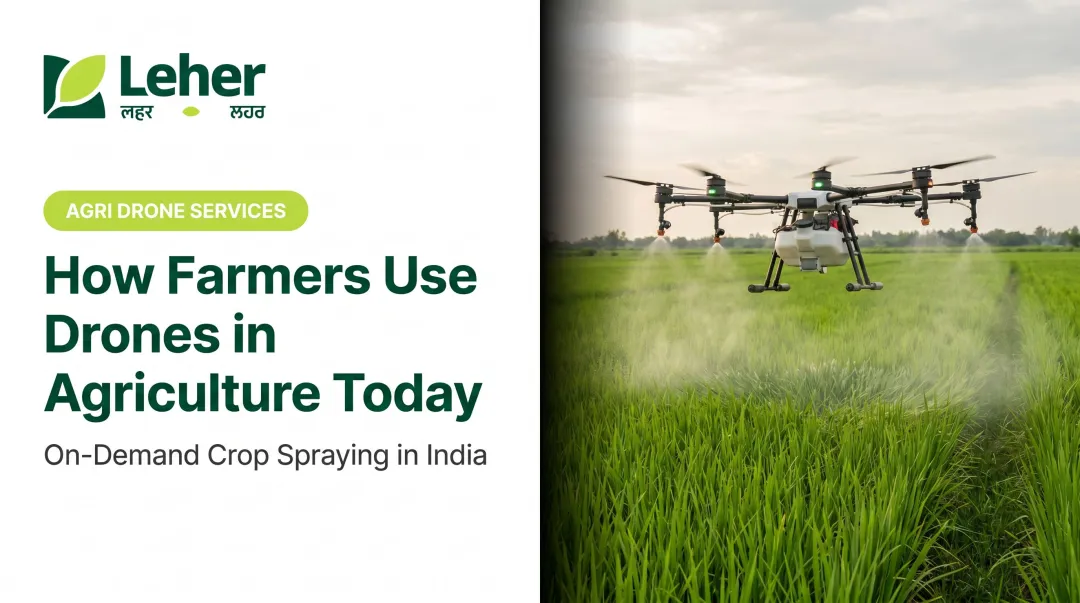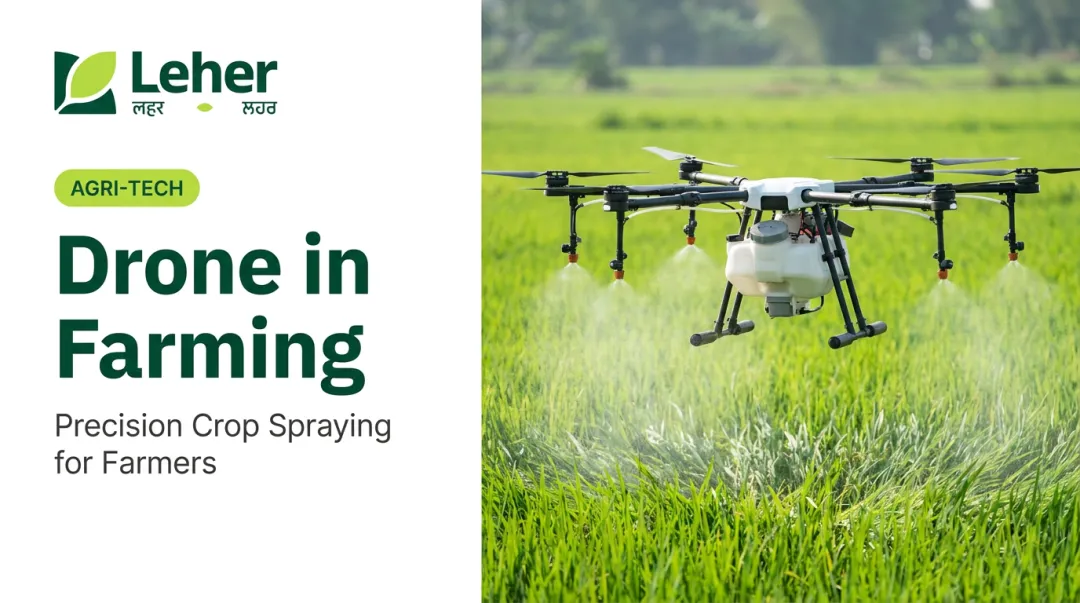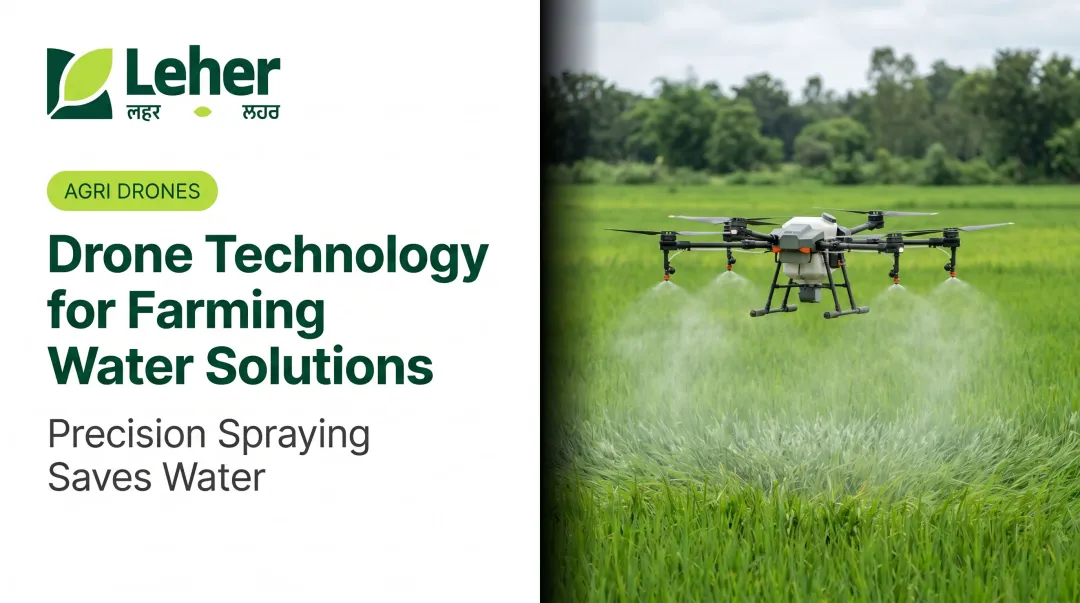
This isn't a scene from the distant future; it's happening right now across India. The drone revolution is reshaping the very fabric of Indian agriculture, turning it into a sector driven by data, precision, and efficiency. This article explores how this technology is transforming farming, the tangible benefits it offers, the new business opportunities it creates in rural India, and how you can be a part of it.
TL;DR: The Drone Revolution in Indian Farming
- Precision is Power: Drones enable precision agriculture, allowing farmers to use inputs like water and pesticides only where needed, saving resources and money.
- Massive Efficiency Gains: A drone can spray a hectare of land in about 20 minutes, a task that takes a person up to 8 hours, using 90% less water.
- New Rural Jobs: The "Drone-as-a-Service" model creates opportunities for local entrepreneurs to offer spraying services, making tech accessible to small farmers.
- Government Support: Subsidies and clear regulations from the DGCA are making it easier for farmers and entrepreneurs to adopt drone technology legally and affordably.
The Rise of Precision Farming in India
Precision agriculture is a simple but powerful idea: using technology to do the right thing, in the right place, at the right time. Instead of treating an entire field the same way, it uses data to manage variations within it. According to the Food and Agriculture Organization (FAO), it’s a data-driven approach to farm management that can boost productivity and sustainability.
In India, this approach is not just an upgrade—it's a necessity. The average farm size in the country has shrunk to just 1.08 hectares, making large, traditional machinery impractical and inefficient. This is where drones come in. They are perfectly suited for India’s agricultural landscape because they can:
- Easily cover small, fragmented landholdings.
- Operate effectively over difficult or uneven terrain.
- Provide detailed data that was previously out of reach for the average farmer.
The potential is enormous. The Indian agriculture drone market is projected to skyrocket from around ₹2,500 crore in 2025 to over ₹17,500 crore by 2034, signalling a massive shift in how we approach farming.
How Drones are Revolutionising the Modern Farm: Key Applications
Drones are far more than just flying cameras. They are sophisticated tools equipped with sensors, sprayers, and mapping technology that give farmers unprecedented control over their operations.
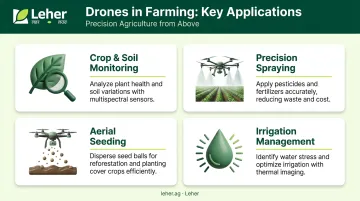
Crop and Soil Health Monitoring
Drones fitted with special cameras can see what the human eye cannot. Using sensors that capture multispectral imagery, they can calculate the Normalised Difference Vegetation Index (NDVI). In simple terms, NDVI is a measure of a plant's "greenness," which indicates its health.
This technology allows farmers to detect problems like pest infestations, nutrient deficiencies, or water stress early on. By generating high-resolution maps, drones can also analyse soil variations across a field, helping farmers apply fertilisers more strategically instead of using a one-size-fits-all approach.
Precision Spraying of Pesticides and Fertilisers
This is one of the most impactful applications of drone technology in India. Traditional manual spraying is slow, labour-intensive, and often leads to chemical wastage and health risks for farmers. Drone spraying changes everything.
A 2024 study on soybean farming in India found that a drone sprayer took just 0.33 hours to cover one hectare, compared to 8 hours for a manual knapsack sprayer. It also used 95% less water. This level of efficiency represents a significant leap forward in farm productivity.
By applying inputs with pinpoint accuracy, drones offer huge benefits:
- Targets only affected crop areas, avoiding unnecessary blanket spraying.
- Lowers costs and environmental impact by reducing chemical waste. Services from providers like Leher can cut pesticide use by up to 30%.
- Eliminates direct farmer exposure to potentially harmful chemicals.
Rinku Singh, a sugarcane farmer who used Leher's drone spraying service, noted, "The result was very fabulous. That's why I'm spraying again with them. I request every farmer to also take advantage of this service."
Seeding and Reforestation
An emerging application for drones is aerial seeding. Drones can be loaded with "seed balls" (seeds mixed with soil and nutrients) and dispersed over large areas, which is especially useful for planting cover crops or reforesting remote and inaccessible land. In Telangana, for instance, drones have been successfully used in aerial seeding campaigns to increase green cover.
Irrigation Management
In a water-scarce country like India, every drop counts. Drones with thermal cameras can identify irrigation issues by detecting temperature differences across a field. Cooler spots might indicate over-irrigation, while warmer areas signal water stress.
This data helps farmers optimise their water use, ensuring crops get exactly what they need without wastage.
The Tangible Benefits: Boosting Yields and Sustainability
Adopting drone technology goes beyond modernization. It delivers tangible results for farmers, the environment, and the wider agricultural community.
Economic Advantages
The return on investment for farmers is clear and direct. By using fewer inputs—less fertiliser, pesticide, and water—and reducing labour costs, farmers can significantly increase their profitability. The same Indian soybean study found that drone deployment led to an 85% reduction in labour requirements compared to manual methods. This saved time and money allows farmers to focus on other high-value activities.
Environmental and Sustainability Gains
Precision agriculture is a more sustainable approach. When chemicals are applied only where they are needed, it dramatically reduces runoff into rivers and groundwater. This protects local biodiversity, including beneficial insects like pollinators that are vital for healthy ecosystems. By optimising water use and promoting better soil health, drones are a key tool for building a more climate-resilient agricultural future.
Operational Efficiency and Safety
The efficiency gains are significant. A task that takes an entire day of manual labour can be completed by a drone in under an hour. This frees up farmers' time and energy. More importantly, this technology improves operator safety. Drones reduce the need for direct contact with hazardous chemicals and limit accidents associated with operating heavy machinery on difficult terrain, making farming a safer profession.
Beyond Farming: Drones as a Business Opportunity in Rural India
The drone revolution isn't just for those who own land. It's creating a vibrant new ecosystem of local entrepreneurs and skilled service providers, bringing high-tech jobs to rural India.
The "Drone-as-a-Service" (DaaS) model is making this possible. Instead of buying a drone, which can cost several lakhs of rupees, a small farmer can simply book a spraying service on a pay-per-acre basis. This is where rural drone entrepreneurs come in.
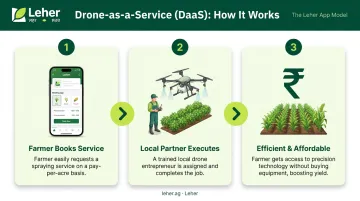
Companies like Leher are building networks of these entrepreneurs through their Drone Partner Program. This initiative supports aspiring business owners with:
- Facilitating loans for drone purchases.
- Providing DGCA-approved pilot training and certification.
- Guaranteeing business by connecting partners with local farmers through an app.
- Offering comprehensive technical support, insurance, and maintenance.
This model is a win-win. Farmers get access to cutting-edge technology without a huge investment, and rural entrepreneurs can build a profitable business. Leher's vision is to foster 1,000 such rural drone partners by 2030, and with over 100 already onboard, the movement is well underway.
Getting Started with Agricultural Drones in India: A Practical Guide
Getting started with drone technology in agriculture is more straightforward than it seems. For farmers or aspiring entrepreneurs in India, the process involves a few key steps.
- Understand the Regulations: Drone operations in India are regulated by the Directorate General of Civil Aviation (DGCA). All drones (except the smallest nano category) must be registered on the Digital Sky platform to get a Unique Identification Number (UIN). Operations must adhere to rules regarding no-fly zones and other guidelines outlined in the Drone Rules, 2021.
- Get Trained and Certified: To operate a drone legally for commercial purposes, you must be a certified remote pilot. This involves completing a training course from a DGCA-approved institute. Companies in the space, including Leher, offer certified training programs that cover everything from flight operations to safety protocols.
- Choose Your Path: For most small and marginal farmers, partnering with a reliable Drone-as-a-Service (DaaS) provider is the most practical and cost-effective option. The "Book | Spray | Pay" model makes the technology immediately accessible without a large upfront investment.
For those looking to start a service business or for larger farming operations, purchasing a drone might be the right choice. The government offers financial support, including subsidies of up to 50% (capped at ₹5 lakh) for certain categories of farmers and graduates setting up Custom Hiring Centres (CHCs).
Frequently Asked Questions
How are drones used in farming?
Drones are primarily used for crop monitoring with advanced sensors, precision spraying of fertilisers and pesticides, and creating detailed field maps to analyse soil health and crop stress.
What types of drones are used in agriculture?
There are two main types: multi-rotor drones, which are ideal for spraying and detailed inspections due to their ability to hover, and fixed-wing drones, which are better for mapping very large areas quickly.
How much do agricultural drones cost?
Costs range from a few lakhs to over ten lakhs of rupees, based on payload and sensor technology. For affordable access, service models allow farmers to pay per acre for spraying without needing to purchase a drone.
What are the government regulations for using agricultural drones in India?
Drone use is regulated by the DGCA under the Drone Rules, 2021. Key requirements include registering the drone for a Unique Identification Number (UIN) and ensuring the operator holds a certified remote pilot license.
Can small-scale farmers benefit from drone technology?
Absolutely. Through Drone-as-a-Service (DaaS) providers, small farmers can access all the benefits of drone spraying on a pay-per-use basis, making it highly affordable and effective.
What skills are needed to become a drone pilot for agriculture?
You need a remote pilot certificate from a DGCA-approved school, technical aptitude for operating the drone and its software, and a basic understanding of agricultural practices.