Assam, the Tea Capital of India: What Makes Its Tea Industry Unmatched
Did you know that Assam produces more than half of India’s total tea, contributing around 630-700 million kilograms annually? This single state plays a critical role in strengthening India’s position as one of the world’s leading tea producers.
Recognised globally for its bold black teas, Assam has earned the title Tea Capital of India due to its fertile alluvial soils, high rainfall, and generations of organised tea cultivation. For tea growers and agritech professionals, Assam represents large-scale cultivation, high-output efficiency, and reliable performance across its extensive tea estates.
In this blog, you will understand why Assam is called the Tea Capital of India and what modern tea farmers can learn from its production model.
Key Takeaways
Maximise Yield Efficiently: Implement flush-based planning and precision agronomy to maintain consistent production.
Enhance Tea Quality: Even nutrient and pesticide application boosts leaf quality, colour, and aroma.
Reduce Labour Dependency: Mechanisation and drone-assisted spraying lower manual labour needs and operational costs.
Strengthen Market Readiness: Timely flushes and specialty tea production cater to premium and export segments.
Promote Sustainable Practices: Integrated pest control, efficient chemical use, and climate-adaptive techniques safeguard resources.
Why Assam Is Known as the Tea Capital of India
Assam is called the Tea Capital of India due to its vast network of over 800 tea estates spread across the Brahmaputra valley and its ideal natural growing conditions. The region’s humid subtropical climate, high rainfall, and fertile alluvial soil create the perfect environment for cultivating bold, malty black teas that define India’s chai culture.
Beyond natural advantages, Assam’s relationship with tea is deeply historical and cultural. Today, Assam tea forms the base of English breakfast blends and everyday cutting chai, reinforcing the state’s global reputation for quality and consistency.
This unique combination of scale, history, and flavour is what firmly establishes Assam as the Tea Capital of India. To truly understand how Assam earned this status, it’s important to look back at the origins of tea cultivation in the region and how it all began.
From Discovery to Industry: The History & Origins of Assam Tea
The origins of Assam tea trace back to the early 19th century, when the region was largely forested and unexplored for commercial tea cultivation. The identification of indigenous tea plants in Upper Assam during the 1820s challenged the long-held belief that tea could only be grown in China. This discovery opened new possibilities for India’s agricultural sector.
Following this discovery, Assam gradually moved from experimentation to structured cultivation. Under British administration, tea production evolved into an estate-based system supported by defined planting practices, processing infrastructure, and export-oriented supply chains.
Key milestones that shaped Assam tea’s origins:
Botanical validation of native tea varieties suitable for large-scale cultivation
Formation of estate-based plantation models along the Brahmaputra valley
Introduction of organised processing, grading, and export mechanisms
Expansion of Assam tea into domestic markets and international trade routes
Over time, tea became a central pillar of Assam’s economic development, influencing labour systems, rural settlements, and trade connectivity. This progression from discovery to industrial cultivation laid the foundation for Assam’s enduring leadership in India’s tea sector.
While history established Assam’s tea industry, it is the region’s geography and climate that sustain its long-term production strength.
What Makes Assam’s Land and Climate Ideal for Tea Cultivation
Assam’s leadership in tea production is driven by a rare combination of geography and climate that supports both scale and quality. The tea estates spread across the Brahmaputra Valley benefit from low-lying terrain, abundant rainfall, and fertile soils, creating optimal conditions for sustained cultivation and high annual yields.
Key geographical and climatic advantages of Assam tea cultivation:
Low Elevation Plains: Tea gardens are located at approximately 45-60 metres above sea level, enabling expansive, mechanisation-friendly estate layouts.
High Annual Rainfall: Rainfall of 2,500-3,000 mm per year ensures consistent soil moisture and reduces dependence on irrigation.
Humid Subtropical Climate: Warm temperatures combined with high humidity promote rapid leaf growth and frequent flush cycles.
Fertile Alluvial Soil: Nutrient-rich soils deposited by the Brahmaputra river system enhance root development and plant vitality.
Extended Growing Season: A long cultivation window supports multiple harvests annually, improving overall production efficiency.
Also Read: Popular Tea Gardens in Assam
These environmental advantages directly shape Assam tea’s full-bodied liquor, strong colour, and brisk flavour, reinforcing the state’s position as India’s Tea Capital. Together, these factors give rise to distinct Assam tea varieties, each with characteristics recognised worldwide.
Assam Tea Varieties: Flavour, Processing, and Market Appeal

Assam tea is predominantly black tea produced from the native Camellia sinensis var. assamica, which thrives in warm, humid conditions. Its strength and reliability make it a preferred base for both domestic chai and global blends.
1. Core Flavour and Sensory Characteristics
Assam tea is defined by its distinct taste profile and visual intensity, shaped by plant variety and growing conditions. These characteristics determine its suitability for blends, milk-based consumption, and export markets.
Bold, Malty Flavour: Strong and full-bodied taste that performs well in breakfast blends and everyday chai.
Deep Amber Liquor: Rich colour that signals strength and consistency, valued by buyers and blenders.
High Briskness: A pronounced astringency that creates a lively, refreshing mouthfeel.
2. Processing Methods Used in Assam
Processing style plays a critical role in determining leaf appearance, brewing behaviour, and end-use application. Assam primarily follows two established processing methods.
Orthodox Processing: Traditional rolling techniques produce whole or large-leaf teas with complex aroma and layered flavour.
CTC (Crush, Tear, Curl) Processing: Machine processing creates granular teas that brew quickly and pair well with milk and sugar.
3. Seasonal Flush Variations and Specialty Production
Assam tea characteristics also change with harvest timing, influencing flavour intensity and market positioning. In parallel, select estates are diversifying beyond conventional black tea.
First Flush (Spring Harvest): Lighter-bodied teas with brisk, fresh notes.
Second Flush (Early Summer Harvest): Richer, fuller teas that often feature golden tips and deeper flavour.
Specialty Teas: Limited production of green and white teas for niche and premium segments.
As tea cultivation modernises, advanced tools are transforming how farmers manage large estates and maintain crop health. Leher’s drone-spraying platform empowers Indian farmers with precise, efficient crop-input application, helping reduce water and chemical use while covering large acreages quickly and sustainably.
Let’s now explore how Assam tea extends beyond cultivation to become a major economic driver for the state.
Economic and Social Significance of Assam Tea Plantations
Assam’s tea plantations are not only agricultural assets but a central pillar of the state’s economy and social structure. The industry supports millions of livelihoods directly and indirectly, driving rural employment, infrastructure development, and export earnings while sustaining entire plantation-based communities.
Below are a few key economic and social contributions of Assam tea plantations:
Employment Generation
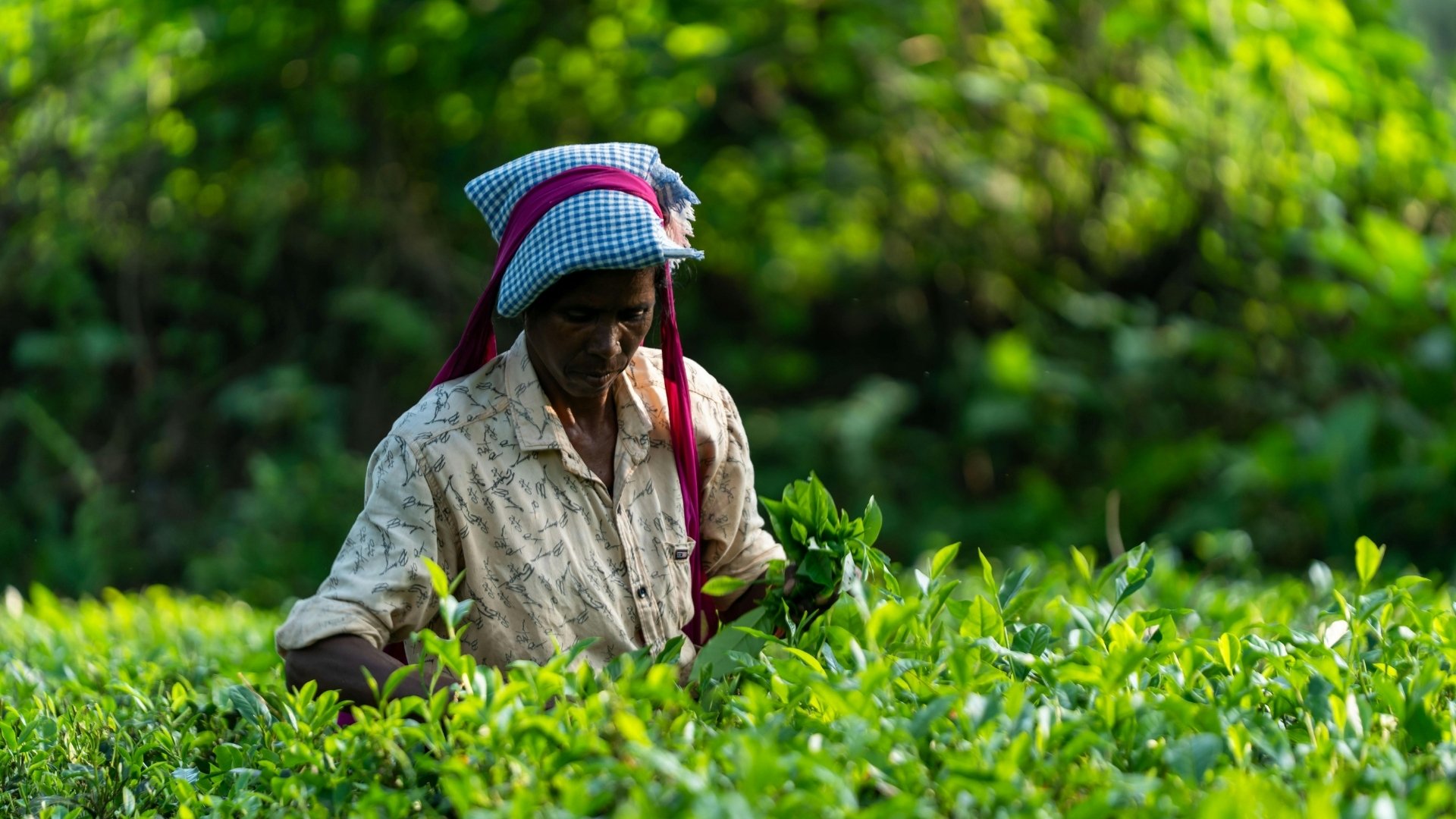
Tea plantations provide direct employment to a large rural workforce, including pluckers, factory workers, supervisors, and logistics staff, with women forming a significant share of field labour.
Rural Economic Stability
Plantation activity supports local economies through steady wages, seasonal employment cycles, and demand for ancillary services such as transport, packaging, and maintenance.
Export and Trade Contribution
Assam tea contributes significantly to India’s tea exports, supporting foreign exchange earnings and reinforcing India’s position in global tea markets.
Community Infrastructure Development
Large estates historically established housing, healthcare facilities, schools, and basic amenities, shaping long-term settlement patterns across tea-growing regions.
Supply Chain and Allied Industries
The tea sector supports a broad ecosystem including processing units, auction centres, warehousing, transport networks, and input suppliers.
Together, these linkages establish Assam’s tea plantations as long-term drivers of regional economic and social development. Now, let’s explore the key challenges faced in managing these estates effectively.
Key Challenges in Assam Tea Plantation Management
Managing tea plantations in Assam involves balancing scale, labour, productivity, and sustainability under increasingly complex conditions. While the region benefits from natural advantages and legacy infrastructure, plantation managers face persistent challenges that directly affect output consistency and long-term viability.
1. Labour Availability and Workforce Stability
Tea cultivation remains highly labour-intensive, and plantations face several workforce-related challenges:
Shortages of Skilled Labour: Recruitment of experienced pluckers and factory staff is increasingly difficult.
Ageing Workforce: Many long-term workers are ageing, creating gaps in field efficiency.
Rising Wage Pressures: Labour cost increases affect profitability and operational planning.
2. Climate Variability and Weather Extremes
Unpredictable weather patterns threaten consistent production and crop health:
Irregular Rainfall: Disrupts harvest timing and impacts flush cycles.
Flooding and Waterlogging: Can damage bushes and reduce yield.
Temperature Fluctuations: Stress plants and increase susceptibility to disease.
3. Rising Input and Production Costs
Managing expenses is critical for financial sustainability:
Fertiliser and Crop Protection Costs: Increasing prices challenge cost-effective cultivation.
Energy and Operational Expenses: Power, fuel, and equipment maintenance add to overheads.
Compliance Costs: Adhering to labour and environmental regulations increases expenditure.
4. Pest and Disease Management
High humidity and dense plantations create an environment conducive to pests and fungal outbreaks:
Early Detection: Requires constant field monitoring.
Targeted Interventions: Timely application of biological or chemical controls is essential.
Integrated Practices: Combining preventive measures with crop rotation or resistant varieties reduces losses.
5. Estate Infrastructure and Modernisation Gaps
Many plantations operate with legacy systems, limiting efficiency:
Ageing Factories: Reduce processing speed and quality control.
Outdated Field Layouts and Drainage: Hinder mechanisation and soil management.
Limited Adoption of Modern Tools: Affects scalability and opportunities in precision agriculture.
To overcome these challenges, Leher provides drone-powered precision spraying for tea plantations, designed for steep terrain, dense canopies, and narrow spray windows. Contact us to schedule your service and streamline spray operations across your tea estates.
Beyond immediate crop-protection measures, tea plantations must adopt long-term management strategies to maintain yields and estate viability. Let’s examine how estates can achieve this through structured, long-horizon management practices.
Strategies for Managing Yield and Risk in Assam Tea Plantations

Assam tea estates depend on strategic planning, bush health, and risk management to maintain yields, since adding more land is limited. Below are the key strategies to manage yield and reduce risk:
Precision Agronomy and Crop Monitoring: Use of soil testing, nutrient management plans, and leaf analysis to maintain optimal plant health and maximise leaf quality.
Proactive Pest and Disease Control: Combining biological controls, targeted chemical interventions, and regular field scouting to prevent outbreaks and minimise crop losses.
Seasonal Planning and Flush Management: Strategically timing first, second, and third flush harvests to optimise yield, flavour profiles, and market value.
Climate-Adaptive Practices: Implementing drainage, shade management, and mulching to reduce stress from flooding, irregular rainfall, and temperature fluctuations.
Mechanisation and Workforce Efficiency: Adoption of tools, mechanised plucking, and modern processing units to improve labour productivity and reduce operational bottlenecks.
Technology-Enabled Decision Support: Using a comprehensive platform for drone spraying, like Leher, tea estates can manage crop inputs, irrigation, and yield forecasting with precision.
Case Study: Leher drones have been deployed across 700+ hectares of tea plantations, achieving up to 75% less chemical residue per kg of made tea. Each drone performs the work of 10 manual sprayers, flipping tea leaves to ensure uniform coverage of pesticides and fertilisers. With pre-programmed flight paths, spraying is consistent and repeatable, and a single drone can cover 15+ hectares per day, completing one hectare in about 30 minutes.
Also Read: How Drones Are Revolutionising Agriculture Practices
Many of these operational challenges, particularly pest control and spray coverage, are now being addressed through precision agriculture tools such as drone-assisted spraying.
Leher Drones for Efficient Assam Tea Plantation Management
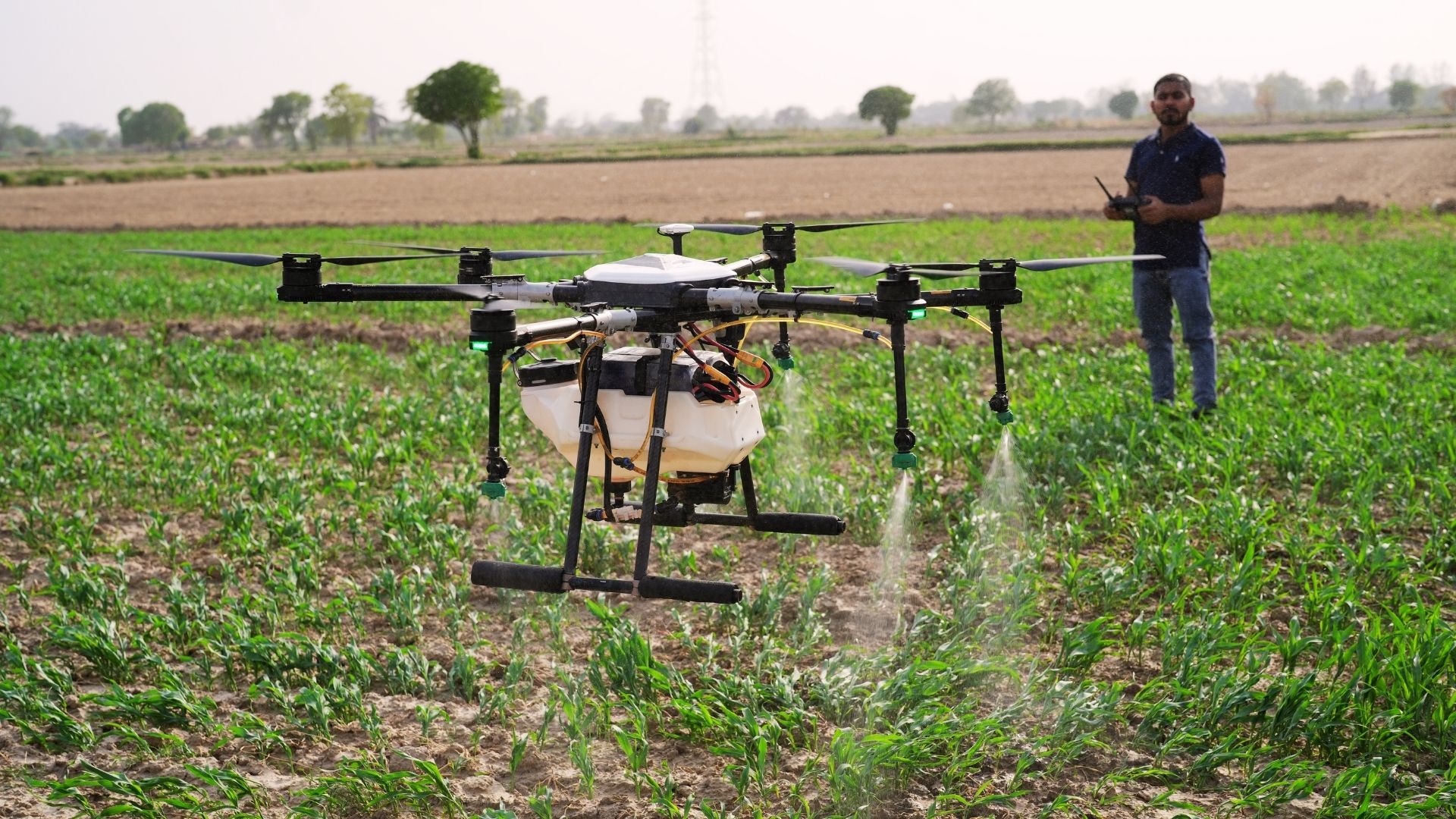
Tea plantations often face challenges like uneven pesticide coverage, high labour dependency, and time-consuming manual spraying. To tackle these efficiently, Leher offers drone-powered precision spraying solutions customised for tea estate managers, plantation operators, and drone entrepreneurs.
Here are a few key benefits of Leher drone spraying:
Precision Application: Drones deliver uniform pesticide and nutrient coverage across the entire canopy, including upper and inner branches, reducing chemical wastage.
High-Speed Performance: A single drone can spray up to 50 acres per day, completing tasks in minutes that would otherwise take hours manually.
Reduced Labour Dependency: A minimal workforce is required, lowering operational costs and addressing seasonal labour shortages.
Scalable Solutions: Suitable for smallholder farms (7+ acres) as well as corporate plantations spanning hundreds of acres.
No Human Exposure: Workers avoid direct chemical exposure, enhancing safety on large estates.
Business Opportunities: Drone entrepreneurs can partner with Leher for training, certification, and long-term contracts with plantations.
Protect your tea estates and reduce chemical use effortlessly. Schedule your drone spray through the Leher App, available on Google Play and the App Store. Our trained pilot completes the job, and you pay only once it’s done.
FAQs
1. How can data from drone flights influence fertiliser application in Assam tea estates?
Drone-collected soil and canopy data enable site-specific fertiliser application, preventing overuse, reducing costs, and ensuring optimal nutrient absorption for healthier, high-yielding tea bushes.
2. Are there environmental benefits to drone-based spraying in tea plantations?
Yes, drones reduce chemical runoff, limit water contamination, and minimise fuel use compared to traditional sprayers, contributing to more sustainable tea cultivation practices.
3. How does real-time monitoring improve tea plantation decision-making?
Real-time insights from drones and sensors enable estate managers to quickly identify stress areas, adjust irrigation, and prevent the spread of disease, enhancing both crop quality and operational efficiency.
4. Can drone technology help in tracking labour efficiency on tea estates?
Yes, integrated drone systems can monitor plucking patterns, coverage, and field activity, helping managers optimise workforce deployment and reduce operational bottlenecks.
5. What is the role of drones in preserving Assam tea’s premium quality for exports?
By ensuring precise chemical application and reducing leaf damage, drones maintain uniformity and flavour integrity, meeting international quality standards and boosting the global reputation of Assam tea.
Let’s Grow Together!
Interested in drone spraying solutions? Connect with us today.