Popular Tea Gardens in Assam
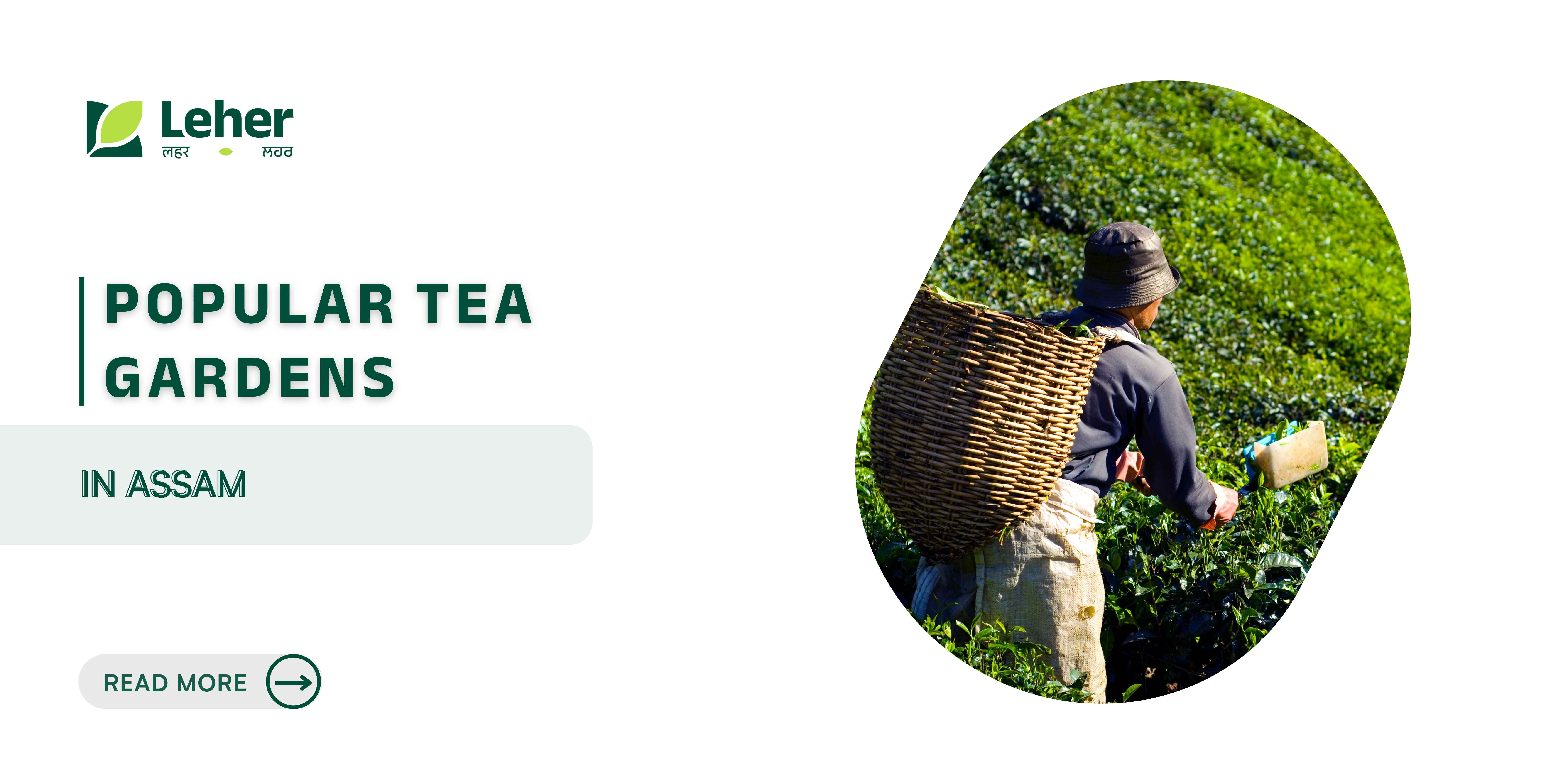
You've tasted Assam tea in your morning cup, but have you walked through the endless green rows where those leaves grow? Assam’s tea gardens are living landscapes where history, culture, and agriculture intersect. From century-old colonial estates to modern luxury producers crafting high-value teas, each garden reflects the region’s legacy and global influence. The Brahmaputra valley’s climate gives Assam tea its bold, malty character that’s recognised worldwide.
With Assam producing over half of India’s tea output, these estates remain economic pillars and biodiversity hubs. Visiting them goes beyond scenic views; you see leaves move from plucking to processing, explore heritage bungalows, taste premium teas, and understand how modern technology is reshaping traditional tea cultivation.
This guide highlights Assam’s most iconic, premium, historic, and accessible tea gardens to help you plan the experience that fits your time and interests.
Key Takeaways
Assam is India’s largest tea-producing region: Assam accounts for more than half of the country’s reported tea output, making it the dominant tea-growing area in India.
Assam tea is a major export contributor: Assam’s tea forms a significant share of India’s tea exports, with the state regularly accounting for over 50% of the total export volume.
Assam teas are highly esteemed: Distinctive Assam orthodox teas are recognised for their rich flavour and brightness, contributing to the global reputation of Indian teas.
Tea growing is a long-standing industry: The Assam tea industry dates back nearly 172 years, with extensive plantation history and continued economic importance.
Guwahati Tea Auction Centre is globally significant: GTAC in Assam is one of the busiest tea trading facilities in the world, especially for CTC tea, highlighting Assam’s role in the international tea market.
Why Assam Is India's Most Famous Tea Region
Assam's tea supremacy stems from geography, climate, and a unique indigenous tea variety that cannot be replicated elsewhere.
Unique Geography and Climate
The Brahmaputra Valley provides one of the most favourable natural environments for tea cultivation in the world. Seasonal flooding of the Brahmaputra River enriches the plains with fertile alluvial soil, creating nutrient-dense conditions that support healthy tea bushes. Regular monsoon patterns ensure consistent soil moisture, while the region’s warm temperatures and high humidity promote vigorous leaf growth throughout the growing season.
Assam’s climate is particularly well suited to Camellia sinensis var. assamica, the indigenous tea plant native to the region. This variety thrives in low-lying, humid environments and develops the strong, malty character for which Assam teas are known. The combination of soil richness, rainfall cycles, and climatic stability gives Assam tea its distinctive strength, colour, and flavour profile.
This variety was discovered in 1823 by Robert Bruce in upper Assam, growing wild in forests. Unlike the Chinese variety (Camellia sinensis var. sinensis) used in Darjeeling, the Assam plant has larger leaves, grows faster, and produces bolder flavours. The combination of this plant variety and valley climate creates Assam's signature taste profile.
What Makes Assam Tea Distinct
Assam tea leaves naturally contain more powerful plant compounds called catechins than other common tea varieties. In simple terms, this means Assam tea starts with a richer chemical base compared to Cambodian and Chinese tea plants.
These catechins, especially types like EGCG and EGC, change during tea processing when the leaves are rolled and exposed to air. They oxidise and turn into compounds that give Assam tea its signature bold body, malty depth, and brisk taste. That’s why Assam teas feel stronger and more full-flavoured in the cup, especially compared to lighter, more floral Chinese teas.
10 Largest and Most Famous Tea Gardens in Assam
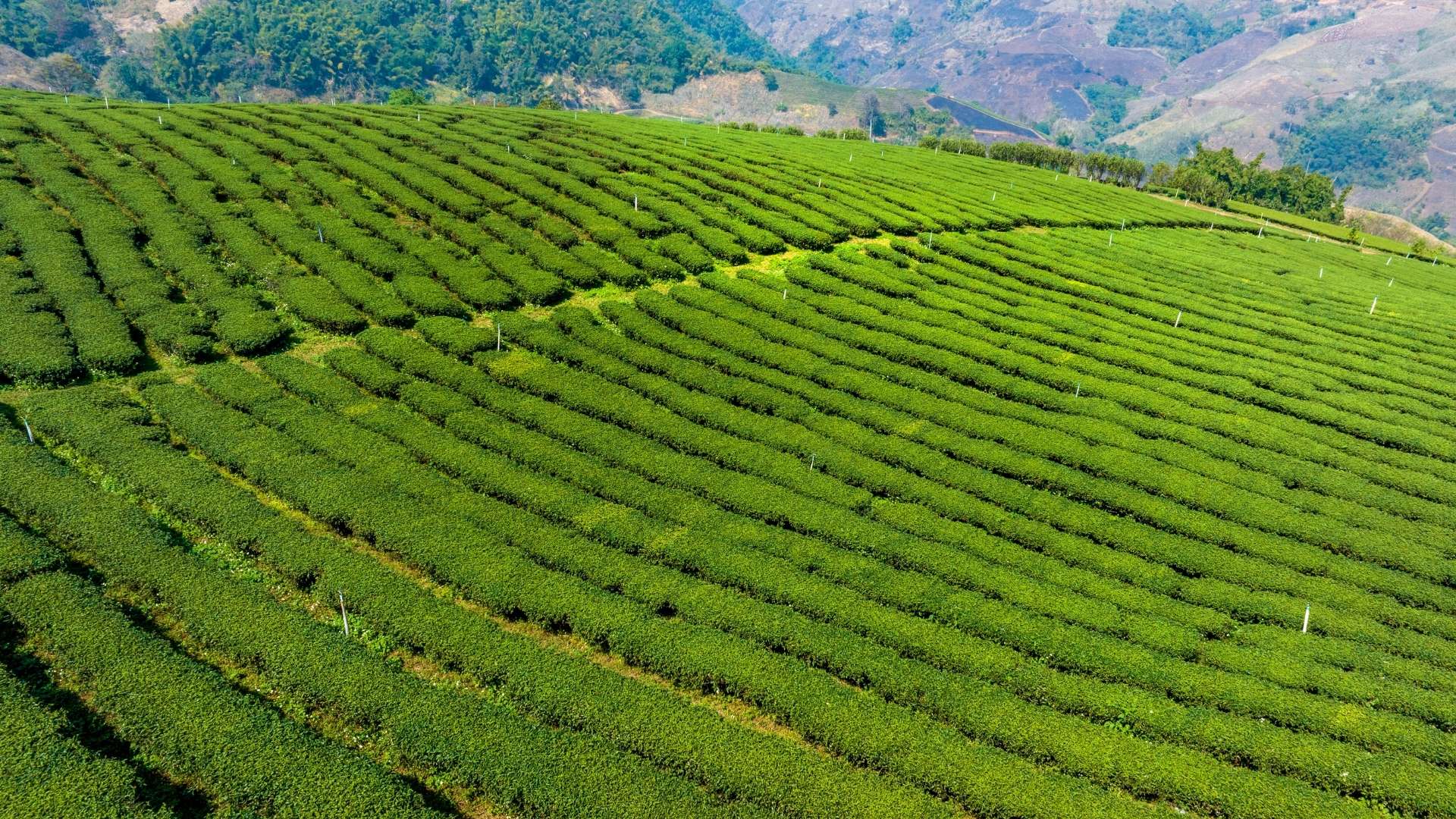
Assam’s tea gardens range from vast industrial plantations to boutique estates producing some of the world’s most prized teas. Together, they showcase the scale, heritage, and evolving sophistication of India’s tea industry.
1. Monabari Tea Estate – Asia’s Largest Tea Garden
Monabari is Asia’s largest single tea estate, spread across 1,800 hectares in Biswanath district. Established in 1876, it produces millions of kilograms annually and operates multiple factories to handle large-scale CTC production for domestic and export markets.
Visitors experience the sheer magnitude of plantation management, endless tea rows, high-volume processing, and workforce coordination, making it ideal for those curious about large-scale agricultural economics.
2. Halmari Tea Estate – Icon of Premium Assam Tea
Located in Dibrugarh, Halmari is Assam’s most celebrated premium estate, known for award-winning orthodox and CTC teas. Its golden-tipped orthodox teas command top prices and are prized for malty depth balanced with honeyed smoothness.
Factory tours and curated tastings reveal how precision cultivation and processing create benchmark Assam teas. Many modern estates like Halmari are also adopting precision agriculture, including drone-based spraying, to protect leaf quality and reduce chemical stress.
3. Mangalam Tea Estate – Boutique Orthodox Excellence
Mangalam is a small, quality-driven estate in Jorhat, specialising in handcrafted orthodox and white teas. With limited annual output, the focus is on traditional plucking standards and slow, controlled processing.
Visitors can engage closely with the craft, plucking, rolling, tasting, and understanding how boutique estates differ from industrial producers.
4. Corramore Tea Estate – Colonial-Era Legacy
Founded in 1860, Corramore is among Assam’s oldest estates. It retains colonial bungalows, vintage machinery, and archival records documenting over 160 years of tea cultivation.
Tours combine tea processing demonstrations with insights into colonial plantation life, appealing to history and heritage enthusiasts.
5. Sapoi Tea Estate – A Century-Old Family Garden
Established in 1912 and family-run for four generations, Sapoi balances tradition with experimentation. The estate produces moderate volumes, trials organic cultivation, and works with heritage tea varieties.
Guests can stay on the estate, share meals with the family, and experience daily plantation life, offering rare insight into generational tea stewardship.
6. Nagrijuli Tea Estate – Tea Amid Forests and Springs
Set near Assam’s forested foothills, Nagrijuli blends tea cultivation with rich biodiversity. Old seed-grown bushes produce distinctive orthodox teas, while surrounding forests host diverse birdlife and wildlife corridors.
Ideal for eco-conscious travellers, the estate highlights coexistence between tea farming and conservation.
7. Khongea Tea Estate – Classic Upper Assam Plains
Located along the Brahmaputra in Tinsukia district, Khongea represents classic upper Assam tea production. Flat plains and river-influenced microclimates support robust CTC teas widely used in breakfast blends.
Simple factory tours focus on production scale and efficiency rather than luxury, offering an authentic look at working plantations.
8. Manohari Tea Estate – Home of Manohari Gold
Manohari is renowned for producing India’s most expensive tea, Manohari Gold. Crafted in extremely limited quantities using hand-plucked spring buds, the tea is prized for its refined texture and layered flavours.
Exclusive tastings explain how meticulous handling and timing elevate select batches into luxury teas.
9. Amchong Tea Estate – Guwahati’s Most Accessible Garden
Just 18 km from Guwahati, Amchong is perfect for short visits. The estate offers guided walks, factory tours, and tastings without requiring multi-day travel.
While focused on CTC production, it provides a practical introduction to Assam tea cultivation for time-bound travellers.
10. Nonoi Tea Estate – A Self-Sufficient Plantation Ecosystem
Nonoi combines tea cultivation with fisheries, orchards, rice farming, and dairy operations. This diversification supports worker livelihoods and stabilises income during market fluctuations.
Visitors gain a broader perspective on plantation life, community infrastructure, and sustainable rural development beyond tea alone.
Best Time to Visit Tea Gardens in Assam
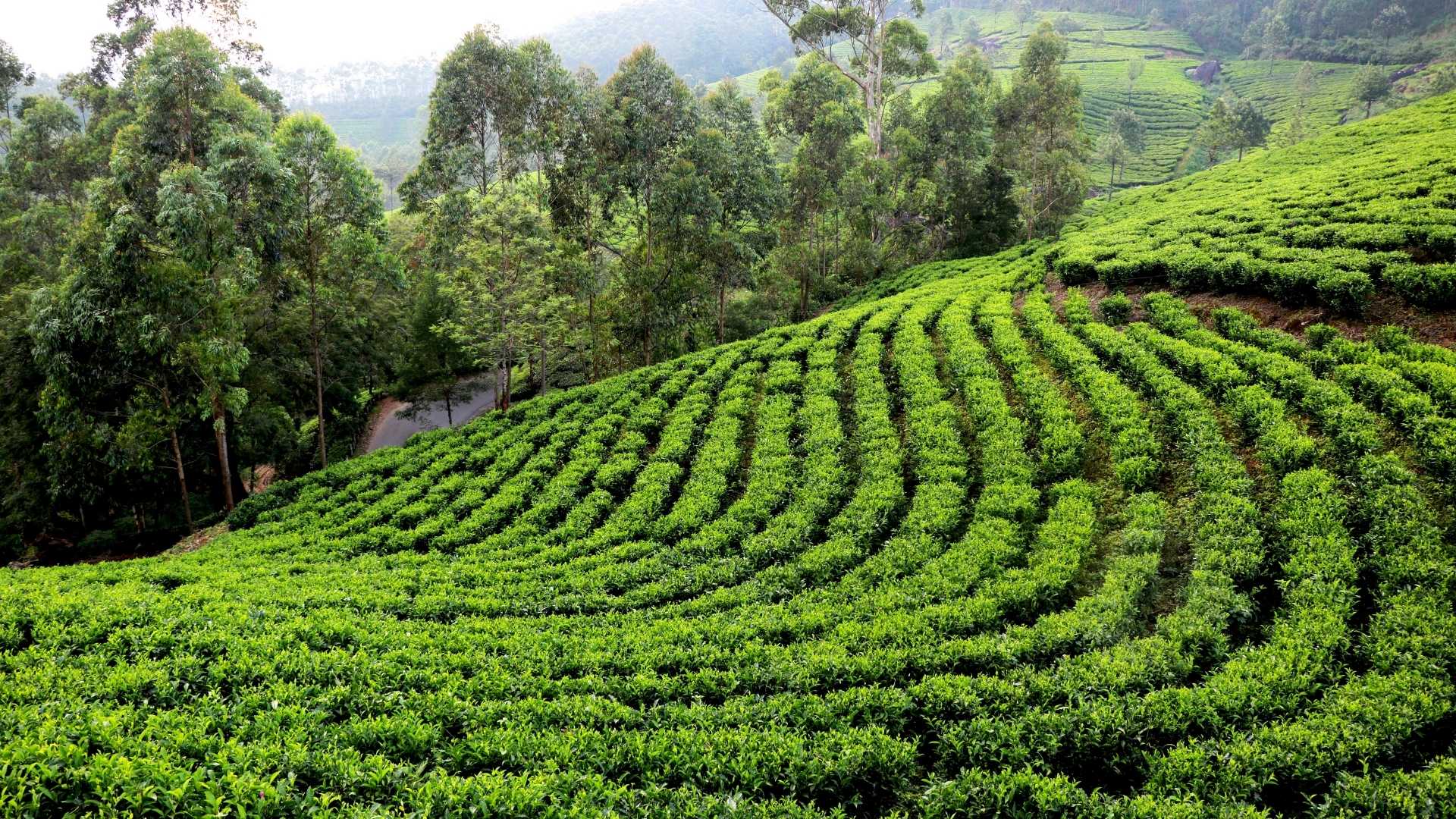
Timing your visit around flush seasons and weather enhances experiences significantly.
First Flush (March-April): Spring harvests produce the finest, most delicate Assam teas. The weather is pleasant with minimal rainfall. Plantations are most active with maximum plucking activity.
Second Flush (May-June): Produces classic Assam character, full malty strength and golden liquor. Pre-monsoon heat can be intense, but estates operate at peak capacity. This flush commands the highest auction prices.
Monsoon Flush (July-September): Heavy rainfall makes estate visits challenging. Tea quality drops significantly. Avoid unless specifically interested in off-season plantation life.
Autumn Flush (October-November): Post-monsoon weather is excellent. Tea quality improves, though not matching spring/summer flushes. Good balance of pleasant weather and reasonable tea quality.
Winter (December-February): Tea bushes are pruned and dormant. Factories operate minimally. The weather is cool and dry, comfortable for walking in plantations, but limited processing to observe.
How Technology is Transforming Traditional Tea Estates
Assam’s tea estates balance centuries-old cultivation practices with the realities of modern farming. Dense plantations face constant pressure from pests and diseases, while rising input costs and sustainability concerns demand lower chemical usage without compromising leaf quality. For premium estates, maintaining consistency and crop health is essential to preserving the character and market value of Assam tea.
Precision agriculture is reshaping how these challenges are addressed. Drone-based spraying is replacing manual and tractor methods that cause uneven application, chemical drift, soil compaction, and access limitations on sloped terrain.
Leher supports tea plantations across India with precision drone spraying services that combine speed, accuracy, and safety. Explore Leher's Drone Partner Programme and start earning from drone spraying without buying equipment. Connect with farmers needing services while we handle training, certification support, and booking management. Book a free demo call today.
Download the Leher App (Google Play, Apple Store) or join the Drone Partner Program to build your agri business.
FAQs About Tea Gardens in Assam
1. Which is the largest tea garden in Assam?
Monabari Tea Estate in Biswanath district is the largest tea garden in Assam and Asia. Established during the British era, it showcases large-scale tea cultivation with vast plantations and multiple processing units operating during peak seasons.
2. Can tourists stay inside tea estates?
Yes. Several tea estates in Assam offer plantation stays ranging from heritage bungalows to luxury cottages. These stays usually include meals, guided estate walks, and factory visits, giving visitors an immersive tea-garden experience.
3. Are tea factory tours allowed?
Most tea estates allow factory tours by prior appointment during the production season. Visitors can observe key steps of tea making and, at some estates, participate in guided tastings. Some areas may restrict photography.
4. What is the best season to visit Assam tea gardens?
The best time to visit is between March and May, when tea plucking is active, and the weather is pleasant. October and November are also good options after the monsoon, while heavy rains make visits difficult during the peak monsoon months.
5. Are tea gardens accessible from Guwahati?
Yes. Amchong Tea Estate is close to Guwahati and ideal for a short visit. Other major estates are located in Upper Assam and are best reached via a short flight to Dibrugarh, followed by road travel, making them suitable for longer trips.
Let’s Grow Together!
Interested in drone spraying solutions? Connect with us today.