Drone Farm Safety: Key Concerns and Tips
You've invested ₹3-10 lakh in an agricultural drone to modernise your farming operations. The technology promises 30-50% chemical savings, faster coverage, and better yields. But one careless flight could destroy that investment, or worse, harm people, livestock, or neighbouring farms.
Safe drone operations protect four critical assets: your expensive equipment, your legal standing and certifications, people and animals on your farm and surrounding properties, and your reputation as a responsible operator.
This guide covers regulatory compliance, pre-flight safety checks, operational hazards, and emergency procedures, giving you the knowledge to operate agricultural drones safely while maximising their benefits.
Key Takeaways
Precision reduces waste: Agricultural drones enable targeted, GPS-guided spraying that minimizes overuse of chemicals and water. By applying inputs only where needed, drones help reduce runoff, drift, and unnecessary exposure to crops and soil.
Efficiency supports large-scale operations: Drone-based spraying allows farmers to cover fields quickly and consistently, making it suitable for plantations and large farms where uniform application and time efficiency are critical.
Labour dependence is reduced: Drone spraying significantly lowers reliance on manual labour compared to backpack or tractor-based methods, helping farmers manage operations amid ongoing farm labour shortages.
Challenging terrain becomes accessible: Drones can operate over uneven land, slopes, waterlogged fields, and narrow plots that are difficult or unsafe for traditional equipment, while also preventing soil compaction and crop damage.
Regulatory compliance is essential: Drone operations in agriculture must comply with Indian aviation and pesticide regulations. Operators are required to follow DGCA rules, register drones on the Digital Sky platform, and use only approved agrochemicals in accordance with Central Insecticides Board guidelines.
Understanding Drone Safety Regulations in India
Operating agricultural drones in India requires strict compliance with aviation and chemical-use regulations. Failing to follow these rules can lead to fines, equipment seizure, or suspension of operations, making regulatory awareness essential for any commercial drone operator.
DGCA certification and registration form the foundation. Most spraying drones fall under the Small or Medium category, requiring a valid Remote Pilot Certificate (RPC) obtained through DGCA-approved training centres. Drones above 250 grams must be registered on the Digital Sky platform to receive a Unique Identification Number (UIN), and commercial operators need additional permits. India enforces NPNT (No Permission, No Takeoff) through firmware, meaning drones cannot fly in restricted airspace without digital clearance.
Chemical application rules are governed separately by the Central Insecticides Board. Only approved formulations can be sprayed by drones, and operators must follow crop-specific SOPs covering dosage, weather conditions, and safety buffers near homes and water bodies. District authorities usually require advance notification before spraying to verify compliance.
Airspace restrictions and record-keeping complete the framework. India’s green, yellow, and red zones determine where drones can operate, with sensitive areas strictly off-limits without special clearance. Operators must maintain detailed flight logs, which are subject to audits. Staying compliant not only avoids penalties but also builds credibility with farmers, FPOs, and government programs that work only with certified operators.
Pre-Flight Safety Checks and Equipment Inspection
Thorough pre-flight checks are essential for safe and reliable drone spraying. A systematic inspection before every mission reduces the risk of crashes, equipment damage, and unsafe chemical release, protecting both your investment and people on the ground.
Battery and power systems: These deserve the closest attention. Inspect batteries for swelling, cracks, or terminal corrosion before each flight, and avoid operating them in extreme heat or cold. Monitor charge health regularly and replace degraded batteries early. Store batteries partially charged when not in use and never charge them unattended or near flammable materials.
Airframe, motors, and navigation systems: Check propellers for cracks or looseness and ensure all fasteners are secure. Inspect motors for unusual resistance or noise and follow lubrication schedules. Before takeoff, confirm a strong GPS lock and calibrate the compass or IMU when flying in new locations or after transport. Terrain-following sensors should be calibrated to maintain consistent spray height on uneven fields.
Spray systems should be tested with water before loading chemicals: Inspect tanks and seals for leaks, clean and flush nozzles, and verify flow rates and pump pressure match specifications. Consistent pressure and unclogged nozzles ensure uniform application and prevent costly rework. While checklists may feel repetitive, disciplined pre-flight inspections significantly reduce failures and downtime during peak spraying seasons.
Want these safety checks handled by trained professionals? Leher connects you with certified drone operators who follow strict pre-flight inspection protocols on every mission, from battery health and sensor calibration to spray system testing. Book a demo today.
Weather Conditions and Environmental Hazards
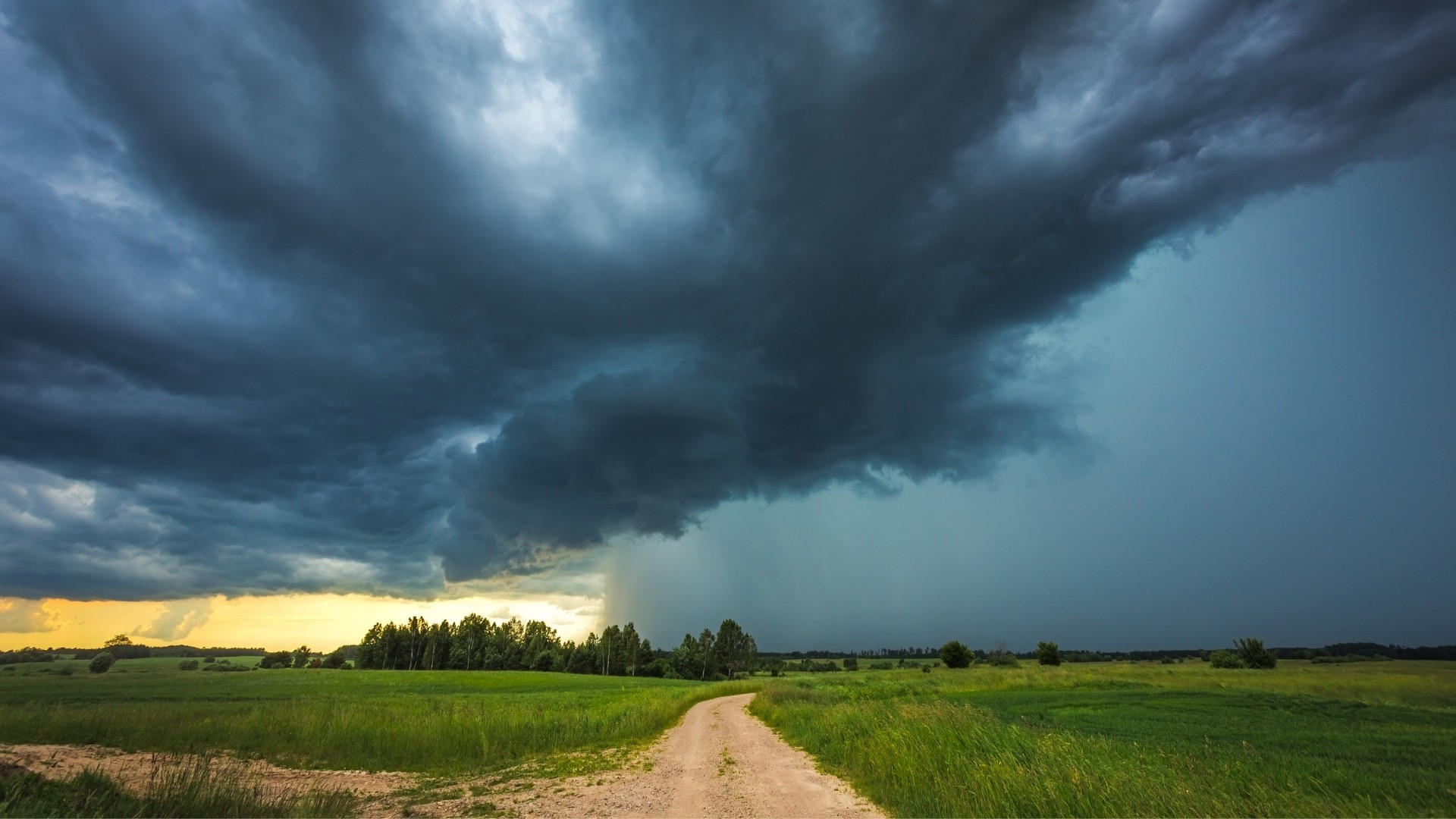
Weather plays a decisive role in whether drone spraying is effective, safe, and legally compliant. Spraying in poor conditions leads to chemical drift, wasted inputs, crop damage, and potential liability, making weather checks a non-negotiable part of every operation.
Wind, temperature, and humidity: Operate only in low-wind conditions, ideally during calm mornings or late afternoons, and always spray with the wind blowing away from homes, water bodies, and sensitive crops. Moderate temperatures and balanced humidity help droplets stay intact long enough to coat leaves properly, while extreme heat, very dry air, or temperature inversions increase evaporation and off-target drift.
Rain and visibility risks: Avoid spraying if rain is expected soon, as it washes chemicals off before they take effect. Thunderstorms, lightning, fog, or poor visibility ground operations entirely, as safe flight and visual line-of-sight are mandatory. Even water-resistant drones should not fly in active rainfall or unstable weather.
Terrain and obstacles add another layer of risk: Power lines, trees, buildings, and uneven ground require advanced field surveys and cautious flight planning. Terrain-following modes help maintain consistent spray height on slopes, while obstacle awareness, supported by sensors and visual checks, prevents collisions. Taking a few minutes to assess the weather and surroundings protects crops, equipment, and your business from costly mistakes.
Chemical Handling and Human Safety
Pesticides and fertilisers are effective but hazardous if handled carelessly. Following strict safety protocols protects operators, bystanders, and the long-term viability of your operations.
Personal Protective Equipment (PPE)
Always use PPE when mixing or loading chemicals. Chemical-resistant gloves, eye protection, aprons, and appropriate respirators reduce skin contact, inhalation, and splash risks. Even low-toxicity products can cause harm through repeated exposure, so PPE should be non-negotiable. Remove gear carefully after use, wash hands thoroughly, and keep contaminated clothing separate from household laundry.
Mixing and Loading Safety
Mix chemicals only in open, well-ventilated areas. Add chemicals to partially filled tanks to reduce splashing and improve dilution. Never eat, drink, or smoke during handling. Closed filling systems and sealed couplings significantly reduce spill and contact risks. If exposure occurs, such as splashes to the eyes or sudden illness, stop work immediately and seek medical help with the product label on hand.
Safe Storage and Disposal
Store chemicals in original, labelled containers in locked, cool, and dry spaces away from living areas. Never transfer products into unmarked bottles. Dispose of containers responsibly by triple-rinsing, puncturing to prevent reuse, and following local hazardous waste guidelines.
Bystander Safety and Buffer Zones
Do not spray near people without notice or consent. Inform workers, neighbours, and local authorities before operations. Maintain buffer zones around water bodies, homes, schools, and organic farms. Take extra care around livestock, as low-flying drones can cause panic and injury.
Operational Safety During Flights
Safe flight practices once the drone is airborne prevent most accidents and equipment losses.
Visual Line of Sight Requirements
DGCA rules require maintaining a direct visual line of sight at all times. Do not rely solely on camera feeds. If the drone moves out of sight, activate return-to-home immediately to avoid collisions or loss of control.
Altitude Management
Keep flights within permitted altitude limits and maintain consistent spray height close to the crop canopy. Flying too high increases drift, while flying too low raises collision risks. Terrain-following systems help maintain safe, uniform clearance on uneven land.
Battery Management During Operations
Plan flights to land with a safety buffer of battery charge. Monitor battery performance closely, especially in hot or windy conditions, and keep spare batteries ready to avoid rushed or unsafe landings.
Emergency Procedures
Be prepared for signal loss, compass errors, or mechanical failures. Practice emergency landings in advance and know how your drone behaves in manual or degraded modes. If a crash occurs during spraying, approach cautiously with PPE, secure the area, and prevent exposure to spilt chemicals or damaged batteries.
Livestock and Animal Safety
Animals can react unpredictably to drones, so safeguarding livestock and wildlife is as important as protecting crops.
Preventing Livestock Disturbance
Low-flying drones can startle cattle, horses, and buffalo, leading to panic, injuries, or fence damage. Always inform livestock owners before spraying near pastures and schedule flights when animals are moved away. If flying near livestock is unavoidable, increase altitude over non-crop edges to reduce noise and visual stress.
Protecting Poultry and Small Animals
Poultry are highly sensitive to aerial disturbance and may injure themselves if alarmed. Maintain distance from free-range poultry areas and notify owners in advance. Beehives require wide buffer zones, as both chemicals and drone noise disrupt colonies. In sericulture regions, identify nearby mulberry farms and coordinate spraying to avoid harming silkworms.
Wildlife Considerations
Near forests or reserves, drones may provoke aggressive reactions from birds or disturb larger wildlife. Avoid nesting seasons and land immediately if birds approach the drone. Operations in wildlife-prone areas should be coordinated with local authorities and experienced operators familiar with regional patterns.
Insurance and Liability Protection
Insurance is essential to protect against financial risks that can far exceed the cost of the drone itself.
Equipment Insurance
Hull insurance covers repair or replacement from crashes, fire, theft, or technical failure. Policies vary by coverage limits and deductibles, so review exclusions carefully, especially those related to weather or regulatory violations.
Third-Party Liability Insurance
This covers damage to neighbouring crops, property, or injuries caused by crashes or chemical drift. It is often more critical than equipment cover, as liability claims can be substantial. Adequate coverage protects you from personal financial loss and legal expenses.
Regulatory Insurance Requirements
While not universally mandatory yet, insurance is increasingly required for commercial operations, government contracts, and FPO partnerships. Many training centres and agribusiness clients expect proof of coverage before engagement.
Insurance may feel like an added cost, but it is a fundamental safeguard for operating drones responsibly and sustainably.
Maintenance and Long-Term Safety
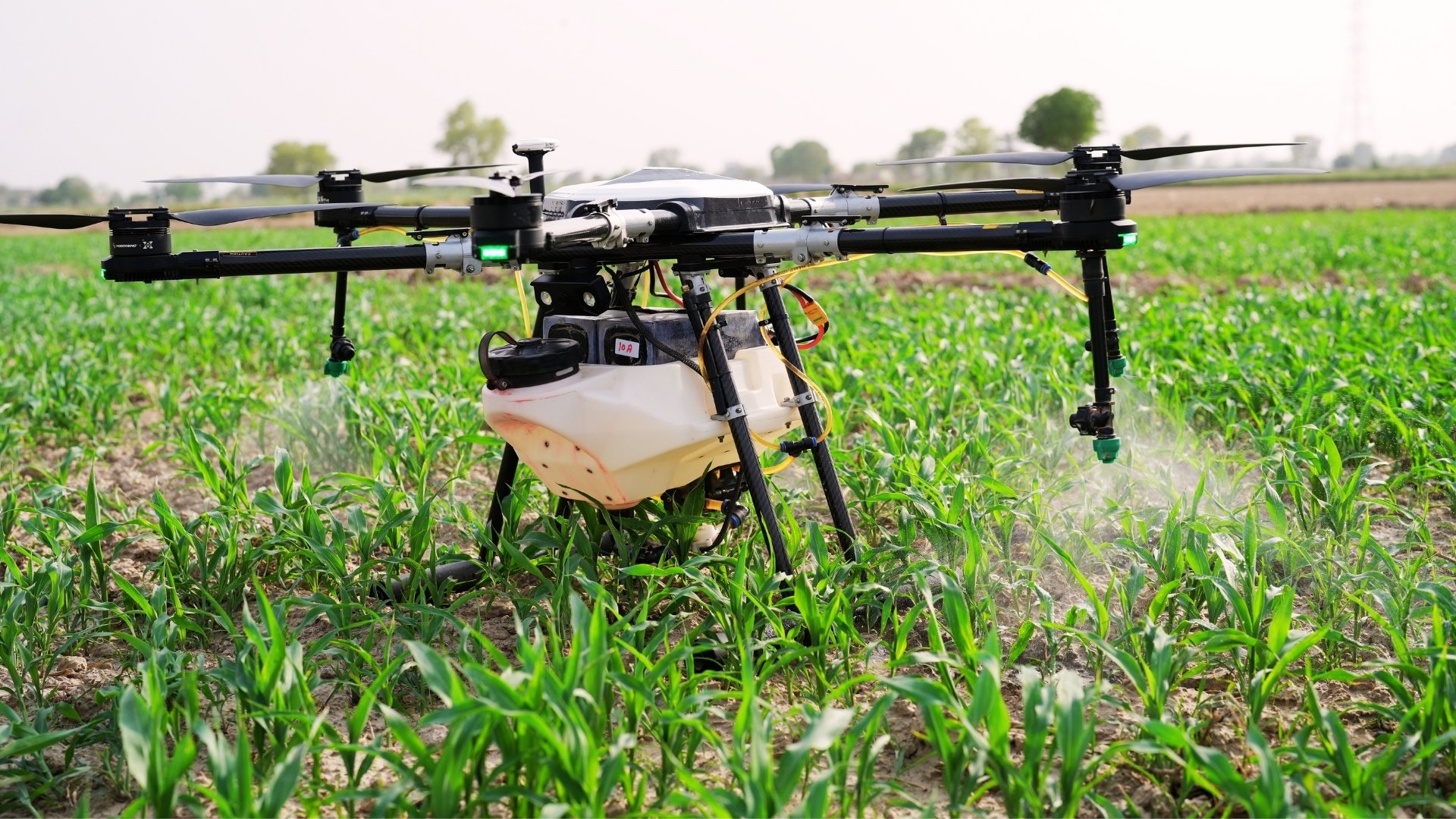
Consistent maintenance is what keeps an agricultural drone safe, reliable, and productive over its full working life rather than turning into a risk after a short period of use.
Scheduled Maintenance Requirements
Always follow the manufacturer’s maintenance schedule. Routine tasks include cleaning tanks and nozzles after flights, inspecting propellers and motors regularly, lubricating bearings at defined intervals, and arranging periodic professional inspections for electronics and frame integrity. Maintain clear service records—these support audits, warranty claims, and insurance coverage while helping you anticipate part replacements before failures occur.
Firmware and Software Updates
Firmware updates improve flight stability, safety features, and system reliability. Install updates promptly and test them before peak spray periods. Keeping flight apps, controllers, and planning software current reduces the risk of preventable malfunctions during operations.
Parts Replacement Timing
Replace critical components proactively. Worn propellers, degraded batteries, aging motors, and tired spray-system parts should be changed before performance drops or failures occur. Annual structural inspections help detect stress damage early, preventing sudden breakdowns in the field.
Training and Skill Development
Certification is only the starting point. Regular refresher courses, manufacturer workshops, and hands-on emergency drills build confidence and decision-making skills. Engaging with other drone operators also helps you learn from shared experiences and improve safety practices.
Long-term safety comes from discipline. Well-maintained drones and well-trained operators reduce accidents, protect people and crops, and keep operations compliant and dependable.
How Technology Improves Agricultural Drone Safety
Advances in drone technology have made agricultural spraying safer by reducing manual errors and adding multiple layers of automated protection. Modern drones use redundant GPS and sensor systems to maintain stable positioning, while obstacle-avoidance technologies help prevent collisions in complex farm environments. Automated flight planning further lowers risk by calculating efficient routes and maintaining consistent coverage without constant manual control.
Real-time monitoring adds another safety layer. Drones now track battery health, motor temperatures, and spray flow during operations, alerting operators to issues before they become failures. These systems reduce fatigue-related mistakes and help ensure problems are corrected immediately, not after damage occurs.
Leher brings these safety benefits to farmers by pairing advanced technology with trained professionals. Every operation is handled by certified pilots who follow strict safety, compliance, and maintenance protocols, so farmers get results without taking on operational risk.
Why Leher stands out
Network of certified, safety-trained drone operators
Verified compliance, insurance, and operator credentials
Precision spray technology with real-time monitoring
Transparent booking and service tracking
Zero ownership or maintenance burden for farmers
Ready to access safe, professional agricultural drone services without the safety risks of DIY operations? Leher connects you with certified operators who prioritise safety while delivering efficient crop spraying.
Download the Leher app from Google Play or Apple Store to book services or join our drone partner network as a trained operator.
FAQs About Drone Farm Safety
1. What licenses are required to operate agricultural drones in India?
You need a DGCA Remote Pilot Certificate (RPC) obtained through 5-7 days of training at approved RPTOs. Your drone must be registered on Digital Sky with a Unique Identification Number (UIN). For commercial chemical spraying, you also need an operator permit (UAOP) and must use only Central Insecticides Board-approved chemicals.
2. How close can drones fly to people and livestock?
Under DGCA rules, drones must maintain a safe separation from uninvolved people unless prior consent is obtained. Extra caution is required around livestock, as animals can react unpredictably to drone noise and movement. Operators should maintain adequate distance, inform livestock owners before spraying, and avoid flying near animals whenever possible, especially during active grazing.
3. What should I do if my drone crashes during spraying operations?
Approach crashed drones cautiously, wearing full PPE; damaged batteries may catch fire, and ruptured chemical tanks may spill concentrated pesticides. Secure the area, preventing people and animals from contact with spilt chemicals. Disconnect batteries if safe to do so. Document the crash scene with photos for insurance claims.
4. Is drone insurance mandatory for agricultural operations?
While not yet mandatory for all drone categories, insurance is strongly recommended and increasingly required. Many states require insurance for commercial chemical application. Government contracts and FPO partnerships require proof of insurance. Without insurance, you personally pay all accident costs, including crop damage claims, property damage, and injury compensation.
5. What weather conditions are unsafe for agricultural drone operations?
Agricultural drone operations are unsafe during strong winds, rain, fog, or thunderstorms, as these conditions affect stability, control, and visual line-of-sight required under India’s Drone Rules, 2021 (DGCA). Low visibility and precipitation risk collisions and electronic damage, while extreme heat or cold can impair battery performance and flight reliability. DGCA and Ministry of Agriculture SOPs advise suspending flights whenever weather compromises safe control or visibility.
Let’s Grow Together!
Interested in drone spraying solutions? Connect with us today.