Rubber Plantation in India: A Practical Guide for Modern, Scalable Farming
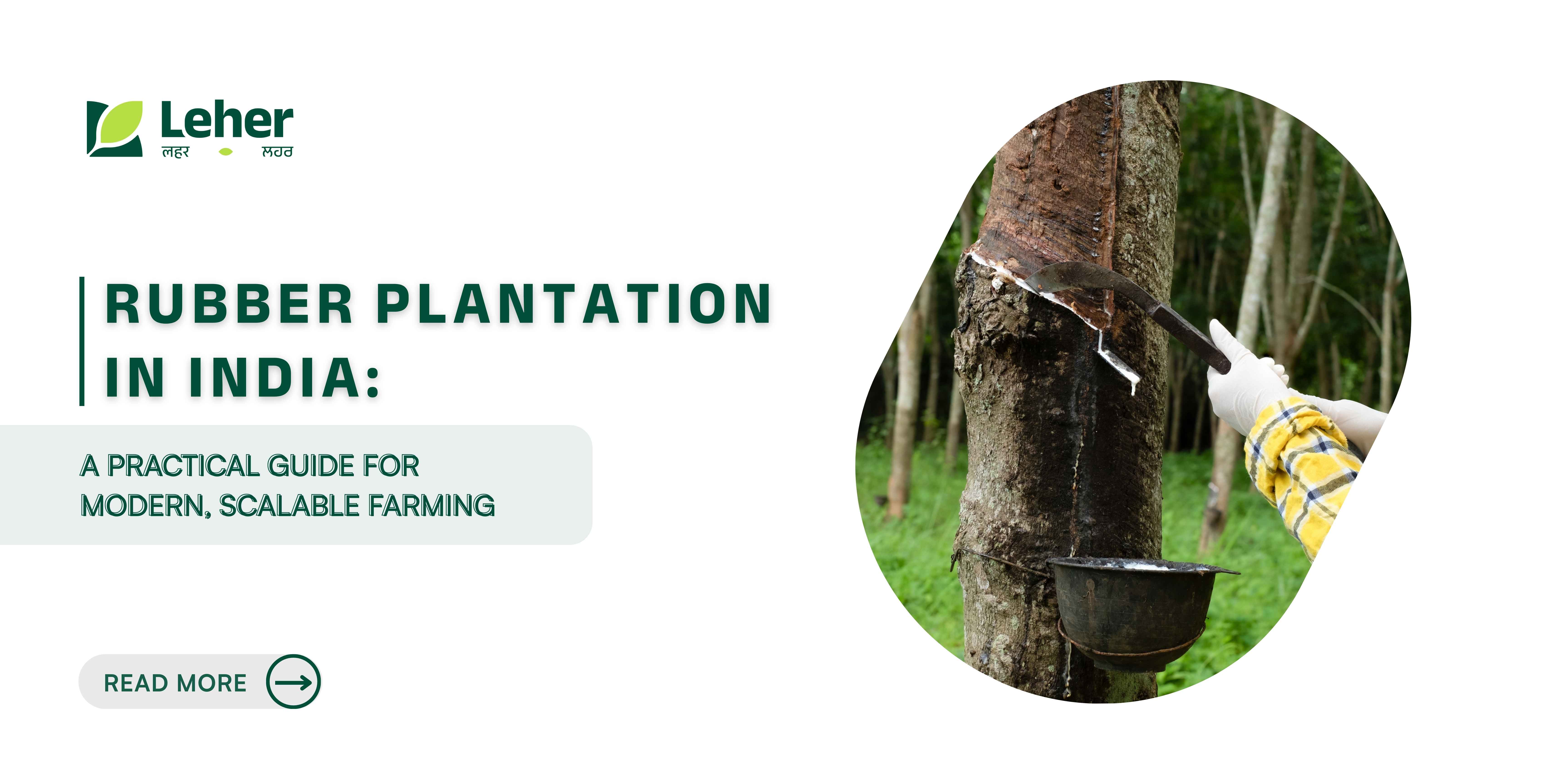
India’s natural rubber industry is growing rapidly, driven by rising demand from the tyre, automotive, medical, and manufacturing sectors. With national consumption projected to reach 3.6 million tonnes by 2030, rubber plantations are under increasing pressure to produce more from limited land and workforce resources.
For plantation owners and estate managers, this growth brings real challenges, including labor shortages, rising input costs, pest pressure, and inconsistent yields across large estates. Traditional farming methods are no longer enough to meet industrial-scale demand, making modern plantation management and precision farming tools a necessity rather than a choice.
In this blog, you will explore how modern rubber plantation management is transforming and how precision farming tools are improving productivity, consistency, and large-scale farm operations.
Key Takeaways
Strategic Industrial Crop: Rubber plantations are becoming a strategic commercial crop for India’s industrial economy.
Agro-Climatic Foundations: Climate, soil, and regional selection directly influence long-term latex productivity.
Core Production Risks: Pests, labour shortages, and price volatility remain major operational risks.
Need for Precision Farming: Precision agriculture is now essential for scalable plantation management.
Drone-Driven Efficiency: Drone spraying enables faster coverage, safer operations, and uniform canopy protection.
Overview of Rubber Plantations in India
Natural rubber is native to the Amazon basin and was introduced to India’s tropical regions in the late 19th century. The Pará rubber tree (Hevea brasiliensis), the primary commercial source, forms the backbone of India’s plantation economy.
Rubber serves as a critical industrial raw material, with a significant portion used in automobile tyres and other manufacturing sectors. Modern plantations increasingly combine traditional cultivation with technology-driven solutions to enhance yield, efficiency, and sustainability.
To see how India is expanding rubber production, let’s first look at the key growing regions and the conditions that make them suitable for rubber production. We will then examine how cultivation is spreading into new areas to meet rising demand.
Rubber Plantation in India: Regions, Growth, and Expansion
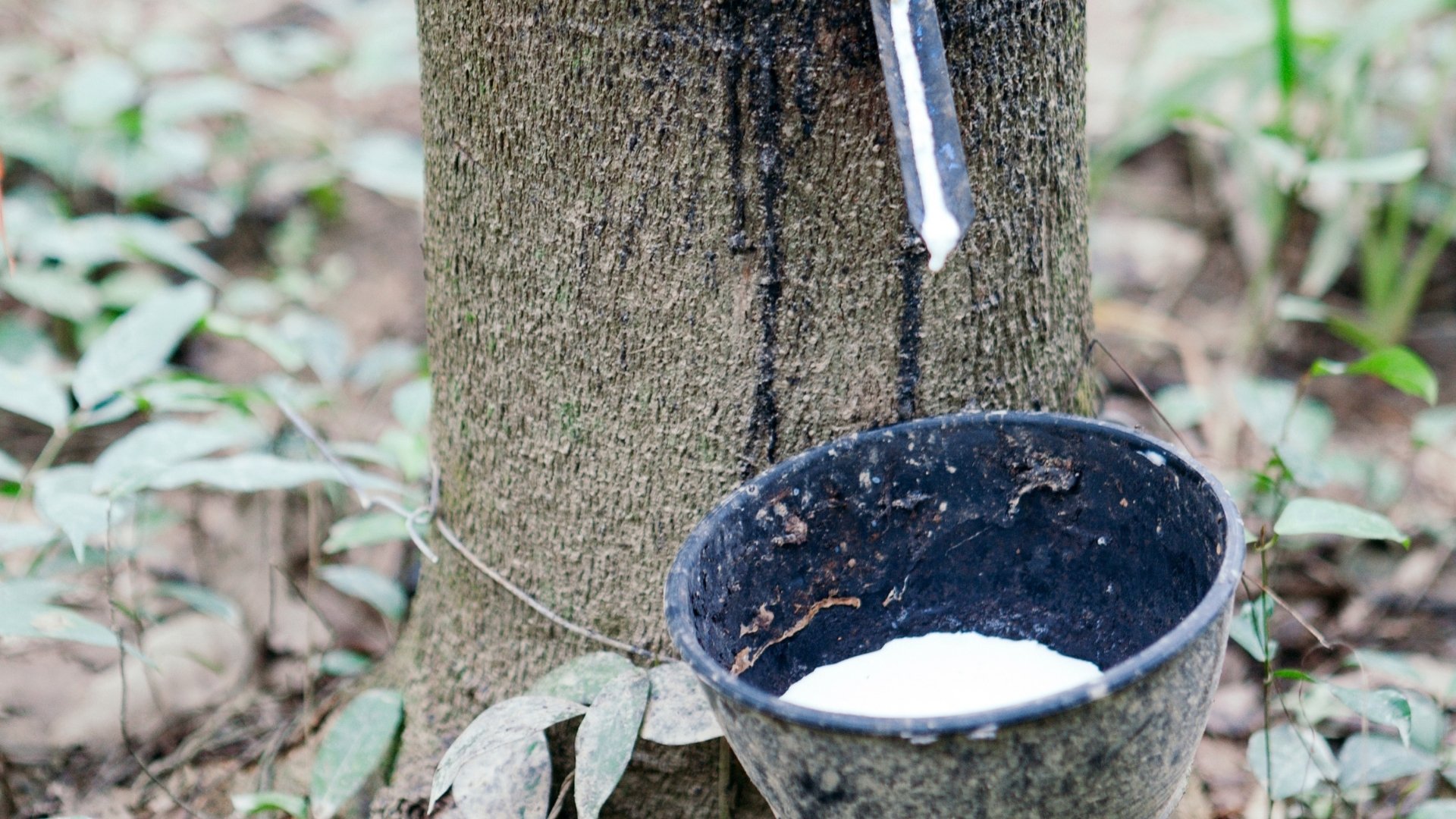
Rubber plantations in India are concentrated in regions that offer stable climatic conditions, suitable soils, and long-term growth potential. The crop is highly sensitive to temperature, rainfall, and drainage, making regional selection critical for sustained latex production.
1. Growing Conditions
In India, successful rubber plantations depend on a stable agro-climatic environment that supports long-term tree health and consistent latex production.
For optimal growth and productivity, rubber plantations require:
Temperature: A warm climate between 25°C and 35°C
Rainfall: Annual rainfall ranging from 2,000 mm to 3,000 mm
Soil Type: Well-drained loamy soils rich in organic matter
Soil pH: Slightly acidic soil with a pH between 4.5 and 6.0
These conditions promote strong root development, steady canopy growth, and reliable latex yield across a productive plantation lifespan of 25 years or more.
2. Major Rubber Plantation Regions
Rubber cultivation in India is concentrated in areas that combine ideal climate, rainfall, and soil conditions, while new regions are emerging to meet growing demand:
Kerala: The largest rubber-producing state, Kerala accounts for the majority of India’s latex output, with plantations spread across districts like Kottayam and Idukki.
Kanyakumari, Tamil Nadu: This southern district contributes significantly to national production, benefiting from fertile soil and steady monsoon rains.
Malnad, Karnataka: An emerging belt where smallholder and commercial plantations are expanding, supported by government initiatives and favourable agro-climatic conditions.
Tripura, North East: The leading rubber-producing state in the region, has rapidly expanded plantations to diversify cultivation beyond traditional southern belts.
These regions together illustrate the geographic diversity of rubber cultivation in India and highlight both established hubs and areas with growth potential.
3. Expansion into New Regions
To reduce import dependence and strengthen domestic supply, rubber cultivation is being strategically expanded into non-traditional areas through coordinated development programmes:
Northeastern States: Assam, Meghalaya, Manipur, Mizoram, Nagaland, Arunachal Pradesh, and Tripura are seeing targeted plantation initiatives to utilise suitable climate and untapped land. These regions now contribute around 17.5% of India’s domestic rubber output.
West Bengal: Selected districts are being developed for estate-scale plantations, diversifying cultivation beyond southern India.
Public-Private Collaboration: Expansion is supported by joint investments from the Rubber Board, the ATMA, and corporate stakeholders, ensuring sustainable, scalable plantation growth.
These efforts aim to broaden India’s rubber production footprint while creating new income opportunities for farmers and corporate estates.
4. Institutional Support and Development Programmes
Rubber plantation expansion in India is supported by coordinated institutional initiatives that ensure structured growth, sustainability, and long-term viability:
Rubber Board of India: Acts as the nodal authority for policy guidance, technical support, and plantation regulation.
INROAD (Indian Natural Rubber Operations for Assisted Development) Programme: The Indian Natural Rubber Operations for Assisted Development, led by Automotive Tyre Manufacturers’ Association (ATMA), drives plantation development across multiple districts.
Multi-District Development: Focuses on terrain management, soil conservation, and erosion control to enable safe and productive plantations.
These efforts are transforming rubber cultivation into a pan-India commercial crop, opening opportunities for corporate estates, agribusiness firms, and large-scale growers while ensuring sustainable and profitable operations.
With their growing presence across India, rubber plantations are becoming central to local communities and the broader economy. Let’s explore their economic and social impact.
Why Rubber Plantations Matter: Economic & Social Impact
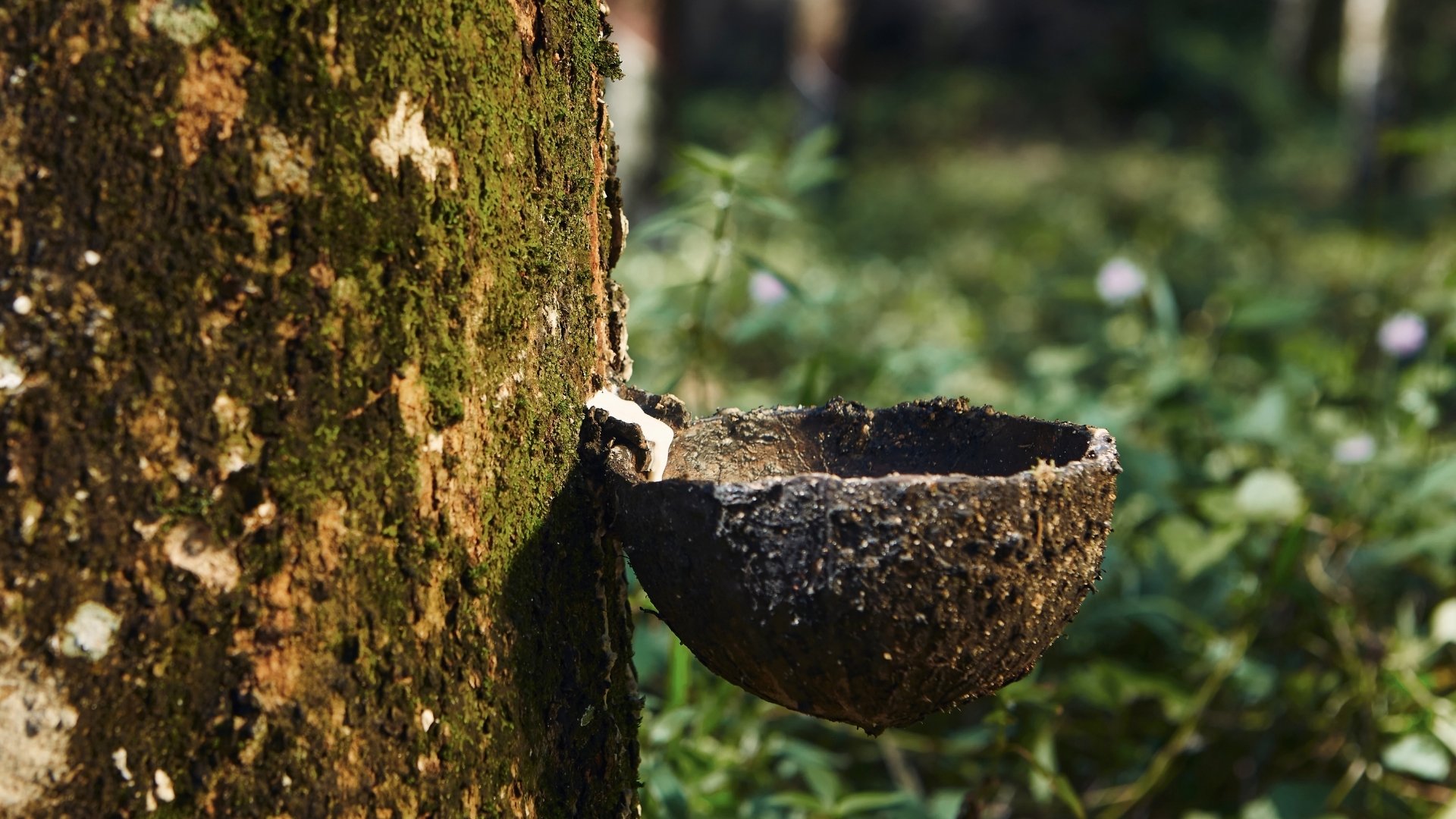
Rubber cultivation in India is a critical driver of rural livelihoods, industrial growth, and global trade. Beyond providing raw materials, it supports millions of families, fuels key industries, and positions India as a significant player in the international rubber market.
Economic Contribution
Rubber plantations employ a substantial rural workforce across all stages, from planting and tapping to harvesting and processing. This sector supports smallholder farmers and plantation workers, providing steady income and fostering economic stability in rural regions.
Foreign Exchange Earnings
India exports both natural rubber and processed rubber products, meeting global demand for industrial and consumer goods. Export revenues contribute to foreign currency reserves, strengthen trade balances, and enhance India’s competitiveness in global markets.
Industrial Use
Rubber is indispensable for the automotive, manufacturing, and healthcare industries, serving as a raw material for tyres, hoses, seals, and medical products. Reliable domestic production ensures industrial continuity and reduces dependency on imports.
Support for Innovation and Agritech
Modern rubber plantations increasingly integrate technology for irrigation, pest management, and yield optimisation. Precision farming and drone-based solutions help improve efficiency, reduce chemical use, and maximise latex output, creating opportunities for agritech entrepreneurs.
Socio-Economic Impact
Rubber cultivation uplifts rural communities by generating skilled employment, encouraging sustainable land use, and providing long-term investment opportunities. Well-managed plantations contribute to social development, infrastructure growth, and improved living standards.
Also Read: Precision Agriculture Definition: Benefits, Techniques
While supporting livelihoods and industry, rubber plantations must overcome pressing issues that affect output and long-term growth. Let’s examine these challenges in detail.
4 Key Challenges in Rubber Production
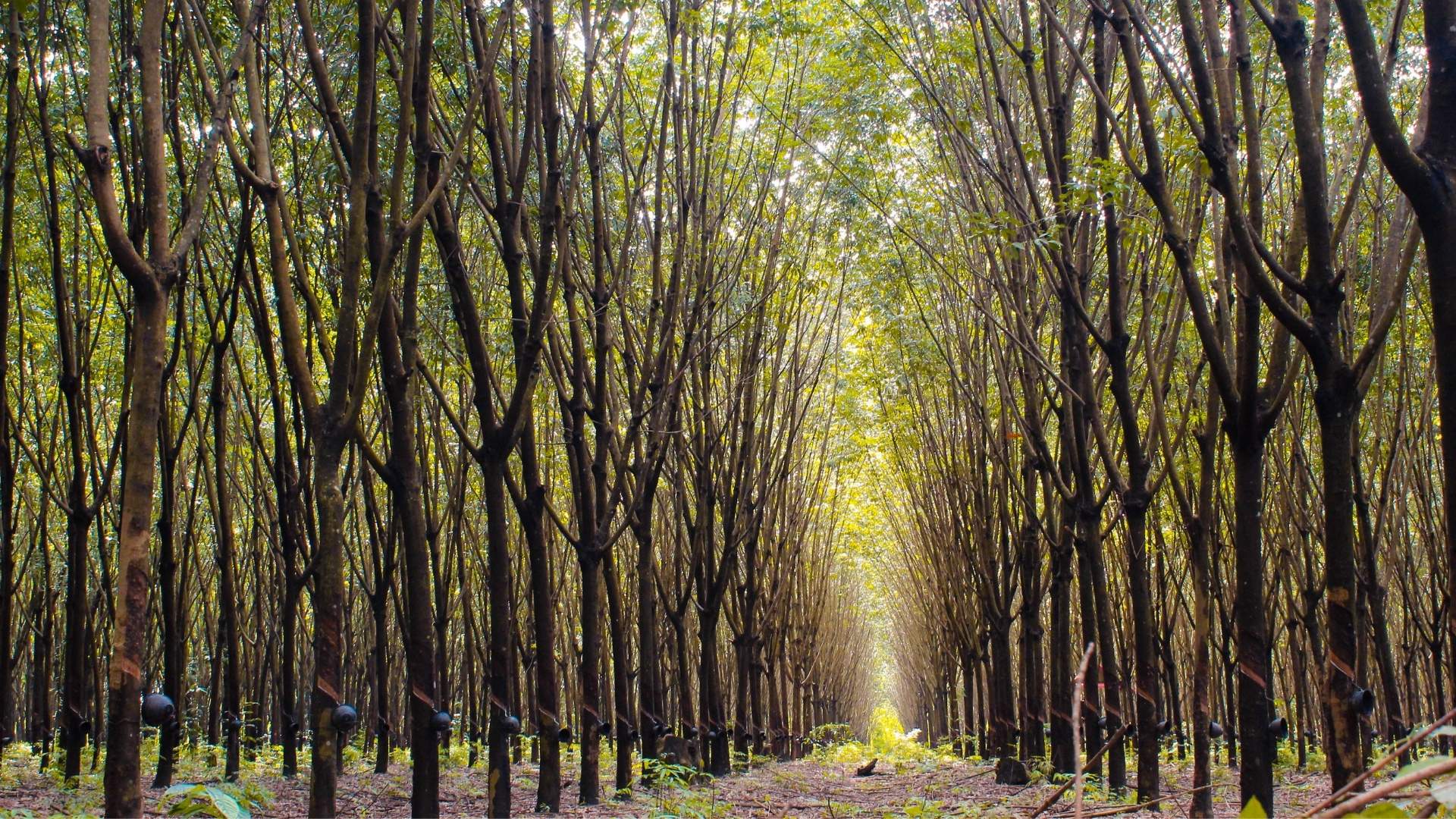
You may face challenges that affect your productivity, profitability, and long-term growth. Understanding these issues is key to planning effective interventions and adopting modern, scalable solutions. Here are a few main challenges in rubber production:
1. Pests and Diseases
Rubber trees are highly vulnerable to pests, fungi, and leaf diseases. Timely management is critical to maintain plantation health and latex yield.
Leaf and Fungal Diseases: Can reduce latex output if untreated.
Insect Infestations: Attack buds and leaves, affecting tree growth.
Mitigation Strategies: Use pesticides or disease-resistant varieties to protect trees.
2. Price Volatility
Global rubber prices are volatile, influenced by shifts in demand, supply constraints, and fluctuations in crude oil prices. This unpredictability affects farmers’ earnings and long-term planning.
Income Uncertainty: Farmers struggle to predict seasonal revenue.
Planning Challenges: Makes investment and operational decisions harder.
Market Dependence: Export and domestic demand swings impact profits.
3. Environmental Concerns
Unsustainable rubber farming practices can cause long-term ecological damage. Careful management is needed to minimise environmental risks.
Deforestation: Clearing forests reduces biodiversity and disrupts habitats.
Soil Degradation: Monoculture and excessive chemical use erode soil fertility and increase landslide risk.
Chemical Runoff: Pesticides and fertilisers can pollute rivers and water bodies, affecting aquatic life.
4. Operational Challenges
Manual plantation practices create inefficiencies and safety risks, affecting both tree health and worker wellbeing.
Uneven Chemical Coverage: Manual spraying often misses upper or inner canopy areas.
High Labour Dependency: Peak-season operations require large teams, sometimes unavailable.
Wastage and Delays: Over-spraying and slow application increase costs and risk of disease outbreaks.
Worker Safety Risks: Direct chemical exposure is hazardous during manual spraying.
To overcome these operational challenges, Leher provides drone-powered precision spraying for rubber plantations, covering up to 50 acres a day. This reduces labour, saves time, and ensures efficient, safe plantation management. Contact us to schedule your service and experience faster, safer, and more efficient rubber plantation management.
With these challenges clearly outlined, the focus now shifts to long-term strategies that can strengthen rubber plantations through innovation, sustainability, and technology-driven farm management.
Strategies for Long-Term Growth in Rubber Plantations
Sustaining and expanding rubber production in India requires innovation, planning, and modern technology. For tech-savvy farmers, corporate estates, and drone entrepreneurs, adopting efficient cultivation practices and precision tools ensures higher yield and lower environmental impact.
Innovation in Rubber Cultivation: Investing in R&D helps develop disease-resistant rubber varieties and resilient clones. It also improves yield, reduces production costs, and makes plantations more efficient.
Expanding Markets and Product Opportunities: Exploring new domestic and international markets reduces dependence on global price swings. Developing value-added products and targeting niche segments enhances competitiveness and profitability.
Eco-Friendly and Responsible Farming: Integrating agroforestry, organic farming, and responsible pesticide use protects the environment. These methods reduce deforestation, soil degradation, and water pollution while maintaining healthy plantations.
Empowering Farmers with Knowledge: Educating farmers on modern techniques and precision tools enhances productivity and income. Training also emphasises sustainable practices and efficient resource management for long-term benefits.
Policy and Institutional Backing: Subsidies, infrastructure development, and access to credit strengthen the rubber sector. Policies that stabilise income and promote research-backed initiatives enable secure, scalable growth.
Also Read: New Technology in Agriculture: Top Trends and Benefits
Building on these growth strategies, let’s see how Leher’s drone-powered solutions help rubber plantations implement efficient, scalable, and sustainable practices.
Optimize Rubber Plantation Care with Leher Drone Spraying
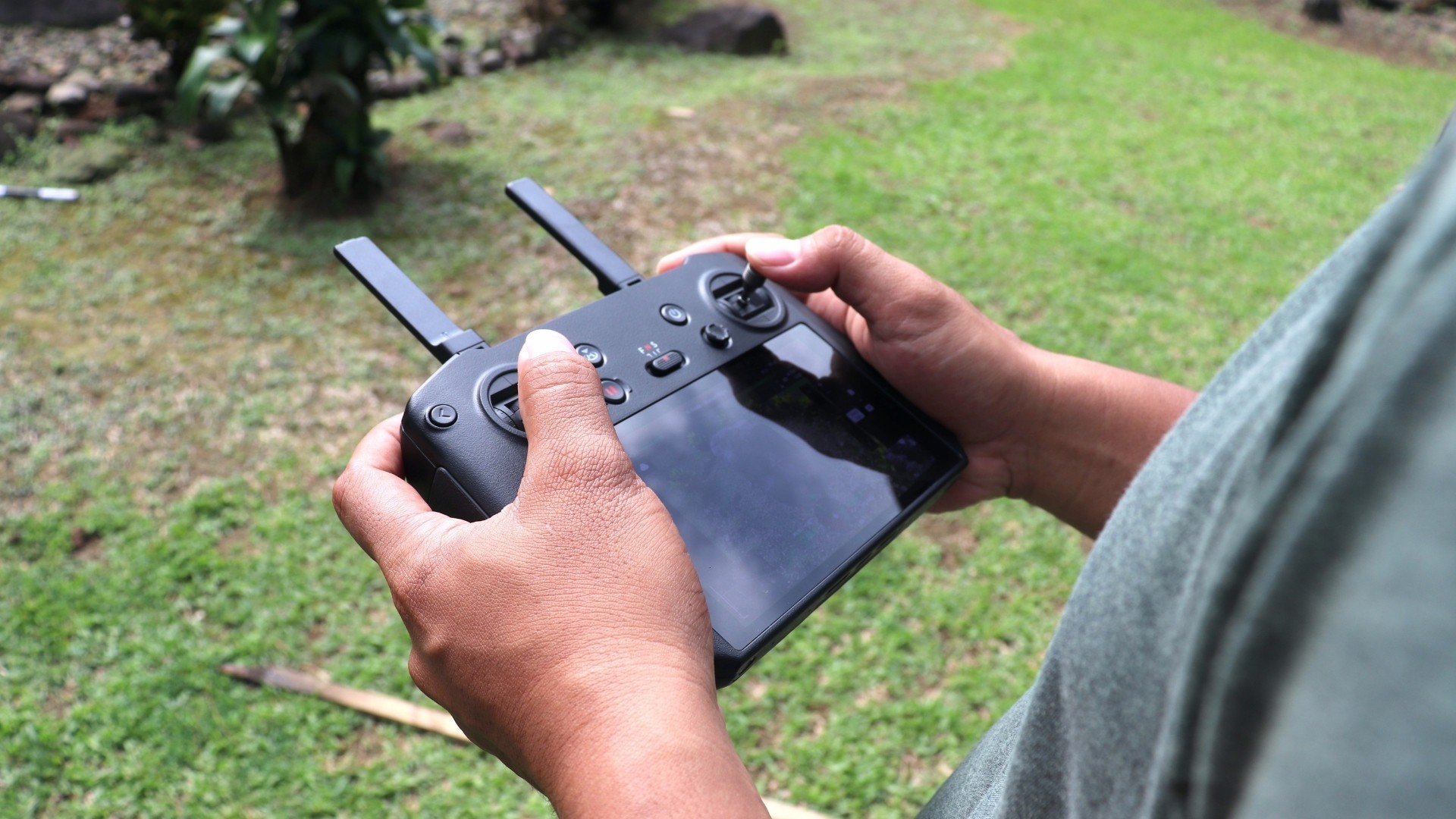
Modern rubber plantations face challenges like uneven pesticide coverage, high labour dependency, and time-consuming manual spraying. To tackle these efficiently, Leher offers drone-powered precision spraying solutions tailored for tech-savvy farmers, corporate estates, and drone entrepreneurs.
Here are a few key benefits of Leher drone spraying:
Precision Application: Drones deliver uniform pesticide and nutrient coverage across the entire canopy, including upper and inner branches, reducing chemical wastage.
Time Efficiency: A single drone can spray up to 50 acres per day, completing tasks in minutes that would otherwise take hours manually.
Reduced Labour Dependency: A minimal workforce is required, lowering operational costs and addressing seasonal labour shortages.
Safe Operations: Workers avoid direct chemical exposure, enhancing safety on large estates.
Scalable Solutions: Suitable for smallholder farms (7+ acres) as well as corporate plantations spanning hundreds of acres.
Business Opportunities: Drone entrepreneurs can partner with Leher for training, certification, and long-term contracts with plantations.
Case Study: Leher’s drone spraying has covered 1,000+ hectares of rubber plantations, delivering up to 50% lower chemical residue, 50% per-hectare cost savings, and effective protection against Phytophthora. The system ensures uniform COC and spray oil coverage, reaches leaves up to 60 feet below, and completes one hectare in 10 minutes, supported by real-time spray reports through the Leher Portal.
Booking is simple: Schedule through the app, our pilot arrives and completes the spray, and payment is made only after the job is done. Protect your trees and cut chemical waste this season. Download the Leher App from Google Play or App Store today.
Final Thoughts
Rubber plantations are emerging as high-value, long-term commercial assets. With rising demand and expanding cultivation zones, modern plantation management now depends on speed, precision, and efficient operations to protect yield and profitability.
Leher empowers you with drone-powered precision spraying that saves time, cuts labor, and ensures uniform canopy coverage. Whether managing large estates, scaling an agritech business, or starting a career as a drone pilot, Leher’s tools, training, and support make plantation management faster, safer, and more efficient.
Still relying on slow, labour-heavy spraying for your rubber plantation? Switch to faster, safer, and more precise drone spraying with Leher. Book your service today or request a demo and experience modern plantation management in action.
FAQs
1. How long does a rubber tree remain commercially productive after tapping begins?
A rubber tree typically becomes ready for tapping after six to seven years and remains commercially productive for around twenty-five to thirty years with proper nutrition, pest control, and canopy management.
2. What is the recommended spacing for different types of rubber plantation planting material?
Recommended spacing varies by planting material and method. For seedling stumps, spacing can range from 23 × 23 cm, 30 × 30 cm, to 34 × 20 cm. Budded stumps are usually planted at 30 × 30 cm, while stump budding requires 60 × 60 cm spacing. Bud wood nurseries are generally laid out at 60 × 90 cm or 60 × 120 cm to ensure optimal growth and airflow.
3. How does climate change impact rubber yield in India?
Rising temperatures and irregular rainfall affect latex flow, increase the risk of fungal diseases, and reduce tapping days, making climate-resilient clones and precision spraying critical for long-term plantation stability.
4. Can intercropping be practised in rubber plantations?
Yes. Crops such as pineapple, banana, cocoa, and pepper are commonly grown during the immature phase, generating early income while improving soil cover and moisture retention.
5. What are the common methods used for tapping rubber trees?
Rubber is tapped using partial bark cuts, mainly half-spiral, downward spiral, or double half-spiral. Frequency varies with tree age and clone. Proper techniques sustain yield and tree health.
Let’s Grow Together!
Interested in drone spraying solutions? Connect with us today.