Top Pest Control Techniques for Medicinal Herb Cultivation
Medicinal plants are a key part of farming in India. They serve as raw material for herbal medicines, ayurvedic products, and medicines used in traditional and modern therapies. Healthy plant material directly affects the quality of those products.
But pests such as insects, mites, and nematodes can weaken plants, reduce yield, and degrade medicinal compounds. Reports indicate that around 40‑45 major insect‑pest species damage medicinal and aromatic plants, sometimes causing up to 50‑60% loss in crop quality and production if not managed properly.
Effective pest management is about spotting pests early, using practical control methods, and adopting sustainable practises that protect both plants and the environment.
In the following sections, we explain common pests, suitable control methods, and practical tips growers can apply with confidence.
Key Takeaways
Medicinal plants are vulnerable to pests, which can damage crops and reduce medicinal quality, but early pest identification helps avoid larger infestations.
Organic pest control methods, such as neem oil and garlic sprays, help protect plants without leaving harmful residues.
Integrated Pest Management (IPM) combines monitoring, biological controls, and targeted chemical methods to reduce pest damage with minimal harm.
Prevention is key: practises like crop rotation, proper spacing, and regular inspections help reduce pest pressure and improve plant health.
What Are the Most Common Pests Affecting Medicinal Plants?
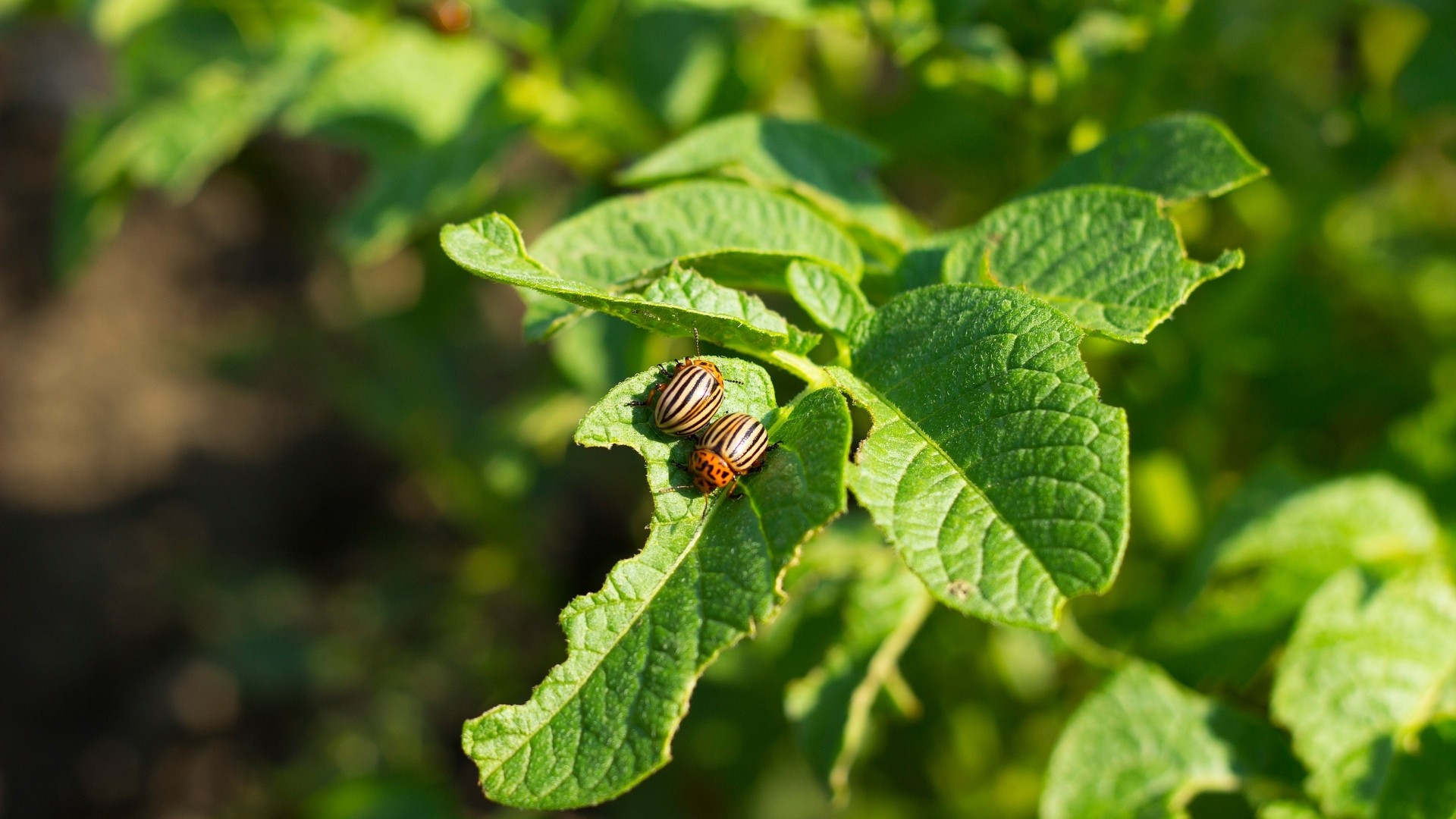
Medicinal plants, being highly valuable in the agricultural sector, are vulnerable to a wide range of pests that can cause significant damage. These pests target various parts of the plant, such as the leaves, stems, roots, and flowers, and can negatively impact both plant health and the quality of the medicinal compounds they produce.
Left unchecked, pests can reduce crop yield, degrade medicinal properties, and affect the marketability of the harvest.
Common pests affecting medicinal plants include:
1. Insects that suck sap
Aphids and whiteflies feed on plant sap, which weakens the plants and can cause them to curl. They also leave a sticky residue that attracts other pests.
Leafhoppers damage leaves, impairing photosynthesis and reducing plant growth.
2. Insects that chew on the plants
Caterpillars and beetles eat the leaves and stems, leaving holes behind and weakening the plant.
Weevils also feed on leaves and stems, causing the plants to become weak and stunted.
3. Tiny pests like mites and nematodes
Mites, such as broad mites, feed on young plant tissue and stunt plant growth.
Root-knot nematodes attack the roots, making it difficult for the plant to properly take up nutrients.
How These Pests Affect Plant Health and Quality
Pests not only harm the plant but also affect the active medicinal compounds that make these plants valuable. When pests like aphids and caterpillars feed on plants, they weaken them, making it harder for the plants to produce the chemicals that are used in medicines.
This can reduce both the quality and yield of your crop, thereby affecting its market price. For example, aphids and whiteflies can also spread diseases, causing the plant to yellow or wilt. This reduces the quality of the medicinal plant, making it less useful for producing products.
Why Early Identification Matters
When pests go undetected early, they multiply quickly, and the damage spreads across the field. This means you will need stronger and more expensive control methods to fix the problem.
Simple Ways to Spot Pests Early:
Walk through your plants at least once a week.
Check the undersides of leaves for small pests or sticky spots.
Look for holes in leaves, yellowing of new shoots, or leaf curling.
Hold a white sheet under the plant and gently shake it to see if any small pests fall onto it.
Also Read: Pest Management Strategies for Sugarcane Crop
To manage these pests effectively, let’s look at organic pest control methods that are safe, sustainable, and beneficial for your medicinal plants.
How Can Organic Pest Control Methods Benefit Medicinal Plants?
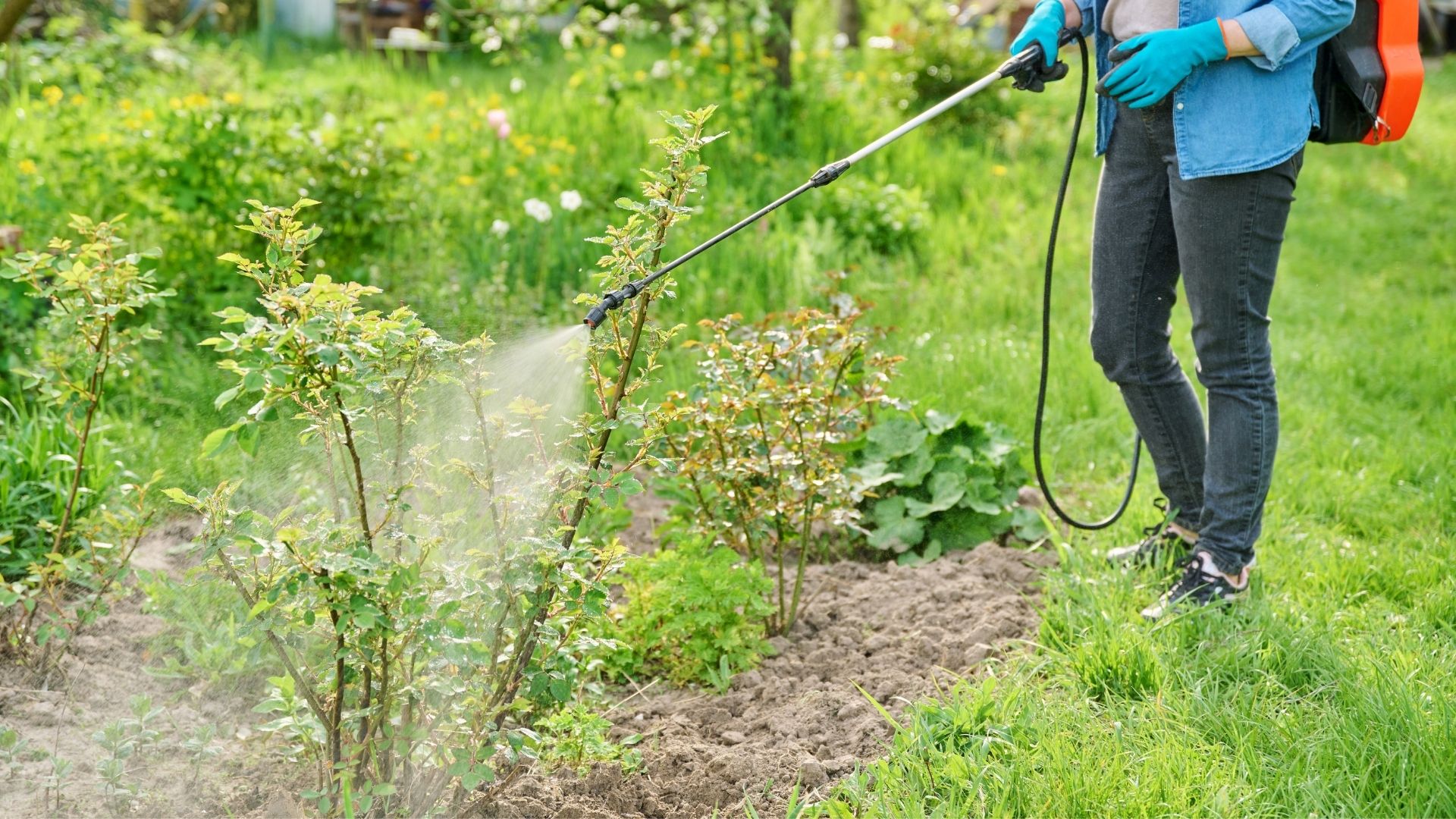
Organic pest control relies on natural methods and plant-based products to reduce pest damage while keeping plants safe for medicinal use. These methods avoid toxic residues, which are crucial for the quality of medicinal plants used in herbal medicines and other products.
Organic methods also contribute to environmental sustainability by reducing the use of harmful chemicals.
Below are the key organic pest control methods, with examples of how they can be used effectively on medicinal crops such as tulsi, ashwagandha, and mint.
1. Plant-Derived Sprays and Oils
Using plant-based extracts is one of the most common methods for controlling pests in medicinal plants. These sprays are natural and help repel or kill pests without leaving harmful residues in the plants.
Neem oil
Neem oil is derived from the seeds of the neem tree and is a powerful organic pesticide. It works by disrupting the feeding and reproductive cycles of pests like aphids, whiteflies, and caterpillars. It’s effective against soft-bodied pests and also has antifungal properties that help reduce diseases like powdery mildew.
Garlic spray
A mixture of garlic and water can repel soft-bodied pests such as aphids and whiteflies. Garlic has sulphur compounds that are unpleasant for pests. This solution is easy to make at home, making it a cost-effective and safe pest management method.
Diatomaceous earth
This is a fine powder made from the fossilized remains of diatoms. It creates a barrier that damages the exoskeletons of crawling insects, such as ants, beetles, and slugs. It’s harmless to plants and humans but deadly to pests that crawl on it.
These natural products help manage pests without harming the plant's medicinal properties and are safe for consumers and the environment.
2. Crop Rotation and Intercropping
Crop rotation and intercropping are key agricultural practises that help prevent pest build-up in the soil and the plants.
Crop rotation
This involves changing the crops planted in a field each season to break the pest life cycle. For example, planting medicinal herbs like ashwagandha one year and then planting a different crop, like marigold, the next year can disrupt pests that prefer a specific plant species.
Intercropping
Intercropping involves planting different crops together to confuse pests. For instance, planting basil alongside tulsi may deter pests that typically affect one plant species while attracting beneficial insects that protect both crops.
Both methods make it harder for pests to establish themselves and reduce the need for chemical pesticides.
Also Read: Green Technologies for Sustainable Agriculture Practises
3. Cultural practises
Cultural practises are those that manage the growing environment to discourage pests. These are often preventative measures.
Field sanitation
Removing crop debris, fallen leaves, and weeds reduces hiding places for pests to breed. For example, cleaning up old medicinal plant stems and leaves after harvest prevents pests such as root‑knot nematodes from persisting in the soil.
Proper spacing
Ensuring plants are spaced well apart reduces humidity and improves air circulation. Pests like aphids and whiteflies thrive in humid conditions, so providing space between plants helps reduce their numbers.
Adjusting planting time
If pest pressure is high during a certain season, delaying planting until after the peak pest period can help crops avoid heavy pest infestations. For instance, delaying tulsi planting until after the monsoon can help avoid fungal diseases and pests that are more prevalent during the rainy season.
These methods can help reduce pest loads in your garden, promoting healthy crops without the use of harmful chemicals.
4. Mechanical and Physical Controls
Mechanical and physical methods use tools or physical barriers to prevent pests from reaching plants.
Sticky or coloured traps
These traps attract pests such as whiteflies, aphids, and thrips, which become stuck to the adhesive surface. They are particularly useful in controlling flying insects and are often placed near the plants to monitor pest numbers. They are a non-toxic, simple solution for keeping pests away.
Row covers
Lightweight nets or fabric can be draped over medicinal plants to prevent flying insects, such as moths and beetles, from reaching the crops. These covers allow sunlight and water through but stop pests from feeding on the plants.
Hand-picking
In smaller gardens or areas with heavy pest pressure, manually picking pests off the plants is an easy and effective method. Caterpillars, beetles, and other large pests can be removed directly from the plants and either crushed or relocated far from the garden.
These mechanical methods are non-toxic and effective, especially in small-scale farming.
5. Biological Control
Biological control involves using natural enemies of pests to reduce pest populations. This is one of the most eco-friendly methods of pest management.
Predators
Insects like ladybugs and lacewing larvae feed on aphids and other small pests. Introducing or encouraging these beneficial insects into your medicinal plant fields can naturally keep pest populations under control.
Parasitoids
Some wasps lay their eggs inside pest larvae, killing them before they can reach maturity. These wasps can be introduced to the crop to help control caterpillars and other pests that damage plants.
Microbial pest control
Beneficial microorganisms, such as Bacillus thuringiensis (Bt), target specific pests without harmingplants. This bacterium is commonly used to control caterpillars and other chewing pests. It’s safe for most beneficial insects and does not leave harmful residues.
Introducing these natural pest controls in the field can significantly reduce the need for chemicals and support the health of medicinal plants.
6. Companion Planting
Companion planting is the practice of planting certain crops together to repel pests or attract beneficial insects. Some plants naturally deter pests, while others attract pests that will target harmful insects.
Marigolds and coriander are two common plants used for companion planting. Marigolds release a strong scent that repels insects like nematodes and aphids, while coriander attracts ladybugs, which feed on aphids.
Garlic can also be planted alongside medicinal plants like mint or tulsi to repel pests like aphids, spider mites, and whiteflies. The strong garlic smell confuses pests and keeps them away from the plants.
These plants not only improve the health of medicinal crops but also help attract beneficial insects and discourage harmful pests.
Benefits of Organic Pest Control for Medicinal Crops
Organic pest control methods offer multiple benefits for medicinal plants:
Safer for farmers and consumers: Organic controls like neem oil or garlic spray are non-toxic and don’t harm the person applying them or the people consuming the products.
No harmful chemical residues: These methods ensure that the medicinal plants remain free from chemical residues, preserving their medicinal value.
Sustainable and environmentally friendly: Organic pest management doesn’t harm beneficial insects or the environment.
Works with other pest control strategies: Organic methods complement other pest management practises, such as monitoring and early identification.
Want to enhance pest control while cutting costs? Leher’s advanced drone spraying, guided by GPS, ensures healthier crops at 20% lesser cost. Schedule your drone spraying service today!
Also Read: How to Effectively Monitor Crop Health
While organic methods are effective, a comprehensive approach like Integrated Pest Management (IPM) can provide long-term solutions. Here’s how IPM can benefit your crops
Why Integrated Pest Management (IPM) Works for Medicinal Plants
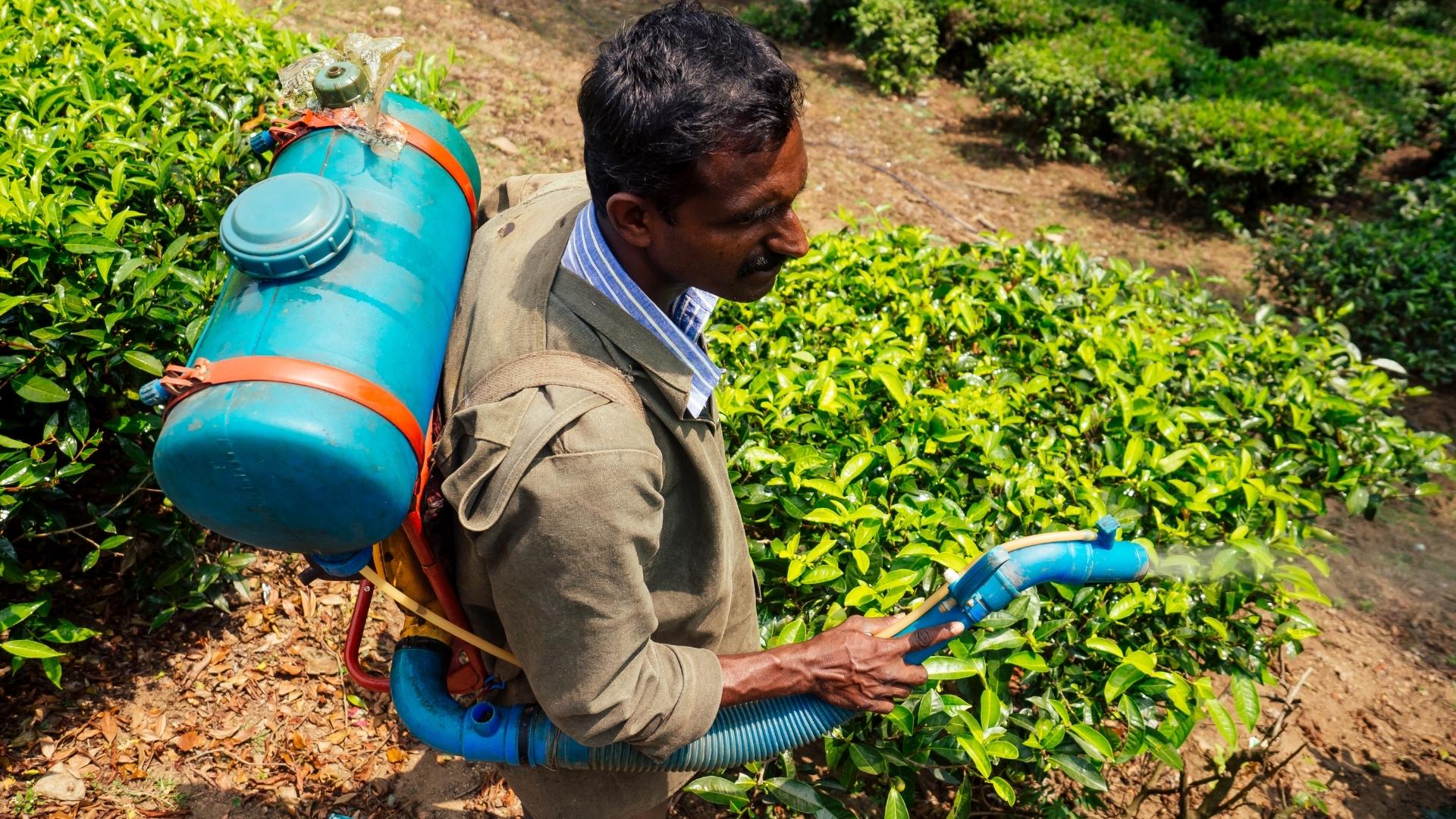
Integrated Pest Management (IPM) is a structured approach that uses many pest control methods in a balanced way. The aim is to keep pest numbers low enough that they do not harm your plants, rather than trying to eliminate every pest completely.
This approach focuses on prevention, careful monitoring, and low‑risk control options. It is widely recognised as a more sustainable alternative to relying only on chemical sprays.
What IPM Involves
An IPM plan consists of several key parts:
Monitoring: Visit your field frequently to identify which pests are present and how many.
Action thresholds: Take action only when pests reach levels likely to harm your crop or reduce yield. A few insects do not always indicate damage.
Multiple control methods: Use cultural practises, mechanical tools, and biological agents (such as beneficial insects), and use chemical sprays only as a last resort.
This strategy helps reduce unnecessary spraying, save money, and protect beneficial insects and soil life.
Steps to Use IPM Successfully
Identify the pest correctly: Know what species is attacking your crop. Many pests look similar but need different control methods. Sometimes symptoms (like leaf curling or chewed leaves) help identify the pest even if you don’t see it directly.
Watch pest numbers over time: Note pest counts weekly. If numbers rise above a level that can cause harm, it’s time to act.
Apply the right controls at the right time: Start with low‑risk options (cultural, mechanical, biological). If these do not work and pests remain above threshold, consider only targeted or reduced‑risk chemical options.
Review results and adapt: After applying any control, check again. If pests return, you may need to change the timing or method you used. Over time, this helps reduce pest pressure and keeps crops healthier.
Example: After identifying aphids as the pest affecting your tulsi plants, you count 50 aphids per leaf during a field survey, which exceeds the economic threshold of 20 aphids per leaf.
You apply neem oil as a bio-pesticide. After 3 days, you observe a 50% reduction in aphid numbers, but some plants show signs of partial damage.
Based on this, you adjust your strategy by applying neem oil earlier in the season, before pest numbers exceed the threshold, to prevent future damage.
Also Read: 8 Modern Farming Methods of Agriculture: Techniques Included
What Role Do Beneficial Insects Play in Pest Management for Medicinal Plants?
Not all insects in your field are harmful. Some are natural enemies of pests and help keep them in check. Encouraging these insects can reduce your need for sprays.
Beneficial Insects That Help
Predators such as ladybugs and lacewings eat small pests like aphids and whiteflies.
Parasitoids are insects (often small wasps) that lay eggs in or on pest larvae. When these eggs hatch, they kill the pest from the inside.
These insects help control pest populations without the use of chemicals.
How to Encourage Beneficial Insects
You can support good insect numbers by:
Avoiding broad‑spectrum pesticides that kill both pests and helpful insects.
Leaving some natural vegetation or flower strips at field edges. These provide food and shelter for beneficial insects.
Using traps or barriers only where needed, so the broader environment remains friendly to natural predators.
By keeping pest numbers below harmful levels, beneficial insects reduce your workload and protect plant health.
Want to protect your crops naturally? Leher’s drone spraying services reduce pesticide use by up to 30%, targeting pests with precision and promoting healthier, stronger plants. Book your service today!
How Can Farmers Prevent Pest Infestation in Their Medicinal Plant Gardens?
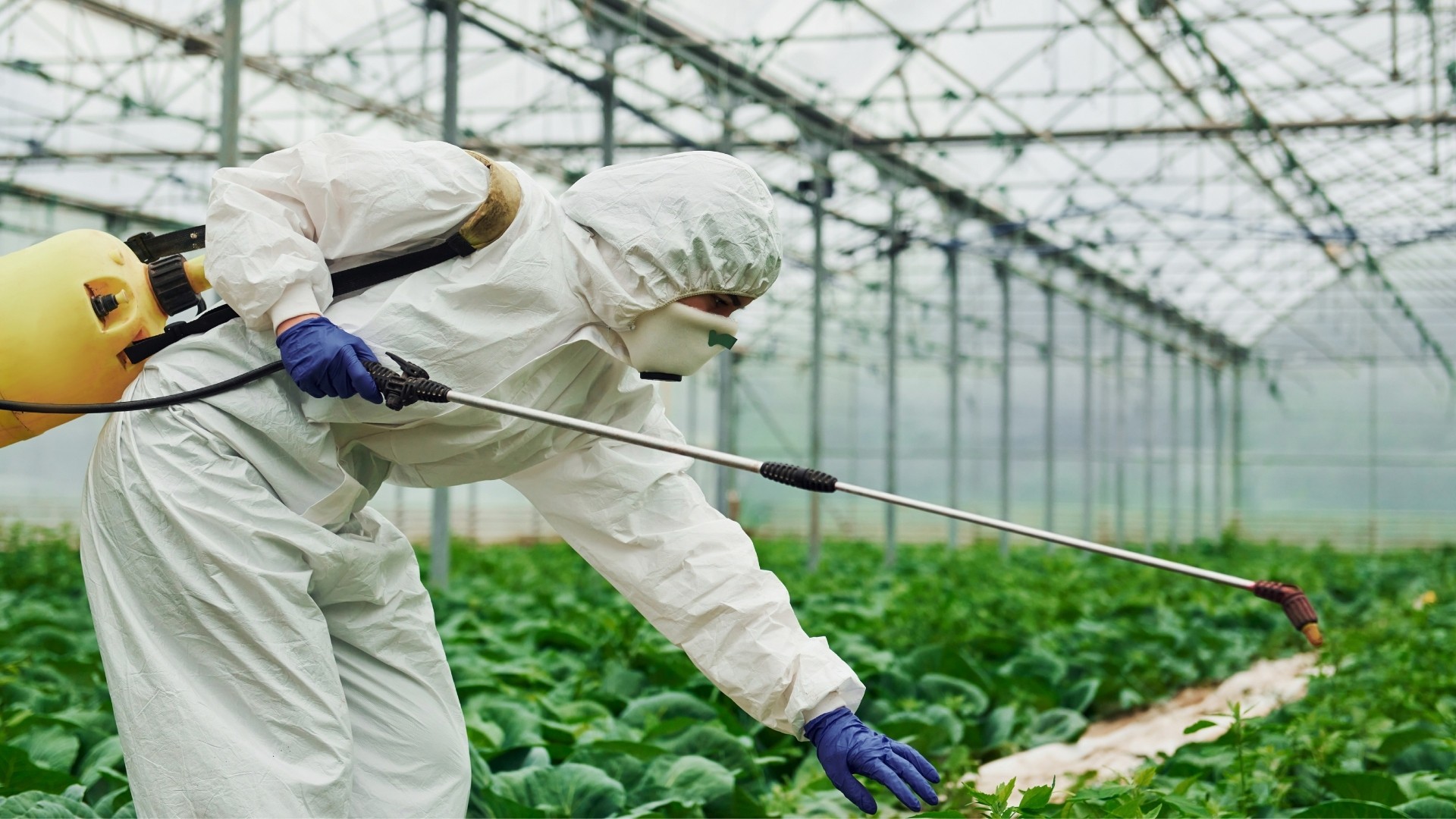
Preventing pest problems is often easier and cheaper than controlling them after they appear. These simple practises help reduce pest pressure and keep pest populations below damaging levels.
1. Crop Rotation
Crop rotation means changing what you plant in each field from season to season. Pests that feed on a specific plant will die out if their favourite plant is not available year after year. This also improves soil health.
Example: If you grew tulsi this season, plant a non‑host crop like marigold or coriander next season to reduce pests that prefer tulsi.
2. Proper Spacing
Giving plants enough space improves air movement around leaves. Poor air circulation increases humidity, which many pests and diseases prefer. Plants spaced well grow stronger and are less attractive to many pests.
3. Timely Field Inspection
Regular checking is the heart of IPM. Walk through your field at least once a week. Look for early signs of pest activity such as:
Holes in young leaves
Sticky honeydew from sap‑sucking insects
Discoloured or curling leaves
Early action stops small pest problems from becoming big ones.
4. Field Sanitation
Clean fields are less attractive to pests.
Remove plant debris after harvest or pruning.
Pull out weeds that can host pests or diseases.
Dispose of infected plant parts away from the growing area.
Weeds and debris often shelter pests, allowing them to spread unnoticed.
Trap Crops and Companion Planting
Some plants can attract pests away from your main crop.
Trap crops are planted near your main crop to lure pests away. These trap plants are checked and managed separately to keep pests from moving back to the main crop.
Companion plants like marigolds or coriander release smells that can confuse pests, making it harder for them to find your medicinal plants. Companion planting also supports beneficial insects.
Also Read: Farm Management: An Essential Guide
How Leher Helps Farmers Manage Pests and Improve Yields
Leher is an Indian agritech platform that makes drone spraying services easier, more affordable, and more effective for farmers. Through a simple app, growers can book drone spraying for pesticides, fertilisers, or inputs without owning costly equipment.
Trained and certified pilots carry out the spraying, so you save time and avoid direct exposure to chemicals
What Leher Offers for Farmers
Fast Coverage: Drones can spray up to 50 acres a day, letting you protect larger areas quickly.
Higher Productivity: Better precision and even coverage help improve crop output by around 15 % for many users.
Savings on Costs: Farmers using Leher report an overall reduction in farming costs of 20–30 % due to precise spraying and fewer inputs.
Water Efficiency: Leher’s drones use up to 90 % less water compared with traditional methods.
Reduced Chemical Use: Targeted application reduces chemical inputs by about 40 %, saving money and protecting the environment.
Simple Booking: With the Leher app, you can book → spray → pay, with no upfront machine cost.
Safety for Farmers: Drones reduce direct contact with pesticides, lowering health risks while spraying.
Support and Tracking: Each spray is recorded with GPS and usage logs, helping you plan future pest management better.
How This Helps in Medicinal Plant Pest Management
Medicinal plants can be especially sensitive to over‑spraying or uneven spraying, which affects their quality and medicinal properties. Leher’s drone system ensures:
Precise targeting of pest control sprays only where needed.
Even distribution across the crop canopy reduces the chances of missed spots.
Less wastage of inputs such as pesticides and water, lowering costs and protecting soil health.
Timely applications during pest outbreaks, since drones can be deployed quickly even after rain or when ground conditions are tough.
For farmers growing medicinal plants, these benefits mean healthier crops, fewer pest losses, and better quality raw material for medicinal use. Using Leher’s drone spraying supports both productivity and sustainability without adding heavy equipment costs or complexity.
Conclusion
Pest management in medicinal plants is essential for ensuring healthy crops and high-quality products. By adopting effective organic methods and combining them with technology like Leher's drone-powered spraying services, farmers can protect their crops while saving resources. Drones help reduce pesticide usage, water consumption, and labour costs, while improving the precision and speed of pest control.
With faster coverage, higher productivity, and improved crop yields, Leher’s solutions enable farmers to manage pests efficiently without compromising plant health.
Leher makes this modern approach simple and accessible. Our drones, equipped with advanced sensors and GPS technology, deliver precise, targeted spraying that saves time and reduces costs, while remaining environmentally friendly.
Download the Leher app today (Google Play, Apple Store) to elevate your farming practises, reduce costs, and achieve sustainable, profitable outcomes with ease.
FAQs
Q: What is a trap crop, and how can it help pest control?
A: A trap crop is a plant that attracts pests away from your main medicinal plants. For example, planting a crop that pests prefer at the edge of your field can lure them away from valuable herbs.
This reduces direct pest damage to the main crop, but still requires careful management to prevent pests from returning to the main field.
Q: What is crop scouting, and why is it important in pest management?
A: Crop scouting is the regular practice of checking plants to assess pest levels and crop health. It helps you see where pests are, how many there are, and whether control measures are needed. Tools like simple GPS mapping or manual checks help farmers make timely decisions and avoid unnecessary sprays.
Q: Can biofumigation help control pests in medicinal plant soil?
A: Yes. Biofumigation uses chopped plant material, like mustard or sorghum, that releases natural fumigants as it decomposes in the soil. These compounds help reduce soil pests such as nematodes and some fungi, improving root health without synthetic chemicals.
Q: How can Farmer Field Schools (FFS) support better pest management?
A: Farmer Field Schools are group training programmes where farmers learn IPM and other pest control practises together. Through practical sessions and shared experience, farmers improve skills such as pest identification and crop monitoring, which often lead to reduced pesticide use and better yields.
Q: Are medicinal plant pests only insects?
A: No. In addition to insects like aphids and caterpillars, medicinal plants may be affected by fungi, bacteria, viruses, and even rodents or weeds. These non‑insect pests can damage leaves, roots, or stems and must be managed as part of a complete pest control plan.
Let’s Grow Together!
Interested in drone spraying solutions? Connect with us today.