Crop Seed Spreading Drone: Making Seeding Faster, Precise, and Efficient
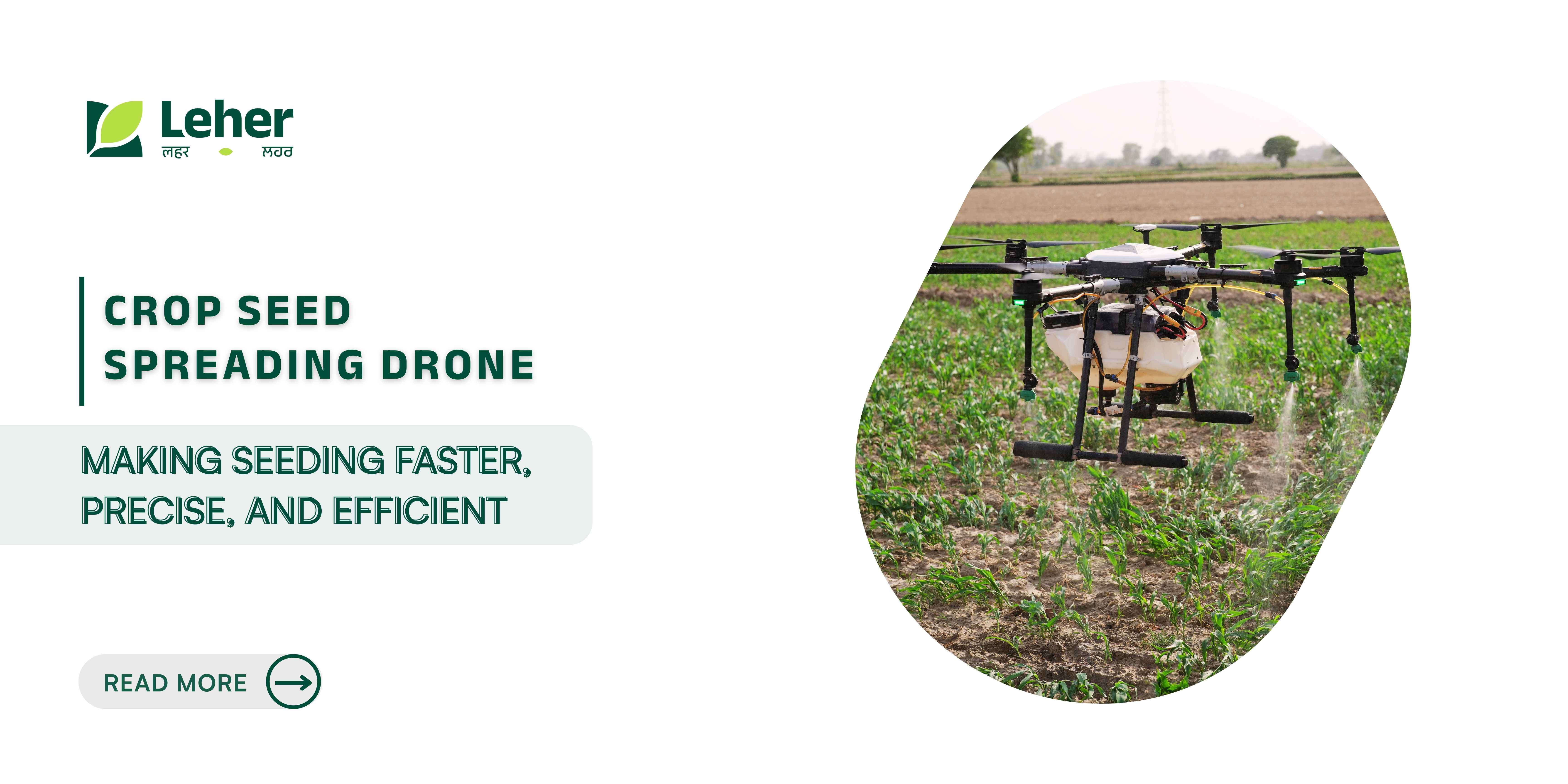
Manual sowing of seeds still dominates Indian agriculture, yet only around 40% of sowing and planting tasks are mechanised, leaving the rest reliant on slow, labour‑intensive methods. This gap slows farm operations, increases costs and contributes to missed planting windows.
Traditional manual sowing often results in uneven seed distribution and missed planting spots, reducing germination rates and lowering yields. Farmers spend hours walking across fields, and even small errors in spacing or depth affect overall efficiency and productivity.
In this blog, you’ll discover how crop seed-spreading drones make sowing faster, more precise, and far more reliable, saving time, reducing seed waste, and improving crop yields.
Key Takeaways
Efficiency Gains: Drones complete sowing faster than manual methods, saving time and labour.
Precision Planting: GPS-guided flight paths ensure uniform spacing and optimal plant density.
Cost Savings: Reduced seed wastage and lower labour requirements improve profitability.
Environmental Benefits: Minimal soil disturbance and precise placement support sustainable farming.
Integrated Crop Care: Combining seed drones with Leher’s spraying ensures healthier crops and maximised yield.
What is a Crop Seed Spreading Drone and Its Key Features
A crop seed spreading drone is an unmanned aerial vehicle (UAV) designed to sow seeds efficiently and accurately across farmland. Unlike traditional sowing methods that rely on manual labour or conventional machinery, these drones use GPS-based navigation and programmed flight paths to systematically cover large areas. This ensures uniform seed distribution, saves time, and reduces human errors during sowing.
Some of the important features that make these drones effective include:
GPS Navigation: Guides the drone along accurate flight paths for precise seed placement.
Variable Seed Release: Adjustable hoppers control the number of seeds released per square metre.
Payload Capacity: The amount of seed the drone can carry in a single flight.
Autonomous Flight: Pre-programmed routes minimise manual intervention and reduce errors.
Real-Time Monitoring: Provides live feedback, enabling adjustments during operations to improve accuracy.
These drones are particularly useful for crops such as rice, wheat, maize, and pulses, where careful spacing and consistent coverage are critical. By maintaining precise seed placement, drones help improve germination rates, optimise plant density, and ultimately increase crop yield. This makes them an essential technology for modern and efficient farming practices.
Now that we understand how crop-seed spreading drones work and their essential features, let’s look at the different types and how they fit various farm sizes and crop types.
Top 3 Types of Seed Spreading Drones for Every Farm
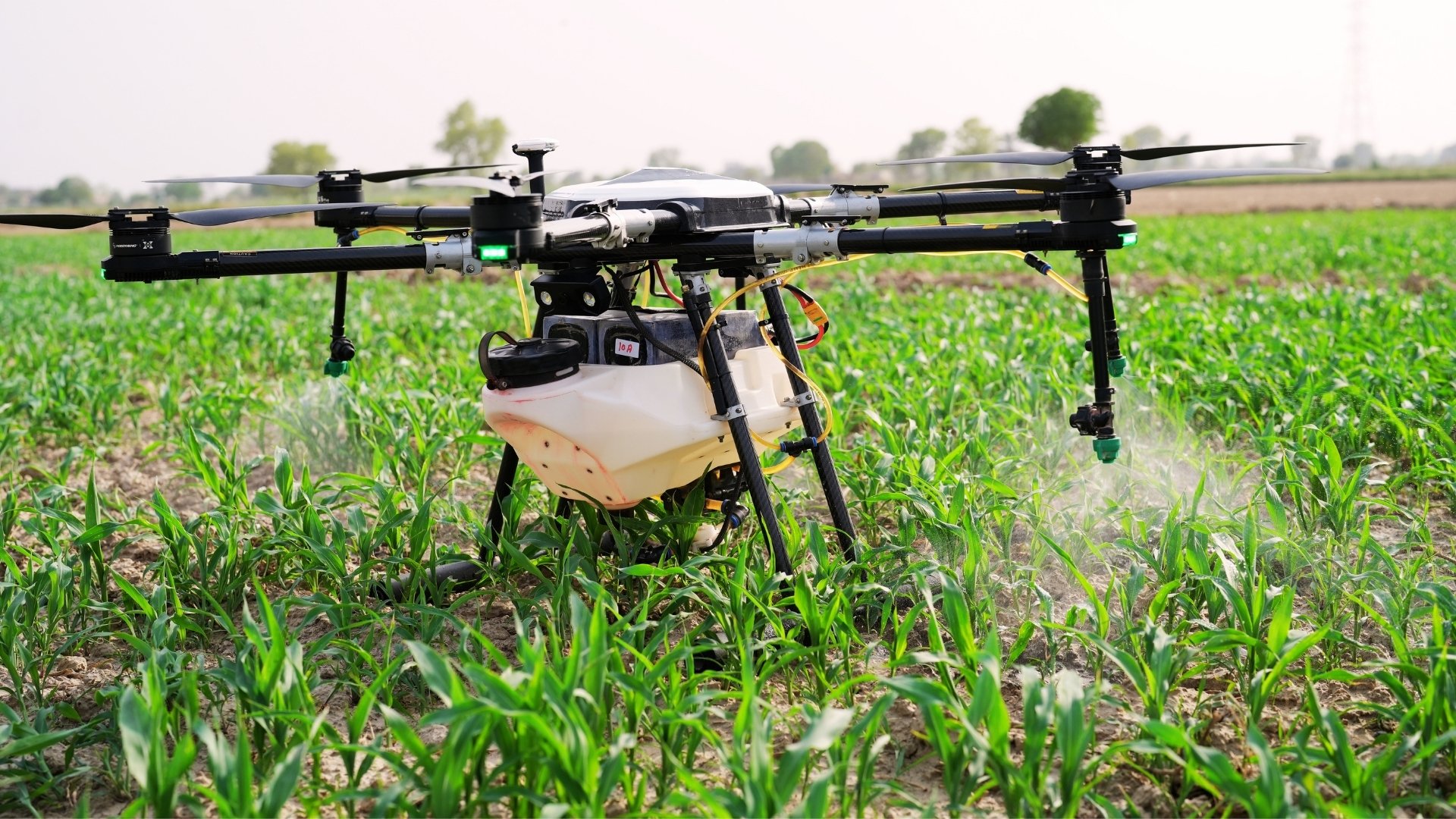
Crop seed spreading drones come in different designs, each customised to meet specific farming needs. The choice of drone depends on factors such as field size, crop type, and the speed at which seeds need to be sown. Understanding the characteristics of each type helps farmers select the most efficient solution for their land.
1. Multi-Rotor Drones
These drones are equipped with multiple rotors, allowing them to hover steadily over the field and release seeds in precise patterns. They are ideal for smaller to medium fields and plots with irregular shapes, terraces, or obstacles. Their vertical takeoff and landing capability makes them highly flexible for farms with limited open space.
2. Fixed-Wing Drones
Designed for larger farms, fixed-wing drones resemble small aeroplanes and cover wide areas quickly. They achieve higher speeds and longer flight times compared to multi-rotor drones, making them suitable for expansive, open fields. However, they require runways or open space for takeoff and landing, so they are best used where uninterrupted stretches of farmland are available.
3. Hybrid Drones
Hybrid drones combine the hovering precision of multi-rotor drones with the long-range speed of fixed-wing drones. This versatility enables them to handle medium- to large-sized fields efficiently, delivering both speed and accuracy. Hybrid drones are particularly useful for farms that combine open fields and irregular plots.
With the drone type selected, the next step is to understand how it works in the field to optimise sowing and crop yield.
How Crop Seed Spreading Drone Works: 5 Key Steps Explained
Crop seed spreading drones use GPS, automated flight paths, and precision seed release to sow seeds faster and more accurately. They save time, reduce labour, and ensure uniform crop growth. Here are the five key steps:
1. Assess the Field and Prepare the Drone
Before sowing, evaluate the farm’s topography, obstacles, and soil conditions.
Map the field digitally using GPS to identify boundaries and problem areas.
Select the drone type (multi-rotor, fixed-wing, or hybrid) based on field size and crop type.
Calibrate the hopper and seed-release mechanism based on seed size and desired spacing.
Check battery, propellers, sensors, and software to ensure safe, accurate operation.
2. Flight Planning and Seed Release Setup
Planning the drone’s path ensures uniform coverage and optimised sowing.
Program flight routes based on field dimensions and soil fertility zones.
Set variable seed release rates for different zones to maintain ideal plant density.
Adjust the drone's speed and altitude based on seed type and soil conditions.
Mark sensitive areas to avoid overlaps or skipped zones.
3. Test Run and Calibration
A short trial flight helps fine-tune settings for the best results.
Conduct a small test in one section of the field.
Monitor seed release, flight path accuracy, and sensor feedback.
Adjust hopper calibration, altitude, or speed if required.
4. Full-Field Operation and Monitoring
During sowing, active monitoring ensures precision and efficiency.
Fly the drone along pre-programmed routes, releasing seeds evenly across the field.
Real-time sensors track coverage, seed quantity, and flight performance.
Make on-the-fly adjustments to areas that need more or fewer seeds.
Record data for future sowing and yield planning.
5. Post-Sowing Evaluation
After completion, evaluate the sowing quality and prepare for the next cycle.
Inspect seed distribution and plant density across the field.
Compare results against target spacing and density for improvements.
Maintain logs for drone performance and field conditions to optimise future operations.
Once your seeds are planted, timely spraying of pesticides, fungicides, and nutrients becomes critical for healthy crop growth. If manual spraying is slow or uneven, Leher’s drone spraying service helps you cover over 50 acres a day using up to 90% less water and 30% fewer chemicals.
Understanding what a crop-seed spreading drone is helps appreciate how it can directly benefit farmers by improving efficiency, precision, and cost savings.
Benefits of Using Crop Seed Spreading Drones
Modern farmers face challenges such as labour shortages, uneven sowing, and high seed wastage. Crop seed-spreading drones address these problems by providing controlled, uniform, and fast sowing across farmland. Here are a few key benefits:
Time and Labour Efficiency: Manual seed planting across large fields can take several days and requires multiple workers. A seed-spreading drone can cover multiple acres in a few hours, allowing farmers to complete sowing within the optimal planting window.
Precise Seed Placement: Uniform spacing is essential for healthy germination and even crop growth. Drones release seeds at calibrated intervals and depths, ensuring consistent plant density without overcrowding or gaps.
Cost Control and Input Savings: Targeted seed release reduces wastage and prevents oversowing. With fewer workers needed for sowing operations, labour costs drop significantly, especially during peak planting seasons.
Soil and Environmental Protection: Drone-based sowing limits tractor movement, reducing soil compaction. Controlled seed placement minimises unnecessary soil disturbance, supports better moisture retention, and contributes to more sustainable farming practices.
Also Read: Differences Between Drone and Manual Spraying Methods
With these operational advantages, farmers can sow more efficiently and sustainably. These improvements lay the foundation for higher yields and better overall crop productivity, which we will explore next.
How Crop Seed Spreading Drones Improve Yield and Productivity
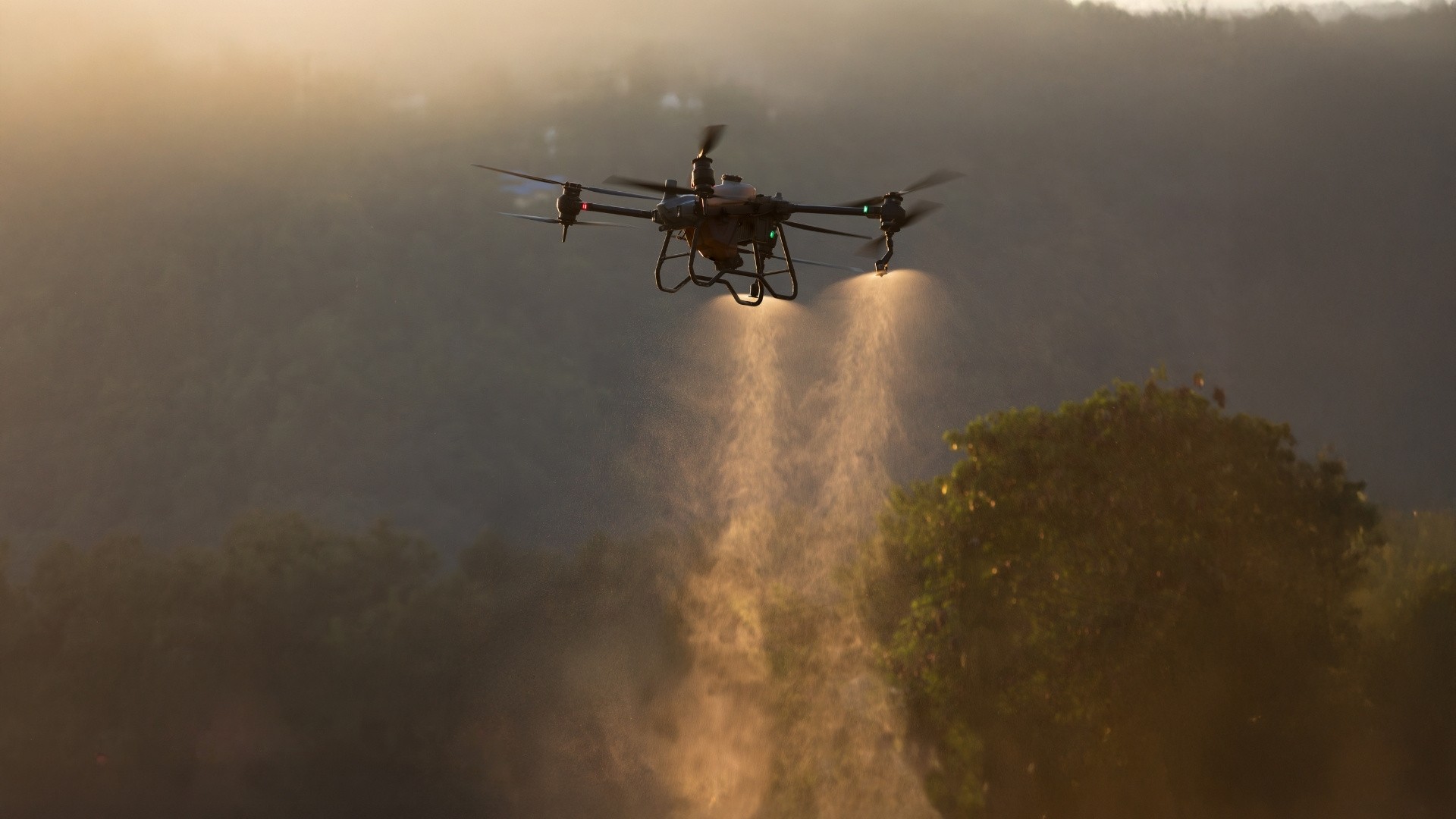
For farmers, the ultimate goal is to achieve higher yields and maximise farm output. Crop seed-spreading drones directly improve germination rates, optimise plant density, and reduce errors that affect crop performance. Below are the key ways these drones enhance output:
Uniform Seed Distribution: Drones place seeds at consistent spacing and depth, giving every plant equal access to sunlight, water, and nutrients. This uniformity simplifies subsequent tasks such as irrigation, fertilisation, and pest control, supporting healthier crop growth across the field.
Optimised Plant Density: Using GPS-guided flight paths and programmable hoppers, drones adjust seeding rates based on soil fertility and field conditions. Each area receives the exact number of seeds required, preventing overcrowding or sparse patches and maximising potential yield per acre.
Reduced Crop Loss from Human Error: Manual sowing can lead to skipped areas, uneven distribution, or overlapping rows, thereby affecting germination and productivity. Drone automation eliminates these inconsistencies, ensuring crops reach their full harvest potential and reducing losses.
After precise sowing, crop health directly impacts your final yield. Uneven fertiliser application can lower productivity and waste resources. Leher’s drone spraying ensures uniform coverage, saves time, and efficiently applies up to 5 litres per minute. Schedule your service today to safeguard your crops and maximise yield potential.
Before adopting crop-seed spreading drones, farmers should be aware of the practical hurdles and strategies to address them. Let’s take a close look.
Common Challenges and How to Overcome Them
While crop-seed spreading drones offer multiple benefits, farmers may face challenges related to weather, technical issues, and skill requirements. Understanding these challenges and adopting mitigation strategies ensures smooth, effective operations.
1. Weather and Environmental Factors
High winds, heavy rain, or uneven terrain can impact drone performance.
How to Overcome:
Plan flights during calm weather windows to maintain precision.
Use drones with stabilisation and obstacle detection features to handle minor disturbances.
Avoid areas with dense tree cover or steep slopes where drones may struggle.
Monitor local weather forecasts and soil moisture to prevent seed washout or uneven dispersion.
2. Technical Issues
Battery failures, sensor errors, or GPS inaccuracies can disrupt operations.
How to Overcome:
Perform routine maintenance, including battery checks, propeller inspections, and sensor calibration.
Keep firmware and software up to date to avoid technical glitches.
Carry spare batteries and backup equipment for uninterrupted sowing sessions.
Conduct pre-flight system diagnostics to detect potential errors before field deployment.
3. Training and Skill Requirements
Operators need training in drone operation, flight planning, and troubleshooting.
How to Overcome:
Enrol in basic drone operation courses or training programs offered by service providers.
Start with small test flights to gain confidence before large-scale operations.
Use step-by-step manuals and in-app guidance for flight planning and seed release calibration.
Partner with certified drone service providers for expert support and knowledge transfer.
4. Cost and Investment Concerns
High upfront costs for drones and accessories can be a barrier for small-scale farmers.
How to Overcome:
Consider renting drones or using shared services to reduce initial investment.
Explore government subsidies, agritech grants, or cooperative models for financial support.
Start with small plots to evaluate ROI before scaling up operations.
Track productivity improvements and input savings to justify long-term investment.
5. Field Variability and Crop Diversity
Different crops or irregular field patterns can affect drone efficiency.
How to Overcome:
Adjust flight paths and seeding rates based on crop type and soil fertility zones.
Use drones with programmable hoppers and variable release systems for flexible operation.
Divide large or irregular fields into smaller, manageable zones for precise coverage.
Combine drone operations with traditional sowing in challenging areas to maintain uniformity.
Also Read: Top Drone Services You Need to Know
Addressing these challenges through proper planning, monitoring, and guidance ensures consistent sowing, greater efficiency, and higher crop productivity.
Conclusion
Crop seed spreading drones are redefining modern farming by saving time, reducing labour, and improving yields. They address critical challenges like uneven sowing, high labour costs, and seed wastage while promoting sustainable farming practices. Farmers adopting drones benefit from precision, efficiency, and long-term cost savings.
To complement precise sowing, Leher’s drone spraying service ensures uniform application of fertilisers, pesticides, and fungicides across fields. With a 10‑litre tank, 22‑minute flight time, and 45‑minute recharge, spraying is completed in just minutes rather than hours. This saves time, reduces chemical use, and promotes healthier crops, maximising yield potential.
Download the Leher app on Android or iOS today and schedule your drone spraying service to experience efficient, cost-effective, and sustainable farming solutions.
FAQs
1. Can seed-spreading drones handle uneven or sloped fields?
Yes, multi-rotor and hybrid drones can hover and adjust altitude over slopes or terraces. GPS mapping and sensor feedback ensure uniform seed placement, even on irregular terrains, minimising missed spots or overcrowding.
2. How do drones decide the number of seeds to release per area?
Programmable hoppers use soil fertility data, crop type, and desired plant density to adjust seed release rates. This ensures optimal germination and reduces seed wastage compared to uniform manual sowing.
3. Are drones effective for smallholder farms under 5 acres?
Yes, smaller multi-rotor drones can quickly cover compact plots. They allow precise sowing in tight spaces while reducing manual labour, making modern UAV technology accessible even for small-scale farmers.
4. Can drones integrate seeding data with farm management systems?
Advanced drones export GPS maps, coverage logs, and variable seed rates. Farmers can integrate these outputs with software for yield tracking, irrigation planning, and crop monitoring for better operational decisions.
5. How do drones adapt to different crop types in a single field?
Hybrid, programmable drones enable zone-based adjustments in seed release. Operators can set specific rates for rice, wheat, or pulses in the same field, ensuring consistent plant density and optimal growth across crops.
Let’s Grow Together!
Interested in drone spraying solutions? Connect with us today.