Biological Control of Plant Disease: Improve Yields and Crop Health
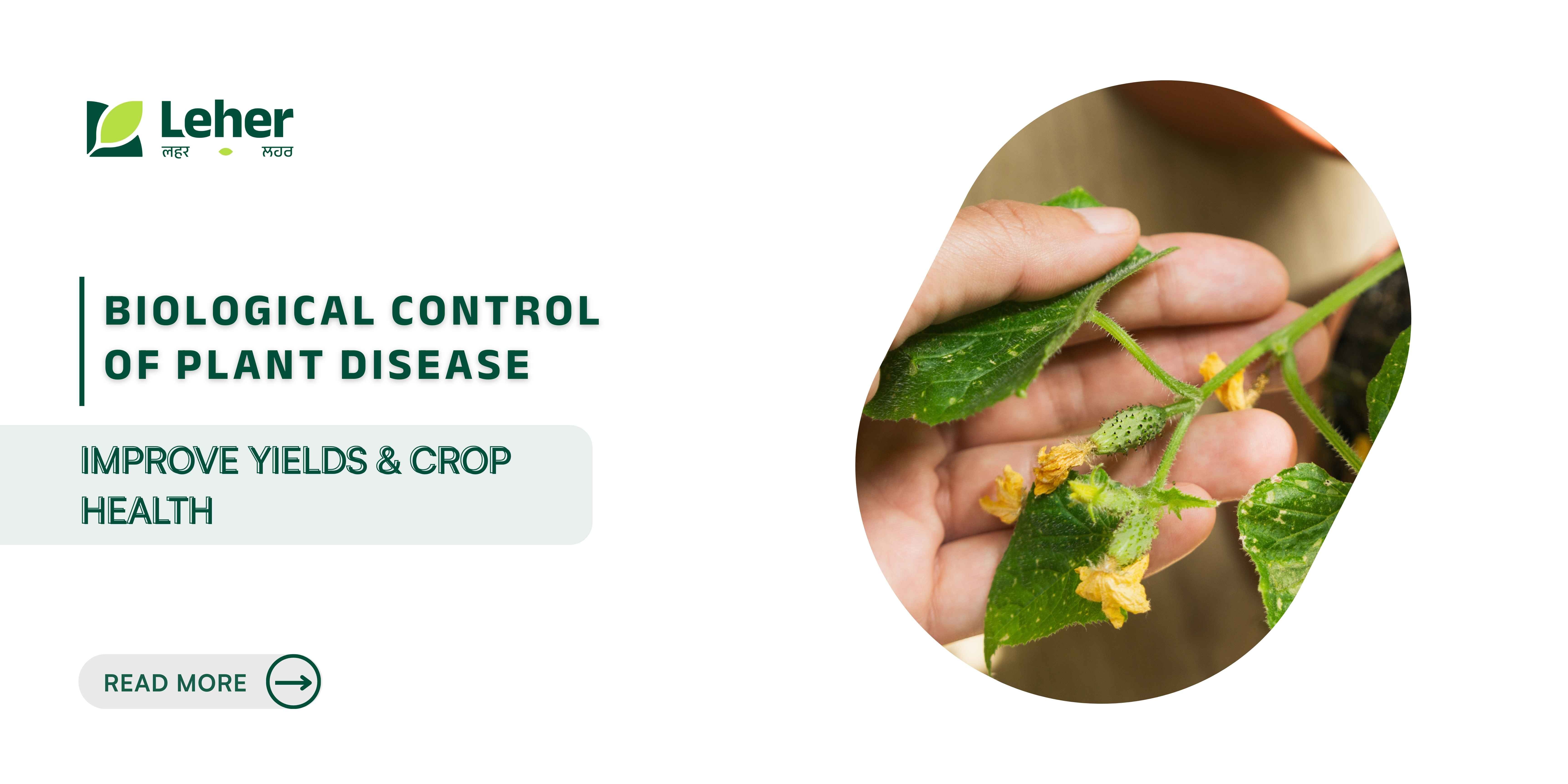
Did you know that plant pests and diseases cause around 15–25% loss in India’s total food production each year? This not only cuts into farmers’ incomes but also threatens food security and creates uncertainty every season.
Many farmers rely heavily on chemical pesticides to fight these threats. While chemicals provide short-term relief, repeated use can harm soil health, reduce beneficial microbes, leave residues on crops, and increase costs. Biological control of plant disease offers a natural alternative by using beneficial microbes and plant-based products to protect crops, improve soil health, and maintain stable yields.
In this blog, you'll understand how biological control of plant disease works, why it matters for Indian farming, and how modern technology makes it easier to adopt at scale.
Key Takeaways
Natural Disease Management: Biological control uses microbes, plant extracts, and beneficial insects to manage pathogens safely without heavy chemical use.
Multi-Layered Protection: It protects crops through competition, enzyme production, activation of plant immunity, and improved root health, for sustainable yields.
Cost and Input Efficiency: Farmers reduce chemical use, save on labour, and cut input costs while maintaining crop health and marketable produce.
Scalable Application Methods: Seed treatment, soil application, root dipping, foliar sprays, and integration with drones like Leher make implementation efficient across large farms.
Overcoming Limitations: Challenges such as environmental sensitivity, slower response times, and storage issues can be managed through careful timing, monitoring, and proper handling practices.
What is Biological Control of Plant Disease?
Biological control of plant disease uses beneficial organisms to manage harmful pathogens. Instead of chemicals, these organisms compete with disease-causing microbes, produce natural antibiotics, and trigger plant defence systems to keep crops healthy.
Farmers apply them through seed treatment, soil application, root dipping, or foliar sprays. Biological control does not eliminate pathogens entirely but keeps them below harmful levels, maintaining stable crop growth and yields. It is now widely adopted in India due to concerns about pesticide resistance and chemical residues.
To understand the urgency of biological control, let us first examine why current disease management practices are no longer enough.
Why Plant Disease Management Needs a New Approach
Plant diseases are becoming more aggressive due to climate change, intensive farming, and monocropping. Higher humidity, erratic rainfall, and warmer temperatures favour infections, while repeated chemical applications reduce fungicide effectiveness and increase resistance.
Below are a few critical challenges farmers face with chemical-based disease control:
Rising Cultivation Costs: Each spray cycle adds labour, fuel, water, and chemical expenses. Many farmers spend a large portion of their income only on disease management.
Soil Health Degradation: Repeated chemical use reduces beneficial microbial activity, weakening roots and lowering nutrient absorption.
Residue and Food Safety Concerns: Consumers and export markets demand low-residue produce, and heavy chemical use limits market access.
Environmental Impact: Chemical runoff contaminates water bodies and harms pollinators and natural predators.
These challenges highlight the urgent need for a safer, more stable disease management system. This is where biological control becomes relevant. To understand its potential, let us next explore the types of biological control used in agriculture.
Types of Biological Control in Agriculture
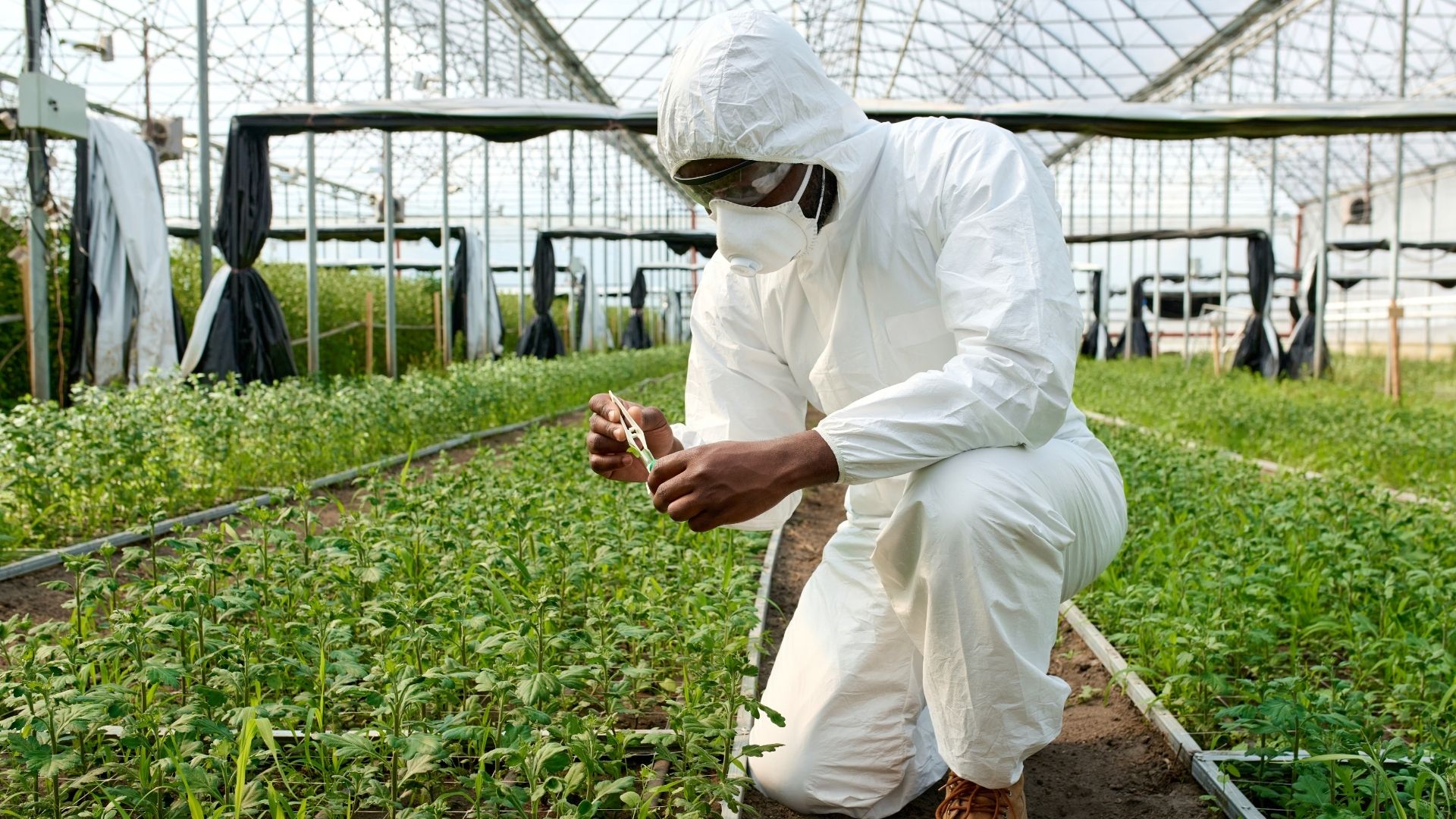
Biological control works through different natural mechanisms, each helping to suppress plant diseases while supporting crop health. Understanding the types of biological control helps farmers select the right approach for their crops and specific diseases. Below are a few major types of biological control used in Indian farming:
1. Microbial Biological Control
This method uses beneficial bacteria and fungi such as Trichoderma, Pseudomonas, Bacillus, and Streptomyces. These microbes colonise roots and soil, preventing pathogens from establishing. They also produce enzymes and natural antibiotics that directly inhibit disease-causing organisms, while improving nutrient uptake and root growth.
2. Botanical Bio-products
These are plant-based extracts made from neem, garlic, ginger, tulsi, and other medicinal plants. They suppress fungal spores and bacterial colonies without harming beneficial insects. Farmers often use them in organic farming and for crops where chemical residues are a concern.
3. Predators and Antagonists
Some beneficial insects and microorganisms feed on disease vectors or compete with harmful microbes for space and nutrients. This natural competition limits pathogen growth and helps maintain crop health.
4. Induced Resistance Agents
Certain biological formulations activate the plant’s immune system. Once activated, the plant produces defensive compounds that resist infections, providing long-term protection against diseases.
Also Read: Differences Between Drone and Manual Spraying Methods
These biological control methods provide farmers with practical options for managing crop diseases safely and sustainably. Next, we will look at how biological control actually works in farming conditions to protect crops and improve yields.
How Biological Control Works in Farming?
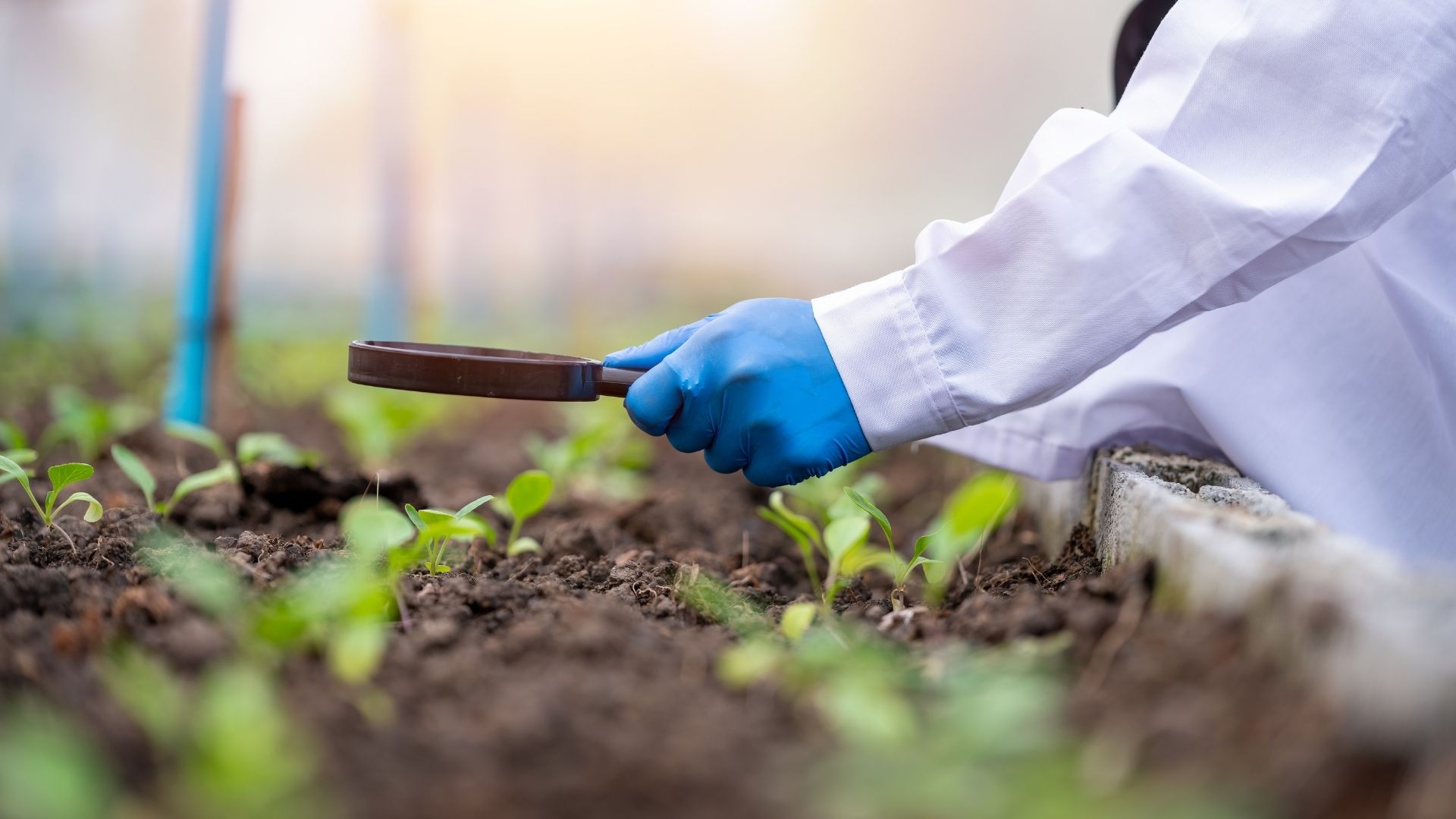
Biological control functions through natural interactions already present in healthy soils and crop ecosystems. Farmers introduce beneficial organisms at the right stage and in the correct quantity to help these interactions work effectively.
Below are a few major working mechanisms of biological control:
1. Competition for Space and Nutrients
Beneficial microbes quickly colonise the root zone, making it difficult for harmful pathogens to establish themselves.
Pathogen Exclusion: These microbes occupy space in the root zone, preventing harmful organisms from settling.
Nutrient Competition: Beneficial microbes compete for available nutrients, limiting the resources pathogens need to grow.
Early Protection: Establishing beneficial microbes early reduces the risk of seedling infections.
Uniform Growth: Healthy microbial colonisation ensures consistent and uniform crop development across the field.
2. Production of Natural Antibiotics
Certain biological agents produce antifungal and antibacterial compounds that directly inhibit pathogens and reduce disease spread.
Direct Pathogen Suppression: These natural antibiotics prevent fungi and bacteria from causing leaf spots, wilts, and blights.
Reduced Chemical Dependency: Farmers can minimise repeated chemical sprays while still protecting crops effectively.
Targeted Protection: Beneficial microbes selectively target harmful organisms without disturbing helpful soil microorganisms.
Sustainable Disease Management: This natural mechanism supports long-term crop health and soil balance.
3. Enzyme Secretion
Some beneficial microbes release enzymes that break down the cell walls of harmful fungi and bacteria, weakening pathogens.
Pathogen Weakening: Enzymes disrupt the structural integrity of harmful microbes, slowing disease progression.
Balanced Soil Microbiome: Enzyme activity helps maintain a healthy soil microbial community.
Improved Disease Resistance: Crops experience reduced infection pressure and better overall resilience.
Enhanced Crop Performance: Stronger plants show improved growth and tolerance to multiple diseases.
4. Activation of Plant Immunity
Certain biological formulations stimulate the plant’s defence system, enabling it to produce protective proteins and compounds.
Stronger Plant Defences: Plants are better prepared to resist infections before they spread.
Tolerance to Stress: Activated immunity enhances resistance to environmental stresses such as heat, drought, or excess humidity.
Reduced Spray Frequency: Farmers rely less on repeated chemical applications, lowering costs and residue risks.
Long-Term Protection: Plants retain heightened defence responses, contributing to sustained crop health.
5. Improvement of Root Health
Healthy roots absorb nutrients and water efficiently, making crops more tolerant to infections and stress.
Stronger Growth: Robust roots support vigorous plant development and higher yields.
Better Nutrient Uptake: Enhanced root systems improve water and nutrient absorption.
Soil Fertility: Beneficial microbes contribute to long-term soil health and organic matter cycling.
Consistent Yields: Well-developed roots help crops maintain productivity even under challenging conditions.
This multi-layered protection makes biological control a dependable and sustainable disease management approach. It supports healthier roots, stronger immunity, and stable yields with lower chemical use.
To make these benefits easier to implement at scale, Leher’s drone-spraying services help you spray water, pesticides, or fertilisers efficiently across large fields, saving up to 90% water, 40% inputs, and 20% overall costs, while supporting sustainable farming practices.
Next, we will explore the benefits farmers gain by adopting biological control in their fields.
How Biological Control of Plant Disease Benefits Your Farm
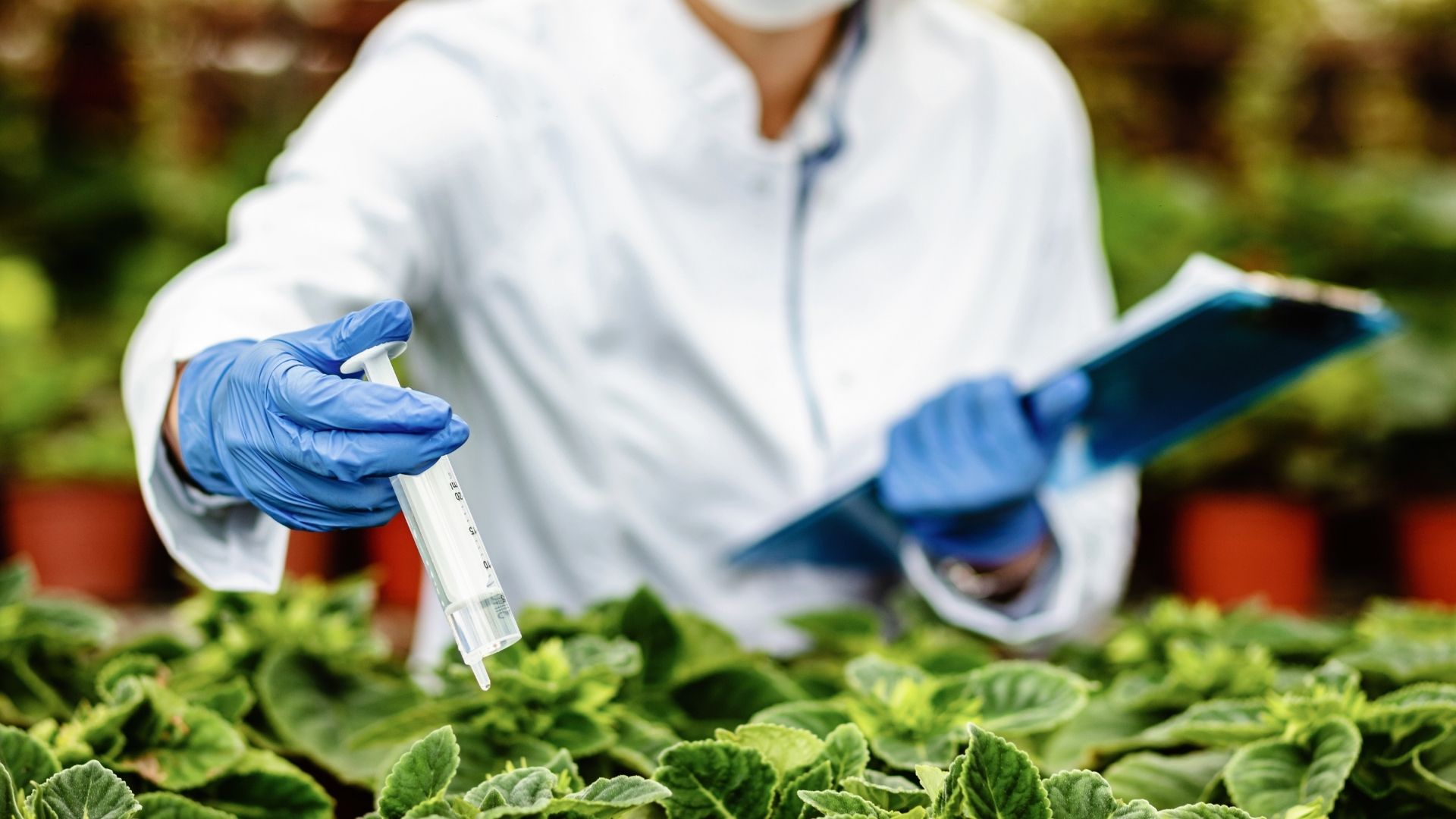
Biological control offers farmers both economic and agronomic advantages. It strengthens crop health, reduces risks associated with pests and pathogens, and supports sustainable farming practices over the long term.
The following are a few major benefits that farmers can experience by adopting biological control:
Lower Disease-Related Crop Loss: Early suppression of pathogens prevents severe infections and reduces crop stress. As a result, plants grow uniformly, reducing losses and improving overall productivity.
Reduced Dependency on Chemicals: Farmers can cut down the number of chemical sprays required per season. This saves money, reduces residual risks, and supports more environmentally friendly farming practices.
Improved Soil Fertility: Beneficial microbes introduced through biological control enhance soil structure and organic activity. Improved soil health increases water retention, nutrient availability, and supports long-term crop productivity.
Better Yield Stability: Crops managed with biological control are more resilient to climate fluctuations and disease pressure. This leads to consistent yields across seasons, even under challenging conditions.
Market-Friendly Produce: Low-residue, healthier crops meet quality standards for both local and export markets. Farmers can achieve better prices while meeting consumer and regulatory demands.
Also Read: Types of Drones for Indian Agriculture
These benefits encourage farmers to integrate biological control into regular crop management. The next step is understanding how to apply it effectively.
How Do You Apply Biological Control to Protect Your Crops?
The effectiveness of biological control depends on using the right method at the right time. Introducing beneficial organisms before diseases establish ensures better protection and healthier crops throughout the season. The following are widely used application methods in Indian farming:
1. Seed Treatment: Farmers coat seeds with microbial formulations before sowing. This protects seedlings from soil-borne pathogens, ensuring strong early growth and uniform establishment.
2. Soil Application: Biological products are mixed with compost or farmyard manure and applied to the field. This improves soil health, supports beneficial microbial activity, and builds long-term protection against pathogens.
3. Root Dipping: Nursery seedlings are dipped in a biological solution before transplanting. This ensures early root colonisation, giving young plants a head start against infections.
4. Drip Irrigation Integration: Liquid biological formulations can be delivered through drip irrigation systems. This provides uniform distribution, improves efficiency, and supports plant health from the roots to the canopy.
5. Foliar Spraying: Some biological products target leaves to protect against fungal and bacterial infections. This helps reduce disease spread while maintaining crop growth and quality.
Want to spray on your crops faster and more accurately? With Leher’s precision drone-spraying, you can cover up to 50 acres a day, with a 22-minute flight time and maximum takeoff weight of 24.9 kg, keeping your crops healthy. Book your first drone spray service today and see the difference this season.
Although proper application ensures effectiveness, farmers may still face certain challenges and limitations when using biological control in their fields.
Challenges in Biological Control and Ways to Overcome Them
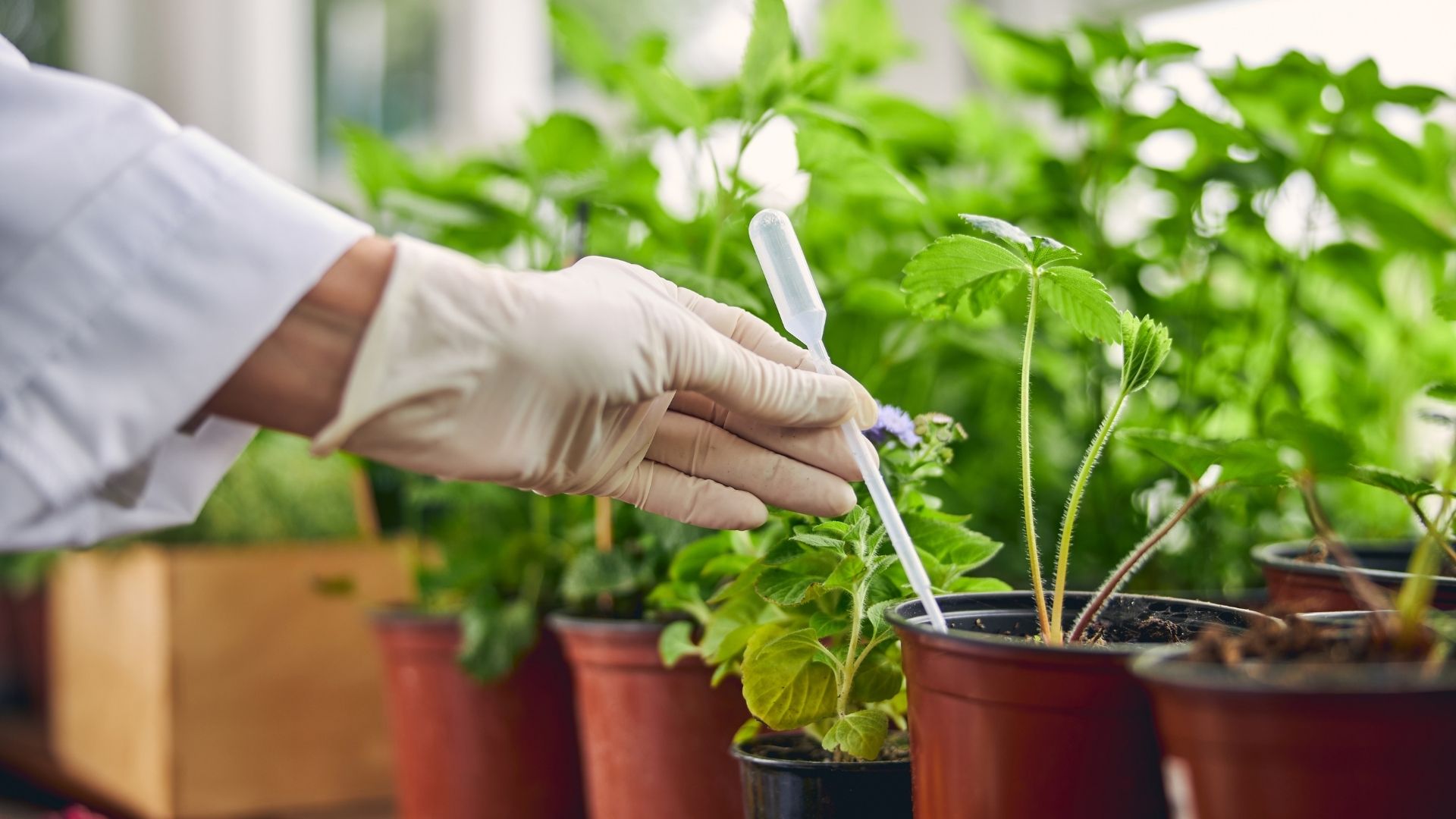
Although biological control is a natural and effective approach, it comes with certain challenges that farmers need to consider to achieve optimal results. Understanding these limitations helps plan applications more effectively and set realistic expectations. Below are a few key challenges and ways to overcome them:
1. Environmental Sensitivity
Beneficial microbes and botanical products are sensitive to temperature, humidity, and sunlight. Extreme weather can reduce their effectiveness, requiring careful timing and storage before application.
How to overcome: Apply biological products during cooler parts of the day, store formulations as per manufacturer instructions, and monitor weather forecasts to avoid heavy sun or rain.
2. Slower Action Compared to Chemicals
Unlike chemical pesticides, which provide immediate results, biological control works gradually by establishing microbial populations or by inducing plant immunity. Farmers need patience and consistent monitoring.
How to overcome: Plan applications early, integrate regular monitoring, and combine with preventive agronomic practices to maximise early protection.
3. Specificity of Agents
Some biological agents target only certain pathogens or crops. Choosing the wrong product may not control the intended disease, so proper identification and matching are essential.
How to overcome: Identify crop diseases correctly before application and select microbial or botanical agents suited for the specific pathogen. Consult extension services or certified providers if needed.
4. Storage and Shelf Life
Many microbial formulations require specific storage conditions and have limited shelf life. Improper handling can reduce viability and effectiveness in the field.
How to overcome: Follow storage guidelines strictly, purchase quantities in line with the usage schedule, and check expiry dates before application.
5. Integration with Other Practices
Biological control works best when combined with good agronomic practices. Overuse of chemicals, poor irrigation, or unhealthy soil can reduce its impact, requiring holistic crop management.
How to overcome: Maintain soil health, use proper irrigation, and reduce chemical overuse to create a favourable environment for beneficial microbes.
Next, let’s see how Leher’s precision drones help farmers implement biological control efficiently.
How Leher’s Drones Support Efficient and Sustainable Farming
Leher is reshaping Indian agriculture by turning cutting-edge drone advancements into practical, on-ground results for farmers and rural entrepreneurs. With a mission to make spraying faster, safer, and more cost-effective, Leher combines smart technology with an approach that prioritises farmers’ needs and maximises their benefits.
Here’s how Leher creates real impact:
Proven Scale and Reach: Leher has already sprayed over 35,000 acres across India, partnering with 2,200+ drone operators to serve smallholder farmers, cooperatives, and estates.
Fast and Efficient Spraying: Each drone can spray up to 50 acres a day, with a 10-litre tank, 22-minute flight time, and 45-minute recharge. Spraying takes minutes, not hours.
Lower Chemical Use, Better Results: Farmers using Leher’s drones report up to 75% less chemical residue and 30–50% yield improvements, especially in crops like tea, rubber, and horticulture.
Easy Access Through Mobile Booking: Farmers can book services through the Leher app, WhatsApp, or a centralised call system. Trained, DGCA-certified pilots handle the spraying, and payment is collected only after the job is complete.
Support for Drone Entrepreneurs: Leher empowers rural youth to become drone service providers. Its partner program includes training, financial assistance, and an app to manage daily operations, orders, and payments.
Data-Backed Decision-Making: Every spray is logged through Leher’s Spray Management System. Farmers receive GPS flight paths, chemical usage logs, and auto-generated reports to support subsidy applications and planning.
Want precise, uniform coverage for your crops without manual effort?
Leher’s drones spray efficiently at a maximum height of 40 m AGL and an operating range of 500 m, saving inputs, labour, and protecting crops. Download the Leher app today (Google Play, App Store) or join our Drone Partner Program to get started.
FAQs
1. Can biological control be used alongside chemical pesticides?
Yes, biological control can complement chemical sprays. Use chemicals sparingly and at recommended intervals to avoid harming beneficial microbes while still controlling pests effectively.
2. Can biological control help reduce post-harvest crop losses?
Yes, certain microbial agents and botanical extracts can prevent fungal and bacterial infections during storage, helping maintain crop quality and reduce post-harvest losses.
3. Are all crops suitable for biological control?
Most crops can benefit, but some microbes are crop-specific. Correct matching of pathogens, crop type, and biological product is essential for effective disease suppression.
4. Can biological control reduce overall farming costs?
Yes, it reduces dependence on chemicals, improves soil health, and reduces the need for repeated sprays. Over time, farmers save on inputs and labour, and achieve higher yield stability.
5. Is training required to use biological control products effectively?
Basic knowledge of application timing, dosage, and crop type is important. Guidance from extension services or certified providers ensures maximum effectiveness.
Let’s Grow Together!
Interested in drone spraying solutions? Connect with us today.