Essential Principles of Plant Disease Management
Effective plant disease management safeguards crop yields, ensures food security, and sustains agricultural economies, especially in India, where farming supports over 50% of the workforce. Up to 40% of global crop production, valued at $220 billion annually, is lost to pests and diseases, with India experiencing annual losses of 20-30% in staples such as rice, wheat, and pulses due to fungal pathogens and viruses.
In 2024, India's agricultural losses from diseases such as rice blast exceeded ₹10,000 crore, underscoring the urgent need for systematic strategies.
This blog explores essential principles of plant disease management tailored to Indian contexts, from paddy fields in Punjab to sugarcane belts in Maharashtra, providing actionable strategies for farmers and agronomists.
Key Takeaways
Early detection is essential for controlling plant diseases and minimizing crop damage.
Prevention methods, like resistant varieties and sanitation, can reduce costs and improve long-term yields.
Risk assessment helps identify vulnerabilities and prepare for disease outbreaks.
Integrated Disease Management (IDM) combines biological, cultural, and chemical methods to reduce pesticide use and promote sustainability.
Education and training equip farmers with the knowledge and tools to manage diseases and improve crop productivity.
Early Detection and Diagnosis
One of the most crucial aspects of plant disease management is early detection. The earlier a disease is identified, the better the chances of controlling it and preventing widespread damage across fields. Early diagnosis significantly reduces disease severity, improves treatment outcomes, and cuts costs for smallholder farmers, who are often the hardest hit by plant disease outbreaks.
Key Methods: Regular screenings, diagnostic tests like PCR kits, and field inspections using mobile apps, which are now easily accessible to many farmers across India.
Impact: Timely interventions reduce the harsh use of fungicides by 30-50% and improve crop recovery rates in tomatoes and chillies. By implementing these early detection methods, farmers can significantly reduce unnecessary pesticide use, thereby lowering input costs and improving overall crop health.
Prevention: The First Line of Defense
Prevention remains the cornerstone of plant disease management, especially in India’s diverse agro-climatic zones. Proactive steps can curb outbreaks, reduce intervention costs, and promote sustainable farming practises. Measures such as resistant hybrids and sanitation practises help build long-term resilience against plant diseases.
Key Strategies: Seed treatments, proper field sanitation, disease-resistant varieties (such as DRR Dhan 44 for rice blast), and farmer awareness campaigns through Krishi Vigyan Kendras (KVKs).
Long-term Impact: Prevention reduces pressure on input supplies, lowers costs by 20-50%, and ensures stable yields despite climate variability. By adopting preventative strategies, farmers can improve their long-term sustainability and reduce reliance on costly chemical treatments.
For example, crop rotation with legumes in Punjab’s wheat-rice belt helps prevent soil-borne diseases such as take-all. In Maharashtra’s grapevines, using downy mildew-resistant rootstocks alongside drip irrigation has halved losses, allowing farmers to grow healthier crops while reducing water usage.
Also Read: Pest Management Strategies for Sugarcane Crop
Risk Assessment and Management
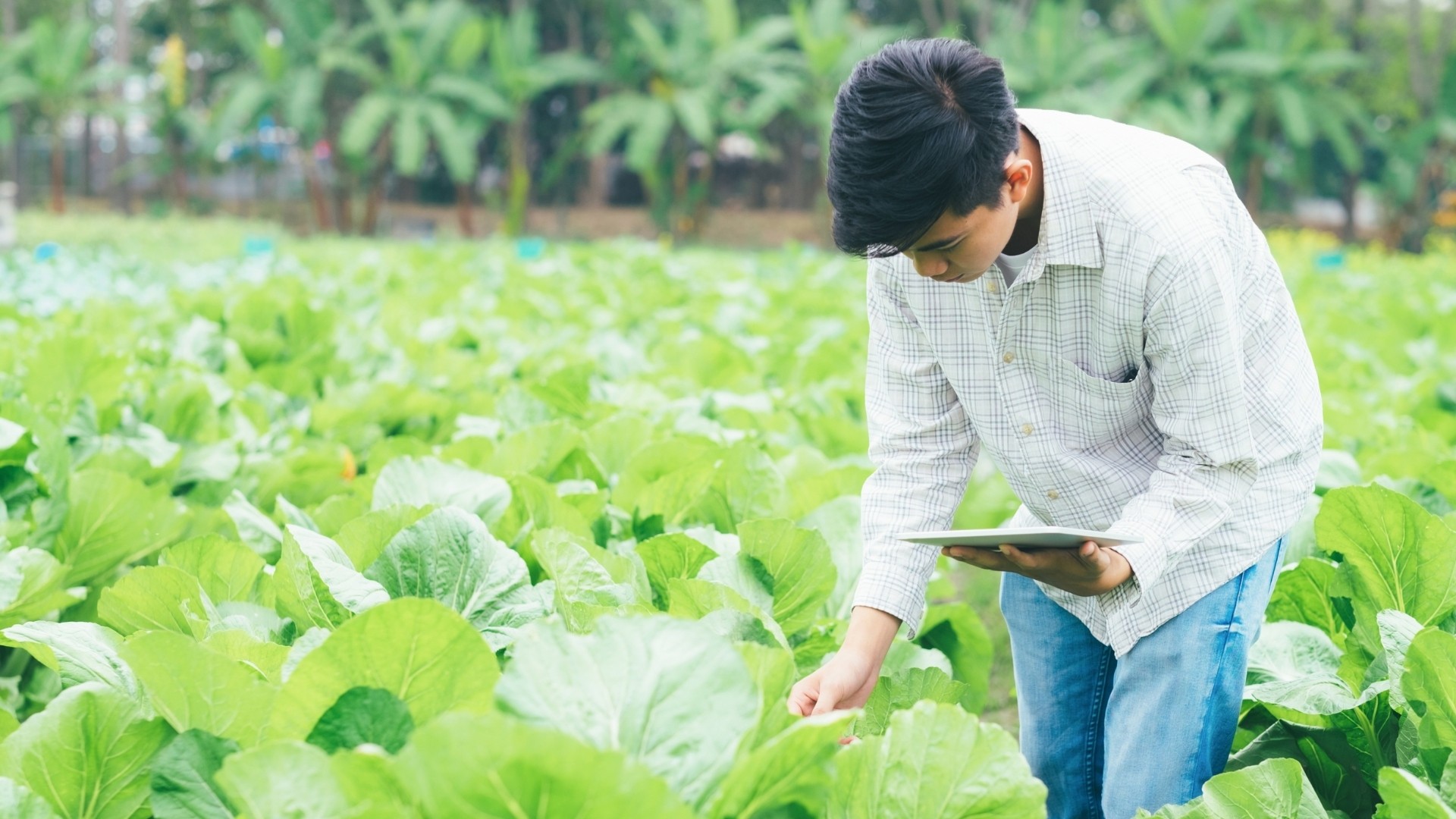
Risk assessment is a critical tool for identifying a farm’s vulnerabilities to plant diseases. It takes into account environmental factors like climate, soil conditions, and crop characteristics. In India, the impact of monsoon failures or extreme heatwaves significantly amplifies risks, requiring farmers to implement proactive mitigation strategies.
Proactive risk management enables farmers to spot threats early and develop tailored strategies before epidemics occur.
Key Factors in Risk Assessment:
1. Climate
Monsoon patterns, humidity, and temperature spikes are key drivers of plant diseases. For instance, prolonged wet spells in Bihar fuel rice sheath blight, while droughts in Rajasthan stress pearl millet, making it more susceptible to ergot disease.
2. Genetics
Crop genetics can influence disease susceptibility. Monoculture paddy in Tamil Nadu is more prone to blast disease, whereas diverse hybrids tend to reduce this risk.
3. Management Practices
Farmer practises, such as overwatering or inadequate crop spacing, often create an ideal environment for pathogen spread. For example, in Gujarat's cotton fields, dense planting practises have led to the spread of boll rot.
4. Resource Availability
The availability of quality seeds and sprays varies. Small farms in Odisha, for example, may lack access to timely diagnostics, leaving them more vulnerable to disease outbreaks.
5. Environment
Environmental factors such as polluted irrigation water and pesticide overuse disrupt the balance in agricultural ecosystems. In Andhra Pradesh, stubble burning contributes to the spread of airborne fungi that harm vegetable crops.
Want to reduce pesticide use while enhancing disease control? Leher’s drone-spraying, guided by GPS, delivers precise, targeted applications that help maintain plant health, conserve water, and reduce labour costs. Schedule your drone spraying service today!
Integrated Disease Management (IDM): A Holistic Approach to Disease Control
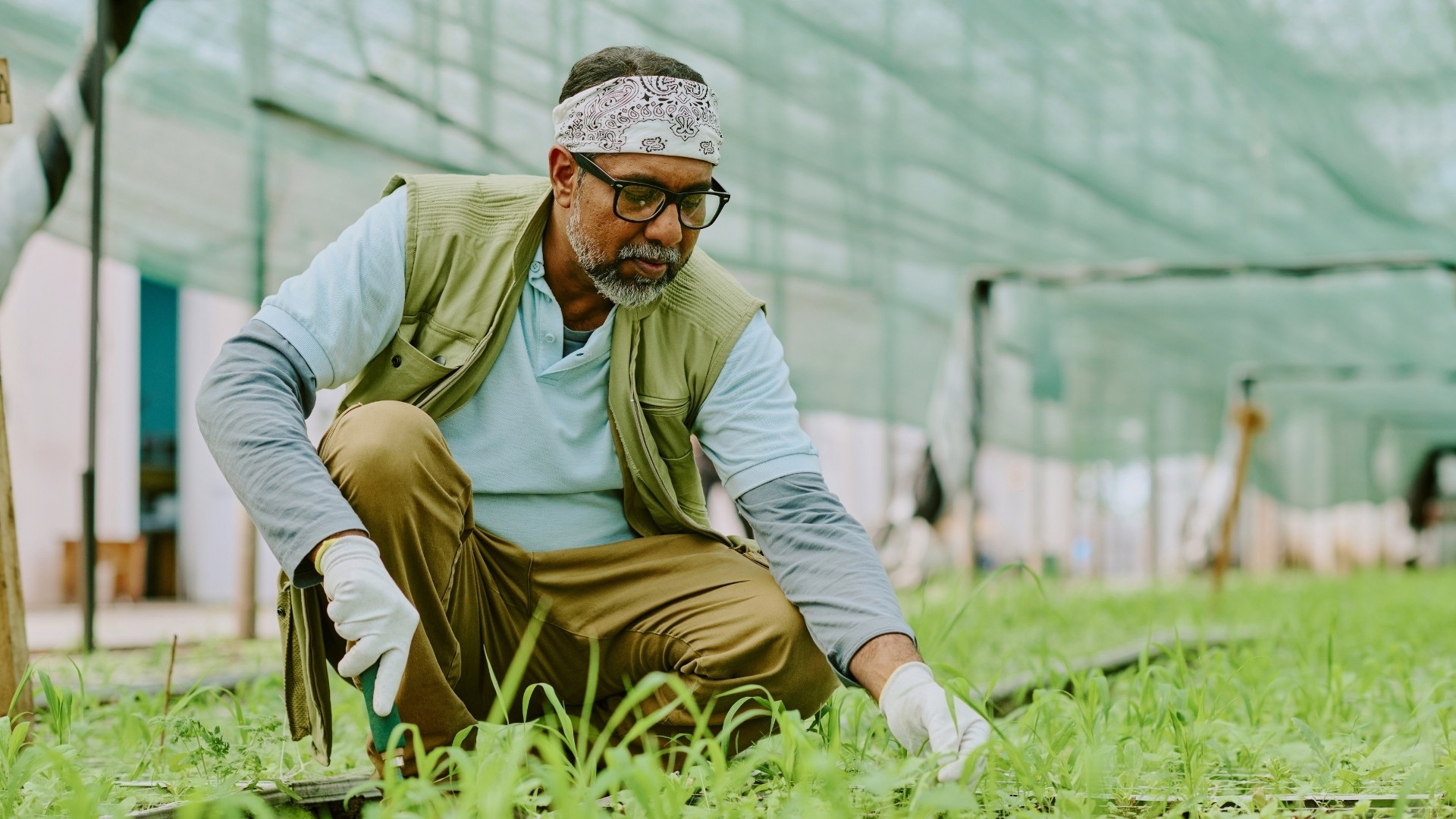
Integrated Disease Management (IDM) blends strategies to control plant diseases sustainably, especially in India’s chemical-intensive farming systems. By combining bio-agents, cultural methods, and modern technologies, IDM provides an effective solution for managing plant diseases in both rice-wheat systems and horticultural crops.
Here’s how we can manage these diseases:
Biological Controls
Natural predators, such as Trichoderma fungi, control soilborne pathogens in sugarcane; neem-based biopesticides target aphids in okra without harmful residues, reducing reliance on chemical treatments.
Chemical Treatments
Chemical treatments are used judiciously, such as systemic fungicides for controlling late blight in potatoes. These are applied following Integrated Pest Management (IPM) thresholds to avoid the development of resistance.
Cultural Practises
Cultural practises such as crop rotation, intercropping pulses with millets, and using resistant varieties like Pusa Basmati for controlling bakane disease in rice help promote soil health and reduce disease pressure.
Mechanical Solutions
Mechanical solutions, such as fruit fly traps in mango orchards and mulching to prevent splash-spread diseases in tomatoes, have proven effective.
Monitoring and Education
KVK demonstrations and apps like Plantix for real-time scouting ensure the efficacy of IDM practises, keeping farmers informed and empowered.
Treatment and Intervention: Tailored Approaches
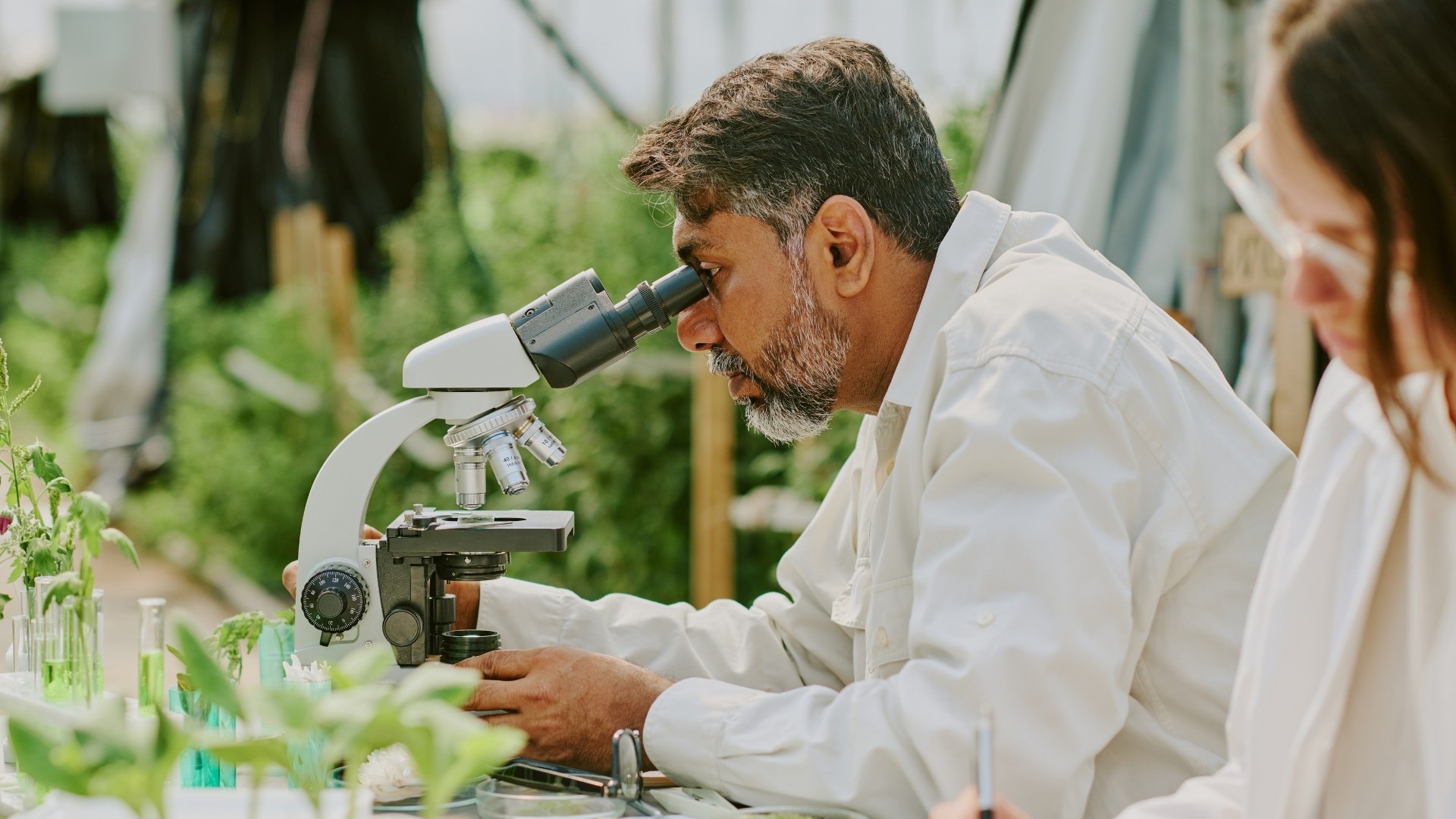
Once plant diseases are detected, precise treatments are essential to limit their spread. The severity of the disease, the crop stage, and environmental factors like monsoon conditions all play a role in determining the appropriate intervention.
Here’s how we can treat and intervene:
1. Medication
Fungicides like mancozeb are used for controlling early rust in wheat, while bactericides are used to treat citrus canker.
2. Biological Controls
Biological controls such as Bacillus thuringiensis sprays target bollworms in cotton crops, while viral agents are used to control armyworms in vegetables.
3. Mechanical Removal
Hand-picking infected leaves in chilli fields and rogueing virus-hit papaya plants can help reduce the spread of disease.
4. Targeted Chemical Treatments
Drone-assisted application of bio-agents and soil amendments as part of wilt management programmes.
In Kerala’s spice plantations, bio-fungicides preserve black pepper yields while also curbing environmental runoff.
Monitoring and Surveillance
Ongoing surveillance tracks plant disease dynamics in real time, enabling adaptive strategies in response to India’s highly variable weather conditions. Monitoring ensures that disease management practises remain up to date and effective.
Here is how to monitor and do surveillance for these diseases.
Regular Check-Ups and Field Inspections: Farmers can regularly scout their fields to catch early signs of disease, such as Alternaria in mustard fields, before it spreads.
Surveillance Systems and Real-Time Data Tracking: ICAR’s PPQS network issues national alerts to farmers when new diseases are detected, allowing for swift action.
Use of Drones and Remote Sensors in Agriculture: NDVI (Normalized Difference Vegetation Index) drone imagery helps detect soybean stress, enabling early intervention.
Monitoring Systems in Healthcare for Infectious Disease Tracking: Similar surveillance systems in agriculture can track plant disease risks.
Data-Driven Approaches for Prompt Response: AI-powered apps can predict disease outbreaks, such as wheat rust, using historical data and weather patterns.
This continuous monitoring ensures that disease management strategies evolve, preventing the spread of epidemics like the wheat rust outbreak in Madhya Pradesh in 2024.
Education and Training: Empowering Communities

Training and education programmes equip Indian farmers with the knowledge and skills to proactively manage plant diseases. From smallholders in Jharkhand to large-scale farmers in Punjab, these programmes make a tangible difference.
Here’s how training can be done to combat plant diseases:
Training Programmes for Healthcare Workers: Extension officers are trained in molecular diagnostics to improve disease identification and management in the field.
Workshops for Farmers on Sustainable Practises: ATMA (Agricultural Technology Management Agency) schemes teach farmers about IDM and its applications, such as controlling sorghum rust.
Public Health Campaigns on Prevention and Hygiene: Farmers are educated through Doordarshan programmes aboutsthe importance of seed treatment.
Educational Materials on Best Practises for Disease Control: ICAR pamphlets distributed to farmers provide valuable information about viral mosaics and other crop diseases.
Awareness Programmes for Lifestyle Changes and Seed Treatment: Much like seed priming, education on bio-inoculants and proper hygiene can enhance overall crop health.
Education and training programmes empower farmers with the knowledge to identify diseases early, understand prevention techniques, and implement effective treatment strategies. For farmers, workshops on sustainable farming practises such as crop rotation and pest control help improve crop health and reduce losses.
Conclusion
Effective plant disease management is crucial to maintaining healthy crops and ensuring sustainable agricultural practises. By combining traditional methods with innovative technologies such as Leher's drone-powered spraying services, farmers can enhance disease control while minimising resource use. Drones help reduce pesticide application, water consumption, and labour costs, all while increasing the speed and precision of disease management efforts.
With quicker response times, higher productivity, and better crop yields, Leher’s solutions enable farmers to combat plant diseases efficiently without compromising plant health or the environment.
Leher's approach makes this modern technology accessible and easy to implement. Our drones, equipped with advanced sensors and GPS technology, deliver targeted disease control, saving time, reducing costs, and supporting sustainable farming practices.
Download the Leher app today (Google Play, Apple Store) to enhance your farming practices, lower costs, and achieve long-term, profitable outcomes with ease.
FAQs
1. Why is early detection important in disease management?
Early detection allows for prompt treatment and helps curb the spread of diseases. In Indian paddy fields, early detection of blast can save 20-30% in yields.
2. What preventive measures can help control disease spread?
Seed treatments, proper sanitation, and the use of resistant varieties like HD 3226 wheat help prevent disease buildup, especially in the Indo-Gangetic plains.
3. How does Integrated Disease Management (IDM) help in controlling diseases?
IDM integrates multiple methods, reducing chemical use while improving sustainability in cotton and vegetable crops.
4. How can monitoring and surveillance contribute to better disease control?
IDM integrates multiple methods, reducing chemical use while improving sustainability in cotton and vegetable crops.
Let’s Grow Together!
Interested in drone spraying solutions? Connect with us today.