Haryana Drone Technology Initiative and Training: Empowering Farmers and Rural Youth
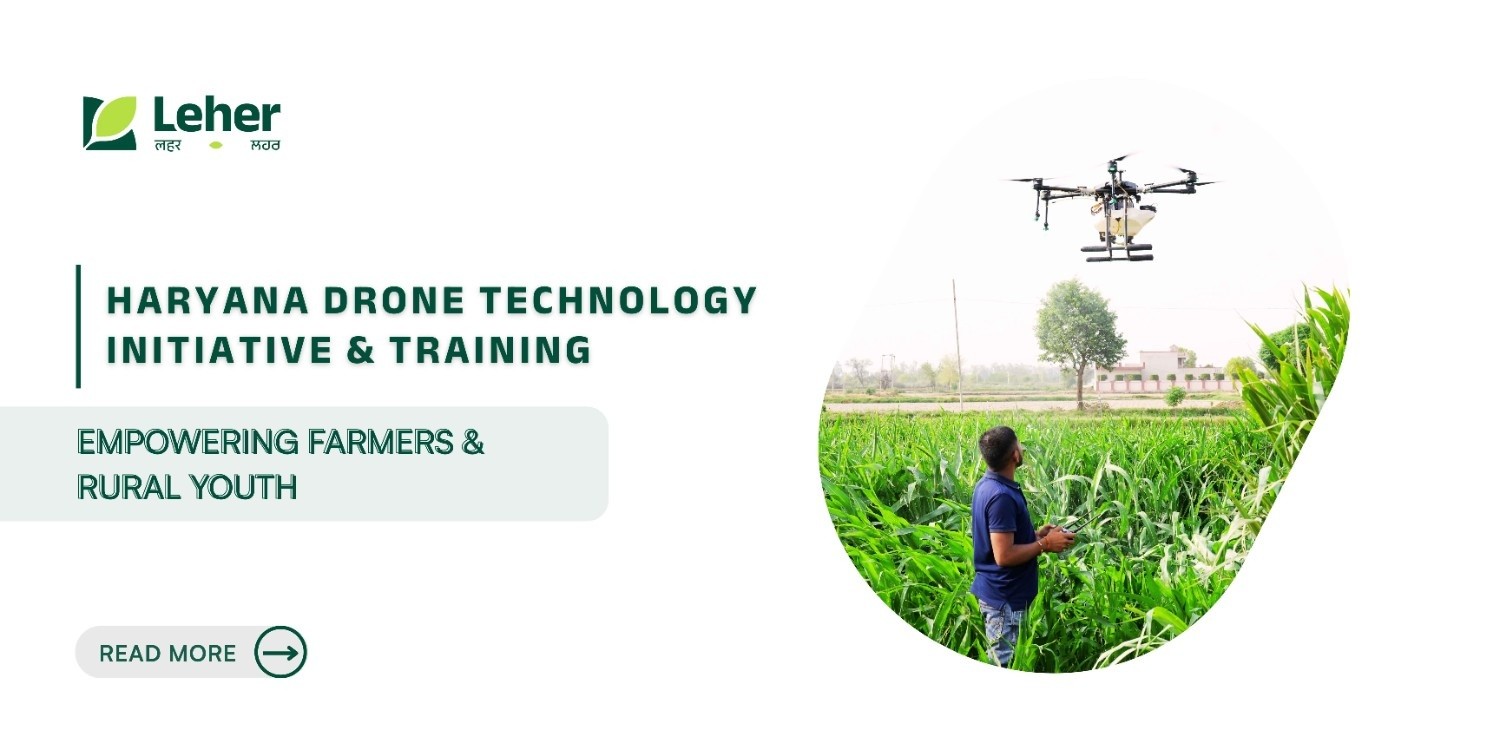
Imagine spending three hours manually spraying your 10-acre cotton field under the scorching sun, only to realise half the pesticide was wasted and the coverage was uneven. Now picture finishing the same job in just 30 minutes with precise, uniform coverage and 90% less water. This isn't a dream; it's the reality that Haryana drone technology is bringing to thousands of farmers across the state. Through pioneering initiatives such as the Drone Didi Scheme in Haryana and comprehensive drone pilot training, the state is revolutionising agriculture whilst creating new income opportunities for rural youth and women.
Key Takeaways
DRIISHYA, Haryana's state drone agency, provides subsidised drone services and runs DGCA-approved pilot training programmes, with plans to train 100 candidates per month.
Drone Didi Scheme Haryana offers free training (worth ₹20,650) and 80% subsidy (up to ₹8 lakh) on drones for 5,000 women from Self Help Groups, enabling them to earn ₹1 lakh+ annually.
Free training programmes are available for 500 farmers through the Agriculture Department and 500 SC youth, making drone technology accessible to all.
Drone spraying saves 90% of water, 40% of input costs, and completes 50 acres per day, compared to traditional methods that take weeks.
Regulatory compliance through DGCA-certified pilots and approved pesticides ensures safe, legal operations that protect both crops and workers.
The Challenge Facing Haryana's Farmers
Haryana, known as India's food bowl, faces several pressing agricultural challenges today.
Manual spraying is time-consuming and labour-intensive. A farmer with 10-15 acres typically spends days completing pesticide application, often during critical growth periods when timing matters most. Labour shortage has become a serious concern, with finding skilled workers increasingly difficult and expensive.
Water scarcity affects most districts. Traditional spraying methods waste enormous amounts of water, a precious resource that Haryana cannot afford to squander. Manual sprayers use 150-200 litres per acre compared to just 10-15 litres with drones.
Uneven application leads to crop damage. Manual sprayers often miss spots or overspray certain areas, leading to pest survival or chemical burns. Health risks for workers are real, with direct exposure causing respiratory problems, skin issues, and long-term complications.
Haryana's Vision: DRIISHYA and the Drone Revolution
Recognising these challenges, the Haryana government launched the Drone Imaging and Information Service of Haryana Limited (DRIISHYA), a dedicated state agency to spearhead drone technology adoption across multiple sectors, with agriculture as a primary focus.
What DRIISHYA Does
DRIISHYA, headquartered in Karnal, operates as the backbone of Haryana's drone ecosystem. The organisation currently manages a fleet of over 40 drones and is expanding to add 13 more units.
Agricultural Services
Drone-based spraying for pesticides, fertilisers, and nano-urea
Covers wheat, paddy, cotton, chickpea, potatoes, and vegetables
Over 30,000 acres sprayed through their network
Training & Certification
Runs DGCA-approved Remote Pilot Training Organisation (RPTO) in Karnal
7-10 day certification courses
Trained 250 farmers and certified 243 pilots to date
Expanding to train 100 candidates per month
Crop Health Monitoring
Multispectral sensors (special cameras) detect plant health issues early
Helps farmers take preventive action before diseases spread
Enables data-driven agricultural decisions
Infrastructure Services
Over 6,100 sq km mapped for land administration
Inspection of power lines, highways, and critical infrastructure
Three new training grounds planned at Karnal airport
Also read: Top Drone Services You Need to Know.
The Drone Didi Scheme Haryana: Empowering Women Through Technology
The Drone Didi Scheme, Haryana, is perhaps the most transformative initiative in the state's drone journey. Launched in August 2024, this programme targets women from Self Help Groups (SHGs) explicitly, providing them with skills, equipment, and opportunities to become drone entrepreneurs.
Programme Overview
The Drone Didi Haryana initiative aims to train 5,000 women from 500 SHGs across the state. In November 2024, the first batch of 36 women from Karnal and Kurukshetra districts began their specialised training at DRIISHYA.
Key Benefits
Feature | Details |
Training Cost | Completely free (₹20,650 value covered by government) |
Course Duration | One week intensive: theory + practical flying |
Drone Subsidy | 80% subsidy up to ₹8,00,000 per SHG |
Loan Support | Interest-free loan (up to ₹5 lakh) for remaining 20% cost |
Commercial License | Drones can be used for commercial services |
Income Potential | ₹1 lakh+ per year per SHG |
Eligibility Criteria
Women aged 18-40 years
Permanent residents of Haryana
Registered members of Self Help Groups
Minimum education: Class 10 pass
Meet medical fitness criteria
Apply online at stt.itiharyana.gov.in
Ready to transform your farming operations? Leher connects you with trained, certified drone pilots, including Drone Didis, for hassle-free spraying services at your farm. No equipment worries, just better results. Visit Leher's website to book your service today.
Haryana Drone Pilot Training: Creating Skilled Operators
Beyond the Drone Didi scheme, Haryana offers multiple pathways for farmers and youth to become certified drone pilots.
DRIISHYA Training Programmes
DRIISHYA's RPTO in Karnal provides DGCA-approved certification covering:
Drone Operation: Controls, flight planning, and safe operation
Maintenance: Basic repairs, battery management, and equipment care
Agricultural Applications: Spraying techniques, dosage calculations, and crop-specific requirements
Regulatory Compliance: DGCA rules, no-fly zones, and documentation
Safety Protocols: Emergency procedures and risk management
Training includes over six hours of practical flying experience.
Free Training Initiatives
For Farmers (500 Seats)
Free training through the Haryana Agriculture Department
267 farmers already trained in the first two phases
Priority for the Custom Hiring Centre and FPO members
Minimum age 18, Class 10 pass required
Apply at agriharyana.gov.in
For Scheduled Caste Youth (500 Seats)
Special programmes promoting entrepreneurship
Free certification worth ₹20,000-₹25,000
Focus on self-reliance and skill development
For Rural Youth (140 Seats)
Under Deen Dayal Upadhyay Grameen Kaushal Yojana (DDU-GKY)
Training worth ₹40,000-₹50,000 provided free
Includes drone manufacturing and assembly skills
Contact Haryana State Rural Livelihood Mission
Training Costs and Support
While market rates for drone pilot training range from ₹40,000-₹65,000, Haryana's government programmes have made training accessible:
Subsidised Accommodation During Training:
X category cities: ₹375 per day
Y category cities: ₹315 per day
Z category cities: ₹250 per day
Rural areas: ₹220 per day
How Drone Spraying Works with Leher
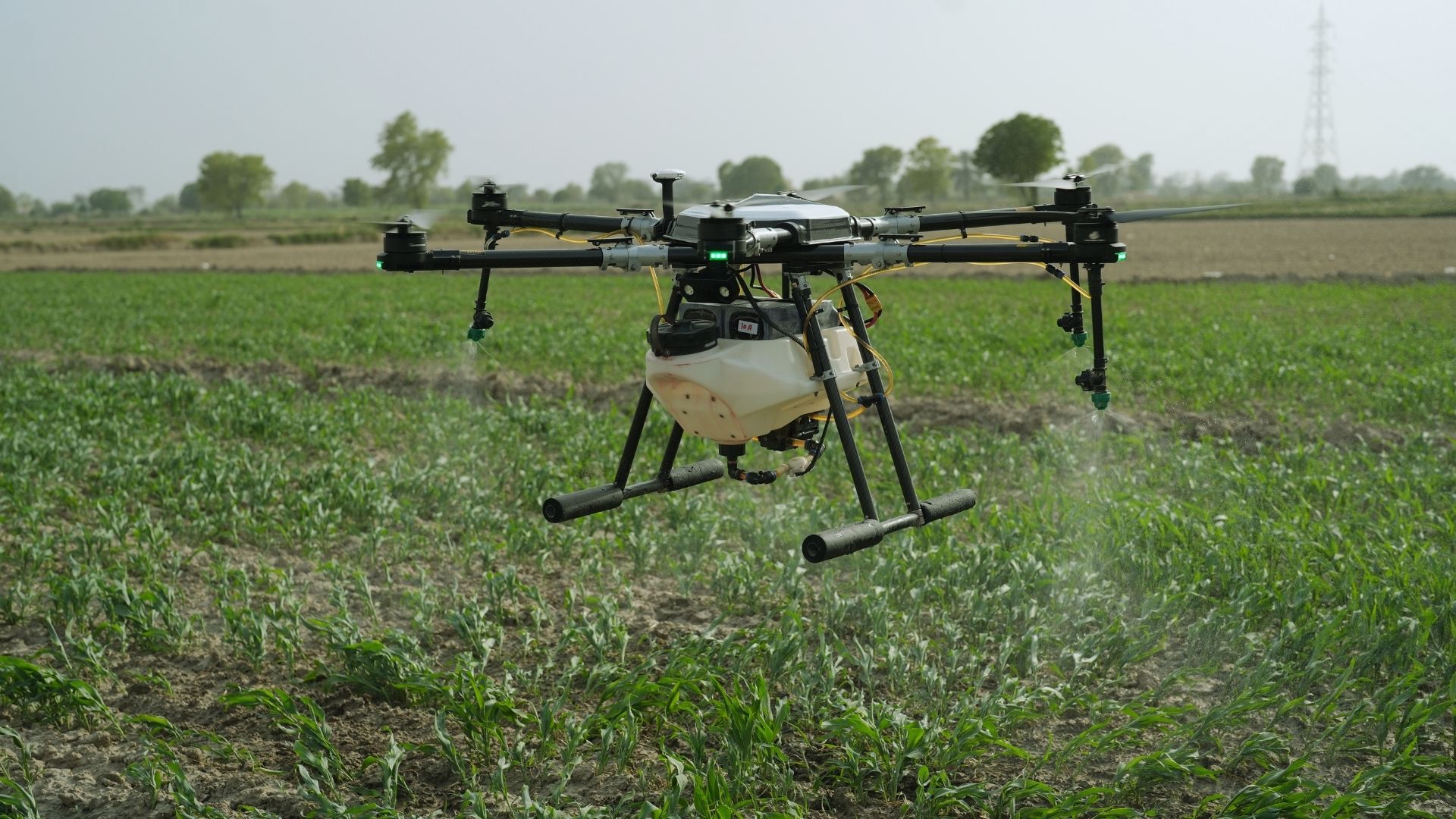
When you book drone spraying through the Leher app, the process is straightforward:
Step 1: Book via the App
Download the Leher mobile app (Android and iOS). Enter your farm location, crop type, and acreage. Select the service you need: pesticide spraying, fertiliser application, or nutrient spray.
Step 2: Certified Pilot Arrives
A DGCA-certified drone pilot from Leher's network visits your farm on the scheduled date. Many pilots are trained through the Haryana drone pilot training and Drone Didi Haryana initiatives.
Step 3: Spraying Operation
The pilot surveys your field, programmes the drone's flight path, and begins spraying. The drone flies at optimal height (3-5 metres), maintaining consistent speed and coverage.
Step 4: Quality Assurance
Complete coverage is ensured, with special attention to edges, corners, and difficult-to-reach areas. The entire operation is documented.
Step 5: Pay After Completion
You pay only after successful completion. Leher's transparent pricing: ₹300-₹700 per acre, far more economical than traditional methods.
The Technology Behind Precision Spraying
Modern agricultural drones use advanced technology for accurate application:
GPS and Navigation Systems ensure centimetre-level accuracy. The drone follows pre-programmed flight paths, knowing exactly where to spray.
Smart Spraying Technology uses sensors to detect crop height and density, automatically adjusting spray volume and nozzle pressure for uniform coverage.
Real-Time Monitoring allows operators to track every inch of coverage on tablets or smartphones.
Obstacle Avoidance sensors detect trees, power lines, and other obstacles and automatically adjust flight paths.
Variable Flow Rate Nozzles adjust spray droplet size based on the chemical being used and wind conditions.
Speed and Efficiency
One drone sprays up to 50 acres per day, roughly 5 minutes per acre.
Comparison:
Manual Method: 10 acres take 2-3 days with multiple labourers
Drone Method: 10 acres completed in 50 minutes with one operator
This 8x productivity boost means you can complete spraying during critical windows when weather and pest pressure are optimal.
Confused about which training programme suits you? Skip the complexity and start benefiting immediately. Leher's certified drone operators bring expertise directly to your farm, book through the app and experience precision agriculture without the learning curve. Explore Leher's services.
Benefits of Drone Technology for Different Users
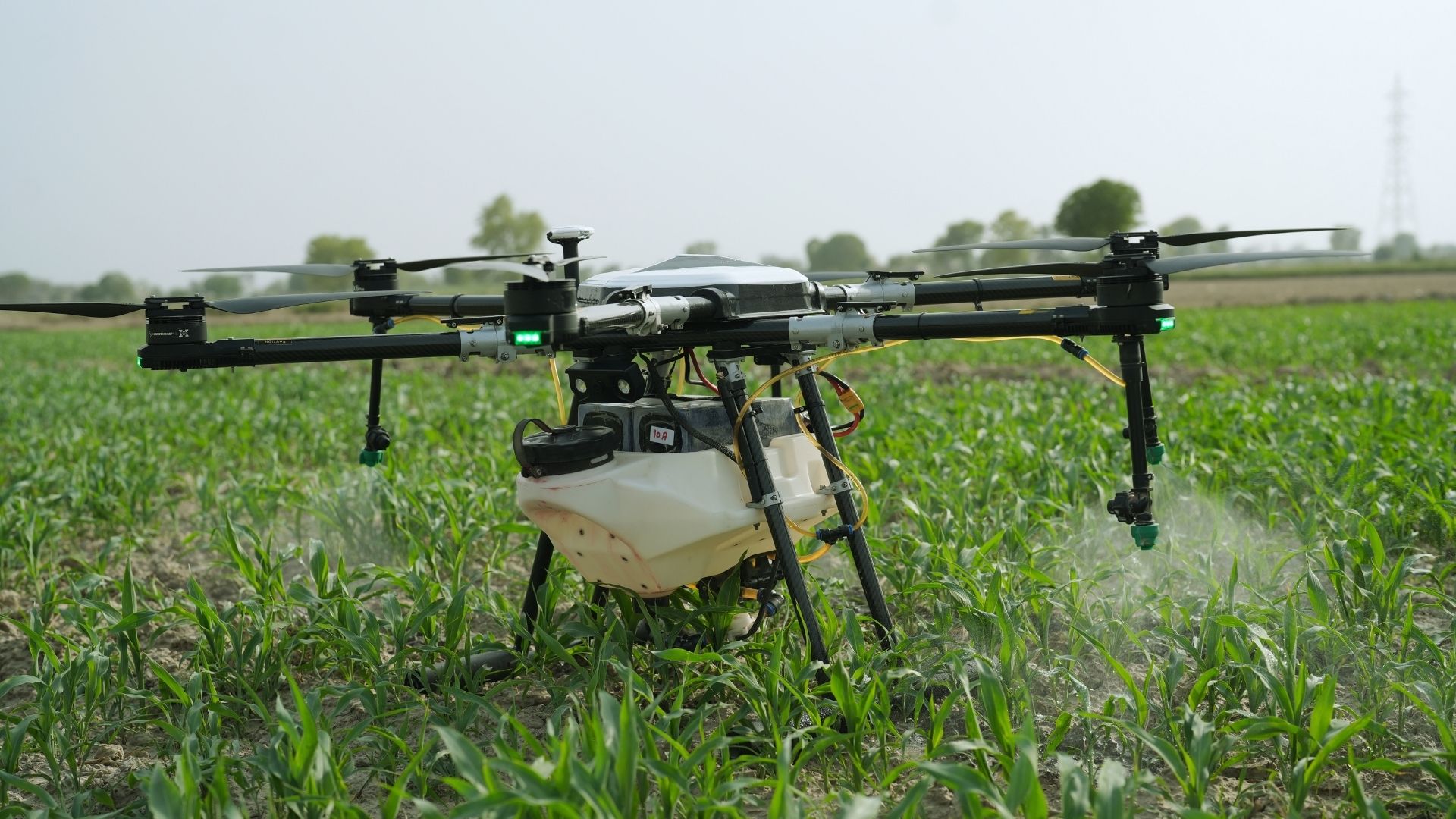
Drone technology is reshaping agriculture for every stakeholder. From helping farmers improve efficiency to enabling rural women and entrepreneurs to build sustainable businesses, drones offer practical, measurable advantages. Each group gains unique benefits, from savings and accuracy to speed, safety, and new income opportunities.
For Farmers (7+ Acre Landowners)
Drones help farmers save water, reduce pesticide use, and lower spraying costs through precise application. They complete 50 acres a day without damaging crops, work on uneven or waterlogged fields, and improve crop health with uniform coverage that prevents missed spots and over-spraying.
For Drone Didis and Rural Women Entrepreneurs
Women gain new income opportunities through subsidised drone ownership, earning up to ₹1 lakh annually. Drone operations build valuable technical skills, support entrepreneurship, and offer flexible work aligned with farming seasons, backed by ongoing government support.
For Drone Entrepreneurs and Service Providers
A growing demand for drone services across Haryana creates strong market potential across spraying, surveying, and consultancy. Entrepreneurs benefit from subsidised pilot training, access to government tenders, and Leher's network of 100+ operators, making it easier to scale in one of India's fastest-growing agritech sectors.
For Large Farms and Agribusinesses
Large estates can complete spraying in days instead of weeks while reducing reliance on seasonal labour. Drone data supports better crop monitoring, variable rate application, and more accurate yield planning. Detailed digital records also simplify compliance and traceability requirements.
Also read: Advancements in Drone Battery Technology and Performance.
Regulatory Compliance and Safety
When you use drone services through platforms like Leher or engage Drone Didi Haryana pilots, you're assured of complete regulatory compliance.
DGCA Certification
All commercial drone pilots must hold a Remote Pilot Certificate (RPC) issued by the Directorate General of Civil Aviation. This ensures:
Understanding of aviation safety rules
Ability to operate drones safely in Indian airspace
Knowledge of emergency handling procedures
Proper documentation maintenance
Pesticide Regulations
Only DGCA-approved pesticides and formulations can be used in agricultural drones. This protects:
Crop safety (preventing chemical damage)
Environmental safety (avoiding groundwater contamination)
Human health (ensuring worker and consumer safety)
Legal compliance (adhering to the Insecticides Act)
No-Fly Zones and Permissions
Certified pilots understand and respect:
Airports and airstrips (restricted zones)
Military installations and sensitive areas
International borders
Crowded public spaces
Worker Safety
Unlike manual spraying, which exposes workers directly to chemicals, drone operations keep humans at a safe distance. This eliminates:
Respiratory exposure to pesticide fumes
Skin contact with harmful chemicals
Heat exhaustion from working in protective gear
Long-term health issues from repeated exposure
Also read: Drone Spraying Requirements and Regulations Guide.
Which Farms and Crops Benefit Most
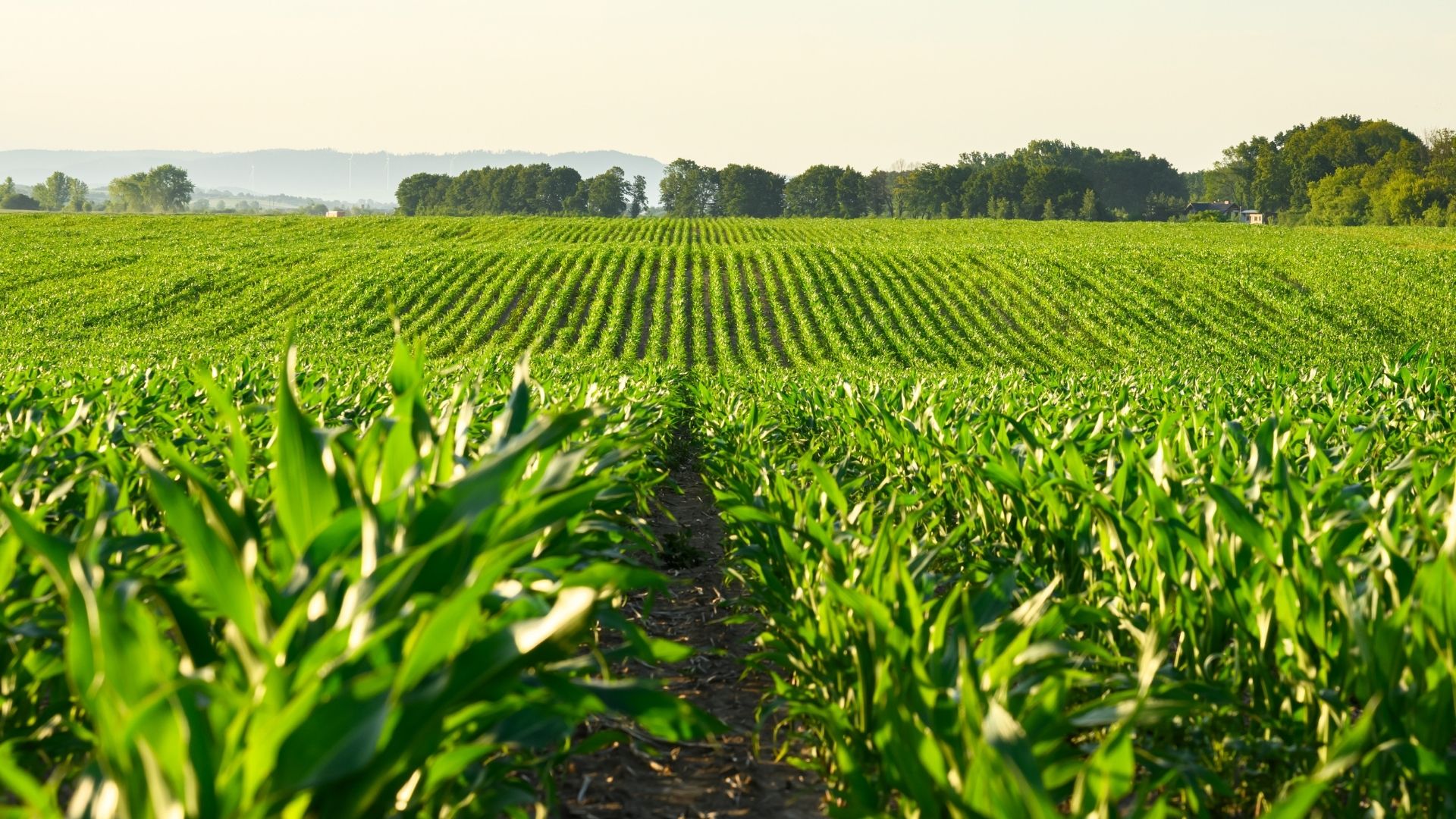
Not all farms have the exact needs, and drone spraying works best when matched with specific conditions. Here’s a quick look at which farm sizes, crops, and timings benefit most from Leher’s precision spraying approach.
Ideal Farm Sizes
7-50 Acres: The sweet spot where farms save substantial time and money whilst being large enough to justify drone deployment.
50+ Acres: Large farms and corporate estates see dramatic efficiency gains with drones covering hundreds of acres quickly.
Under 7 Acres: Small farms benefit when multiple neighbouring farmers pool together for spraying on the same day.
Best Suited Crops
Field Crops: Wheat, paddy, cotton, sugarcane, maize, and mustard are ideal for drone spraying. Large, uniform fields allow for efficient coverage.
Vegetable Crops: Potatoes, tomatoes, onions, cabbage, and cauliflower benefit from timely, precise pesticide application.
Pulses: Chickpea, lentils, and other pulse crops prone to pest attacks see excellent results.
Orchards: Mango, guava, and citrus orchards can be sprayed effectively with specialised techniques.
Optimal Timing
Peak Pest Season: During monsoon and post-monsoon, when pest pressure is highest, the speed advantage is critical.
Water Scarcity Periods: In the summer months, when water is scarce, the 90% water-saving becomes invaluable.
Labour Shortage Times: Festival seasons and harvest periods when labour is unavailable or expensive.
Critical Growth Stages: Flowering, fruit setting, and grain filling when crop protection is most important.
Not sure if drone spraying fits your farming needs? Leher's experts can assess your farm and recommend the best approach. Get personalised guidance and professional service without any guesswork. Connect with Leher today.
Conclusion
Haryana's drone revolution is transforming agriculture whilst creating unprecedented opportunities for rural communities. Through DRIISHYA's infrastructure, the Drone Didi Scheme's empowerment model, and comprehensive training programmes, the state is democratising access to advanced agricultural technology.
The numbers tell a compelling story: 90% water savings, 40% input cost reduction, 50 acres sprayed per day, and ₹1 lakh+ earning potential for rural entrepreneurs. But beyond statistics are real people, farmers saving time and money, women becoming respected entrepreneurs, and youth gaining valuable skills for the future.
Whether you're managing 10 acres or 100, whether you're seeking efficiency or empowerment, drone technology in Haryana offers tangible benefits today.
Take the next step: Download the Leher app to book your first drone spraying service, or visit the relevant government portal to apply for training programmes. The future of farming is already here, and it's flying above Haryana's fields right now.
Frequently Asked Questions
Q1: How much does drone spraying cost compared to traditional methods?
Drone spraying through Leher costs ₹300-₹700 per acre, which is approximately 20% cheaper than traditional methods when you factor in labour, inputs, and time. You also save 90% water and 40% of pesticides due to precise application. For a 10-acre farm, you could save ₹3,000-₹5,000 per spraying cycle whilst getting better coverage and protecting your crops from trampling damage.
Q2: Can small farmers with 5-7 acres benefit from drone technology?
Yes, absolutely. Small farmers can book drone services through Leher without owning equipment. The pay-per-acre model makes it affordable even for smaller farms. Additionally, you can coordinate with neighbouring farmers to book spraying on the same day, making it even more cost-effective. The time and water savings are significant regardless of farm size.
Q3: How long does the Drone Didi training take, and what's the total investment required?
The Drone Didi training is a one-week intensive course that's completely free (the government covers the ₹20,650 training cost). For the drone itself, you get 80% subsidy (up to ₹8 lakh) and an interest-free loan for the remaining 20% (up to ₹5 lakh for one year). So your SHG's actual out-of-pocket expenses are minimal, and you can start earning ₹1 lakh+ annually from drone services.
Q4: Is drone spraying safe for my crops and workers?
Yes, drone spraying is very safe. All pilots are DGCA-certified and use only approved pesticides. The technology ensures uniform coverage without over-spraying or missed spots that could harm crops. For workers, it's much safer than manual spraying as there's no direct exposure to chemicals, the operator stands at a safe distance using remote controls, eliminating respiratory and skin contact risks.
Q5: What happens if I need drone service during peak season when demand is high?
Leher maintains an extensive network of certified drone operators, including Drone Didis, across Haryana to ensure availability during peak seasons. When you book through the app, you're matched with available pilots in your area. It's best to book a few days in advance during peak seasons. The platform ensures you get timely service when your crops need protection most.
Q6: Can I become a drone pilot if I've never operated any technical equipment before?
Yes, you don't need prior technical experience. The training programmes (DRIISHYA, Drone Didi, etc.) are designed for beginners and include both theoretical knowledge and hands-on practical flying sessions. If you're Class 10 pass and meet the age requirements, you can learn to operate drones professionally. Many successful Drone Didis had no technical background before training.
Let’s Grow Together!
Interested in drone spraying solutions? Connect with us today.