Types of Drones for Indian Agriculture
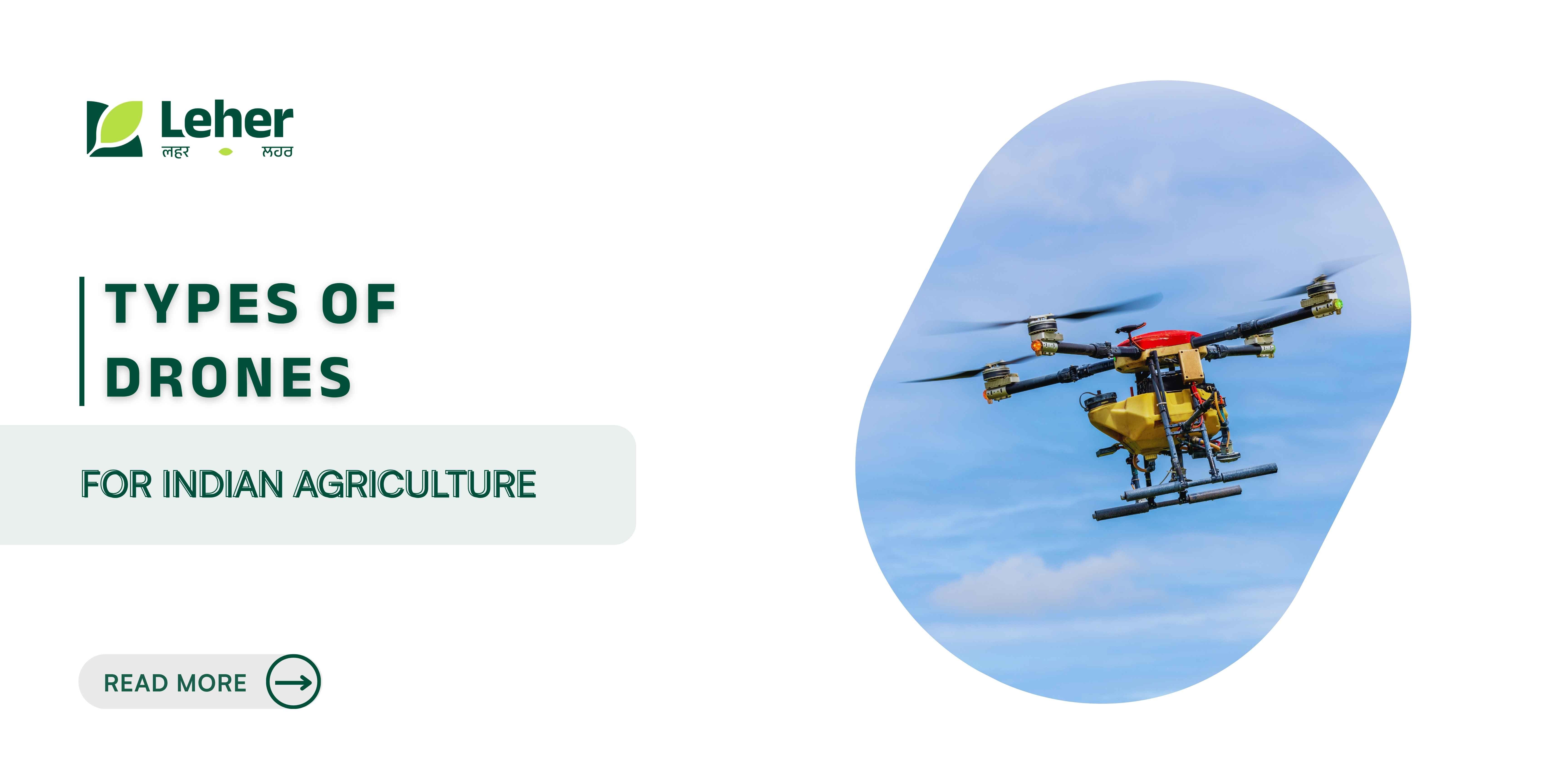
Farming in India faces many challenges, from labour shortages to the rising costs of pesticides and water. Traditional methods of spraying crops by hand can be slow, uneven, and wasteful, leaving farmers frustrated and impacting their crop yields.
However, a recent study showed that farmers using drones have experienced a notable 6.04% reduction in per-acre cultivation costs compared to those who do not use this technology.
Drones are changing this picture by offering a way to spray crops faster and more precisely. These flying machines use GPS and advanced sensors to target the exact spots that need treatment, saving time, reducing chemical use, and keeping farmers safe from exposure.
In this blog, we will explore the different types of drones used in Indian agriculture. You will learn which drones can help with spraying, monitoring, and other tasks, so you can decide which one fits your farm's needs best.
Key Takeaways
Indian farms face challenges like labour shortages, high pesticide costs, and uneven spraying that impact crop yields and productivity.
Drones use GPS and advanced sensors to spray crops faster and more precisely, saving time, chemicals, water and reducing health risks for farmers.
There are several types of drones for agriculture in India, including rotary-wing (quadcopters, hexacopters, octocopters), fixed-wing, hybrid, fertiliser spraying, crop monitoring, and mapping drones.
Choosing the right drone depends on factors like farm size, payload capacity, flight time, and camera or sensor features suitable for the specific farm needs.
Government initiatives like the Kisan Drone Scheme and Drone Rules 2021 support affordable drone adoption through subsidies, training, and simplified regulations.
Why Use Drones In Agriculture
Agriculture in India often faces challenges like a shortage of labour, uneven spraying, and high costs due to manual crop care methods. These hurdles slow down farming work and can reduce yields, putting pressure on farmers and service providers.
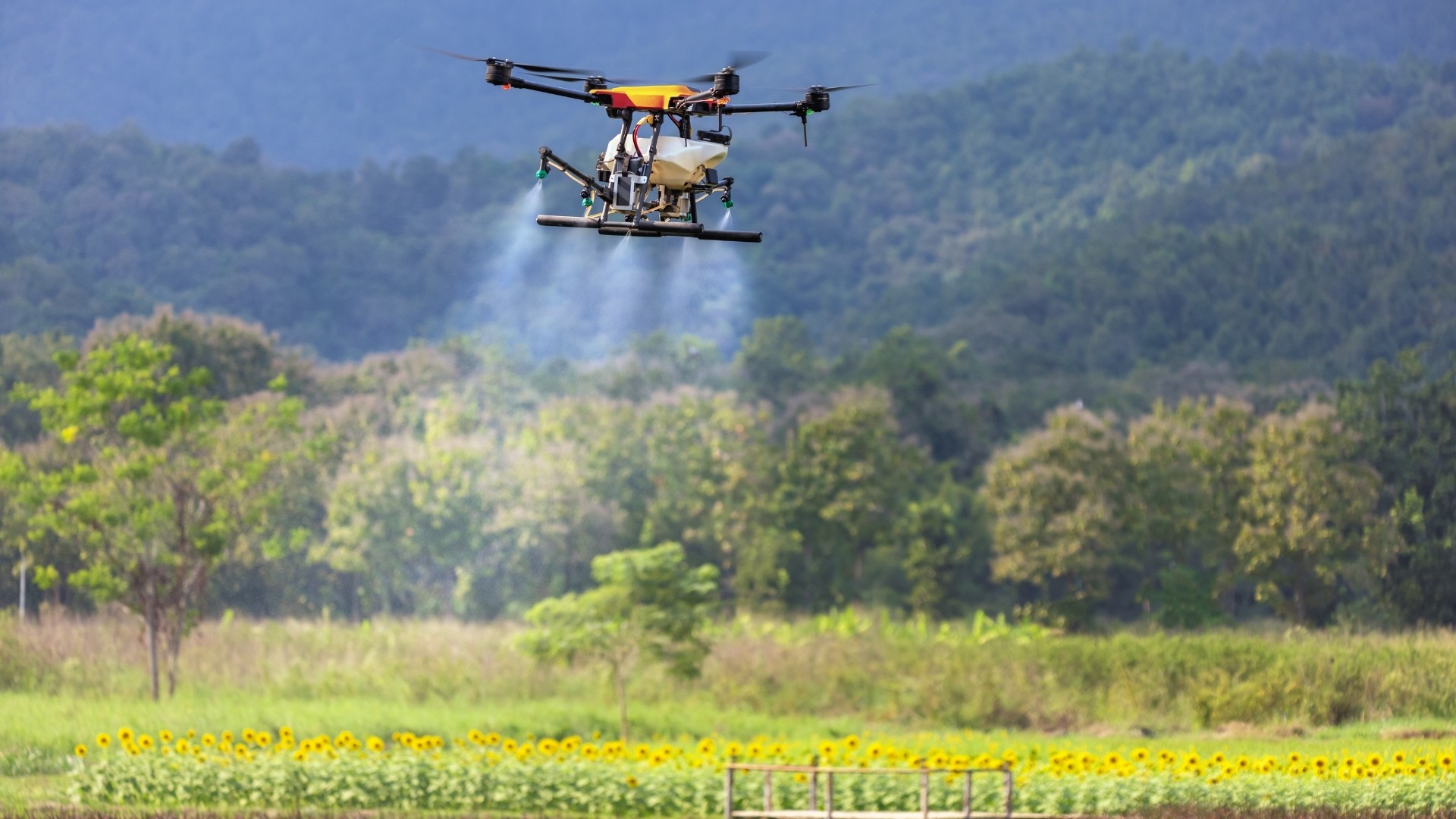
Drones offer a smart solution by making spraying and crop monitoring much quicker and more precise. Here’s how it works: First, the drone uses its GPS to map your field's exact boundaries. Then, as it flies, its sensors and nozzles work together to adjust the spray in real-time, ensuring every plant gets the right amount.
This targeted approach saves water, chemicals, and time, while also keeping you safe from direct exposure to harmful pesticides. Drones provide solutions to common farming problems such as labour shortages, uneven spraying, and crop monitoring challenges. Their ability to gather precise data and perform tasks quickly makes farming easier and more productive.
Other benefits include:
Time Savings
Drones cover large farms much faster than manual labour. What takes hours or days on foot, a drone can do in minutes, helping farmers finish spraying and monitoring quickly and freeing up time for other tasks.
Cost Reduction
By spraying only the areas and amounts needed, drones significantly cut down on the use of pesticides, fertilisers, and water. Less waste means lower input costs and healthier crops.
Enhanced Safety
Drones keep farmers out of harm’s way by handling pesticide spraying remotely. This reduces direct exposure to chemicals, offering a safer working environment.
Better Crop Management
With real-time data and images, drones help farmers identify pests, diseases, or dry patches early. This allows for timely intervention and improved crop health and yields.
Support for Decision-Making
Drones provide accurate maps and detailed reports that help farmers plan irrigation, fertiliser application, and harvesting schedules. These insights reduce guesswork and increase farming confidence.
Now that we see the 'why,' the next question is 'which one?' The right drone for you depends on your farm's specific needs, and there are several types to choose from.
Also read: Pros and Cons of Drones in Agriculture
Types Of Drones In India For Agriculture
Agriculture drones in India come in various types, each designed to meet specific farming needs such as spraying, monitoring, or mapping. Understanding the different drone types helps farmers and entrepreneurs pick the right tool for their lands.
Rotary-Wing Drones
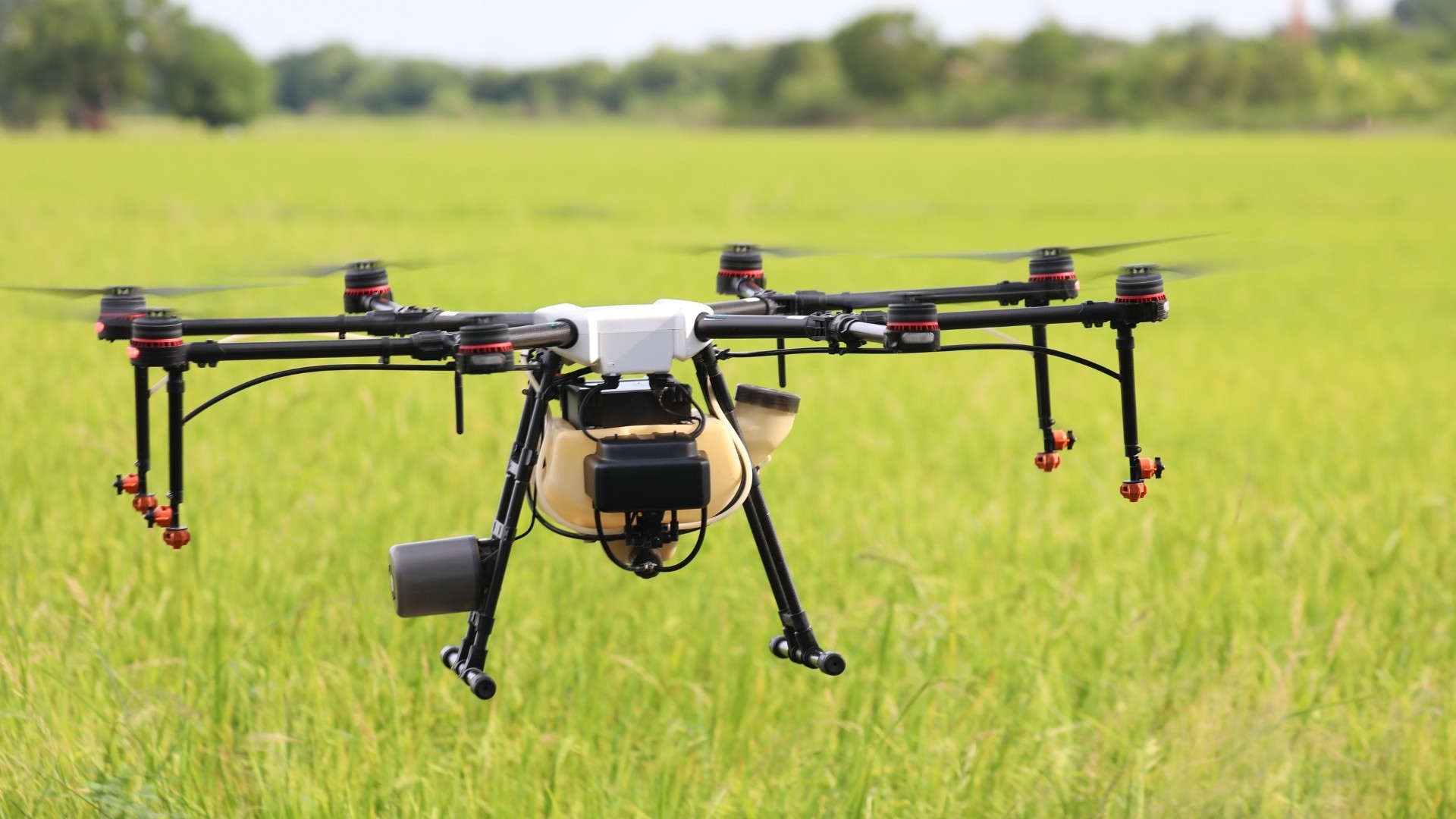
Rotary-wing drones use rotating blades to take off and hover in place. They are agile, easy to control, and widely used for spraying and monitoring smaller or irregularly shaped fields. Their ability to hover makes them perfect for precision spraying in Indian farms.
Different types include:
1. Quadcopters
Quadcopters have four rotors and are popular for their balance of size, power, and cost. They are easy to fly and carry light to moderate pesticide loads.
Features:
Compact design for ease of use
Suitable for small to medium farms
Cost-effective for first-time drone users
2. Hexacopters
Hexacopters provide more power and stability than quadcopters. They can carry larger spray tanks and handle wind better, making them ideal for bigger farms or tougher conditions. These are the most commonly used drones in India.
Features:
Higher payload capacity
Increased flight stability
Better wind resistance
3. Octocopters
Octocopters have the most rotors, offering excellent power and load capacity. These drones are best for large farms where heavy spraying is required with long flight durations.
Features:
Maximum payload capabilities
Long flight times
Enhanced safety due to multiple rotors
4. Fixed-Wing Drones
Fixed-wing drones look like small airplanes and use wings to glide through the air. They cover larger areas quickly but need a runway or open space for take off and landing, which can limit their use on small farms. Types include:
5. Standard fixed-wing
These drones resemble small planes and are efficient for mapping and spraying large fields. They fly faster than rotary drones and cover more ground per trip.
Features:
Long flight endurance
Wide coverage per flight
Faster ground speed
6. Fixed-wing with VTOL
These models combine the speed and range of fixed-wing drones with the take off flexibility of rotary drones. They can launch and land vertically, ideal for farms without open runways.
Features:
Vertical take off and landing capability
Extended flight range
Faster and flexible operation
Want higher yields and quicker results? Contact our drone experts and discover Leher's precision spraying services today!
Hybrid Drones
Hybrid drones blend the best features of rotary and fixed-wing drones. They can take off like a helicopter and then switch to fixed-wing mode for faster, longer flights. Types include:
Rotary-wing/fixed-wing hybrids
These drones rise vertically, then transition into smooth, fixed-wing flight, making them suited for large farms with less open space.
Features:
Vertical take-off for easy launch
High-speed fixed-wing flight
Extended operational range
VTOL Hybrids
VTOL hybrids emphasize flexibility, capable of hovering for spraying and covering large distances quickly when switched to fixed-wing mode.
Features:
Hovering ability for precision spraying
Long-distance travel
Faster coverage of large areas
Fertilizer Spraying Drones
These drones specialize in spreading fertilisers evenly over crops, reducing manual labour and chemical waste. They often come with larger tanks and precise spraying technology.
Features:
Large fertiliser tank capacity
Precise droplet control
Reduced chemical waste
Crop Monitoring Drones
Equipped with cameras and sensors, these drones help farmers monitor crop health, detect pest issues early, and manage irrigation by providing detailed aerial views.
Features:
High-resolution imaging
Multispectral sensors for crop health analysis
Real-time field data
Multirotor Spraying Drones
These drones have multiple rotors and are designed specifically for spraying pesticides and herbicides with precision. Their stability allows for even coverage over crops.
Features:
Stable hovering for accurate spraying
Adjustable spray nozzles
Suitable for small to medium farms
Fixed-Wing Mapping Drones
Built for surveying large farms, these drones fly long distances to create detailed maps. They help in planning crop management and resource allocation.
Features:
Long flight times
High-resolution mapping capability
Large area coverage
This range of drones addresses the varied needs of Indian farming, from small farms to large commercial fields, making technology accessible and practical for everyone involved.
Now that you know the available options, let's look at a real-life example that highlights the impact of drone technology.
Case Study: TKS Aerospace Tamil Nadu
The case study on TKS Aerospace in Tamil Nadu highlights how agricultural drones aid crop production and monitoring, improving farm efficiency. Farmers using these drones save chemicals, water, and labour while gaining precise data on soil, pests, and crop health.
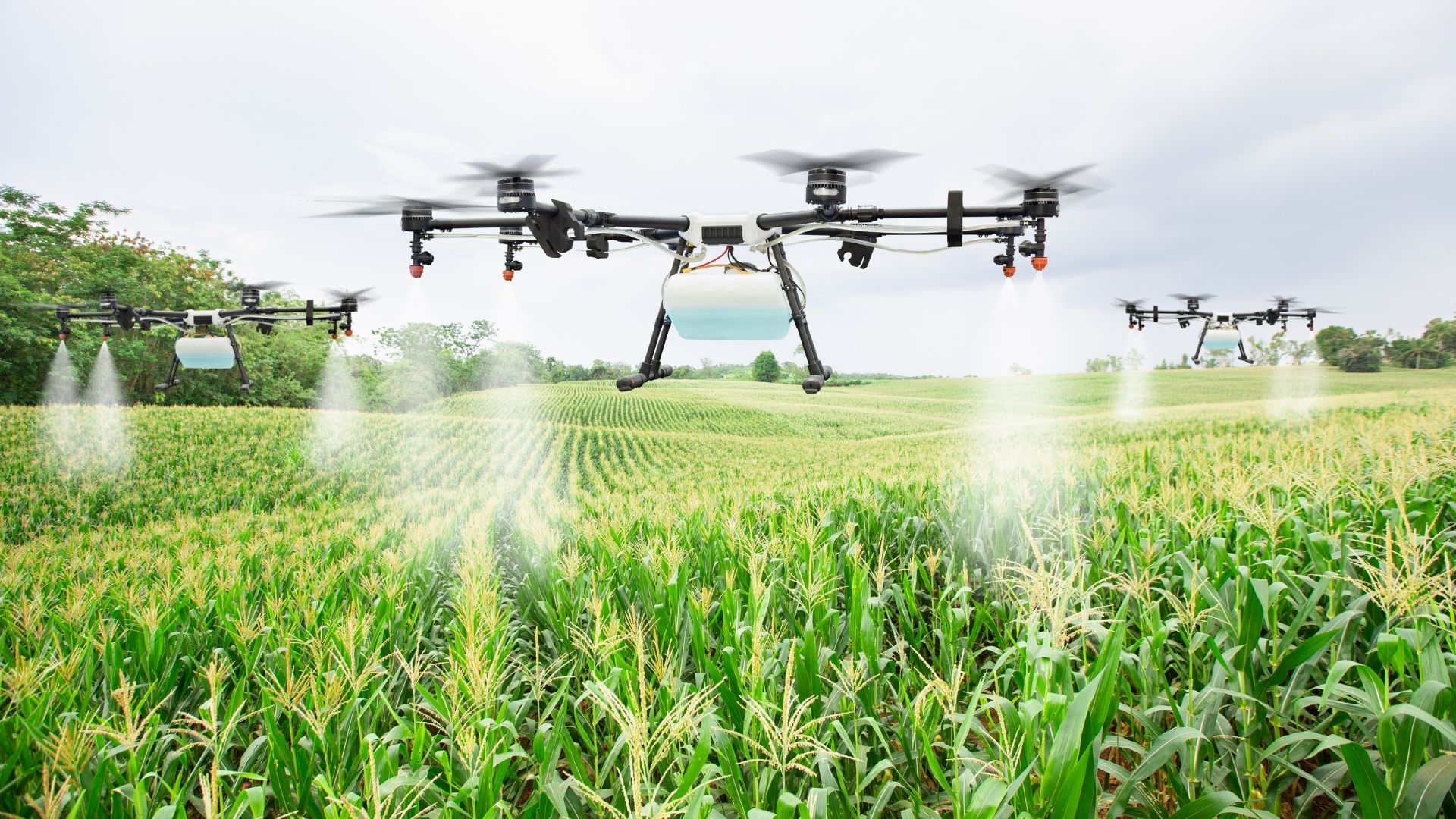
Despite challenges like high accessory costs and a lack of technology adoption, drone rental at affordable rates helps small and large farmers alike. This technology supports better planning, crop yields, and sustainable farming in India's mainly small-scale agriculture sector.
These benefits are compelling, but to get them, you need to pick the right tool for the job. Here’s a practical guide to choosing a drone that fits your farm.
How To Choose The Right Drone For Your Farm
Choosing the right drone for your farm is important to get the best results and save costs. Different farms have different needs based on size, crop type, and terrain. This section explains key factors to consider when picking a drone that fits your farming needs. Key factors to consider are:
Farm Size and Coverage Area
The size of your farm determines the drone type you should pick. Small farms may need compact drones with shorter flight times, while larger farms benefit from drones that cover more acres on one battery charge. More coverage means fewer flights and less downtime.
Payload Capacity
Payload refers to how much pesticide, fertiliser, or seed the drone can carry. A higher payload means the drone can spray more land before needing to refill. Farms with large fields and heavy spraying demands require drones with big payloads.
Flight Time and Battery Life
Longer flight times help drones cover bigger fields without frequent breaks. Look for drones with batteries that can fly for at least 20 to 30 minutes per charge. Fast charging or spare batteries add extra convenience during busy farming seasons.
Camera and Sensor Technology
Drones equipped with cameras and sensors provide extra benefits beyond spraying. Multispectral or thermal sensors help monitor crop health, spot pest problems early, and guide precise spraying. Choose drones with sensor capabilities matching your farm management goals.
Ease of Use and Support
Consider how easy the drone is to operate and maintain. User-friendly controls, good technical support, and nearby service centres will save time and reduce problems. Training and certification for drone operation are essential too.
By weighing these factors carefully, you can pick a drone that fits your farm size, crop needs, and budget, helping to make farming simpler and more productive.
Once you've considered what you need, the next step is understanding how government programs can make owning a drone more affordable.
Government Initiatives and Support for Drone Adoption
The Indian government has taken significant steps to encourage the use of drones in agriculture. These initiatives aim to make drone technology accessible and affordable for farmers, rural entrepreneurs, and agricultural businesses.
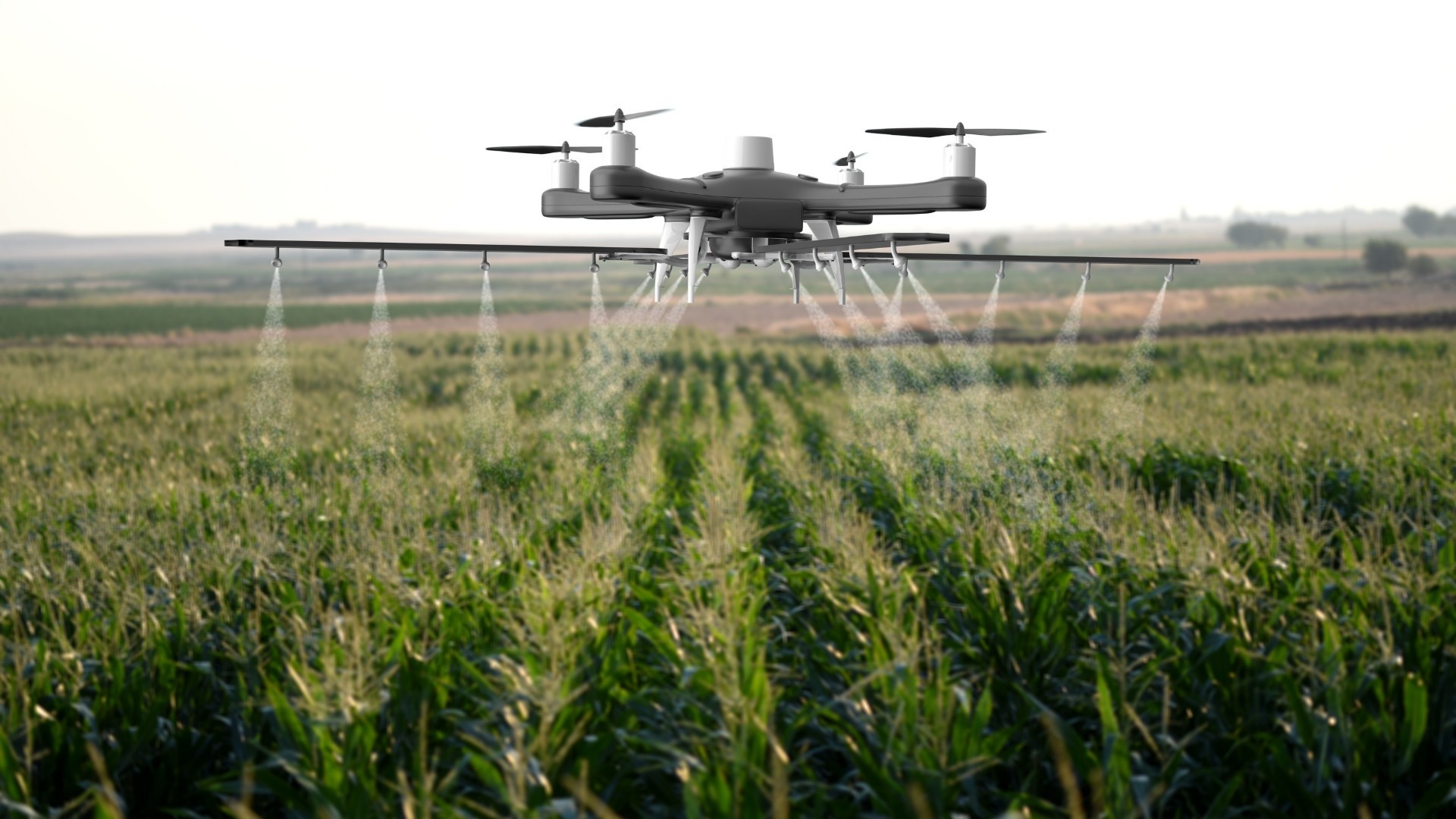
Through simplified regulations, financial incentives, and training programs, the government is fostering innovation technology and supporting the modernization of farming practices.
Drone Rules, 2021
Simplified regulations by the Ministry of Civil Aviation for easy drone use, registration, and operation via the Digital Sky Platform, promoting safe and legal drone flying.
Kisan Drone Scheme (2022–Ongoing)
Launched by PM Narendra Modi to provide subsidized drones to farmers, farmer-producer organizations (FPOs), and rural entrepreneurs for crop spraying, monitoring, and digitization.
Sub-Mission on Agricultural Mechanization (SMAM)
Offers financial assistance to farmers and institutions for purchasing drones to modernize farming practices.
NAMO Drone Didi Scheme
Focuses on empowering women-led self-help groups (SHGs) by providing drone technology and training to support agriculture services.
Production Linked Incentive (PLI) Scheme for Drones
Supports domestic drone manufacturers with financial incentives to produce affordable, high-quality agricultural drones.
Promotes drone education, research, and training programs to enhance adoption in precision agriculture.
State-Specific Subsidies and Training
Some states like Maharashtra, Tamil Nadu, Uttar Pradesh, and Telangana offer extra subsidies, free training, and pilot projects tailored to regional crops.
Also read: Green Technologies for Sustainable Agriculture Practises
Conclusion
Drones are redefining how farming is done in India. They save time, reduce costs, keep farmers safe, and help monitor crops with precision. Choosing the right type of drone can make a big difference in managing your farm effectively.
Leher is here to support you by providing access to advanced drone spraying technology and expert pilots, helping you get the best results for your fields. Whether you own a small farm or run a large operation, Leher makes drone services easy and affordable.
Download the Leher app (Google Play, Apple Store) or join our Drone Partner Program to discover how Leher’s precision spraying services can take your farm to the next level!
FAQs
1. What are the main types of drones used in Indian agriculture?
The main types include rotary-wing, fixed-wing, hybrid, fertiliser spraying, crop monitoring, multirotor spraying, and fixed-wing mapping drones. Each type suits different farm sizes and tasks, allowing farmers to match drone selection with their specific needs.
2. How do rotary-wing drones differ from fixed-wing drones?
Rotary-wing drones can hover and easily manoeuvre for precision spraying, which is useful for small or irregularly shaped fields in India. Fixed-wing drones cover larger areas quickly, but they require open space for take off and landing, making them a better fit for bigger farms.
3. What factors should farmers consider when choosing a drone?
Farmers should assess the size of their farm, how much payload the drone can carry, flight time, camera and sensor capabilities, and the ease of use of each model. These criteria ensure the drone performs well for spraying, monitoring, or mapping tasks.
4. Are there government subsidies available for buying agricultural drones in India?
Yes, schemes like the Kisan Drone Scheme, Namo Drone Didi, and the Sub-Mission on Agricultural Mechanization offer subsidies and financial support to help farmers acquire drones. These initiatives make new technology more accessible and affordable, especially for small and marginal farmers.
5. How do drones help reduce pesticide and water usage?
Drones spray only targeted areas using GPS and sensors, cutting down on unnecessary chemical and water use. This precision lowers input costs, reduces environmental impact, and can help increase crop health and yields.
6. Can drones be used for crop monitoring as well as spraying?
Yes, agricultural drones with cameras and advanced sensors support crop monitoring by providing detailed aerial images and data. These features help farmers detect pests, disease, and irrigation issues early, in addition to automating the spraying process.
Let’s Grow Together!
Interested in drone spraying solutions? Connect with us today.