Top 10 Tea Producing States of India: Where India’s Iconic Tea Grows
India is the world’s second‑largest producer of tea after China, contributing nearly a quarter of global tea output. This scale comes from the country’s wide range of growing conditions, from the fertile plains of Assam to the high-altitude gardens of Darjeeling, the Nilgiris, and Kerala. Tea plays a central role in India’s rural economy, supporting millions of farmers, estate workers, and small growers across multiple states.
While tea is grown across many regions, production is heavily concentrated in a few key states. Knowing where tea is produced, how much each state contributes, and the conditions that support cultivation is essential for tea estate managers, plantation operators, and agritech providers supporting tea cultivation.
In this blog, you will explore India’s top tea-producing states and understand what makes each region important.
Key Takeaways
Optimise Elevation & Microclimate: Target high-altitude zones for premium teas; lowlands for bulk production.
Leverage Technology: Drone spraying improves coverage, reduces labour, and ensures consistent leaf quality.
Match Soil to Product: Select soil types aligned with boutique or commercial tea varieties.
Manage Rainfall & Irrigation: Monitor rainfall patterns to schedule flushes and prevent disease.
Focus on Niche Markets: Promote organic, single-origin, and GI-labelled teas to capture premium segments.
State-wise Tea Production in India: Top 10 Contributors (2026)
Tea production in India is driven mainly by a handful of states that account for most of the country’s output. Tea Board of India data shows that India produced 1,369.98 million kilograms of tea in 2025, highlighting the significant role of these key regions.
The table below outlines the top 10 tea-producing states in India, ranked by estimated production volume and percentage share. It provides a clear, state-wise snapshot of where India’s tea is grown and how production is distributed across key regions.
Rank | State | Production (Lakh Tonnes) | Approx. % Share | Primary Tea Regions | Production Character |
1 | Assam | 6.65 | 49.98 % | Brahmaputra & Barak Valleys | High-volume, bulk exporter |
2 | West Bengal | 4.15 | 31.19 % | Darjeeling, Dooars, Terai | Quality + volume mix |
3 | Tamil Nadu | 1.70 | 12.78 % | Nilgiris | Consistent year-round output |
4 | Kerala | 0.62 | 4.66 % | Munnar, Wayanad | High-altitude estates |
5 | Tripura | 0.09 | 0.68 % | Unakoti, Dhalai | Rapidly expanding estates |
6 | Karnataka | 0.05 | 0.38 % | Western Ghats | Small-scale premium focus |
7 | Arunachal Pradesh | 0.02 | 0.15 % | Lohit, Changlang | Emerging commercial output |
8 | Himachal Pradesh | 0.01 | 0.08 % | Kangra Valley | Heritage tea region |
9 | Sikkim | 0.01 | 0.08 % | Temi region | Niche organic production |
10 | Nagaland | 0.01 | 0.08 % | Mokokchung region | Small but consistent output |
Note: Production figures are expressed in lakh tonnes (1 lakh tonne = 100,000 tonnes).
Also Read: New Technology in Agriculture: Top Trends and Benefits
So, what makes these states stand out? Let’s examine each major tea-producing state and the conditions that define its tea production.
Major Tea Producing States of India: State-wise Overview
Every tea-growing state in India has its own unique climate and terrain, which affects how much tea is produced, its flavour, and how often it can be harvested. From elevation to rainfall and soil type, each region shapes the way tea is grown and processed.
1. Assam - India’s Largest Tea Producer
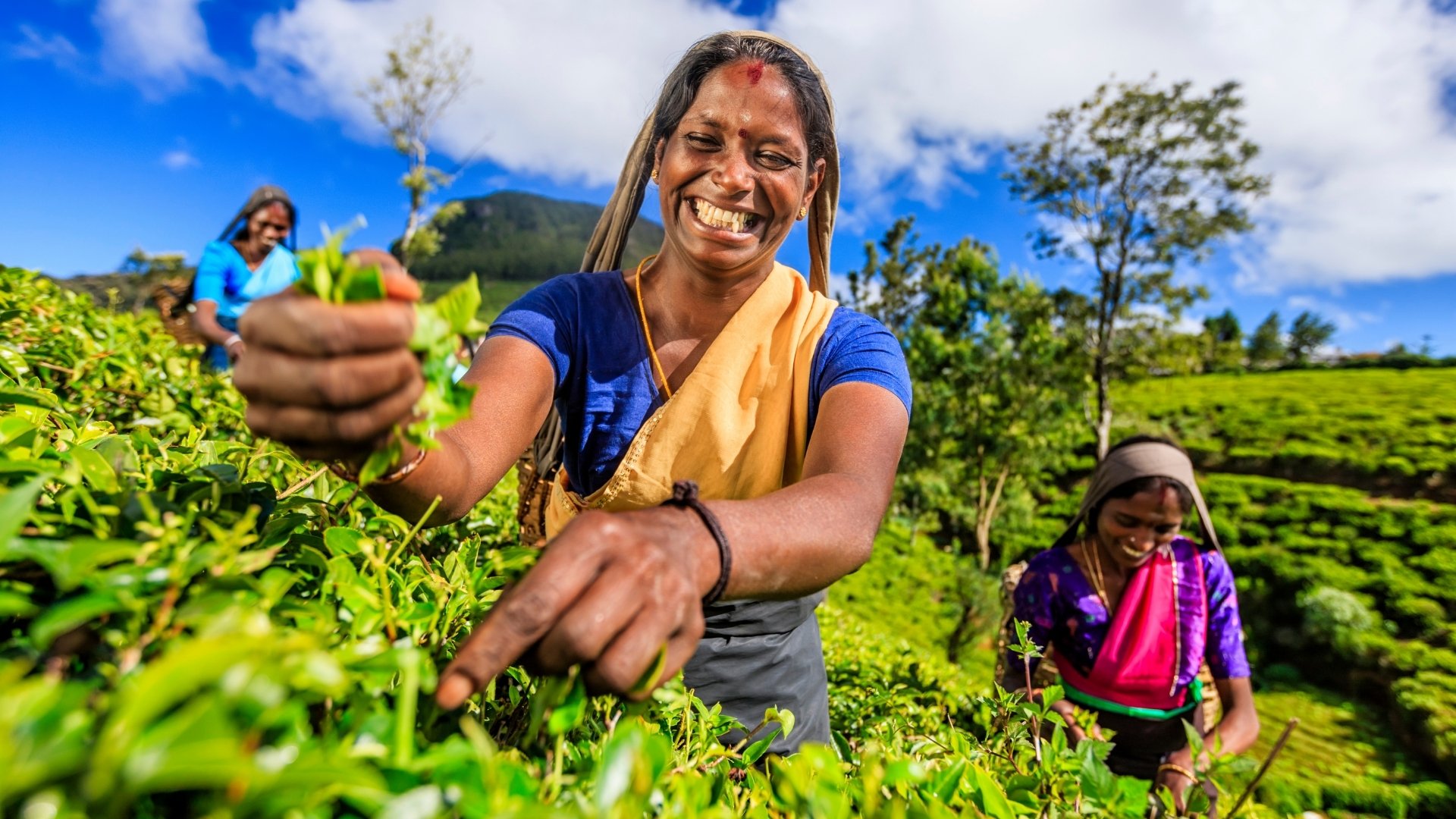
Assam is India’s biggest tea region, famous for its bold, malty black teas with a bright-amber hue. Nestled in the Brahmaputra Valley, its lowlands, fertile soil, heavy rainfall, and humid climate make it perfect for growing Camellia sinensis var. assamica.
Key Production Facts
Around 312,210 hectares are under tea cultivation, making Assam India’s largest tea-growing state by area.
Annual production is approximately 6.65 lakh tonnes, accounting for the largest share of national output.
Tea estates operate at elevations of 45-60 metres, supporting rapid leaf growth cycles.
Average annual rainfall ranges from 2,500 to 3,000 mm, ensuring year-round moisture.
Natural & Agro-Climatic Advantages
Low altitude and flat terrain enable large-scale, estate-based cultivation.
Alluvial, red loam, and lateritic soils support high leaf yield and consistent quality.
Heavy monsoon rainfall and high summer humidity accelerate vegetative growth and flushing.
Tea Characteristics: Assam teas pour a bright, deep amber liquor with a bold, brisk, malty taste. Their strength and body make them perfect for milk-based teas and commercial blends. Second-flush orthodox teas are especially prized for richer flavour and vibrant liquor, while Assam Orthodox Tea’s GI status highlights its unique regional quality.
2. West Bengal - Iconic Darjeeling & Dooars Teas
West Bengal is India’s second-largest tea-producing state, contributing around 22-23% of the country’s total tea output as of 2025. The state’s tea geography is diverse, spanning the high hills of Darjeeling and the plains of Dooars and Terai, each with unique growing conditions and tea profiles.
Key Production Facts
The Darjeeling hills lie at elevations of 90-1,750 metres, with 3,000-3,300 mm of rainfall, producing premium teas.
The Dooars-Terai plains are also at 90-1,750 metres, receiving about 3,500 mm of rainfall, making them ideal for bulk CTC (Crush, Tear, Curl) tea.
Natural & Agro-Climatic Advantages
The hilly terrain of Darjeeling promotes slow leaf development and the production of intense aromatic compounds.
Alluvial plains in the Dooars and Terai have fertile soils and abundant rainfall, making them ideal for high-yield production.
Exposure to mist and intermittent sunshine in hill areas further concentrates flavour.
Tea Characteristics: West Bengal produces both premium and commercial teas. Darjeeling teas are light, floral, and muscatel-flavoured, often fetching premium prices. In contrast, Dooars and Terai teas are strong and brisk, suitable for blends and mass-market consumption. The globally recognised Darjeeling Tea holds Geographical Indication (GI) status, reinforcing its unique regional identity.
3. Tamil Nadu - Home of Nilgiri Tea
Tamil Nadu is one of India’s leading tea-producing states in South India. The state contributes a significant share of southern India’s tea output, with production concentrated in high-altitude regions that support year-round plucking. Tamil Nadu teas are valued for their consistency, balance, and adaptability across domestic and export markets.
Key Production Facts
Tea cultivation is concentrated mainly in the Nilgiri Hills, with smaller pockets in the Anamalai and High Range areas.
Plantations are located at elevations ranging from 1,000 to 2,634 metres, among the highest tea-growing zones in India.
The region experiences cool temperatures and evenly distributed rainfall, enabling continuous harvesting cycles.
Tamil Nadu produces both CTC and orthodox teas, supporting diverse market demand.
Natural & Agro-Climatic Advantages
High elevation and cool climate slow leaf growth, improving flavour balance and aroma.
Well-drained forest and loamy soils support healthy root development and stable yields.Year-round mist and moderate sunshine help maintain consistent leaf quality across seasons.
Tea Characteristics: Nilgiri teas are known for their bright liquor, smooth texture, and clean flavour profile. They are lighter than Assam teas but more aromatic, making them suitable for plain consumption, flavoured blends, and iced teas. Nilgiri teas are also widely used in export blends due to their uniform quality and versatility.
4. Kerala - Munnar and Wayanad Teas
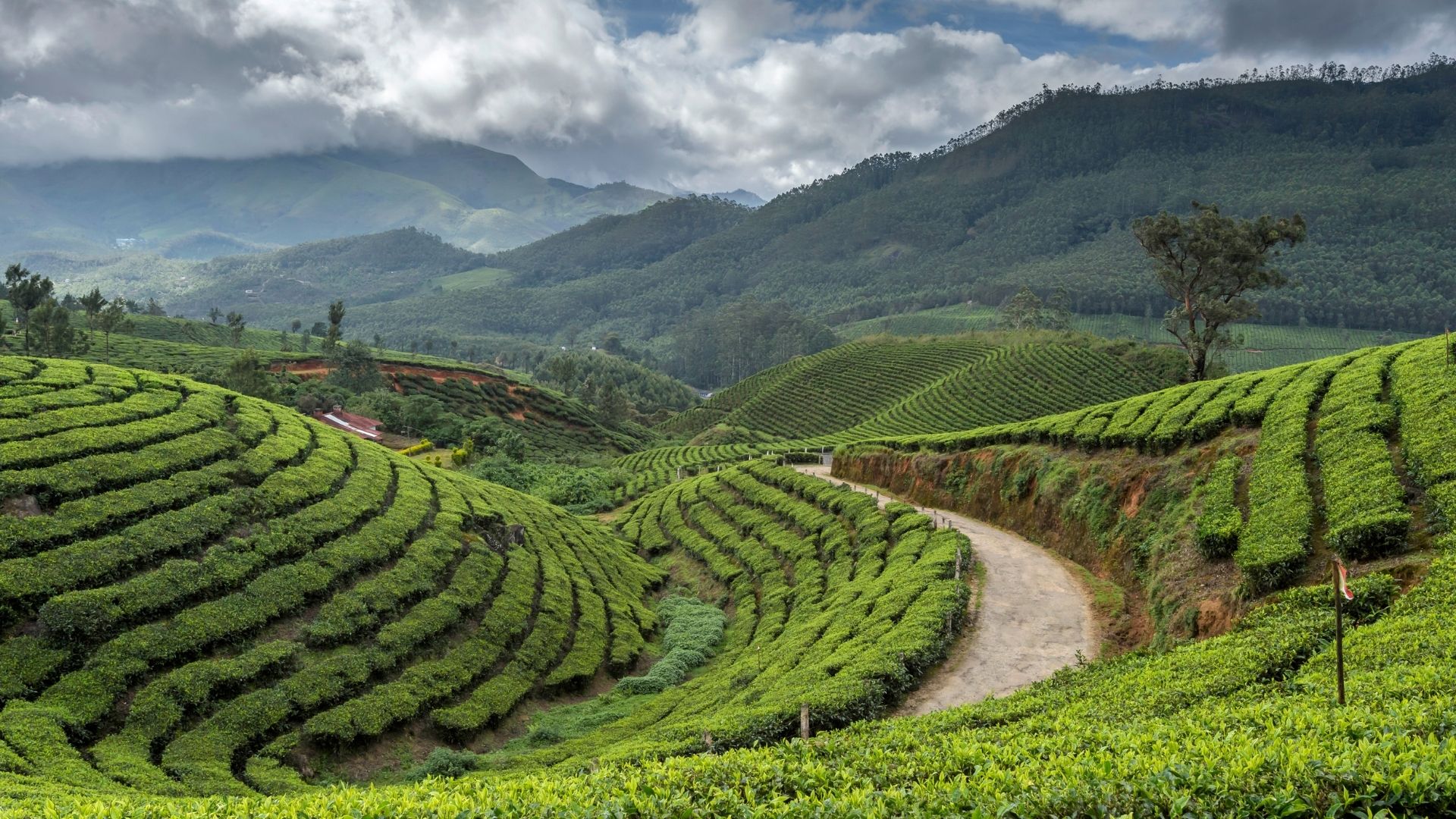
Tea cultivation in Kerala began in the late nineteenth century, with commercial planting recorded from 1875. Kerala is an important tea-producing state in South India, with cultivation concentrated in the high-altitude regions of Munnar (Idukki district) and Wayanad. Tea production in the state is largely estate-driven and focused on quality rather than volume, supported by cool temperatures, heavy rainfall, and well-defined hill slopes.
Key Production Facts
Plantations are located at high elevations, ranging from about 950 to 2,600 metres in Munnar and 850 to 1,400 metres in Wayanad, conditions that support the production of high-grown teas.
Kerala produces a mix of CTC and orthodox teas, with a growing focus on premium grades.
Kerala contributes a modest but steady share to India’s total tea output, producing around 27 million kg in Munnar and 16 million kg in Wayanad.
Natural & Agro-Climatic Advantages
High elevation and cooler climate slow leaf growth, improving flavour development.
Lateritic and forest soils provide good drainage, reducing water stress on plants.
Heavy monsoon rainfall ensures adequate moisture throughout the growing season.
Tea Characteristics: Kerala teas are typically clean, smooth, and well-balanced, with moderate strength and good aroma. Teas from Munnar are known for their bright liquor and refined flavour, while Wayanad teas tend to be stronger and are often used in blends. The state’s teas are widely supplied to domestic markets and selected export channels.
5. Tripura - Emerging Tea Producer
Tripura is a small but rapidly growing tea-producing state in northeastern India. While its total output is modest compared to Assam or West Bengal, the state has been steadily expanding its tea estates. Tripura’s tea industry is emerging as a contributor to regional economic growth and local employment.
Key Production Facts
Tea cultivation is primarily concentrated in the Unakoti and Dhalai districts.
Plantations are located at low to moderate elevations, ranging from approximately 15 to 1,200 metres.
Tea cultivation in Tripura began in 1916, and the state has favourable agro‑climatic conditions, with around 2,100 mm of annual rainfall and generally fertile soils suited to tea cultivation.
Natural & Agro-Climatic Advantages
Fertile alluvial and lateritic soils support healthy tea plant growth.
A humid subtropical climate with warm summers and mild winters enhances vegetative growth.
Moderate elevation allows both orthodox and CTC teas to thrive, giving flexibility in production.
Tea Characteristics: Tripura teas produce a bright, golden-amber liquor with a brisk, full-bodied taste. Orthodox teas from the region are prized for their subtle aroma and clarity, while CTC teas are strong, brisk, and suitable for blends. The state’s teas are gradually gaining recognition in domestic and regional markets due to their quality and emerging supply consistency.
6. Karnataka - Highland Tea in the Western Ghats
Karnataka is a smaller tea-producing state in India, known for its highland teas cultivated in the Western Ghats. Though its overall production is modest, the state focuses on quality over quantity, producing premium orthodox teas prized for their aroma and smooth taste. Tea cultivation in Karnataka supports niche markets and local employment, contributing to the diversity of India’s tea industry.
Key Production Facts
Major tea plantations are located in Kodagu (Coorg), Chikmagalur districts.
Elevation ranges from 750 to 1,000 metres, ideal for high-grown orthodox teas.
Average annual rainfall ranges from 2,000 to 3,500 mm, supporting consistent leaf growth.
Natural & Agro-Climatic Advantages
Fertile lateritic soils combined with cool, misty conditions promote slow leaf growth and complex flavour development.
Highland terrain ensures well-drained slopes, reducing waterlogging and disease incidence.
The combination of altitude, rainfall, and humidity creates a microclimate suitable for premium teas.
Tea Characteristics: Karnataka teas produce a bright, golden liquor with a smooth, aromatic profile. Orthodox teas are particularly valued for their refined flavour and are used in specialty domestic blends as well as exports. The state’s high-grown teas are recognised for consistency and quality, making them a key contributor to India’s premium tea segment.
7. Arunachal Pradesh - Niche Tea Production
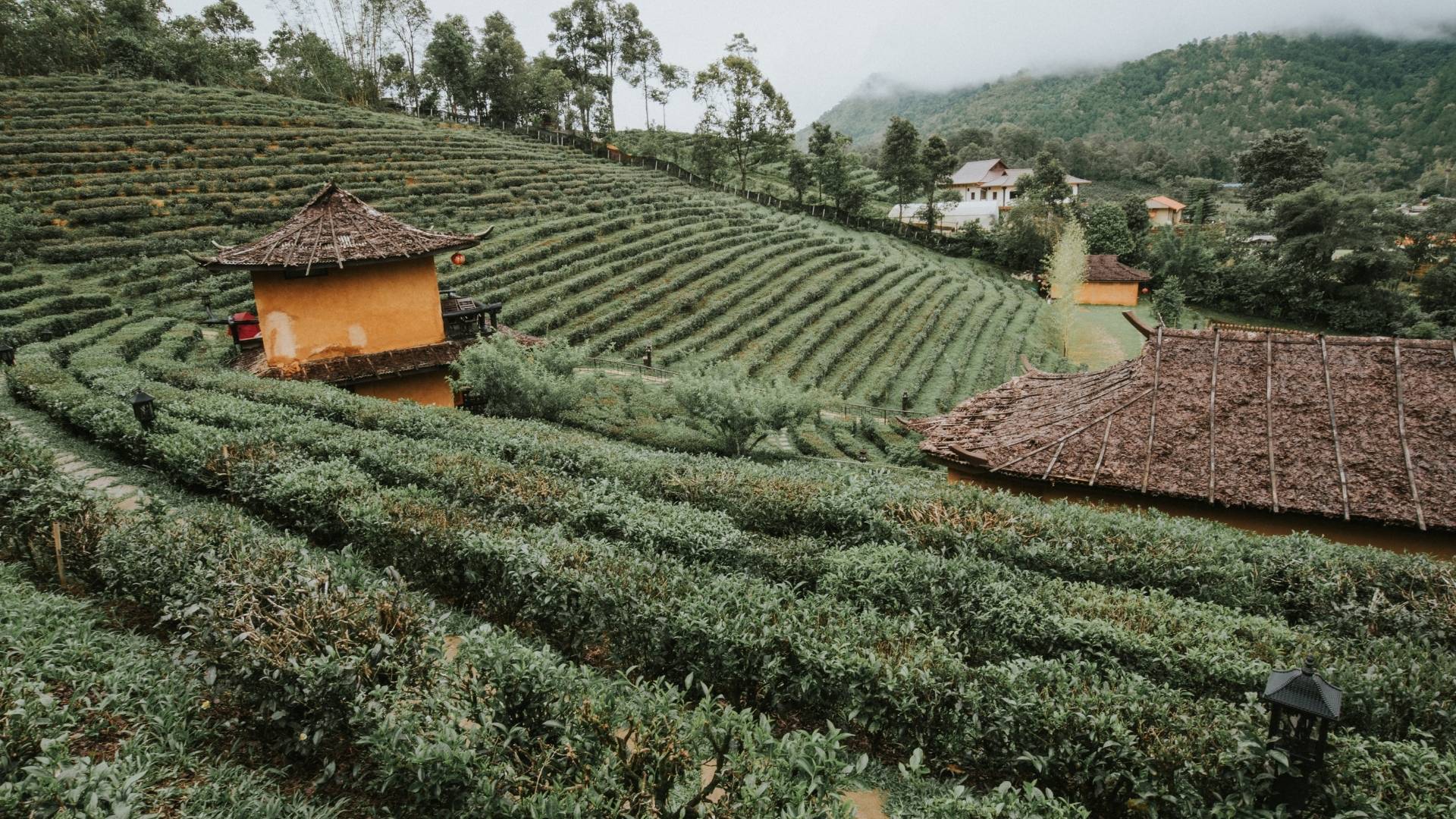
Arunachal Pradesh is an emerging tea state in India, known for its small-scale, high-quality tea cultivation. Most plantations are located in the Lohit and Changlang districts, focusing on orthodox teas that appeal to niche and premium markets. Although overall production is limited, the region’s unique agro-climatic conditions give its teas a distinct flavour and aroma, helping to gradually put Arunachal Pradesh on the tea map.
Key Production Facts
Plantation elevations range from 400 to 1,500 metres, which are suitable for slow leaf growth.
The total area under tea cultivation is relatively small, reflecting the industry's emerging status.
Receives 2,500-3,500 mm of rainfall annually, ensuring sufficient soil moisture.
Natural & Agro-Climatic Advantages
Fertile alluvial and red loam soils promote the healthy growth of tea bushes.
A subtropical to temperate climate with high humidity encourages the development of aromatic compounds.
Misty conditions and moderate elevation improve tea flavour and quality.
Tea Characteristics: Teas from Arunachal Pradesh have a bright, golden liquor with smooth, floral notes. Orthodox varieties are prized for their subtle muscatel flavour, while CTC teas are minimal but hold potential for blends and regional consumption.
8. Himachal Pradesh - Kangra Valley Teas
Himachal Pradesh is a heritage tea-growing state, with cultivation mainly concentrated in the Kangra Valley. The region’s high-altitude slopes, fertile soils, and cool climate create ideal conditions for producing delicate orthodox teas. Although overall output is small, Kangra teas are prized for their unique aroma and subtle flavour, attracting connoisseurs and niche markets.
Key Production Facts
Tea gardens are located at elevations of 900-1,400 metres.
The total area under cultivation is limited, reflecting the boutique nature of production.
Receives 1,500-2,500 mm of rainfall annually, supporting consistent growth cycles.
Natural & Agro-Climatic Advantages
Sloping terrain ensures good drainage and reduces the risk of waterlogging.
Loamy soils rich in organic matter favour healthy leaf development.
Cool temperatures and frequent mist enhance flavour concentration and aroma.
Tea Characteristics: Kangra teas have a light amber liquor with a sweet, floral, and slightly fruity profile. Orthodox teas dominate production and are highly valued for their refined taste, while CTC teas are produced in minimal quantities. The unique terroir and boutique nature of Kangra teas make them a specialty product with limited availability.
9. Sikkim - Temi Tea Estate
Sikkim is a niche tea-producing state in India, with cultivation largely centered around the Temi Tea Garden, the state’s flagship estate. Situated in the high Himalayan foothills, the region’s cool climate, misty slopes, and well-drained soils are ideal for growing organic and orthodox teas. Production is limited, but the teas are highly valued for their refined flavour and aromatic complexity, appealing to premium and export markets.
Key Production Facts
Tea gardens are located at elevations of 1,000-2,000 metres.
The total area under tea cultivation is relatively small, reflecting the boutique nature of production.
Receives 2,500-3,500 mm of rainfall annually, supporting consistent leaf growth.
Natural & Agro-Climatic Advantages
Steep, well-drained slopes prevent waterlogging and encourage healthy root development.
Rich, loamy soils enhance the flavour and quality of tea leaves.
Cool temperatures and frequent mist slow leaf growth, producing concentrated aroma and taste.
Tea Characteristics: Temi teas are light, floral, and aromatic with a delicate, slightly sweet flavour. The estate focuses on orthodox production, with limited CTC output. Sikkim teas are primarily organic and fetch premium prices in niche domestic and international markets.
10. Nagaland - Small but Consistent Output
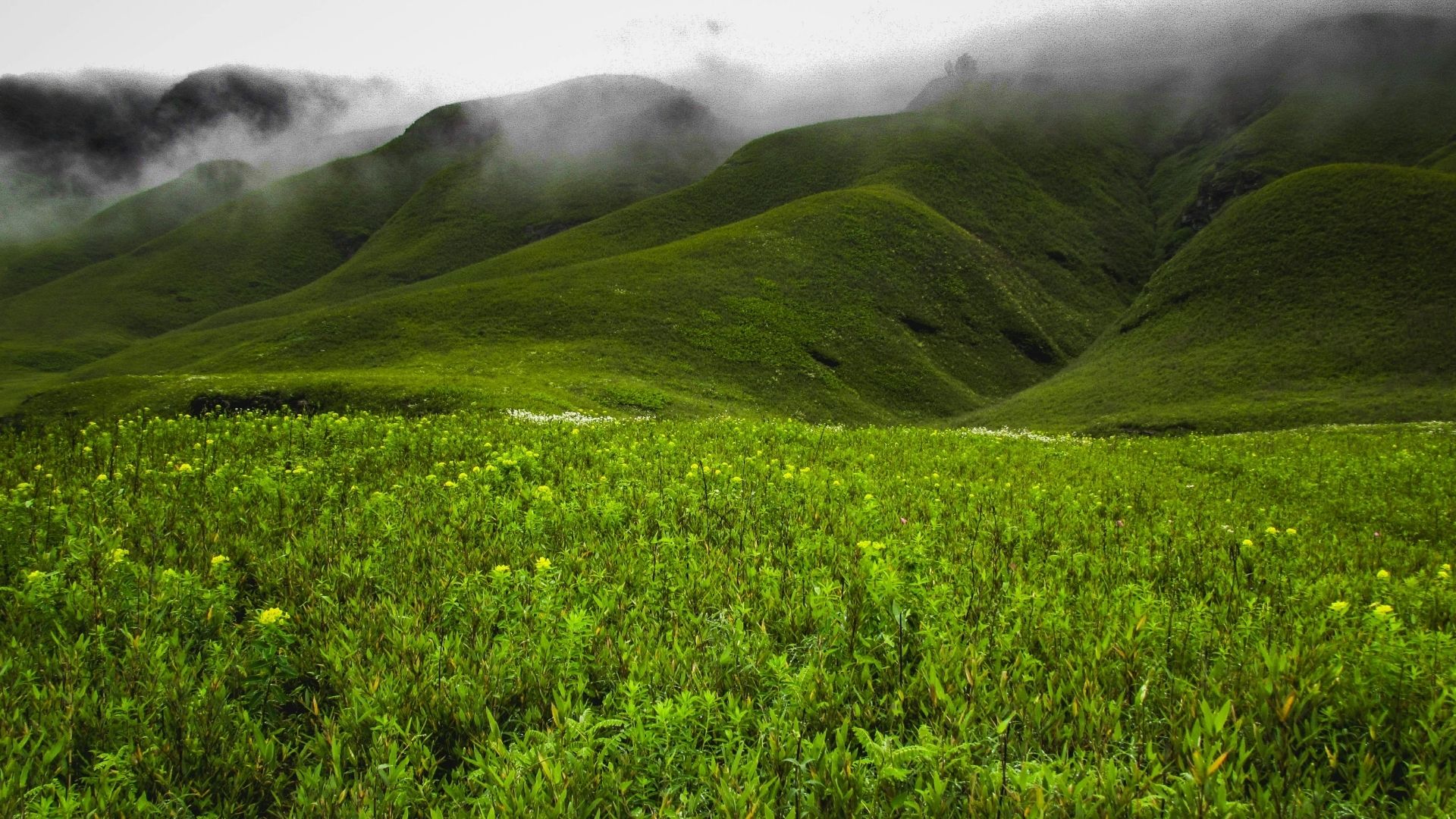
Nagaland is an emerging tea-producing state in India, with most cultivation centred around the Mokokchung region. The state’s hilly terrain, fertile soils, and moderate rainfall create ideal conditions for small-scale, high-quality tea production.
Key Production Facts
Tea gardens are located at elevations of 1,200–1,800 metres, ideal for orthodox varieties.
Cultivation areas are modest, reflecting the industry’s nascent scale.
Average annual rainfall is around 2,500 mm, ensuring steady leaf growth.
Natural & Agro-Climatic Advantages
Well-drained hilly terrain reduces waterlogging and supports healthy root systems.
Fertile soils enhance leaf quality and aroma.
Cool temperatures and seasonal mist slow leaf growth, concentrating flavour and aroma.
Tea Characteristics: Nagaland teas are primarily orthodox, light, and aromatic. Their limited production and boutique nature make them sought after by specialty tea buyers and connoisseurs seeking regional diversity.
Also Read: How Drones Are Revolutionising Agriculture Practices
Tea plantations across these regions often face operational challenges, including uneven pesticide coverage, steep terrain, and labour shortages. Drone-based precision spraying is increasingly helping estates address these issues efficiently.
Leher: Smart Drone Solutions for High-Altitude Tea Estates

Tea plantations often face challenges like uneven pesticide coverage, high labour dependency, and time-consuming manual spraying. To tackle these efficiently, Leher offers drone-powered precision spraying solutions customised for tech-savvy farmers, corporate estates, and drone entrepreneurs.
Here are a few key benefits of Leher drone spraying:
Precise Targeting & Equidistribution: Drones deliver uniform coverage of pesticides and nutrients across the entire canopy, including upper and inner branches, reducing chemical waste.
Rapid Spraying: A single drone can spray up to 50 acres per day, completing tasks in minutes that would otherwise take hours manually.
Reduced Labour Dependency: A minimal workforce is required, lowering operational costs by approximately 20% and mitigating seasonal labour shortages.
No Human Exposure: Workers avoid direct chemical exposure, enhancing safety on large estates.
Scalable Solutions: Suitable for smallholder farms (7+ acres) as well as corporate plantations spanning hundreds of acres.
Business Opportunities: Rural entrepreneurs can join the Leher Drone Partner Program, access training, certification, long-term contracts, and potential earnings exceeding ₹1 lakh/month for top partners.
Case Study: Leher drones have been deployed across 700+ hectares of tea plantations, achieving up to 75% less chemical residue per kg of made tea. Each drone performs the work of 10 manual sprayers, flipping tea leaves to ensure uniform coverage of pesticides and fertilisers. With pre-programmed flight paths, spraying is consistent and repeatable, and a single drone can cover 15+ hectares per day, completing one hectare in about 30 minutes.
Schedule your drone spray through the app; our pilot arrives, completes the spray, and payment is made only after the job is done. Protect your tea estates and reduce chemical waste. Download the Leher App today from Google Play or App Store.
FAQs
1. How does elevation impact tea quality across India’s top states?
Higher elevations (1,000–2,600 m) slow leaf growth, concentrating polyphenols and aroma compounds. This enhances flavour, liquor brightness, and export value, particularly in Sikkim, Nilgiris, and Nagaland orthodox teas. Lower elevations favor bulk CTC production, such as in Assam and the Dooars.
2. Can drone spraying improve yield consistency on steep tea slopes?
Yes. Drones ensure uniform application of pesticides and nutrients, especially in hilly terrain. Consistent coverage reduces disease stress, minimises chemical wastage, and maintains leaf quality, enabling small estates to achieve yield stability similar to larger, mechanised plantations.
3. What soil types are ideal for boutique vs. bulk tea production?
Fertile alluvial and red loam soils suit boutique, high-altitude teas with complex flavours, while lateritic and clayey soils support high-volume CTC tea cultivation. Proper drainage and organic matter content directly influence leaf health and processing efficiency.
4. How does rainfall variation affect harvest cycles in northeast India?
Regions receiving 2,500–3,500 mm rainfall allow year-round plucking with multiple flushes. Excess rainfall can delay the timing of the second flush and increase the risk of fungal infections. Controlled irrigation or drainage planning helps estates maintain quality and avoid crop losses during monsoon peaks.
5. What niche opportunities exist for small-scale tea estates?
Estates in Arunachal Pradesh, Sikkim, and Nagaland can focus on organic, single-origin, and orthodox teas targeting premium buyers. Leveraging boutique branding, GI labels, and agritech solutions like drones enhances competitiveness and reduces reliance on bulk commodity markets.
Let’s Grow Together!
Interested in drone spraying solutions? Connect with us today.