Managing Tea Mosquito Bug: Tips and Strategies
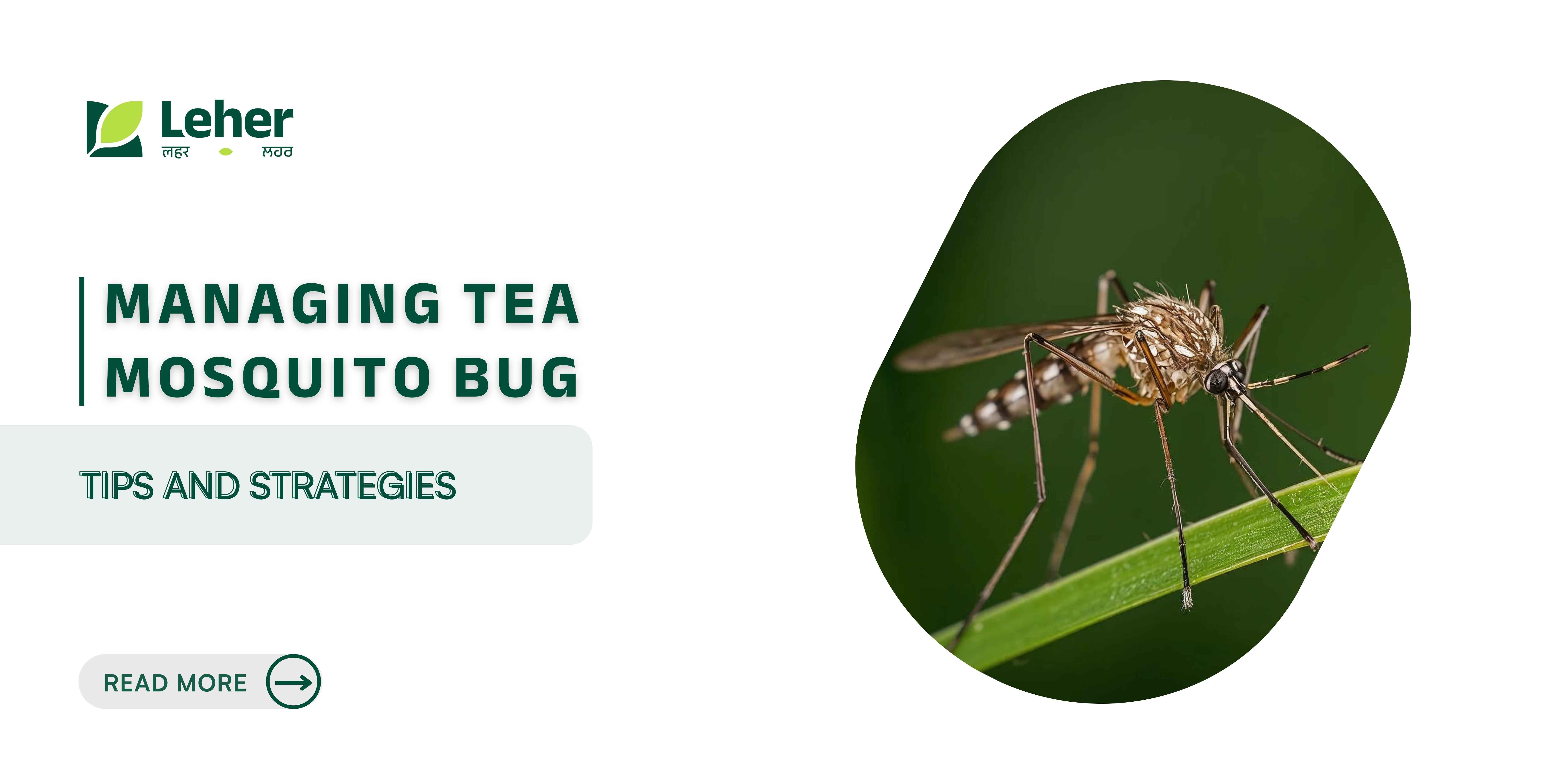
The Tea Mosquito Bug (Helopeltis theivora) ranks among the most destructive sucking pests in Indian tea gardens, particularly in major producing regions such as Assam, Dooars (West Bengal), Kerala, and Tamil Nadu. Piercing tender shoots and sucking sap, it causes characteristic necrotic lesions, stunts new growth, and severely degrades flush quality, directly affecting liquor colour, brightness, and market value.
In severe outbreaks, data from the Tocklai Tea Research Institute and the Tea Board of India indicate yield losses of 55% in the affected flush cycles, leading to a substantial revenue impact for estates and small growers alike.
This post provides practical, step-by-step Integrated Pest Management (IPM) strategies you can implement immediately, starting with prevention and monitoring, moving to biological controls, and using chemicals only as a last resort.
Key Takeaways
Tea Mosquito Bug damages tender tea shoots, reducing yield and tea quality, with losses reaching 55% in severe outbreaks.
Early signs include necrotic spots, distorted leaves, and stunted shoots on the young flush.
Integrated Pest Management (IPM), which combines prevention, monitoring, biological control, and limited chemical use, is most effective.
Take action when ETL is crossed – around 2–3% infested shoots in Northeast India and 5% in South India.
Drone scouting and spot spraying help detect hotspots early and reduce pesticide use.
What is the Tea Mosquito Bug?
The Tea Mosquito Bug, scientifically known as Helopeltis theivora, is a serious sucking pest that attacks tender tea shoots across India. It belongs to the mirid bug family and gets its common name from the way it feeds, like a mosquito, by piercing plant tissue and sucking sap.
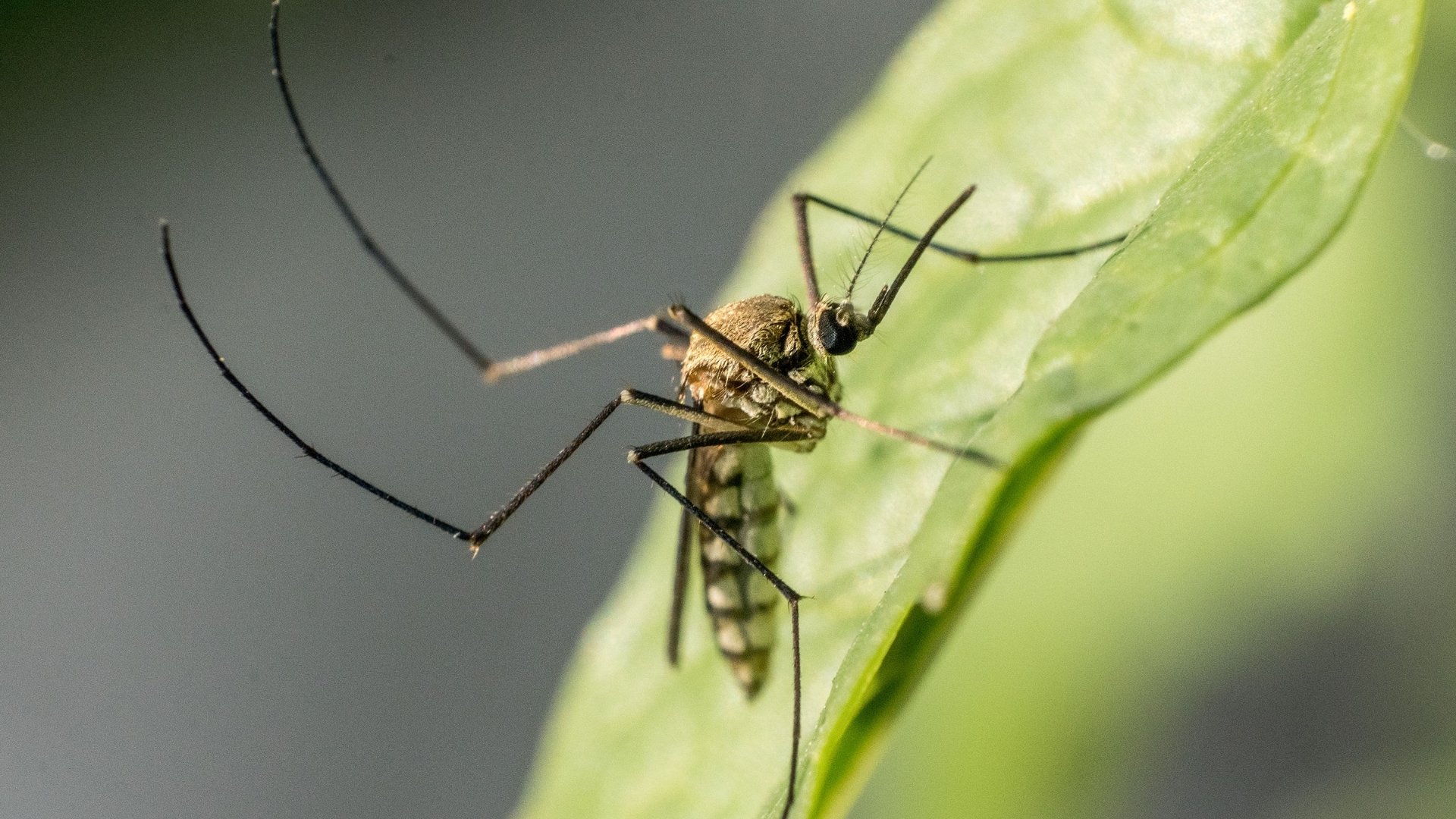
Adults are small, about 6 mm long, with a reddish-brown body and long, slender legs. Nymphs (early stages) look similar but are smaller and brighter in colour. You will usually spot them on the underside of young leaves and tender buds.
Life Cycle
The female lays eggs inside the soft tissue of new shoots. These eggs hatch into nymphs that pass through five stages before becoming adults. In warm, humid weather with calm winds, the bug completes multiple generations in a single year. This rapid breeding makes outbreaks common during the monsoon and post-monsoon flush periods in Assam, Dooars, Kerala, and Tamil Nadu.
Why does it matter to Indian tea growers?
Unlike many other pests that attack older leaves, the Tea Mosquito Bug feeds only on the tender flush, the exact part you pluck to make high-quality tea. Even a small infestation creates dark necrotic spots, stunted shoots, and poor liquor colour, directly reducing your market price and yield.
Understanding the Tea Mosquito Bug clearly helps you catch it early and choose the right control method at the right time, before it spreads across your sections.
This knowledge forms the foundation for the practical IPM strategies you will read in the next sections.
Symptoms and Damage ofTea Mosquito Bug
Recognising the early signs of Tea Mosquito Bug (Helopeltis theivora) infestation is the first step toward limiting its spread and protecting your flush quality. The damage appears quickly because the bug targets only the tender, actively growing shoots, the most valuable part of the tea bush.
Let’s look at them in detail.
Visual Signs
The characteristic symptom starts as small, water-soaked, dark-green lesions on young leaves and tender stems. Within a few days, these spots turn reddish-brown to black and become distinctly necrotic, often surrounded by a yellowish halo. Farmers commonly describe them as “mosquito bite” marks because of the punctured appearance and central feeding scar.
In severe cases, you will see:
Dieback of young buds and shoot tips
Stunted new growth
Crinkled or distorted leaves
Premature leaf drop from affected branches
These symptoms are most visible on the topmost tender flush, making them easy to spot during regular plucking rounds if you know what to look for.
Economic Impact
Even moderate infestations reduce shoot elongation and lower the number of harvestable buds, directly cutting yield. The biggest commercial loss comes from quality degradation: affected leaves produce reddish or dull liquor instead of the bright, golden colour preferred in premium teas (especially noticeable in Northeast black teas).
Research from Tocklai Tea Research Institute and UPASI Tea Research Foundation indicates that severe outbreaks can cause 55% crop loss in the affected flush cycles, depending on variety, weather, and timeliness of control. For large estates, this translates to a significant revenue drop due to lower-grade tea and reduced market acceptance.
Secondary Issues
The feeding punctures create open wounds that serve as entry points for fungal pathogens such as Colletotrichum (anthracnose) or Pestalotiopsis. This can turn a manageable pest problem into a combined pest-disease outbreak, further weakening bushes and prolonging recovery after pruning.
Damaged shoots also slow down plucking efficiency; workers spend more time sorting out infested material, increasing labour costs and delaying harvest schedules.
Spotting these symptoms early during weekly scouting lets you intervene before the bug moves to adjacent sections. Accurate identification prevents confusion with similar-looking issues (thrips damage, mite injury, or sun-scald) and ensures you apply the right management step at the right time.
In the next sections, we cover proven prevention, monitoring, and control strategies tailored for Indian tea gardens, including how precision drone spraying can quickly and economically target hotspots.
Also Read: Popular Tea Gardens in Assam
The 7 Core Principles of Tea Mosquito Bug Management
Effective management of Tea Mosquito Bug (Helopeltis theivora) follows a structured, step-by-step approach based on Integrated Pest Management (IPM). Instead of reacting to heavy damage with repeated sprays, focus on prevention, regular monitoring, and targeted action only when needed.
These seven core principles, adapted from standard tea research recommendations, help you reduce crop loss, cut pesticide use, and maintain healthy bushes sustainably.
1. Prevention: Cultural and Agronomic Practices
Prevention is the most cost-effective way to keep Tea Mosquito Bug pressure low. Simple changes in plantation practices can break the pest's life cycle and reduce favourable conditions for outbreaks.
Research from the Tocklai Tea Research Institute and other sources shows that moderate shade (around 55%) supports lower infestation than heavy shade (>80%) or no shade, as it balances humidity and light without creating ideal breeding spots.
Practical steps you can follow:
Maintain moderate shade (about 60%) by thinning dense shade trees where needed, avoiding both heavy and zero shade.
Practise hard plucking or level-off skiff on infested sections to remove tender shoots where eggs are laid; destroy pruned material promptly.
Control weeds and remove alternate hosts like Lantana and Mikania that harbour the bug.
Ensure proper bush spacing and good drainage to reduce humidity buildup.
When combined, these cultural steps have shown significant reductions in infestation in field studies, setting the foundation for fewer interventions later.
2. Monitoring and Scouting
You cannot manage what you do not monitor. Regular scouting detects Tea Mosquito Bug early, before it spreads across sections and affects flush quality.
Walk your garden at least once a week, focusing on tender new flush. Sample 100 shoots per section to calculate the percentage of infested shoots (look for necrotic spots or feeding marks). Check early morning or late evening when adults and nymphs are most active.
Keep simple records each time:
Percentage of infested shoots
Crop stage (flush cycle)
Weather conditions (misty or calm days increase risk)
This data helps you spot rising trends and decide exactly when to act, preventing blind or calendar-based spraying.
3. Correct Identification and Diagnosis
Spraying the wrong pest wastes money and can harm beneficial insects or delay real control. Tea Mosquito Bug damage can look similar to thrips feeding, red spider mite injury, or even nutrient stress (e.g., potassium deficiency spots).
Inspect closely: look for the typical “mosquito bite” necrotic lesions with a central puncture on tender leaves and stems. Adults or nymphs may be visible on the underside during active periods.
If unsure, take clear photos of damage and insects, then consult your nearest Tea Research Centre (Tocklai in Northeast, UPASI in South) or local Krishi Vigyan Kendra (KVK). Accurate diagnosis ensures the right strategy from the start.
4. Economic and Action Thresholds
Act only when the expected damage outweighs the cost of control; this avoids unnecessary pesticide use and the buildup of resistance.
Recommended Economic Threshold Levels (ETL) from tea research bodies:
In Northeast India (Assam, Dooars): Spray when 2–3% of shoots show fresh infestation (Tocklai advisory range).
In South India (Tamil Nadu, Kerala), ETL is generally 5% damaged new flushes (UPASI Tea Research Foundation and Tea Board guidelines).
Always confirm with local advisories, as thresholds can vary slightly by clone, elevation, and season. Crossing the ETL triggers intervention; staying below it protects your profit and reduces chemical load.
5. Integrated Pest Management (IPM)
IPM combines multiple tools so that no single method dominates; cultural practices form the base, biological options come next, and chemicals are the last resort.
A strong example from field studies: moderate shade + hard plucking/level-off skiff + early biopesticide use has delivered 2–3 times better results (lower infestation and higher yield) than relying on chemicals alone.
This layered approach builds long-term resilience, cuts input costs, and aligns with sustainable tea production goals in India.
6. Biological and Biorational Options
Start with safer, eco-friendly controls to preserve natural enemies and reduce dependence on pesticides.
Encourage and augment natural enemies: egg parasitoids like Erythmelus helopeltidis and predatory reduviid bugs (Sycanus collaris, released by Tocklai in Assam gardens) feed on eggs and nymphs.
Use biorationals: neem-based formulations (azadirachtin), entomopathogenic fungi like Beauveria bassiana, or traditional mixtures (e.g., 1% fish-waste + cow-dung/urine extracts). These are effective early in infestation and safe for beneficial insects.
Most liquid biopesticides are fully compatible with drone application, making them practical for spot treatments on large estates.
7. Safe Chemical Use and Spray Best Practices
Chemicals are used only when ETL is crossed, and other methods are insufficient. Always follow the Tea Board of India Plant Protection Code (PPC) for approved molecules, dosages, and safety.
Recommended options include systemic insecticides like Thiamethoxam 25 WG or Quinalphos 25 EC (applied at ETL; rotate groups to prevent resistance). Use contact options such as Deltamethrin or Bifenthrin sparingly, mainly during rainy periods.
Key practices:
Wear full PPE and maintain buffer zones.
Observe pre-harvest intervals strictly to avoid residues.
Avoid spraying during peak flowering or flush to protect quality and pollinators.
Apply in early morning or late afternoon when bugs are active; use barrier/spot spraying on hotspots.
Following PPC keeps your tea export-compliant and protects worker health.
These seven principles provide a complete, practical framework for managing the Tea Mosquito Bug. In the next section, we explain how drone precision spraying fits seamlessly into this IPM approach, enabling fast, targeted action on hotspots with less chemical use and verifiable results through CoverageView maps.
Also Read: Drone Farm Safety: Key Concerns and Tips
How Drones Help in Tea Mosquito Bug Management?
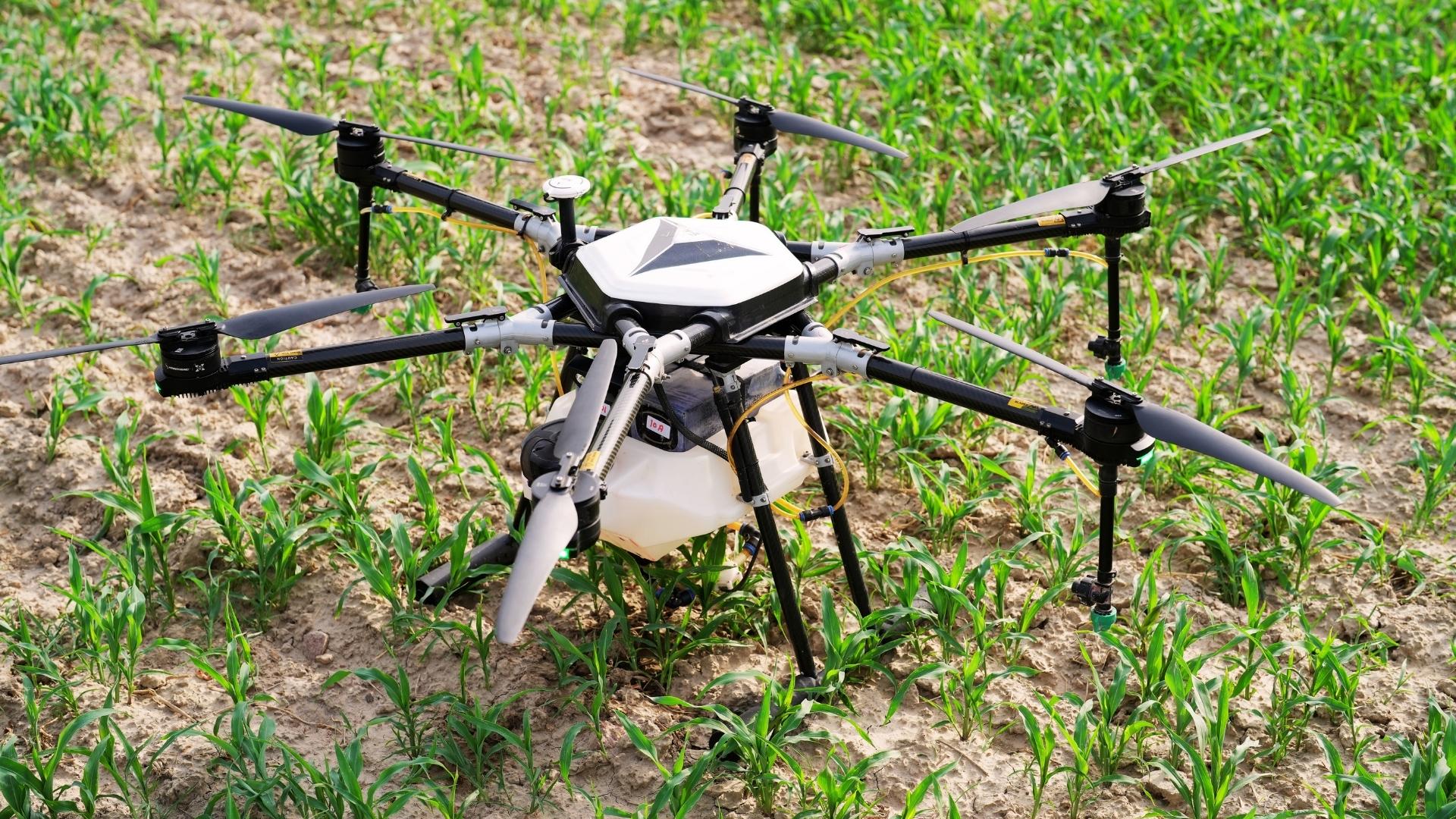
Drones bring speed, precision, and data-driven decision-making to Tea Mosquito Bug (TMB) management, especially on large or hilly tea estates where manual scouting and spraying are labour-intensive and uneven.
By integrating with the IPM principles outlined earlier, drone technology helps you detect issues early, treat only affected areas, and verify results, all while reducing chemical use, labour costs, and environmental impact.
Fast Scouting and Early Hotspot Detection
Traditional scouting across vast sections takes days and often misses early infestations in remote or steep areas. Drones equipped with high-resolution cameras fly systematic patterns over the canopy, capturing detailed images of tender flush.
In Kerala, for example, the PEST Track model, an AI-driven solution developed by C-DAC in collaboration with UPASI Tea Research Foundation, uses drone-based aerial imaging to detect TMB (Helopeltis theivora) attacks at an early stage..
The system analyses RGB imagery for characteristic necrotic lesions and feeding marks, generating georeferenced maps that pinpoint hotspots accurately across large plantations. This allows you to spot rising infestations before they spread, enabling timely intervention and preventing quality loss in premium flush.
Precision Spot Spraying
Once hotspots are identified, drones apply spray only where needed, rather than blanket coverage across the entire section. This targeted approach is particularly valuable in tea gardens with undulating terrain, dense bushes, or hard-to-reach slopes.
Precision spraying ensures uniform droplet distribution on tender shoots while minimising drift and off-target application. Studies and field reports on drone use in Indian agriculture (including plantations) indicate reductions in pesticide use of up to 55% through accurate, variable-rate application compared to manual or conventional methods.
Additional benefits include:
Reduced labour, one drone can cover 15–50 acres per day, depending on model and conditions, far faster than manual backpack spraying.
Lower worker exposure to chemicals.
Better penetration into the canopy on hilly estates.
Post-Spray CoverageView Maps for Verification and Follow-Up
After spraying, Leher provides CoverageView™ maps, digital records showing exactly where and how much product was applied. These georeferenced heatmaps let you verify uniform coverage on hotspots, identify any missed patches, and plan follow-up scouting or sprays if needed.
This transparency is especially useful for estate managers and corporate collaborators who need auditable records for quality assurance, export compliance, or IPM reporting. It also supports data-driven decisions over multiple seasons, helping refine thresholds and reduce unnecessary applications long-term.
When to Choose Drones vs Manual Spraying?
Use drones when:
You manage large estates (7+ acres) or steep/hilly sections where walking is difficult.
Infestation is spreading across patches during peak monsoon or post-monsoon flush; drones enable rapid response.
You want to integrate early AI detection (like PEST Track-style imaging) with precise spot treatments.
Reducing chemical inputs, labour, and residue is a priority for sustainability or market standards.
Stick to manual or knapsack spraying for:
Very small, isolated plants or single-bush issues.
Delicate stages (e.g., immediate post-plucking recovery) where ultra-low volume isn't required.
Practical Seasonal Checklist and Quick Action Plan for Tea Gardens
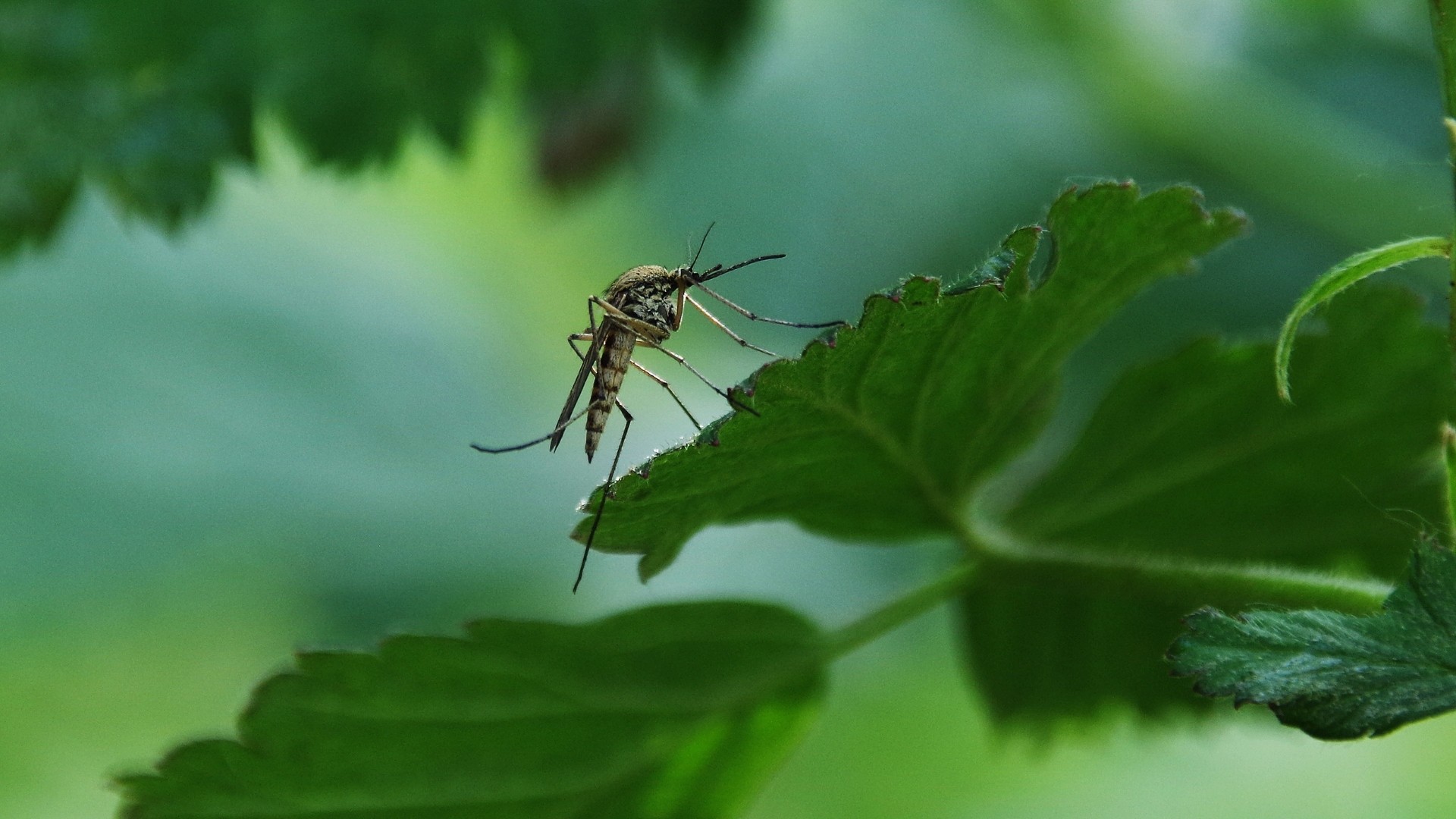
Managing Tea Mosquito Bug (Helopeltis theivora) effectively requires consistent action timed to the natural cycles of tea production in India. Tea gardens in the Northeast (Assam, Dooars) and South (Kerala, Tamil Nadu) follow distinct seasonal patterns influenced by monsoon rains, pruning schedules, and flush growth.
This simple, season-based checklist helps you stay proactive year-round. Follow it alongside weekly scouting and ETL-based decisions to keep infestations low, protect flush quality, and minimise chemical interventions.
Pre-Monsoon / Pruning Season
This is the ideal window to reduce pest carry-over from the previous year and prepare bushes for the coming flush cycles.
Skiff or prune infested bushes to remove old tender shoots where eggs and nymphs may overwinter; destroy pruned material by burning or deep burying to break the life cycle.
Maintain or adjust shade to moderate levels (around 60%) by thinning overly dense shade trees; this discourages high humidity that favours TMB breeding while supporting healthy bush growth.
Clear weeds and alternate hosts such as Lantana camara, Mikania micrantha, and other broadleaf plants around sections and borders that can harbour the bug.
Conduct deep sanitation: remove fallen leaves, debris, and any old infested material from the previous season.
These steps significantly lower the initial pest load entering the main growing period.
Peak Growing / Flush Season (Monsoon & Post-Monsoon)
This is when TMB populations explode due to warm, humid, calm conditions and abundant tender flush, the period demanding the most vigilance.
Scout sections weekly (increase to twice weekly during misty or prolonged calm spells); calculate % infested shoots from 100-shoot samples per block and compare against local ETL.
Apply early biological controls when infestation is rising but still below ETL, use neem formulations, Beauveria bassiana, or other bioinsecticides compatible with beneficial insects.
Hand-collect and destroy visibly infested shoots during plucking rounds to reduce egg-laying sites.
Deploy drone spot treatment on confirmed hotspots, precision spraying targets only affected patches, ensuring uniform coverage on hilly terrain, reducing pesticide use by 55%, and minimising labour compared to manual knapsack spraying.
Early, targeted action during this phase prevents widespread quality damage and protects multiple flush harvests.
Post-Harvest / Winter
Use the slower growth period to clean up, learn from the season, and build long-term resilience.
Perform deep sanitation: remove and destroy all remaining infested material, prune lightly if needed, and clear under-bush weeds to eliminate overwintering sites.
Record infestation patterns, note which sections, clones, elevations, or shade levels had higher pressure; keep a simple log (percentage infested, timing, weather) for future reference.
Plan resistant clones for future replanting or infilling. Consult Tocklai or UPASI for varieties showing lower susceptibility in your region.
Evaluate the season’s IPM performance: review scouting records, spray frequency, and yield impact to refine thresholds and biological timings for next year.
This reflective step turns each season into an opportunity for improvement.
Why Does This Checklist Matter?
Following this timed plan keeps Tea Mosquito Bug pressure consistently low, reduces reliance on calendar-based chemical sprays, preserves natural enemies, and safeguards tea quality, thereby improving market prices.
On larger estates, integrating drone spot spraying during the peak season adds speed and precision, treating hotspots in hours instead of days while generating CoverageView maps for verification and better record-keeping.
For rapid response on spreading hotspots during flush, book precision drone spraying through the Leher app, target only where needed, save inputs, and get clear digital proof of coverage.
Conclusion
By following these 7 core IPM principles, from moderate shade and hard plucking to weekly scouting, ETL-based action, biological controls, and targeted chemical use only when necessary, you can keep Tea Mosquito Bug under control effectively and sustainably.
The result is healthier tea bushes, superior flush quality with bright liquor and higher market value, lower input and labour costs, and a significantly reduced chemical footprint on your estate.
Download the Leher app (available on Google Play and Apple App Store) and book your next precision drone spray today. Treat only the affected hotspots, receive CoverageView maps for complete verification, and save time, labour, and inputs while safeguarding your tea yield.
FAQs
1. What exactly is the ETL for Tea Mosquito Bug, and does it vary by region?
ETL is the Economic Threshold Level, act when the infestation reaches it to prevent economic loss. In Northeast India, it is 2–3% infested shoots; in South India, 5% damaged flushes (Tocklai/UPASI guidelines).
2. Can biopesticides like neem or Beauveria bassiana be applied using Leher drones?
Yes. Most liquid neem formulations and microbial biopesticides (e.g., Beauveria bassiana) are compatible with drone spraying when mixed and diluted per label instructions.
3. Will drone spraying leave chemical residues on tea leaves that affect quality or export?
No, if you follow Tea Board PPC guidelines, use approved products, and observe pre-harvest intervals strictly. Precision application minimises residues while ensuring compliance.
4. How quickly can a drone operator reach my tea garden for spraying?
Response time varies by location and operator availability, but many Leher partners can schedule within 24–48 hours, often faster during peak flush seasons.
5. Do I need to be present when the drone sprays my tea sections?
It is recommended. You or a supervisor should guide the operator on target hotspots, confirm the area, and review the CoverageView map after spraying for verification.
Let’s Grow Together!
Interested in drone spraying solutions? Connect with us today.