History of Assam Tea Industry
The journey of Assam tea began with a single wild shrub hidden in the dense jungles of the Brahmaputra Valley. What started as a local medicinal brew used by indigenous tribes eventually transformed India into a major global tea producer, with Assam becoming one of the most important tea-growing regions in the world.
Today, Assam is the heart of India's tea production, accounting for over 50% of the nation’s total output. With an annual yield of approximately 687+ million kg, this thriving industry supports the livelihoods of millions and remains a vital pillar of the Indian agricultural economy.
In this blog post, we will explore the 200-year evolution of the industry, from the early days of manual labour and colonial monopolies to the modern era of drone-assisted precision. You will learn about the pioneers who built this legacy and the technology ensuring its sustainable future.
Key Takeaways
Native Roots: Tea was used medicinally by the Singpho tribe long before its "official" discovery in 1823.
Indian Pioneers: Maniram Dewan broke the British monopoly to become the first Indian commercial tea planter.
Industry Shift: Small Tea Growers (STGs) now contribute nearly half of Assam’s total tea production.
Modern Solutions: Drone technology is addressing age-old challenges such as labour shortages and chemical exposure in tea gardens.
The "Discovery" (1823): The Legend of Robert Bruce & the Singpho Tribe
While history books often point to 1823 as the "starting point" of Assam tea, the story actually dates back much earlier, to the wisdom of the local tribes.
The Historic Meeting
In 1823, a Scottish adventurer named Robert Bruce travelled to the Brahmaputra Valley. During his journey, he met Bessa Gam, the chief of the Singpho tribe. The chief introduced Bruce to wild, tea-like bushes growing in the region. This meeting was the spark that eventually turned a wild jungle plant into a global industry.
Deep Native Roots
It is important to clarify that the tea plant (Camellia sinensis var. assamica) wasn't "new", it was simply new to the British. The Singpho and Khamti tribes had been harvesting these leaves for centuries. Long before it was a commercial commodity, they used tea as a medicinal brew and even as a vegetable (a tradition known as Phanap). This indigenous knowledge was the true foundation of the industry we see today.
The Scientific Shift
After Robert Bruce passed away, his brother Charles Alexander Bruce took up the cause. He sent samples of the seeds and leaves to the Botanical Gardens in Calcutta, where botanists examined them and confirmed that the plant was a genuine variety of tea. This discovery later led the British Tea Committee to explore commercial tea cultivation in Assam.
At the time, China held a strict monopoly on the world's tea supply. This scientific proof meant that India could finally produce its own tea, breaking the Chinese hold on the market and positioning Assam as a future production powerhouse.
Also Read: How to Use Drones for Crop Spraying Effectively
Maniram Dewan: The First Indian Tea Pioneer
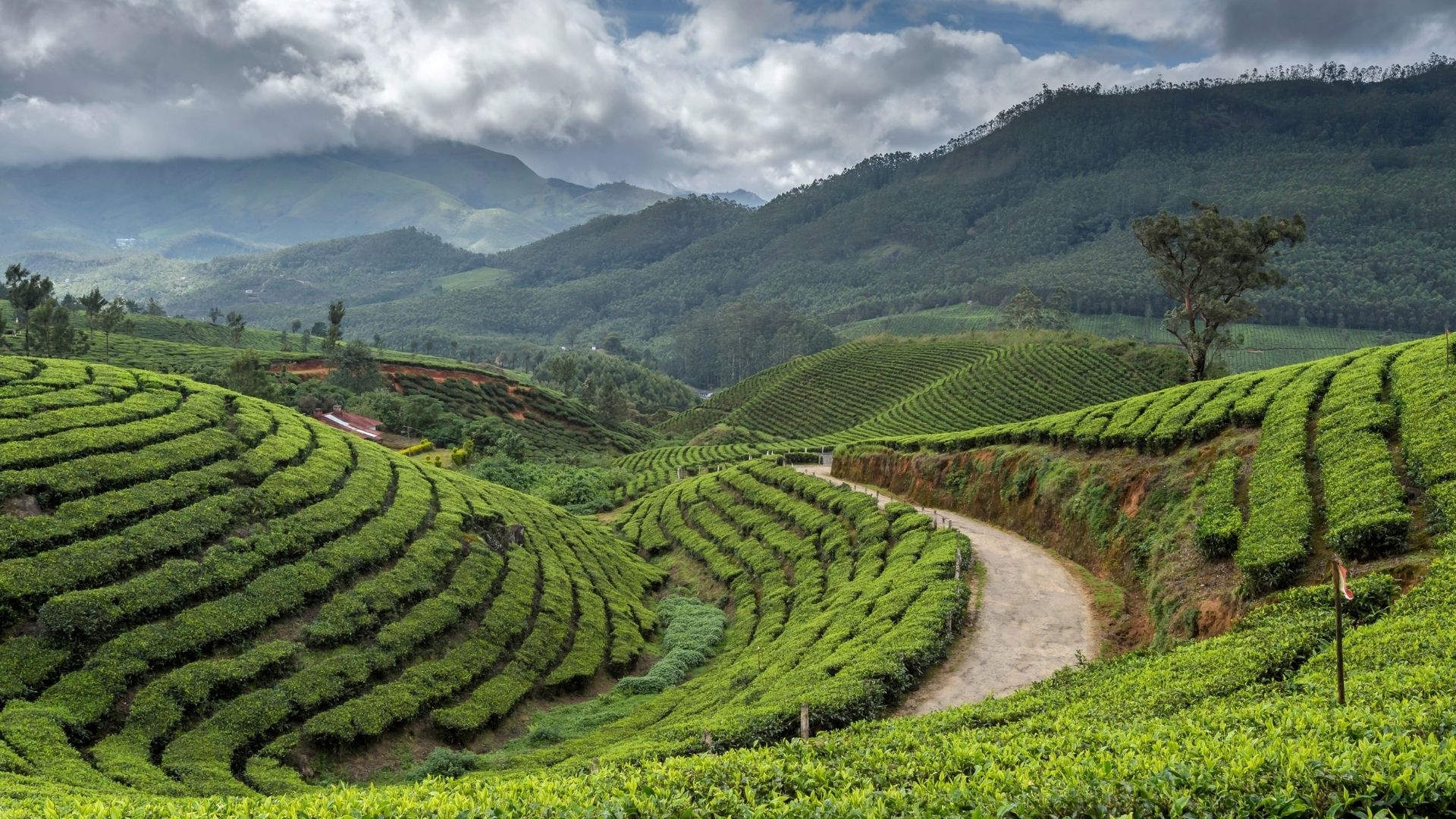
While the early industry was dominated by colonial interests, one man stood up to change the narrative for Indian farmers: Maniram Dewan.
Breaking the Monopoly
Maniram Dewan was a visionary who initially served as an advisor to the British-led Assam Company. However, he quickly realised that tea shouldn't just be a British enterprise; it was a goldmine for Indian growers. In a bold move, he resigned from his position to challenge the colonial monopoly. By applying the trade secrets he had learned, he became the first Indian to grow tea commercially, proving that local expertise could compete on a global scale.
A Legacy of Courage
In the 1840s, Dewan established the Cinnamara and Senglung estates, which became symbols of Indian self-reliance. His impact, however, went far beyond the tea bushes. A fierce patriot, he joined the 1857 uprising against British rule because of his desire for Indian independence. Though he was eventually martyred for his cause, his bravery ensured that the seeds of Indian-owned tea production were firmly planted.
Inspiration for Today’s Agri-Entrepreneurs
Maniram Dewan’s entrepreneurial spirit is the foundation of the modern Assam tea industry. He paved the way for the 200,000+ small tea growers who drive the state’s economy today. Just as Dewan broke barriers with a new crop in the 19th century, today’s tea planters are breaking barriers by adopting new technologies, like drone-powered spraying, to keep their heritage estates profitable and sustainable for the next generation.
Milestones That Shaped the Industry (19th – 20th Century)
The growth of Assam tea wasn't just about planting seeds; it was about building a global infrastructure. Several key dates stand out as pillars supporting the industry’s rise from a jungle experiment to a global powerhouse.
Let's look at the milestones that shaped the industry.
1839: The Birth of the Assam Company
This year marked the formation of the Assam Company, the world’s very first company dedicated to tea production. This set the stage for large-scale commercial cultivation and proved to the world that tea could thrive outside of China.
1881: The Founding of the ITA
The Indian Tea Association (ITA) was established to promote the interests of tea producers. It played a crucial role in standardising practises and navigating the complex colonial trade laws of the time.
1911: Science Meets the Soil (Tocklai)
Research became the industry's backbone with the establishment of the Tocklai Experimental Station in Jorhat. As the world’s oldest and largest tea research center, Tocklai has spent over a century helping planters fight pests and improve leaf quality through scientific innovation.
1970: Taking Control of the Market
For decades, Assam tea was mostly auctioned in London or Calcutta. The opening of the Guwahati Tea Auction Centre (GTAC) in 1970 was a game-changer. It gave Assam its own marketing hub, ensuring that the economic heart of the tea trade remained within the state.
1990s: The Rise of the Small Grower
The late 20th century saw a massive structural shift. Policy changes and local entrepreneurship led to the "Small Tea Grower" revolution. Moving away from the "Big Estate" model, thousands of local farmers began growing tea on smaller plots, a trend that now accounts for nearly half of Assam’s total production.
These milestones show how the industry expanded through research institutions, organised trade systems, and the rise of small growers, each phase reshaping how tea is produced and marketed in Assam.
Today, that evolution continues as we move from industrial-age factories to digital-age tools, such as drones, to manage these historic lands.
The Modern Landscape: Small Tea Growers (STGs)
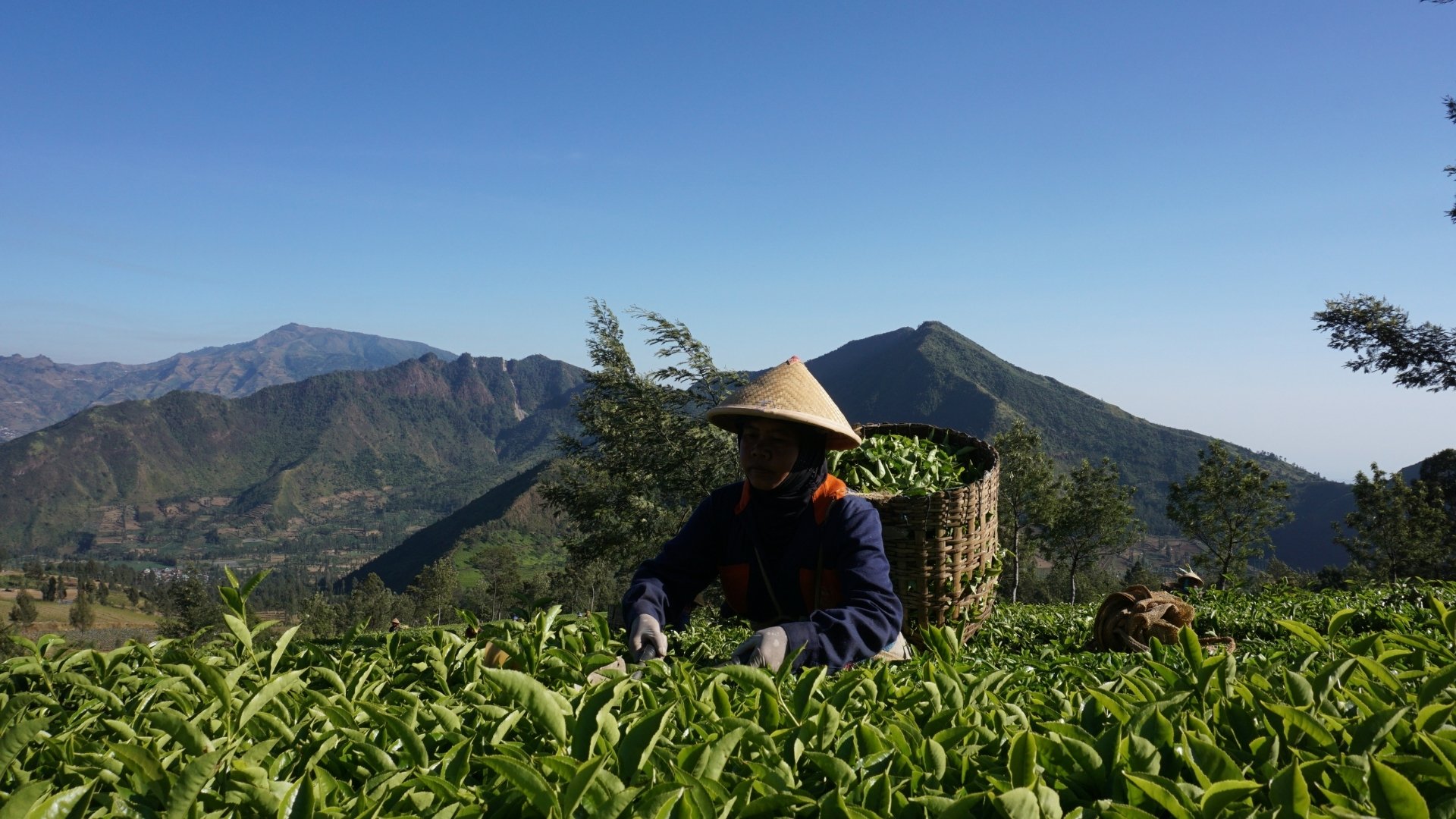
While the image of Assam tea is often associated with sprawling, thousand-acre colonial estates, the modern reality is much more grassroots. The industry has undergone a massive democratic shift, moving from "Big Tea" to "Small Farmers."
The Rise of the Small Grower
The most significant change in the last 30 years has been the explosion of Small Tea Growers (STGs). These are independent farmers who cultivate tea on plots as small as one or two acres. Today, there are over 200,000 such growers in Assam, and remarkably, they now contribute nearly 50% of the state’s total tea production. This shift has moved the economic power of "green gold" directly into the hands of local rural communities.
Socio-Economic Impact
This revolution has transformed rural Assam. It has created a new class of rural entrepreneurs, generated millions of local jobs, and allowed families to earn a steady income from their own ancestral lands. Instead of working as labourers for large corporations, villagers have become masters of their own gardens.
Current Challenges: Labour Costs, Pest Pressure, and Input Inefficiency
Despite their success, small tea holdings face steep uphill battles:
Rising Labour Costs: With manual plucking and spraying being the norm, labour accounts for a huge chunk of a small farmer's expenses.
Input Inefficiency: Small growers often lack the expensive machinery used by large estates. Manual spraying of pesticides and fertilisers is often uneven, leading to wasted chemicals and higher costs.
Climate & Pests: Smaller plots are more vulnerable to sudden pest outbreaks, like the Tea Mosquito Bug, which can ruin a season's harvest if not treated instantly and precisely.
For these 200,000+ growers to thrive in the next century, the focus must shift from just "growing" to "growing smartly" through the use of affordable, precision technology.
The Tech Revolution: Drones in the Tea Gardens
After two centuries of manual labour, the tea industry is undergoing its most significant technological shift yet. While the heritage of Assam tea is ancient, the methods used to protect it are becoming futuristic.
Solving the Labour and Safety Crisis
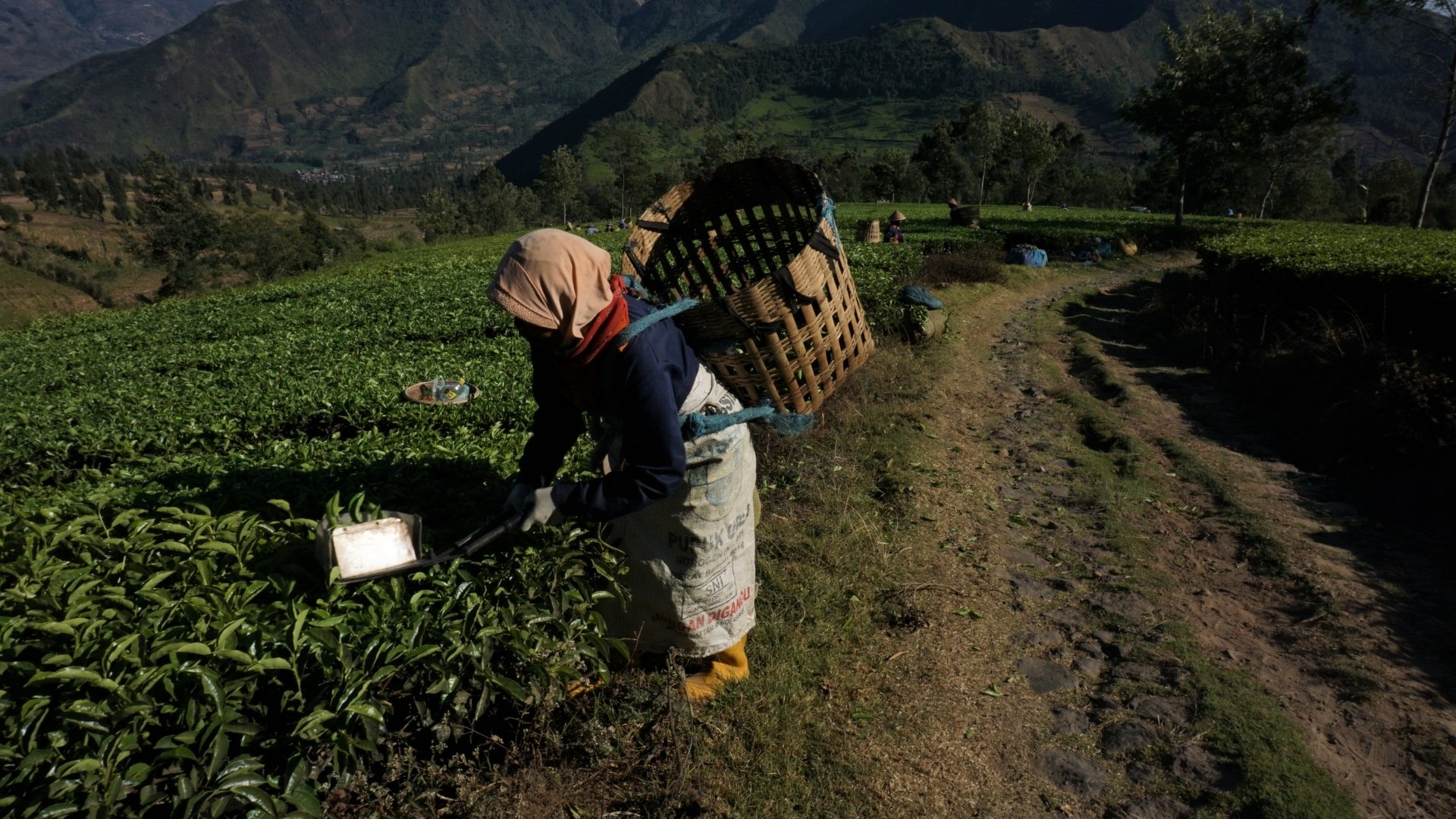
Traditional crop protection in tea gardens is gruelling work. Labourers must navigate dense bushes and steep, hilly terrains while carrying heavy manual sprayers. This process is not only slow but also exposes workers directly to chemical pesticides. As labour shortages become more common across Assam, estates are struggling to maintain regular spraying schedules, leaving crops vulnerable to devastating pests like the Tea Mosquito Bug.
Traditional vs. Drone-Powered Tea Management
While the methods of plucking the "two leaves and a bud" have remained largely unchanged for centuries, the way we protect those leaves is undergoing a radical shift. Traditional manual spraying, once the only option, is now being outpaced by the precision and safety of drone technology.
The following table highlights the key differences between the labour-intensive methods of the past and the tech-driven solutions of the future:
Feature | Traditional Manual Spraying | Leher Drone Spraying |
Daily Coverage | 1–2 acres per worker | Up to 50 acres per drone |
Water Consumption | Very High (High volume needed for runoff) | 90% Less (Ultra-low volume technology) |
Chemical Exposure | High risk (Workers carry heavy tanks through bushes) | Zero human contact with chemicals |
Precision & Uniformity | Prone to human error and uneven application | GPS-guided for 100% uniform coverage |
Terrain Navigation | Physically exhausting on hilly or steep slopes | Sensors allow for easy "terrain following." |
Data & Verification | No digital record of work completed | CoverageView™ maps provide digital proof |
Leher’s Role: Modernising the Estate
Leher is bridging this gap by introducing drone-based spraying services specifically calibrated for the unique environment of a tea garden. By moving the "boots on the ground" to "eyes in the sky," we are solving age-old problems with three key advantages:
Unmatched Precision: Unlike manual spraying, which can be uneven, Leher’s drones use GPS-guided flight paths. This allows for “spot treatment,” where drones target only the sections of the garden affected by pests or blight. This reduces unnecessary spraying across the rest of the garden.
Massive Efficiency: Time is of the essence during a pest outbreak. While a manual labourer might cover 1–2 acres a day, a single Leher drone can cover up to 50 acres per day. This rapid response capability can protect an entire season's harvest by controlling pest outbreaks quickly and efficiently.
Sustainability & Savings: Environmental health is vital for the longevity of tea soil. Our drones use ultra-low-volume (ULV) spraying technology, which reduces water use by up to 90% and pesticide waste by up to 40%. This isn't just better for the planet; it significantly lowers the "input cost" for the grower.
Are you a tea estate manager or a small tea grower looking to cut costs and improve efficiency? Join the agricultural revolution with Leher. Download the Leher App on Google Play or Apple Store to book your professional drone spray service and take the first step toward a smarter, safer farm!
FAQs
1. Who is considered the father of the Assam tea industry?
Charles Alexander Bruce is often credited as the father of the industry for proving the commercial value of the indigenous plant, though Maniram Dewan is celebrated as the first Indian pioneer to break the British monopoly.
2. Why is Assam tea called "malty"?
The unique climate of the Brahmaputra Valley, with its high humidity and clay-rich soil, creates the distinct "malty" flavour profile and deep colour that Assam tea is famous for worldwide.
3. Can drones be used on the hilly slopes of tea gardens?
Yes! Leher’s drones are equipped with advanced terrain-following sensors that allow them to maintain a consistent height above the tea bushes, even on undulating or hilly terrain, ensuring even coverage.
4. How does drone spraying save so much water?
Drones use "Ultra-Low Volume" (ULV) spraying technology. Instead of drenching the plant with large water droplets that run off into the soil, drones create a fine mist that sticks to the leaves, covering a larger area with significantly less liquid.
Let’s Grow Together!
Interested in drone spraying solutions? Connect with us today.