Kerala Tea Plantation Guide: Maximise Yield with Drone Spraying
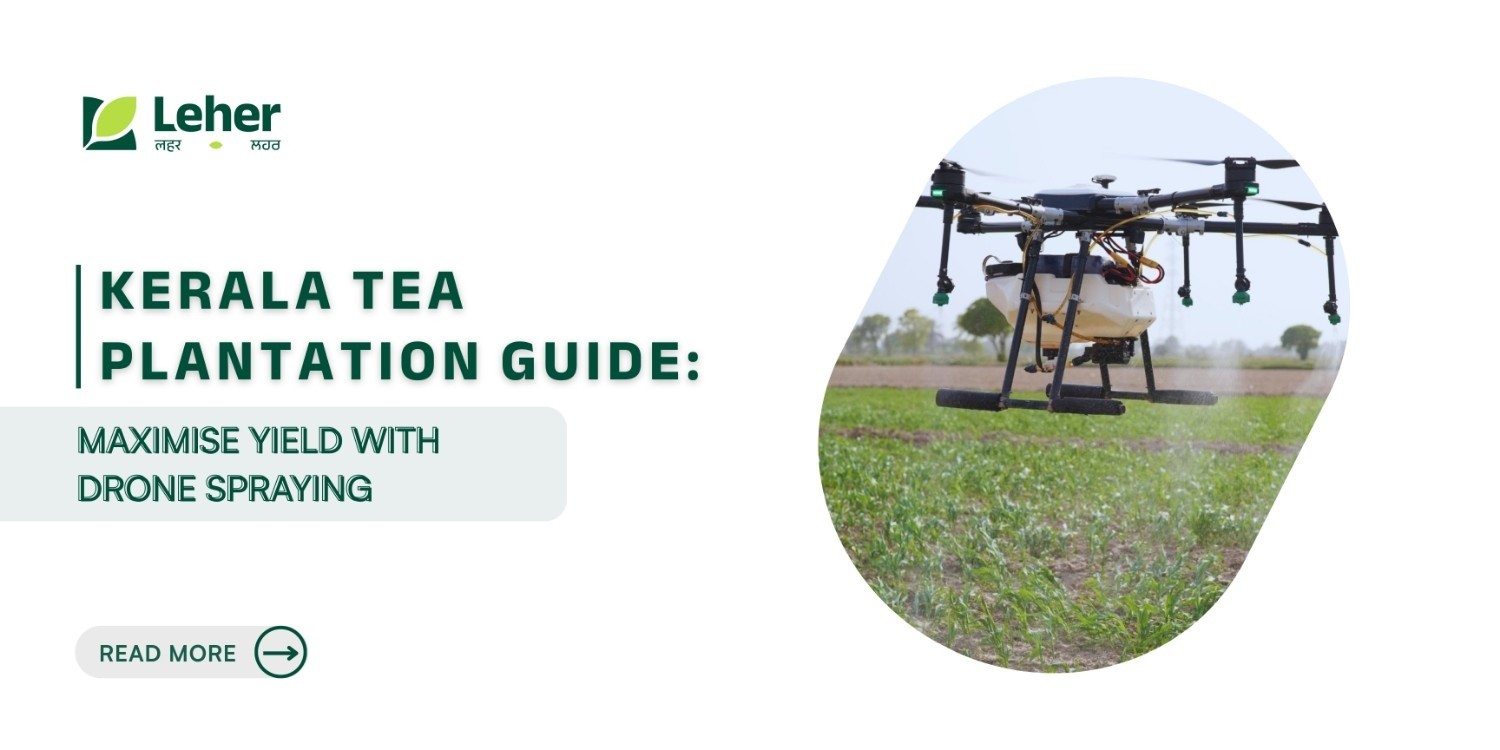
Did you know Kerala produces around 0.62 lakh tonnes of tea, roughly 4.5–4.7% of India’s total output? Its high-altitude estates, steady monsoons, and acidic soils create ideal conditions for premium-quality tea.
However, maintaining these estates is becoming increasingly challenging. Declining labour availability, rising pest and disease pressures from humid conditions, and narrow weather windows make manual, labour-intensive spraying difficult to sustain on large, hilly plantations.
In this blog, you will learn how Kerala tea plantations are managing these challenges and the key factors affecting yield and quality. You will also see how modern solutions, such as drone spraying, are improving estate operations for greater efficiency.
Key Takeaways
Core Plantation Crop: Tea is a vital organised crop in Kerala, supporting both the economy and rural livelihoods.
Altitude & Climate Impact: Yield and quality depend heavily on elevation, rainfall, and acidic soils.
Operational Pressures: Labour shortages, pests, and disease risks challenge estate efficiency.
Precision Farming Requirement: Timely, accurate field operations are essential to maintaining yield and quality.
Drone Spraying Advantage: Drones enable efficient, uniform spraying on steep terrain within narrow weather windows.
Overview of Tea Plantations in Kerala
Tea cultivation in Kerala began in the late nineteenth century, with commercial planting recorded from 1875. Today, tea remains a core estate crop, grown mainly on large plantations requiring structured management. The tea bush (Camellia sinensis) relies on regular plucking, pruning, and consistent plant protection to maintain productivity.
High rainfall, dense bush growth, and labour-intensive practices create continuous operational pressure, particularly for crop protection and disease control. These conditions necessitate careful planning and adoption of tools for timely, uniform field operations.
To better understand plantation management, it is important to examine where tea is grown in Kerala and why these regions are suitable for tea cultivation.
Kerala Tea Plantation: Regions, Conditions, & Estate Concentration
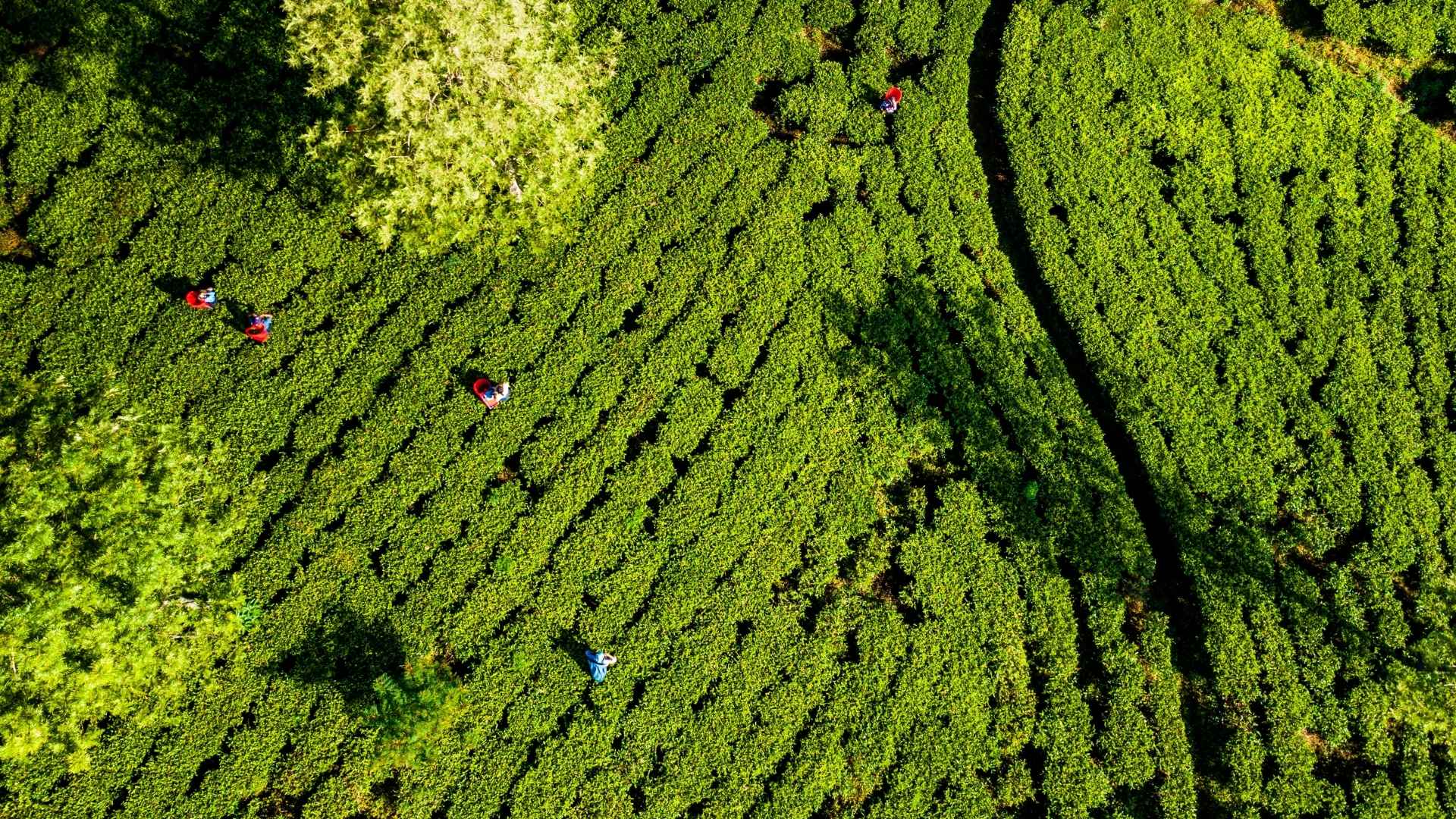
Tea plantations in Kerala are restricted to specific highland zones where climate, rainfall, and soil conditions favour continuous leaf growth. These regions host most of the organised estates, enabling structured management and long-term productivity.
Below are the key factors that make these areas ideal for tea cultivation, along with the main plantation regions across the state:
1. Growing Conditions
Kerala tea plantations depend on stable hill-climate conditions rather than flatland agriculture. Typical requirements include:
Climate: Thrives in stable hill-climate zones rather than flatlands.
Temperature: The ideal range is 20°–30°C; above 35°C or below 10°C is harmful.
Rainfall: Requires 150–300 cm annually, evenly distributed throughout the year.
Altitude: Grows at 600–2,000 metres above sea level.
Soil Type: Slightly acidic soil with porous subsoil for proper water percolation.
Soil pH: Optimal range is 4.5–5.5.
These conditions help tea bushes maintain steady leaf growth and long-term productivity when supported by proper pruning and nutrient practices.
2. Major Tea Plantation Regions in Kerala
Tea cultivation in Kerala is mostly estate-based, with production concentrated in a few well-defined highland regions.
Munnar (Idukki District): The largest and most established tea belt in the state, producing both CTC and orthodox teas. Estates in this zone sit on rolling hills and often extend above 1,200 m.
Wayanad: A significant tea region in northern Kerala with estates producing medium-grown teas.
Nelliampathy (Palakkad District): Plateau tea plantations at moderate elevations contribute to Kerala’s tea output.
Peermade / Vandiperiyar (Idukki): Additional plantation belts within central Kerala’s estate geography.
Together, these regions account for most of Kerala’s organised tea plantations, with Idukki and Wayanad covering the largest share of estate-grown tea.
3. Estate Renewal and Productivity Focus
Kerala’s tea sector places emphasis on sustaining production from established estates rather than expanding into new land:
Replanting and Infilling: Aging tea bush blocks are replaced with improved, high-yielding clones to maintain productivity.
Canopy and Pruning Management: Systematic pruning maintains optimal plucking table height and encourages vigorous regrowth.
Technology Adoption: Estates are increasingly using GPS-based field mapping, weather-tracking, and aerial-spraying tools to optimise field operations and crop protection.
Together, these steps aim to keep yields stable and quality consistent, which aligns with the reality of Kerala’s mature, land-constrained plantation system.
4. Institutional and Regulatory Framework
Tea estates in Kerala function within a structured industry and regulatory environment:
Tea Board of India: Governs quality standards, registration, export compliance, and statistical reporting for the tea sector.
UPASI (United Planters’ Association of Southern India) and Research Institutes: Provide guidance on region-specific cultivation practices, pest and disease management, and clone selection.
Sustainability Standards: Many estates participate in Rainforest Alliance, Fair Trade, or similar programmes that influence input use, labour practices, and environmental management.
Together, this framework ensures Kerala’s tea plantations balance productivity with labour welfare and environmental responsibility, while meeting both domestic regulations and export market expectations.
Now, let’s look at how tea plantations in Kerala go beyond production and play a role in employment, local economies, and community development across the state.
Why Kerala Tea Plantations Matter: Economic and Social Role
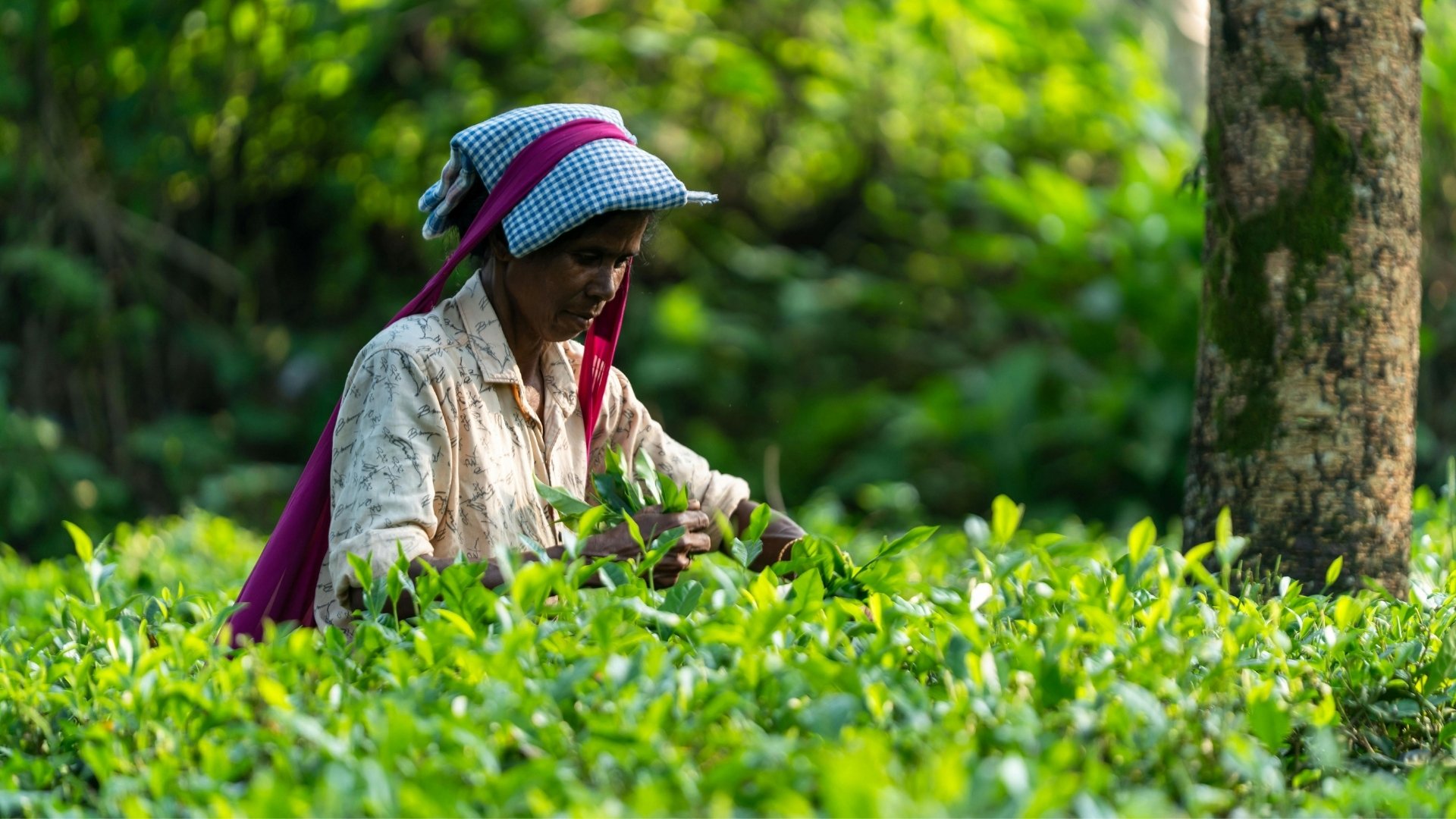
Kerala’s tea plantations play a central role in the state’s agricultural economy and rural livelihoods, directly supporting thousands of workers and families in the highland districts. Here, we examine the tangible ways these estates influence the economy, industry, and local communities:
Driving Local Economy
Tea estates employ large numbers of workers across plucking, factory processing, maintenance, and transport. In districts like Idukki and Wayanad, plantation work remains the main source of stable income for hill communities.
Export Significance
Kerala tea contributes significantly to India’s tea exports, with processed leaves generating substantial foreign exchange earnings and reinforcing the state’s position in international markets.
Supporting Allied Industries
Tea production sustains downstream industries, including factories, packaging units, transport networks, and port logistics, ensuring smooth supply chains from leaf to finished product.
Adopting Smart Technology
Because of steep terrain and dense tea bushes, Kerala estates have been early adopters of mechanised pruning, GPS-based field tracking, and drone spraying. These tools reduce physical strain on workers, improve spray accuracy, and help maintain crop health.
Building Communities
Beyond economics, estates provide worker housing, schools, and healthcare facilities, creating structured social support systems in remote regions where government infrastructure is limited.
Also Read: New Technology in Agriculture: Top Trends and Benefits
While tea plantations contribute significantly to the local economy, let’s see how managing these estates in Kerala presents a distinct set of operational challenges.
Key Challenges in Kerala Tea Plantation Management
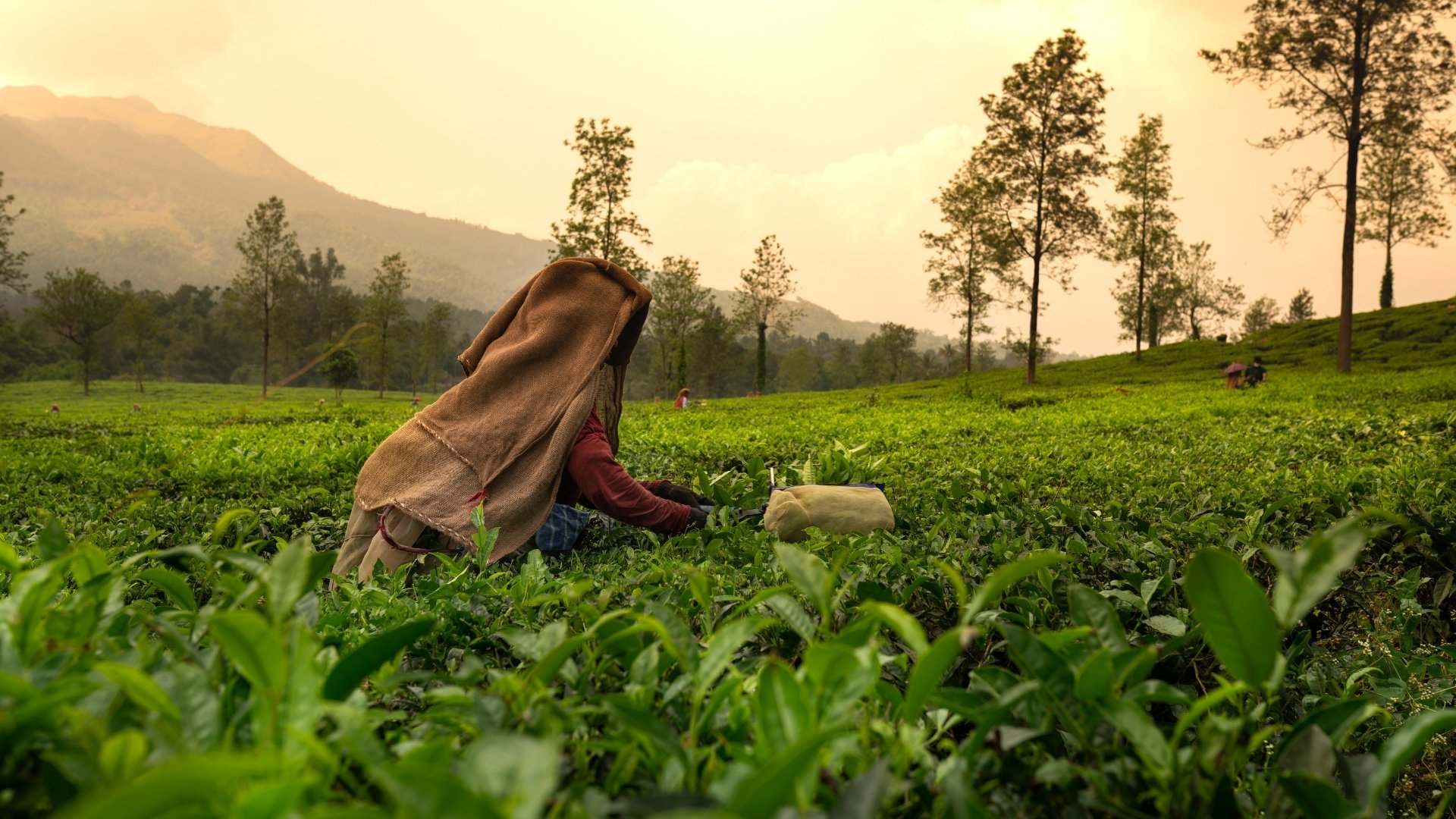
Tea cultivation in Kerala faces field-level challenges shaped by high rainfall, steep terrain, and the estate-based nature of production. These factors directly affect crop protection, labour planning, and consistency of field operations.
Below are a few key challenges Kerala tea plantations face in daily operations:
1. Pest and Disease Pressure
Kerala’s humid climate creates persistent disease and pest risks across tea estates:
Blister Blight: Intensifies during monsoon months and rapidly spreads across dense canopies.
Red Spider Mite and Thrips: Reduce leaf quality and impact on tea yield.
Operational Impact: Effective control depends on rapid, uniform spraying during short dry-weather windows.
2. Labour Constraints
Tea remains one of the most labour-intensive plantation crops:
Plucking Labour Shortages: Disrupt harvesting cycles and reduce leaf quality.
Spraying Delays: Manual teams cannot cover large, multi-divisional estates within a limited timeframe.
Cost Pressure: Labour availability and wages directly affect estate operating costs.
3. Environmental and Regulatory Sensitivity
Tea estates operate in ecologically sensitive highland regions:
Drift and Runoff Risks: Poor application practices can affect nearby water bodies.
Soil Erosion Concerns: Inappropriate spraying increases runoff on slopes.
Compliance Requirements: Estates must adhere to strict environmental and safety standards.
4. Terrain-Related Limitations
Most Kerala tea plantations are located on sloping, uneven terrain:
Spray Coverage Gaps: Manual spraying often misses upper and inner canopy zones.
Worker Safety Risks: Steep slopes increase fatigue and chemical exposure.
Weather Interruptions: Frequent rain reduces the number of effective spray days.
To overcome these challenges, Leher provides drone-powered precision spraying for tea plantations, designed for steep terrain, dense canopies, and narrow spray windows. Contact us to schedule your service and streamline spray operations across your tea estates.
Beyond short-term crop protection, Kerala tea plantations must adopt long-term management strategies to maintain yield and estate viability. Let’s examine how estates can achieve this through structured, long-horizon management practices.
Strategies for Managing Yield and Risk in Kerala Tea Plantations
In Kerala, tea estates cannot rely on expanding land to increase output. The only way forward is better planning at the estate level. Long-term performance depends on how well plantations manage bush health, field work, and weather-related risks across multiple pruning cycles.
Below are the main strategies estates use to keep yield and quality steady while keeping day-to-day operations manageable.
Targeted Clonal Renewal: Most estates now focus on planned replanting and infilling using clones chosen for blister blight tolerance, stable yields, and suitability to high-rainfall areas. Replacing old and unproductive bushes in phases helps maintain output without adding new land.
Planned Crop Protection Cycles: Spraying is no longer done only after problems appear. Estates follow monitoring-based spray schedules that match monsoon patterns. Applying sprays during short dry windows, with uniform coverage, is key to controlling disease in dense tea canopies.
Slope-Specific Soil and Water Management: On steep slopes, estates rely on contour planting, regular drainage upkeep, and controlled spray volumes. These steps reduce soil erosion, prevent runoff, and protect root zones over the long term.
Operational Skill Upgrading: With fewer workers available, estates now need a smaller, but more skilled workforce. Training workers to handle mechanised pruning, calibrated spraying, and digital field records helps maintain consistency across large areas.
Research and Regulatory Alignment: Staying aligned with Tea Board guidelines and regional research bodies helps estates access better-quality planting material, approved crop-protection practices, and replanting support schemes.
Also Read: How Drones Are Revolutionising Agriculture Practices
Building on these long-term management strategies, let’s see how Leher’s drone-powered solution enhances care for tea plantations and workflow efficiency in Kerala.
Leher: Smart Drone Solutions for High-Altitude Kerala Tea Estates
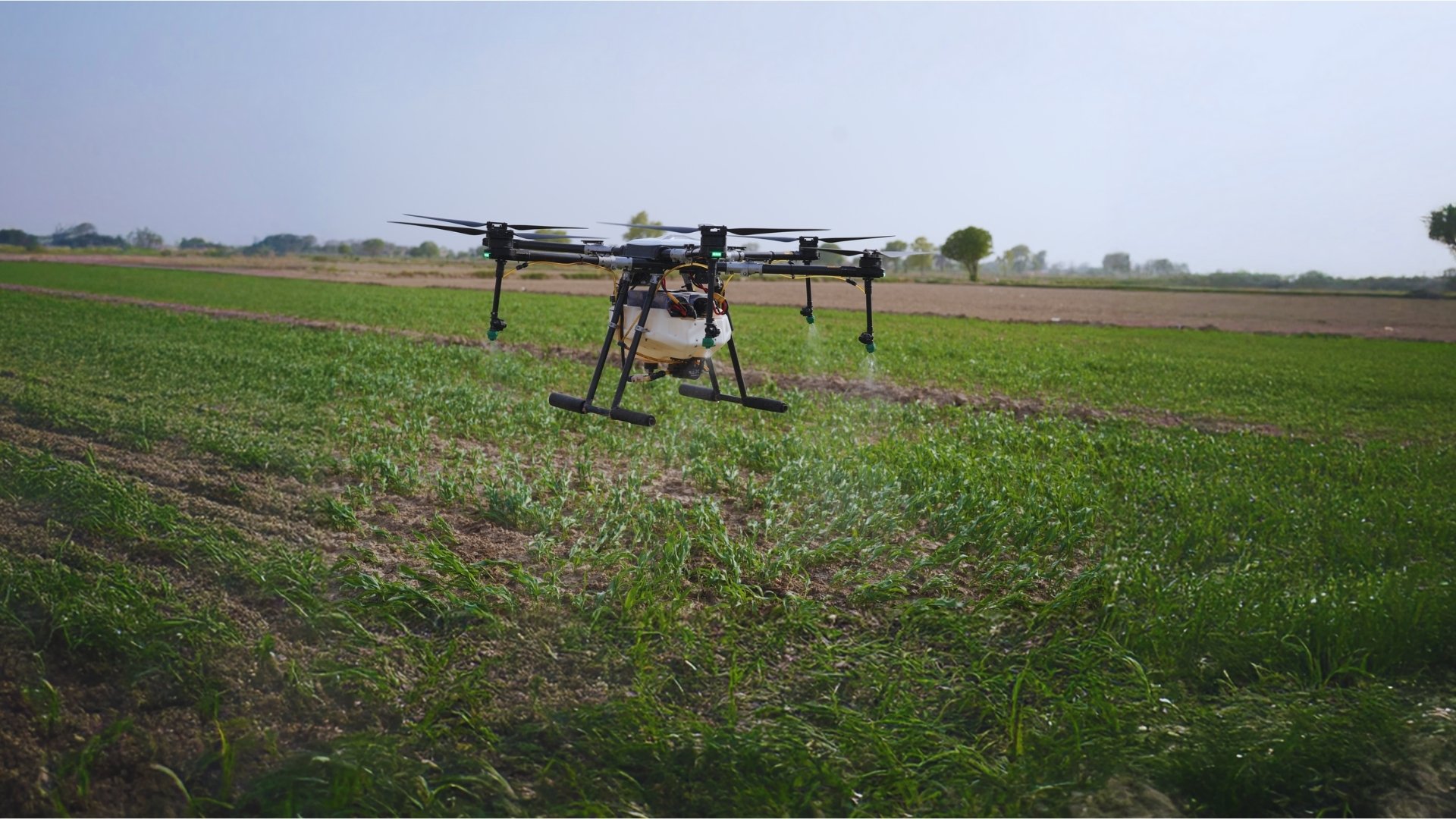
Tea plantations often face challenges like uneven pesticide coverage, high labour dependency, and time-consuming manual spraying. To tackle these efficiently, Leher offers drone-powered precision spraying solutions customised for tech-savvy farmers, corporate estates, and drone entrepreneurs.
Here are a few key benefits of Leher drone spraying:
Precision Application: Drones deliver uniform pesticide and nutrient coverage across the entire canopy, including upper and inner branches, reducing chemical wastage.
Time Efficiency: A single drone can spray up to 50 acres per day, completing tasks in minutes that would otherwise take hours manually.
Reduced Labour Dependency: A minimal workforce is required, lowering operational costs and addressing seasonal labour shortages.
Safe Operations: Workers avoid direct chemical exposure, enhancing safety on large estates.
Scalable Solutions: Suitable for smallholder farms (7+ acres) as well as corporate plantations spanning hundreds of acres.
Business Opportunities: Drone entrepreneurs can partner with Leher for training, certification, and long-term contracts with plantations.
Case Study: Leher drones have been deployed across 700+ hectares of tea plantations, achieving up to 75% less chemical residue per kg of made tea. Each drone performs the work of 10 manual sprayers, flipping tea leaves to ensure uniform coverage of pesticides and fertilisers. With pre-programmed flight paths, spraying is consistent and repeatable, and a single drone can cover 15+ hectares per day, completing one hectare in about 30 minutes.
Schedule your drone spray through the app; our pilot arrives, completes the spray, and payment is made only after the job is done. Protect your tea estates and reduce chemical waste. Download the Leher App today from Google Play or App Store.
FAQs
1. Can drone spraying be integrated with existing estate management software?
Yes. Modern drones, including Leher’s system, can sync with plantation management platforms to log spray operations, track coverage, and generate reports, enabling estates to maintain a seamless digital record of all field interventions.
2. How does canopy density affect pesticide efficacy in tea plantations?
Dense canopies in Kerala tea estates can prevent uniform chemical coverage. Drone downwash flips leaves and ensures thorough penetration, improving pest and nutrient contact while reducing missed zones and chemical waste.
3. Are there limits to the size of tea estates a single drone can manage?
A single drone efficiently covers 10–15 hectares per day. Large estates require multiple drones or scheduled operations, but automation and pre-programmed flight paths ensure full coverage without reallocation of manual labour.
4. How do drones help during Kerala’s unpredictable monsoon periods?
Drones enable rapid spraying during narrow, dry-weather windows, enabling timely pest control. Their ability to operate on uneven slopes and steep terrain reduces delays caused by rain interruptions that typically affect manual spraying schedules.
5. Can drone spraying reduce labour-related risks in tea plantations?
Yes. Using drones minimises direct worker exposure to chemicals and lowers physical strain on steep slopes. Estates can maintain pest and nutrient management standards safely, reducing occupational hazards and long-term health risks for field staff.
Let’s Grow Together!
Interested in drone spraying solutions? Connect with us today.