Symptoms of Plant Disease: How to Spot, Monitor, and Manage Crop Infections
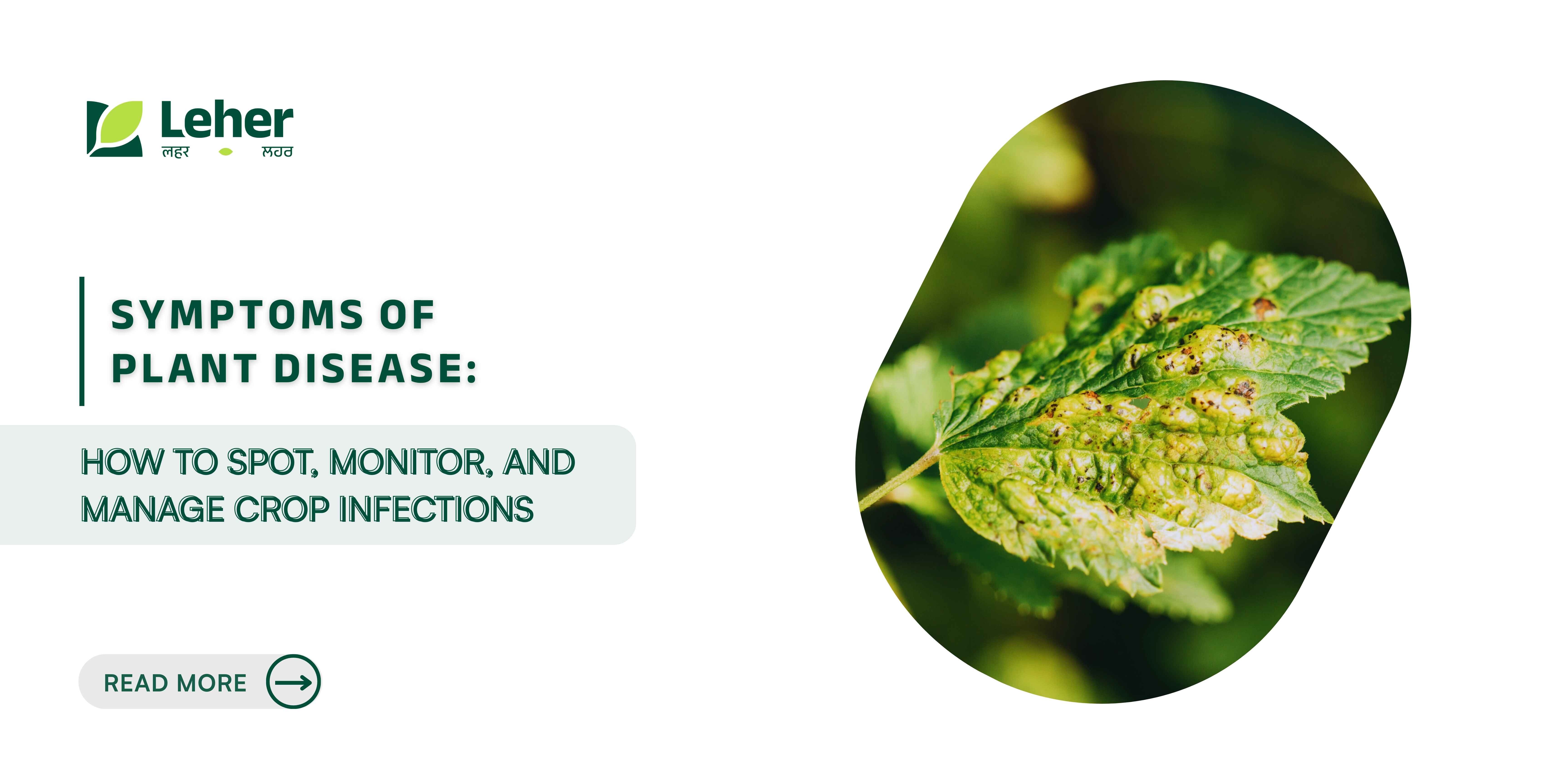
Did you know that plant pathogens and pests can reduce yields by up to 40 % in staple crops like maize, rice, and wheat? That’s lost income for farmers and a serious threat to food security.
Spotting problems early and managing them quickly is the key to protecting your crops and profits. These threats often go unnoticed until significant damage occurs, making it absolutely crucial to recognise the symptoms of plant disease early. Acting promptly can save time, reduce resource waste, and protect labour.
In this blog, you’ll discover how to spot fungal, bacterial, and viral disease symptoms, monitor crops effectively, and take prompt action to safeguard yields.
Key Takeaways
Spot Symptoms Early: Early detection prevents disease spread and improves crop yields.
Know the Pathogen: Fungal, viral, and bacterial infections exhibit distinct symptoms that require targeted action.
Use Technology: Drone surveys can efficiently monitor large farms and quickly identify stressed areas.
Prevent Spread: Removing infected plants, targeted treatments, and crop rotation reduce disease risk.
Data-Driven Decisions: Historical and real-time crop data support better irrigation, fertiliser, and pesticide management.
What Causes Plant Diseases and How Are They Identified?
Around 85% of plant diseases are caused by fungal or fungus-like organisms, with bacteria, viruses, and certain nematodes responsible for most of the rest. Some plant disorders are abiotic, caused by factors such as air pollution, nutrient deficiencies, or suboptimal growing conditions.
Plant diseases are identified through signs and symptoms. Where signs indicate the pathogen's physical presence, such as fungal growth or bacterial exudates, and may include gummosis. Whereas, symptoms describe the plant’s visible response to infection, including changes in colour, structure, or function.
Early signs of plant disease provide valuable clues, so let’s learn how farmers can act before infections escalate.
Why Early Detection of Plant Disease Matters
Spotting early signs of disease gives farmers time to act before the problem spreads across the field. When diseases are detected early, it becomes easier to manage crops properly and protect both yield and plant health.
Key Reasons to Monitor Symptoms Closely:
Controls Disease Spread at the Source: Early identification enables the isolation of affected zones before infections spread through irrigation lines, soil, or plant contact.
Prevents Unnecessary Chemical Use: Spraying pesticides, fungicides, or other crop-protection chemicals only on infected areas reduces input costs and avoids blanket spraying of healthy crops.
Safeguards Yield Consistency: Healthy plants develop uniformly, helping maintain predictable yields and stable crop quality.
Supports Timely Decision-making: Early symptoms guide farmers on whether to treat immediately, monitor the situation, or adjust field practices.
To detect plant disease early, let’s focus on the visible symptoms that appear first in affected crops.
4 Different Types of Plant Disease Symptoms
Different plant diseases affect crops in different ways, and each leaves its own set of visible signs. Learning to recognise these patterns helps farmers act early, limit the spread, and reduce crop losses. Let’s look at the four main types of plant disease symptoms and how they appear in crops.
1. Fungal Disease Symptoms
Fungal infections often produce visible changes in leaves, stems, roots, flowers, and fruits. These changes help identify disease early, enabling timely interventions to protect crops before the infection spreads.
The table below summarises the most common fungal symptoms and what they look like in plants:
Fungal Symptom | Description |
Anthracnose | Dark, sunken spots on leaves, stems, flowers, or fruit that expand as the fungus grows, often causing tissue decay. |
Damping‑off | Young seedlings collapse or rot at the soil level before or just after emergence due to fungal attack on stems and roots. |
Leaf Spot | Small to large discoloured lesions on foliage, often brown or tan, which may merge and cause leaf death. |
Chlorosis | Yellowing of leaves due to disrupted chlorophyll function from fungal infection. |
Blight | Rapid and extensive death of leaf or stem tissue that appears brown or black and spreads quickly. |
Canker | Sunken or dead areas on stems or branches where tissue has been killed by fungal growth. |
Clubroot | Roots become swollen and distorted, reducing water and nutrient uptake, leading to wilting. |
Black Knot | Hard, irregular black swellings on twigs or branches indicate fungal invasion. |
Late Blight | Irregular dark blotches with pale edges on leaves and fruit, often under moist conditions. |
Powdery Mildew | White or grey dusty fungal growth on leaf surfaces or stems that can weaken plants. |
Downy Mildew | Pale yellow patches on the leaf upper surface with fuzzy grey/white growth underneath in humid conditions. |
Rust | Small yellow, orange, or brown pustules on leaves and stems that release spores. |
Fusarium Wilt | Leaves wilt and may turn yellow or brown as the fungus blocks water movement in vascular tissue. |
Basal Rot | Decay and softening of plant base or root tissues from fungal invasion. |
Gray Mold Rot | Soft brown spots on shoots, buds, flowers, or fruit that appear covered with dusty grey fungal growth. |
Heart Rot | Decay inside the centre of trunks or branches that weakens structural support. |
Leaf Rust | Reddish or brown pustules, often breaking through leaf surfaces, are visible as distinct raised spots. |
2. Viral Disease Symptoms
Viral diseases do not show visible growth like fungi, but they still affect how a plant grows and looks. Common signs include discoloured leaves, unusual shapes, and slow or stunted growth. Noticing these symptoms early makes it easier to tell viral problems apart from nutrient stress or other issues.
The table below points out key viral symptoms and what to observe in affected plants:
Viral Symptom | Description |
Mosaic patterns | Leaves show irregular patches of light and dark green, yellow, or white caused by virus interference with chlorophyll production. |
Leaf curling | Leaves curl upward, downward, or sideways due to abnormal growth. |
Chlorotic ringspots | Circular or ring-shaped yellow or light green spots appear on leaves, often surrounded by normal tissue. |
Stunted growth | Plants remain smaller than healthy plants due to disruptions in normal cellular functions. |
Leaf distortion | Leaves become twisted, puckered, or misshapen. |
Vein clearing | Veins in leaves appear translucent or lighter, giving a washed-out look. |
Mottling | Irregular blotches of discolouration appear across leaf surfaces. |
Fruit deformation | Fruits may be small, misshapen, or discoloured. |
Necrotic spots | Dead tissue patches appear on leaves, stems, or fruit. |
Yellowing | Generalised yellowing occurs when chlorophyll production is affected. |
Flower distortion | Flowers may fail to open, be discoloured, or abnormally shaped. |
Chlorotic mottling with streaks | A combination of pale streaks and mottled patches along leaf veins. |
Leaf blistering | Raised, blister-like areas develop on leaves. |
Vein banding | Discolouration along leaf veins contrasts with the surrounding tissue. |
Reduced yield | Viral infection often leads to fewer flowers and fruits. |
Leaf necrosis | Extensive leaf tissue death can occur, sometimes leading to leaf drop. |
Fruit spotting | Small, discoloured lesions appear on fruit. |
Overall plant decline | Progressive weakening and poor growth indicate systemic viral infection. |
3. Bacterial Disease Symptoms
Bacterial diseases often show up as water-soaked spots, sticky ooze, or soft, damaged tissue. Spotting these signs early helps farmers act quickly, stop the infection from spreading, and keep the rest of the crop healthy.
The table below outlines common bacterial disease symptoms and explains how they appear in plant tissues:
Bacterial Symptom | Description |
Leaf spot with a yellow halo | Spots with pale yellow borders expand outward as infection progresses. |
Fruit spot | Water-soaked or discoloured patches on fruit surfaces may lead to premature drop. |
Canker | Localised dead or sunken areas on stems or branches with tissue discolouration. |
Crown gall | Swollen, tumour-like growths at the base of stems care aused by bacterial interference with cell growth. |
Shepherd’s crook stem ends | Young woody stems bend in a hook-like shape at shoot tips. |
Water-soaked lesions | Glossy or moist areas on leaves or stems indicate the presence of bacteria. |
Bacterial ooze | Sticky, viscous exudate may appear on stems or leaves under humid conditions. |
Wilt symptoms | Leaves and shoots droop due to bacterial invasion of vascular tissues. |
4. Phytoplasma Disease Symptoms
Phytoplasmas are bacteria-like organisms that live inside a plant’s phloem and spread through sap-feeding insects such as leafhoppers. Once they enter the plant, they disrupt nutrient movement, leading to abnormal growth and visible changes in the plant’s structure.
The table below highlights common phytoplasma symptoms and shows how they typically affect plant growth and development:
Phytoplasma Symptom | Description |
Witches’ broom | Clusters of shoots or branches grow excessively from a single point. |
Yellowing and chlorosis | Leaves show uniform yellowing due to impaired nutrient movement. |
Stunted growth | Plants remain smaller with shortened internodes and reduced vigour. |
Phyllody | Flower parts turn green and leaf-like, losing normal structure. |
Virescence | Flowers or buds develop green pigmentation, replacing natural colours. |
Leaf curling or deformation | Leaves become twisted or malformed. |
General decline | Overall plant health deteriorates progressively with reduced flowering and fruit set. |
Also Read: Types of Drones for Indian Agriculture
Having reviewed the key visible symptoms of plant disease, let’s explore how to actively monitor your crops to detect problems early and safeguard your yields.
How to Monitor Your Crops: Detect Plant Disease Early
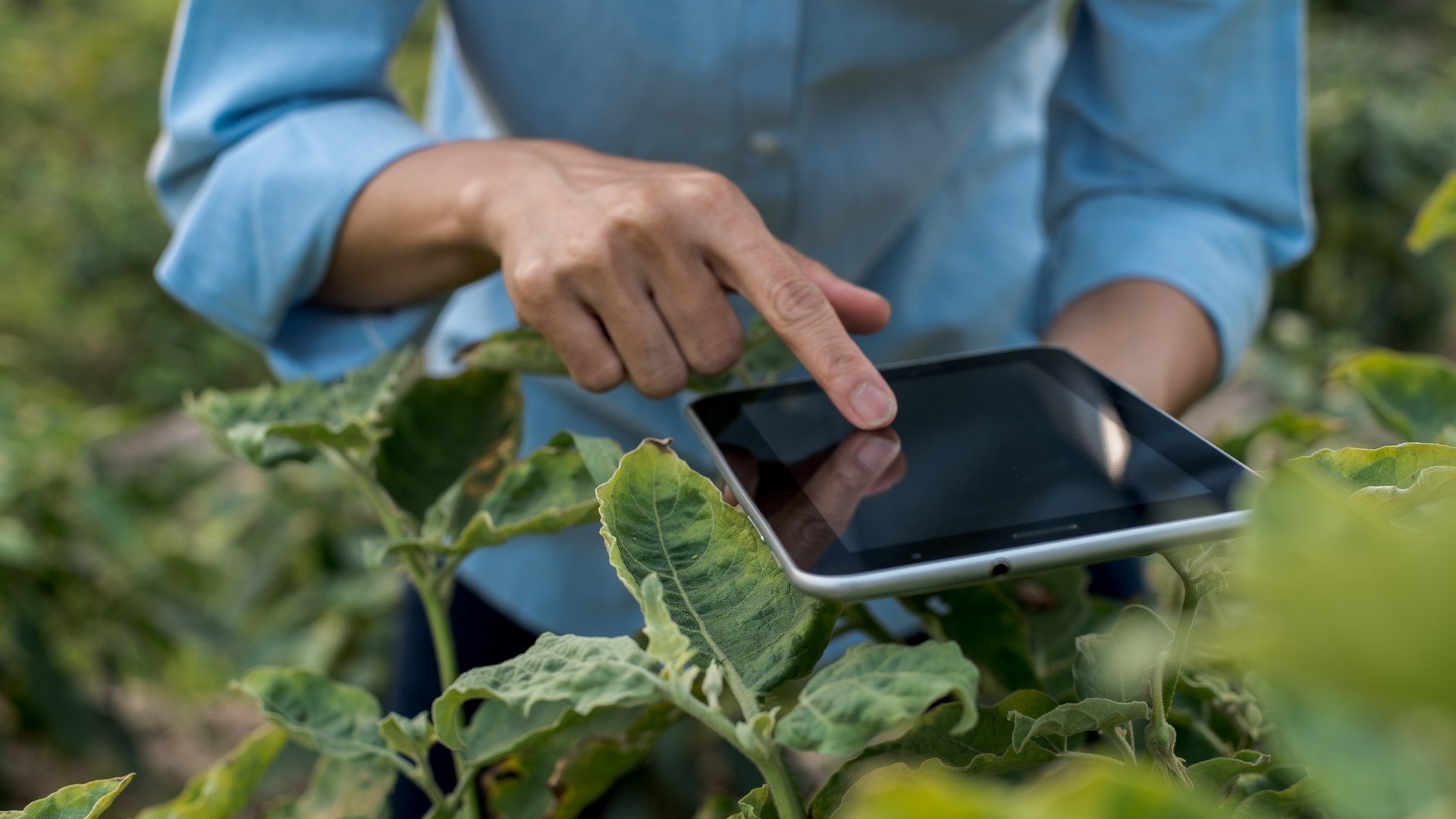
Keeping a close eye on your crops helps spot early warning signs of disease before they spread. Combining field observation with technology ensures no problem goes unnoticed. Here are practical steps to monitor your crops effectively:
Inspect Plants Methodically: Walk through your fields and examine leaves, stems, flowers, and fruits for unusual spots, wilting, or discoloration.
Record Observations Consistently: Keep detailed logs of symptoms, their location, and timing to track patterns and anticipate outbreaks.
Utilise Drone Technology: Capture high-resolution aerial images to spot stressed areas quickly and prioritise treatment zones across large fields.
Compare with Historical Data: Analyse current plant growth and health against past records to identify anomalies and early signs of disease.
Review Environmental Conditions: Monitor humidity, temperature, and soil moisture regularly, as changes can increase susceptibility to specific pathogens.
Once you’ve identified areas of concern, acting quickly is essential to prevent disease from spreading and protect your crops.
Leher’s precision drone-spraying simplifies this process, covering up to 50 acres per day with a 22-minute flight time and a maximum takeoff weight of 24.9 kg. Schedule your first drone spray service today and experience the difference this season.
Now, let’s explore strategies to effectively stop infections from moving through your farm.
Practical Strategies to Prevent Disease and Protect Your Crops
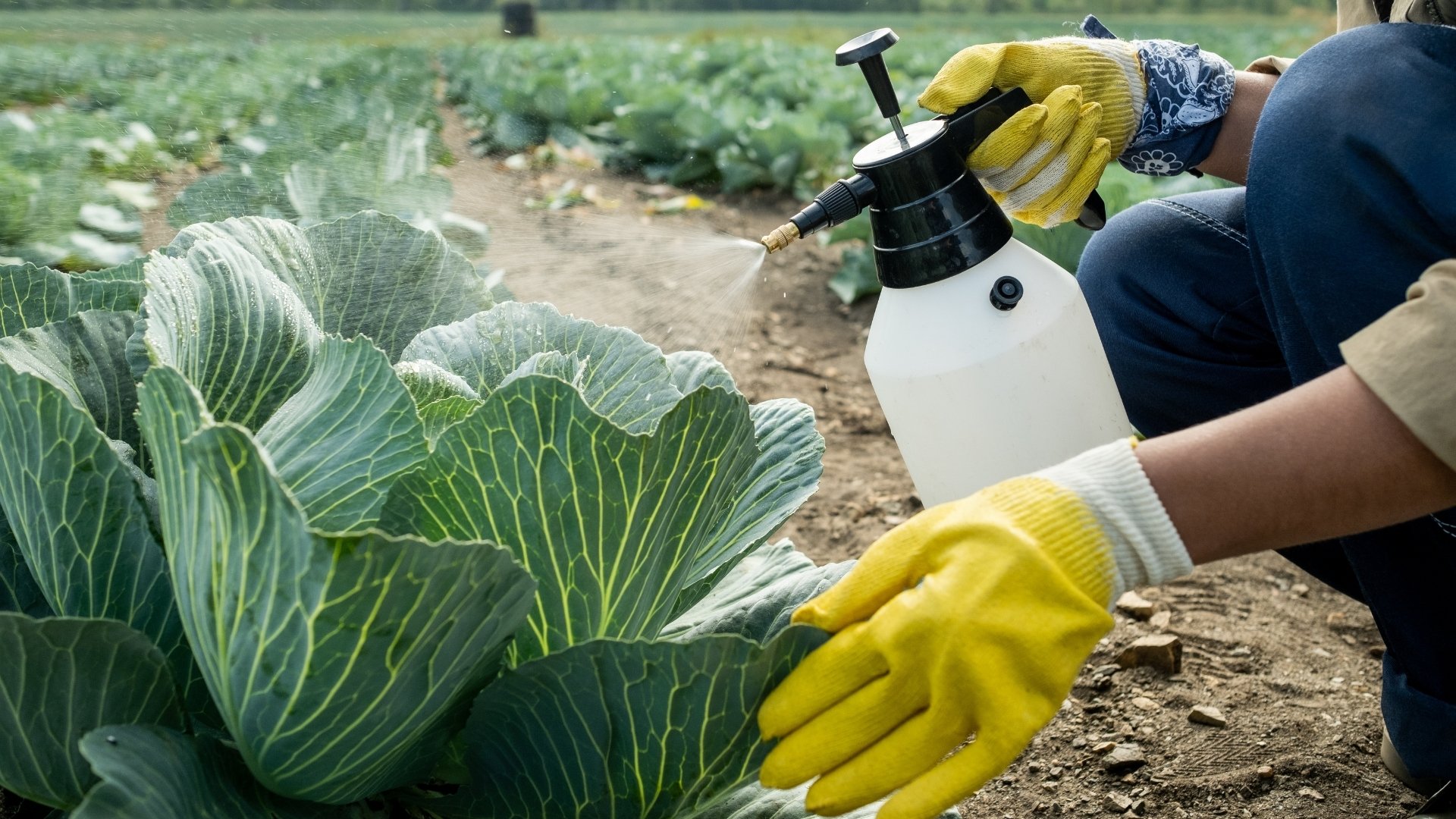
Acting quickly to control plant diseases is key to maintaining healthy, high-yielding crops. The following practices provide practical ways to limit infections and protect your farm:
Remove and Destroy Infected Plants: Uproot diseased plants carefully and dispose of them away from your fields to stop pathogens from spreading.
Apply Treatments Strategically: Target only affected areas with fungicides, bactericides, or other control measures, rather than spraying entire fields.
Rotate Crops Regularly: Change crop types seasonally to reduce the buildup of soil-borne pathogens and break disease cycles.
Manage Irrigation and Airflow: Adjust watering schedules and plant spacing to prevent excess moisture, improve airflow, and create conditions less favourable for disease development.
Also Read: Drones in Agriculture: Effective Plant Disease Detection and Targeted Spraying
Now, let’s explore how Leher’s drones can give you a precise and efficient way to control plant diseases on your farm.
How Leher’s Drones Help You Control Plant Disease?
Plant diseases can spread quickly across fields, reducing yields and affecting crop quality. Timely intervention is crucial for controlling infections and protecting your harvest. Leher’s drones provide an efficient solution, allowing farmers to precisely spray affected areas, save time, and reduce resource use while keeping crops healthy.
Here’s how Leher creates real impact:
Proven Scale and Reach: Leher has already sprayed over 35,000 acres across India, partnering with 2,200+ drone operators to serve smallholder farmers, cooperatives, and estates.
Fast and Efficient Spraying: Each drone can spray up to 50 acres a day, with a 10-litre tank, 22-minute flight time, and 45-minute recharge. Spraying takes minutes, not hours.
Lower Chemical Use, Better Results: Farmers using Leher’s drones report up to 75% less chemical residue and 30–50% yield improvements, especially in crops like tea, rubber, and horticulture.
Easy Access Through Mobile Booking: Farmers can book services through the Leher app, WhatsApp, or a centralised call system. Trained, DGCA-certified pilots handle the spraying, and payment is collected only after the job is complete.
Support for Drone Entrepreneurs: Leher empowers rural youth to become drone service providers. Its partner program includes training, financial assistance, and an app to manage daily operations, orders, and payments.
Data-Backed Decision-Making: Every spray is logged through Leher’s Spray Management System. Farmers receive GPS flight paths, chemical usage logs, and auto-generated reports to support subsidy applications and planning.
Want to tackle plant diseases while covering your fields evenly and quickly? Leher’s drones deliver precise spraying up to 40 m AGL and over an operating range of 500 m, reducing chemical use, saving labour, and protecting your crops.
Download the Leher app today on Google Play or the App Store, or join our Drone Partner Program to get started.
FAQs
1. Can plant diseases be fully prevented using drones?
Drones cannot completely prevent plant diseases, but help detect early signs and monitor crop health. This enables timely interventions, targeted spraying, and disease management to minimise spread and potential yield losses.
2. How frequently should I inspect crops for disease symptoms?
Crop inspection should be weekly or more often during high-risk conditions, such as humid or rainy periods. Regular monitoring helps catch early symptoms, allowing prompt treatment before diseases spread across large fields.
3. Are viral diseases harder to detect than fungal ones?
Yes. Viral infections often show subtle visual cues, such as mosaic patterns or stunted growth. Fungal infections often produce visible signs such as spots, powdery growth, or lesions, making them easier to identify early.
4. Can stress symptoms be mistaken for plant disease?
Yes. Nutrient deficiencies, drought, or pest pressure can mimic disease symptoms. Careful observation, combined with aerial imaging and crop data, helps differentiate stress-related changes from actual infections.
5. How can Leher drones support large corporate farms?
Leher drones provide aerial mapping, high-resolution imaging, and stress detection across extensive farmland. This data guides precise interventions, optimises resource use, and improves early disease management at scale.
Let’s Grow Together!
Interested in drone spraying solutions? Connect with us today.