Integrated Pest and Disease Management Principles
Pests and diseases pose a significant challenge to Indian agriculture. Across the world, up to 40% of crops are lost each year to insect pests, diseases, and weeds before harvest, according to estimates by the Food and Agriculture Organisation of the United Nations.
In India alone, crop protection experts estimate that pest damage contributes to an annual loss of around ₹2 lakh crore in farm income. These losses reduce yield, waste inputs, and raise farmers' production costs.
In this post, we cover practical pest and disease management principles you can use on your farm, and explain when tools like drone-assisted spraying can help you act precisely and save time.
Key takeaways
Monitor your fields weekly and act only when pests cross economic thresholds to avoid unnecessary spraying.
Adopt IPM practices that combine cultural, biological, and chemical methods to reduce reliance on pesticides on your farm.
In IPM-adopted regions, pesticide consumption fell by 40–60 percent compared with conventional areas.
Use spot treatments, such as drone-assisted sprays, to target hotspots, saving chemicals, time, and labour on large farms.
What are Pests and Diseases?
In farming, pests are living organisms that damage crops by feeding on them or competing for nutrients. These include insects, mites, rodents, and even weeds. For example, aphids suck plant sap, weakening crops and spreading infections.
Diseases, on the other hand, are infections caused by pathogens [microorganisms that cause illness], such as fungi, bacteria, or viruses. Some are spread by a vector [an organism that carries a pathogen], such as whiteflies that transmit viral diseases in vegetables.
Understanding the difference helps you choose the right control method at the right time.
The 7 Core Principles of Pest & Disease Management
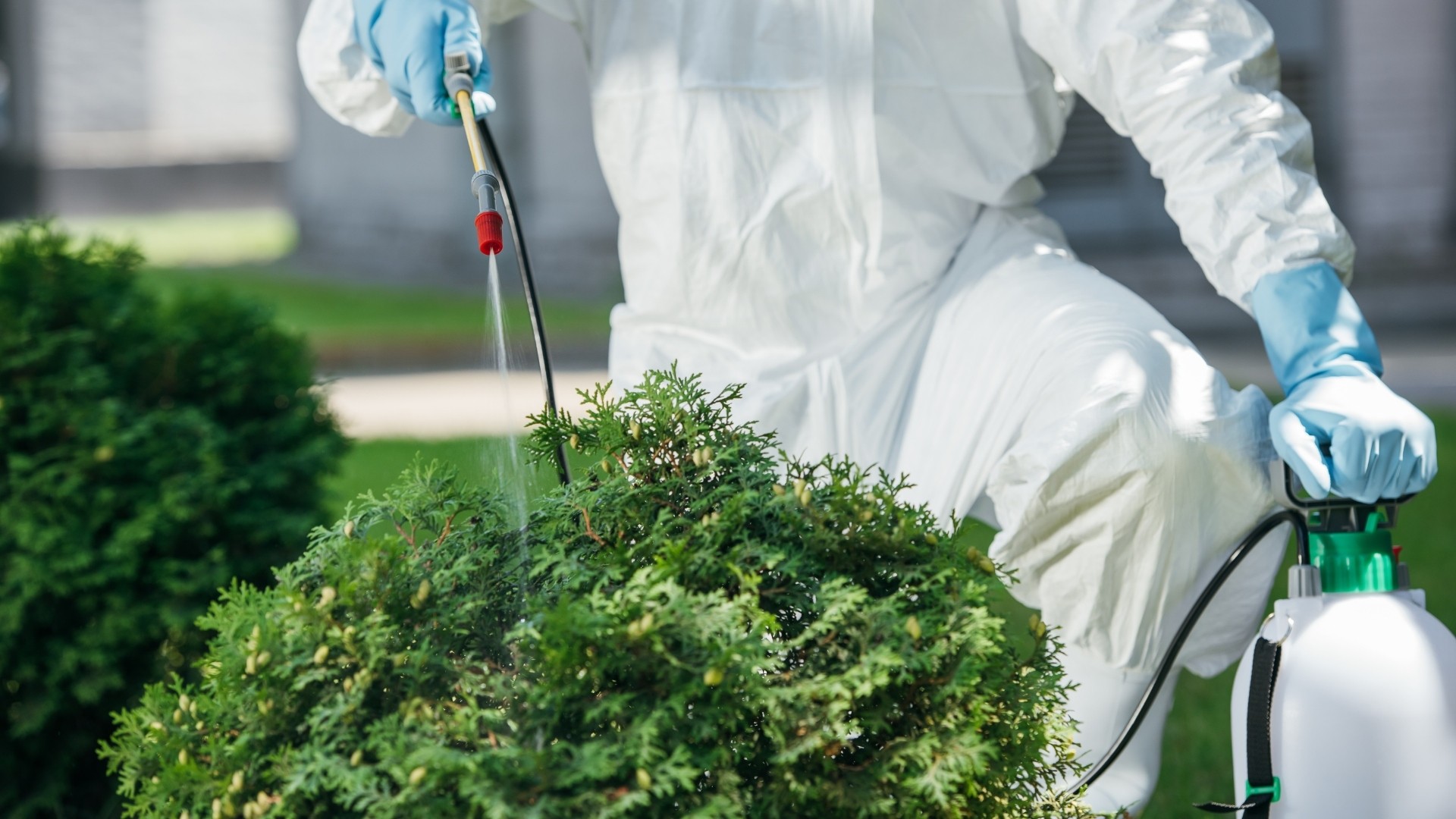
Effective pest and disease management follows a clear, step-by-step approach. Instead of reacting after heavy damage, you prevent, monitor, and act at the right time. These seven core principles help you reduce crop loss, use fewer chemicals, and protect your yield practically and sustainably.
1. Prevention: Cultural and Agronomic Practices
Prevention is always more cost-effective than treating a severe outbreak later. Simple farming practices can significantly reduce pest and disease pressure before it spreads across your field. Crop rotation [growing different crops in sequence on the same land] helps break pest life cycles.
Choosing resistant crop varieties strengthens your plants against specific infections. Timely sowing avoids peak pest periods. Field sanitation, such as removing infected plant debris, stops pathogens from multiplying.
In many cotton-growing regions of Maharashtra, rotating cotton with soybean has helped reduce bollworm infestation.
Practical steps you can follow:
Rotate crops regularly
Use certified resistant seeds
Remove infected plants quickly
Maintain proper plant spacing for better airflow
Also Read: Pest Management Strategies for Sugarcane Crop
2. Monitoring and Scouting
You cannot manage what you do not monitor. Regular field scouting helps you detect pests and diseases early, before they spread across the entire farm. Walk through your field at least once a week during the growing season. In high-risk periods, such as humid weather, increase scouting frequency. Check leaves from different parts of the field, not just the edges.
Simple tools make scouting easier. Yellow sticky traps help monitor flying insects. A hand lens helps you examine small pests or early signs of disease closely.
Here are the basic records you should keep each time you scout:
Type of pest or disease observed
Level of infestation or damage
Crop stage
Recent weather conditions
This habit helps you decide when to act rather than spray blindly.
3. Correct Identification and Diagnosis
Spraying without correct identification can waste money and harm your crop. Different pests and diseases require different treatments. For example, nutrient deficiency symptoms can resemble fungal infections. If you misidentify the problem, the spray will not work, and the damage may continue.
Start with careful visual inspection. Look at leaf spots, stem damage, insect presence, and pattern of spread. Check whether symptoms appear randomly or in patches. Simple field clues, such as powdery growth or chewed leaves, often point to specific causes.
If you are unsure, take clear photos and consult a local agriculture officer or expert. For severe or unusual symptoms, send a plant sample to a nearby laboratory for proper diagnosis.
4. Economic and Action Thresholds
Not every pest presence requires immediate spraying. An economic threshold is the level of pest damage at which control action becomes financially justified. In simple terms, it is the point at which the expected crop loss exceeds the cost of the control measure. Spraying before this level may be a waste of money. Spraying after it may reduce yield.
The decision flow is simple:
Monitor regularly → Compare with recommended threshold → Take action only when needed. |
This approach helps you reduce unnecessary pesticide use and protect your profit.
5. Integrated Pest Management (IPM) and Integrated Disease Management (IDM)
Integrated Pest Management, or IPM, is a balanced approach that combines different control methods rather than relying solely on chemicals. Integrated Disease Management (IDM) follows the same principles for plant diseases. The goal is simple: control problems effectively while reducing input costs and environmental impact.
IPM and IDM include four main approaches:
Cultural control: crop rotation and proper spacing
Mechanical control: removing infected plants or using traps
Biological control: using natural enemies or biopesticides
Chemical control: used carefully and only when necessary
For example, many vegetable farmers use pheromone traps [devices that attract specific insects] along with timely pruning and need-based spraying. This reduces pest populations before they cause heavy damage.
In several Indian field demonstrations by agricultural universities, adopting IPM practices has helped farmers reduce pesticide use by 40 to 60% while maintaining or improving yield.
When you combine these methods properly, you protect your crop, reduce costs, and build long-term soil and plant health.
6. Biological and Biorational Options
Biological and biorational controls are safer alternatives that work with nature instead of against it. These include neem-based products, botanical extracts, microbial biopesticides, and beneficial insects.
Neem formulations help manage sucking pests such as aphids and whiteflies in the early stages. Microbial products like Bacillus thuringiensis target specific caterpillars without harming beneficial insects. These options work best when applied early in the infestation. They are preventive and require timely monitoring.
Most liquid biopesticides are compatible with drone spraying when used according to label recommendations. Precision application ensures even coverage and reduces waste, making biological control more effective in larger fields.
7. Safe Chemical Use and Spray Best Practices
Chemical control should be your last option, not the first. When you use pesticides, apply them responsibly and correctly. Always read the product label carefully. Follow the recommended dose, dilution rate, and waiting period. Using a higher dose does not increase effectiveness. It only increases cost and risk.
Wear proper PPE [personal protective equipment], such as gloves, masks, and protective clothing. Avoid spraying during strong winds or when crops are in full flowering to protect pollinators. Maintain buffer zones near water bodies and neighbouring fields.
Do:
Measure chemicals accurately
Spray during calm weather
Follow pre-harvest interval guidelines
Don’t:
Mix products without guidance
Spray blindly without monitoring
Ignore safety instructions
For vegetable farmers, safe spraying also protects market value. High pesticide residues can lead to rejection in mandis and export markets. Careful application protects both your crop and your income.
How Drones Fit into Pest and Disease Management?
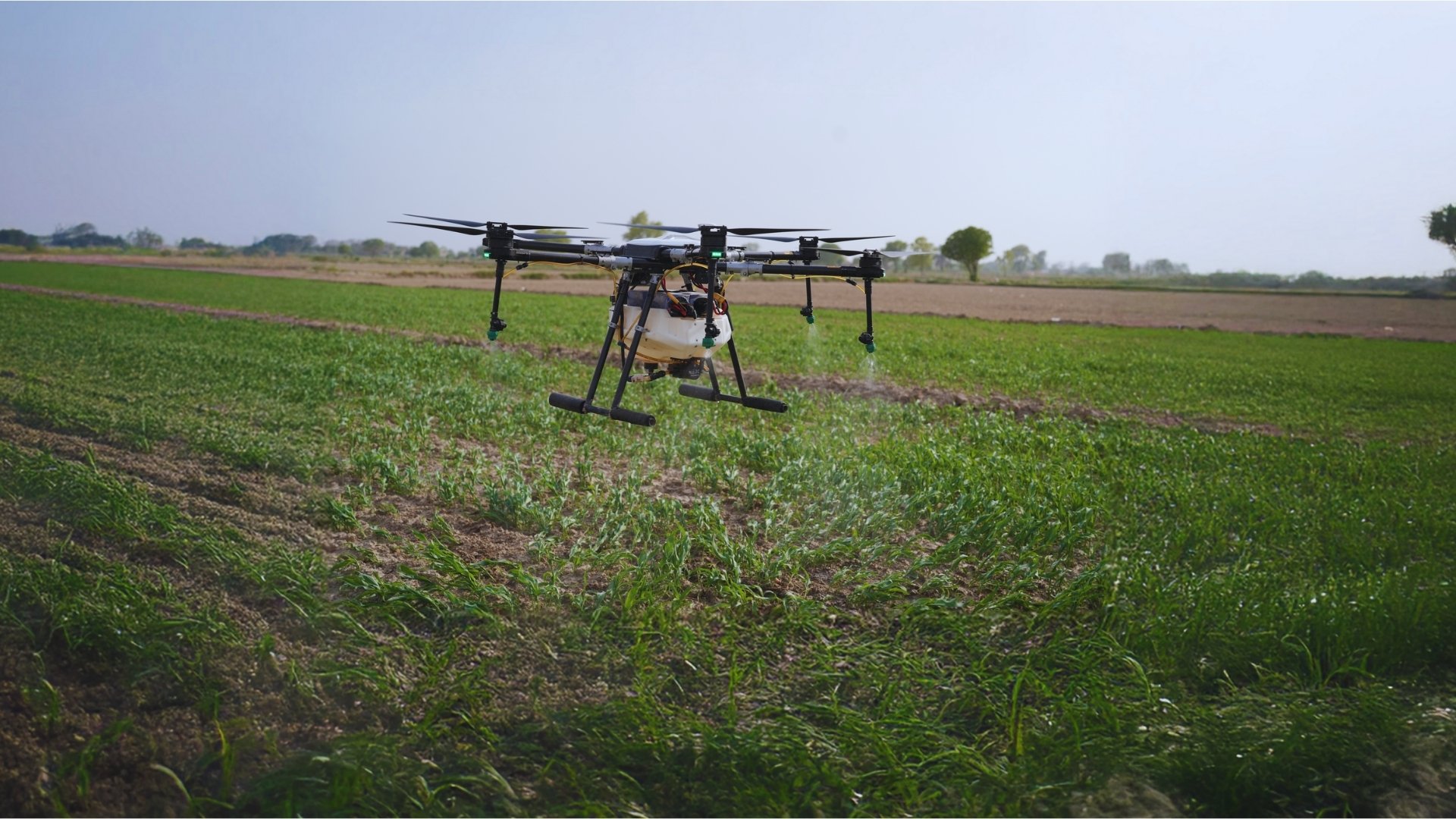
Drones are a fast, precise tool for spot treatments and targeted foliar sprays. They reach affected patches quickly, cut chemical use by treating only problem areas, and give repeatable coverage. After a spray, operators can share a coverage map [post-spray map showing where liquid was applied] so you can verify treatment and plan follow-ups.
Use drones for rapid response, hard-to-reach fields, or when you need even coverage over large areas. Choose manual spraying for single-plant treatments, delicate crops in flowering, or when local ground access is easy.
Seeing pest hotspots spreading across your field? Book a precision spot spray through the Leher app (Google Play, Apple Store) and treat only the affected areas instead of wasting chemicals on the entire farm.
Practical Seasonal Checklist and Quick Action Plan
A simple seasonal plan helps you stay ahead of pests and diseases. Instead of reacting late, take preventive action at each stage of the crop cycle.
Pre-Season
Select resistant and certified seeds.
Plan crop rotation to break pest cycles.
Prepare the field with proper drainage and spacing.
Remove old crop residues from previous seasons.
Consult a local expert if your field had repeated disease issues last year.
Active Growing Season
Scout your field weekly. Increase checks during humid weather.
Install traps to monitor insect activity.
Act only when economic thresholds are reached.
Use biological controls in the early stages.
Call a drone service when infestation spreads across patches or large areas.
Post-Harvest
Remove and destroy infected plant debris.
Deep plough where recommended to expose pest stages.
Record major pest issues from the season.
Seek expert advice if losses were unusually high.
Following this cycle reduces surprises and keeps your crop protected throughout the year.
Take Control of Pest and Disease Management with Leher
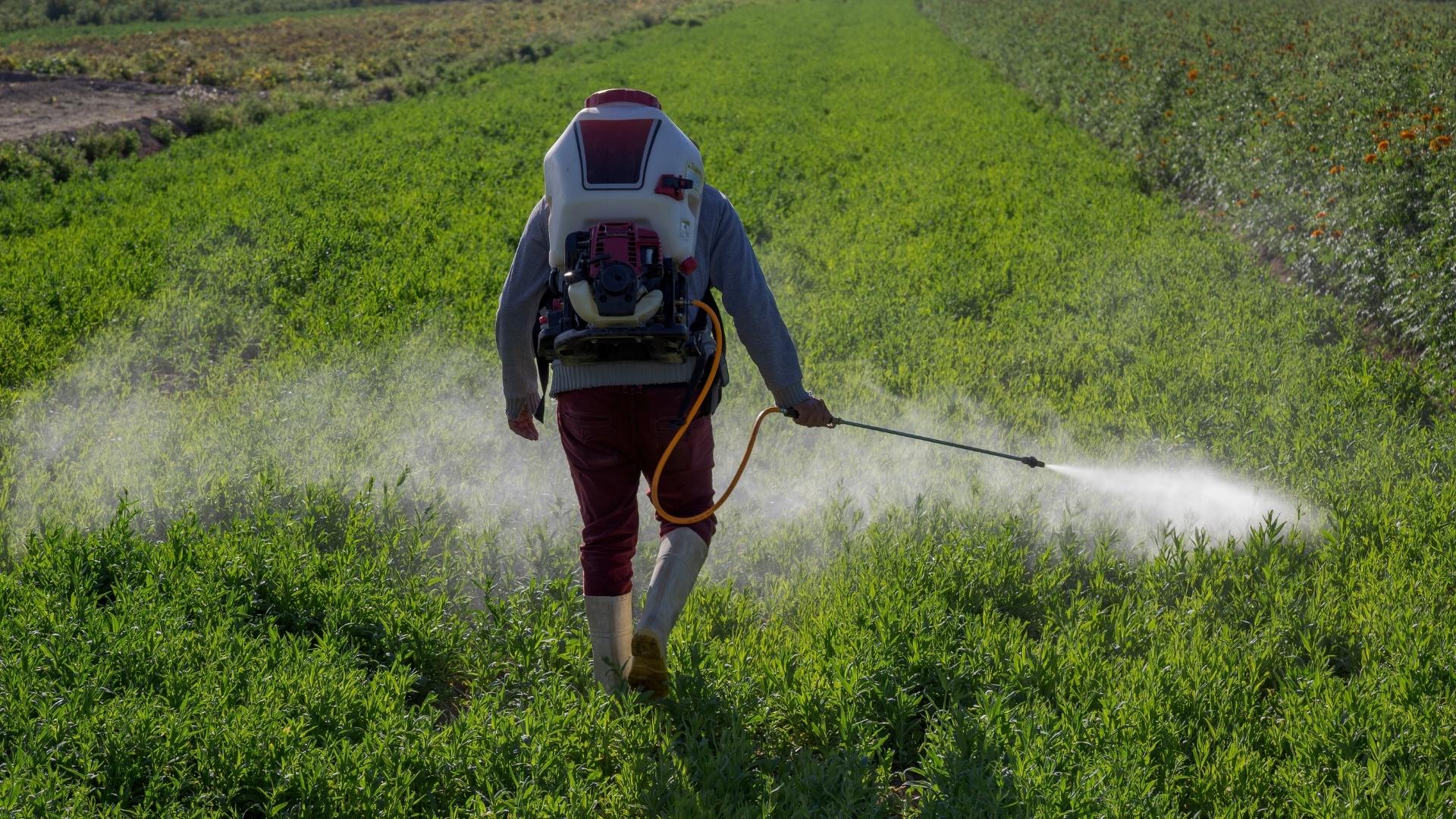
Managing pests and diseases becomes easier when you combine good farming practices with precise technology. Leher Sustainable Agri Private Limited helps you book trained drone operators for accurate spot spraying, so you treat only affected areas instead of the entire field.
After every spray, you receive a coverage map [a digital record showing exactly where spraying was done], giving you complete transparency and better control over input use. This means less waste, faster action, and improved protection for your crop.
With Leher, you get:
On-demand drone spraying for small and large farms
Certified and trained drone operators
Coverage view maps for a verified, precise application
Tired of uneven spraying and rising input costs? Leher’s drone service targets problem areas precisely, saving time and reducing chemical use. Take control of your crop protection today. Download the Leher app on Android or iOS and book your spray now.
FAQs
1. How do I know when to spray?
Spray only when pest levels cross the recommended economic threshold. Regular scouting and local agricultural advisory guidelines will help you decide when to act.
2. Can drones apply biopesticides?
Yes. Most liquid biopesticides and neem-based formulations can be applied via drones when mixed according to label instructions and recommended dilution rates.
3. Will drone spraying leave residues?
Residue levels depend on the product used and adherence to label guidelines. Following the correct dose and pre-harvest interval helps ensure the produce remains within safe limits.
4. How quickly can a drone operator respond?
Response time depends on your location and availability, but many operators can schedule spraying within a short window during peak crop stages.
5. Do I need to be present during the spray?
It is recommended that you or your farm supervisor be present to guide the operator, confirm target areas, and review the coverage after spraying.
Let’s Grow Together!
Interested in drone spraying solutions? Connect with us today.