Top Disease Management Strategies in Organic Farming for 2026
Organic farming prioritises natural inputs, soil health, and minimal chemical use. That means when plant diseases strike, farmers must rely on cultural knowledge, biological tools, and well-timed action to protect crops. According to global agricultural research, annual losses from crop pests and diseases range from 20–40% of production, a figure that Organic systems must address with precise strategies tailored to biological crop protection.
For organic farmers, disease control begins long before the first visible symptoms. It depends on soil quality, crop choice, rotation planning, timely interventions, and consistent coverage. Precision in spraying organic bio-inputs and the tools you use can be the difference between stable yield and significant crop loss.
Modern tools like precision drones now help manage disease pressure more efficiently than traditional methods, even where labour is scarce and farms are large.
This article outlines actionable, field-tested methods for controlling diseases in organic farming. We also aim to explain when and how precision technologies, such as drone spraying, can support those practises.
Key Takeaways
Disease management in organic farming works best when prevention, early detection, and precise application are planned together rather than handled separately.
Cultural practises such as crop rotation, sanitation, and cover cropping reduce disease pressure, but their effectiveness depends on timely implementation.
Organic bio-fungicides and botanicals require uniform coverage and correct timing, since they have shorter protection windows than synthetic inputs.
Weather conditions such as humidity and rainfall strongly influence disease spread, making a fast response critical in organic systems.
Precision spraying improves the effectiveness of organic disease control by ensuring even application across dense crop canopies.
Why Disease Can Be Harder to Manage in Organic Farming
Organic farms avoid synthetic pesticides and fungicides. This supports certification requirements and reduces chemical residues, but it also narrows the range of quick corrective actions available once disease pressure increases.
In organic systems, disease control works best when it starts early. Once an infection spreads beyond a threshold, recovery becomes slower and less predictable.
Plant disease management in organic farming is built around prevention, timing, and consistency. Instead of eradicating pathogens after they spread, organic methods aim to reduce disease establishment through crop rotation, improving soil health, controlling microclimate, and using biological suppression.
These methods are effective, but they demand tighter monitoring and more precise execution than conventional approaches.
The Challenge of Limited Inputs
Organic farmers rely on botanicals, compost teas, microbial bio-fungicides, and mineral-based formulations. Most of these inputs work by inhibiting spore germination, competing with pathogens, or strengthening plant immunity, rather than killing pathogens instantly.
This creates two technical constraints:
Lower residual action: Many bio-inputs break down quickly under sunlight, heat, or rain, which means protection windows are shorter.
Greater dependence on coverage: These inputs must come into direct contact with pathogen sites to be effective. Missed leaf surfaces or shaded zones reduce effectiveness.
Once the disease spreads across a large canopy, organic inputs struggle to reverse damage. At that stage, repeated applications may be needed, increasing cost and labour without guaranteed control.
Weather and Disease Pressure
India’s cropping conditions amplify disease risk. High humidity, sudden rainfall, and prolonged leaf wetness create ideal conditions for fungal pathogens to germinate and spread.
Key technical factors that increase disease pressure include:
Leaf wetness duration: Fungal spores often require 6–12 hours of surface moisture to infect plant tissue.
Dense crop canopies: Poor airflow traps moisture, raising humidity levels within the crop.
Temperature swings: Warm days and cool nights accelerate spore activity in crops like vegetables, grapes, and pulses.
Diseases such as powdery mildew, leaf spot, and soil-borne wilts can move rapidly through a field under these conditions, especially if early symptoms go unnoticed for even a few days.
Manual Limitations in Spray Application
Traditional spraying methods present structural limitations in organic disease control.
Knapsack sprayers and tractor-mounted systems often produce uneven droplet size and inconsistent pressure, leading to patchy application. Taller crops, dense foliage, and overlapping leaves create blind spots where sprays fail to reach.
Common technical issues include:
Poor underside leaf coverage, where many fungal infections begin
Over-application on exposed leaves, causing runoff and wastage
Operator fatigue, leading to inconsistent speed and spray angle
Soil compaction from tractor movement, which indirectly weakens plant health
These gaps allow disease pockets to survive and re-infect healthy plants, even after spraying. In organic systems, where follow-up treatments are limited, such inconsistencies directly affect yield stability.
Uneven spray coverage can allow diseases to return season after season. Leher’s precision drone spraying cuts this risk by using up to 90% less water and applying inputs evenly across the canopy, so bio-inputs work where they’re needed most.
Also Read: Essential Principles of Plant Disease Management
Knowing why diseases spread is only part of the picture. The next step is identifying which diseases organic farmers encounter most often in the field.
Common Crop Diseases in Organic Farms and How They Impact Yield
Organic fields face many of the same pathogens as conventional farms, but control options differ. Some diseases can reduce yield sharply if not identified and addressed in a timely manner.
Major Fungal and Bacterial Diseases
Disease Type | Common Crops Affected | Effect on Yield if Untreated |
Powdery Mildew | Vegetables, grapes | Up to 25–30% drop |
Downy Mildew | Cucurbits, leafy greens | 20–35% yield loss |
Fusarium Wilt | Solanaceae crops | Up to 45% loss in severe cases |
Bacterial Leaf Blight | Rice | Major production reduction |
Root Rots | Multiple crops | Stunted growth and crop loss |
Organic systems emphasise preventing disease establishment rather than curing once widespread. Growers must monitor weather cues, such as humidity spikes and forecast rain, to time their control methods.
Also Read: How to Effectively Monitor Crop Health
Once the disease risks are clear, the focus shifts to practical methods that organic farmers use to prevent and limit infections.
Proven Disease Management Techniques for Organic Farming
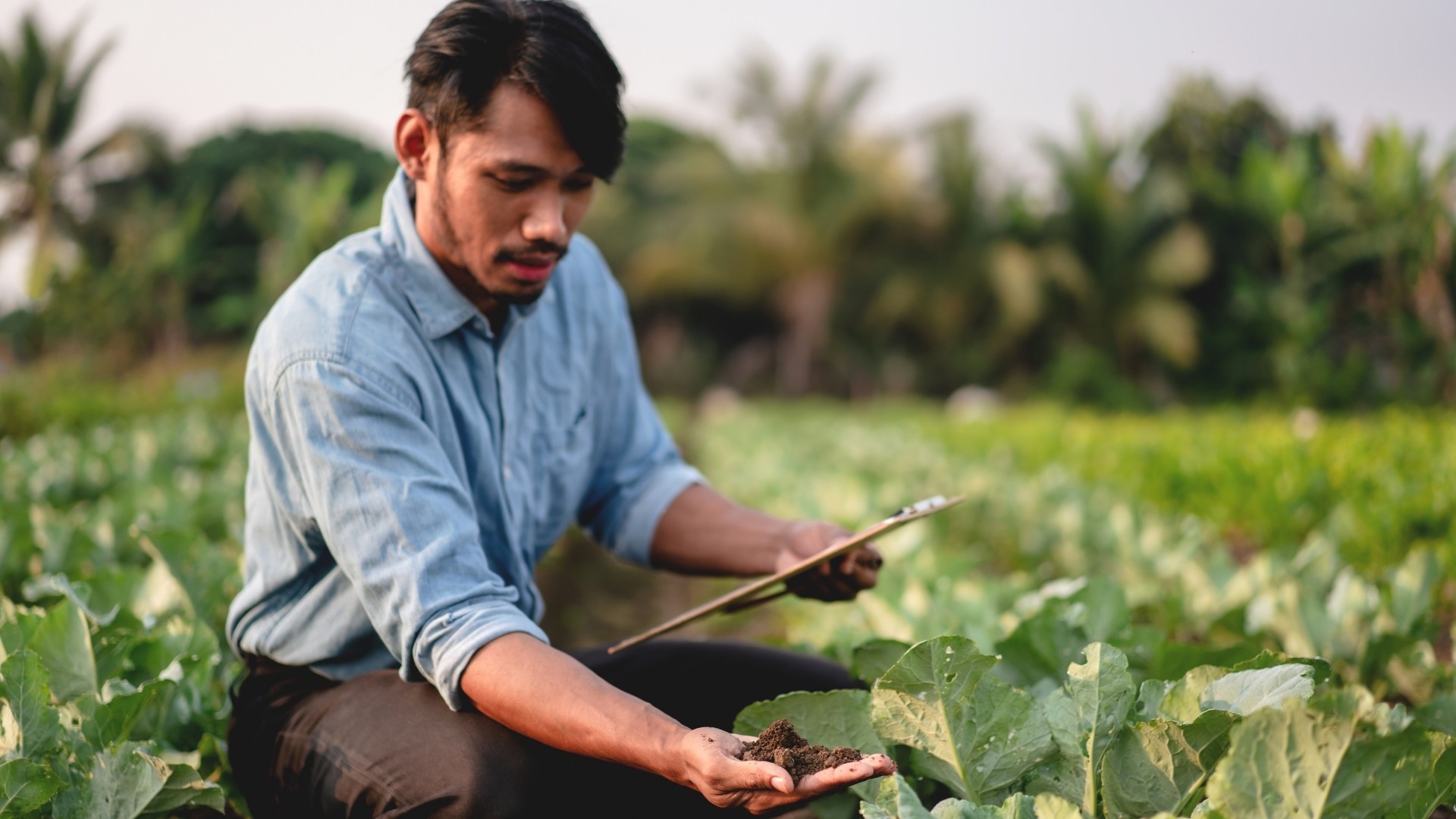
Disease management in organic farming isn’t a single action. It requires an integrated set of practises that improve soil biology, minimise pathogen survival, and ensure that every control measure has maximum effect.
Scientific research on organic systems shows that maintaining biological diversity and soil health through multiple cultural practises reduces disease build-up and supports long-term crop resilience.
1. Crop Rotation and Diversity
Many soil pathogens are host-specific or have limited host ranges. Repeatedly growing the same crop allows a pathogen population to increase with each cycle. Crop rotation interrupts that cycle by planting alternate crops that are not hosts to the same set of pathogens.
How it works in practice:
Choose rotations where the next crop has different root architecture, nutrient uptake patterns, and disease susceptibility from the preceding crop.
Include legumes (like pigeon pea, cowpea, or greengram) to improve soil nitrogen levels and support beneficial microbial activity.
Plan a 3–4 year rotation cycle for major disease-prone crops to keep pathogen populations low year after year.
Effective combinations in India:
Maize → cotton → legumes
Chilli → onion → sunflower
Brinjal → sunflower → legumes
Rotation also reduces the risk of specific diseases such as alternaria blight, rust, and downy mildews.
2. Clean Cultivation and Field Sanitation
Many pathogens survive from season to season on crop residues, infected plant parts, or weeds. Disease pressure increases when these inoculum sources remain in the field.
Key operational practises:
Remove crop residues after harvest and dispose of them away from the field edge.
Identify and pull out infected plants rather than leaving them to harbour spores.
Regularly weed to reduce alternate hosts that can carry disease vectors.
Timing: Perform a clean cultivation immediately after harvest and again at the onset of disease to break the pathogen survival cycle.
3. Cover Crops and Trap Crops
Certain cover crops produce compounds that suppress soil pathogens or improve soil biology. Others, known as trap crops, attract pests that would otherwise spread diseases to the main crop.
Examples and mechanisms:
Mustard and marigold: Release bioactive compounds that suppress nematodes and soil pathogens.
Legume cover crops: Increase soil nitrogen and improve the diversity of beneficial microbes that compete with pathogens.
Trap crops: Plants such as sunflowers or radish may attract pests away from high-value crops, reducing disease transmission.
Implementation tips:
Sow cover crops between main cropping seasons to manage soil pathogen levels during fallow periods.
Terminate cover crops with light cutting or incorporation before your main crop planting to maximise soil benefit.
4. Biological Agents and Botanicals
Organic systems use approved bio-fungicides and botanical extracts that suppress pathogens by interfering with spore germination, enzyme production, or pathogen attachment.
Common organic control agents:
Trichoderma spp.: Microbial antagonists that compete with soil-borne pathogens.
Neem extracts: Contain azadirachtin and other compounds that inhibit fungal growth.
Compost teas: Support beneficial microbes that outcompete harmful organisms.
Application practises:
Apply bio-fungicides in the early morning or late evening to avoid UV breakdown.
Mix biologicals with appropriate adjuvants that improve leaf adhesion and coverage.
Repeat applications based on disease pressure and growing conditions.
Caveat: Because biologicals have shorter residual action than synthetics, coverage and timing are crucial for effectiveness.
5. Physical Practises: Soil Solarisation and Microclimate Management
Physical tools that change the growing environment can significantly reduce pathogen populations, especially soil-borne ones.
Soil Solarisation: This technique uses transparent plastic sheets to raise soil temperature for several weeks before planting. Elevated soil temperatures reduce or eliminate many pathogens, nematodes, and weed seeds without the use of chemicals.
Key findings from India:
Field research shows soil solarization can reduce fungal populations by more than 70% at shallow depths (5 cm) when appropriate mulches and exposure periods are used.
How it works technically:
Moist soil warms faster and retains heat more effectively under plastic.
Maximum temperature rise occurs at shallow depths, where many pathogens and weed seeds depend on soil moisture.
Steps to implement:
Moisturise the soil before mulching to improve heat conduction.
Cover with transparent polyethylene sheets for 30–40 days in high-sun periods.
Remove the mulch before planting, then proceed with your seedbed preparation.
Canopy and Microclimate Adjustment:
Increase row spacing and optimise planting depth to enhance airflow and reduce the duration of leaf wetness.
Use drip irrigation instead of overhead sprinklers to reduce leaf wetness, which promotes fungal growth.
6. Precision in Application and Monitoring
Technical success in organic disease management depends heavily on application precision and continuous monitoring.
Monitoring: Regular field scouting helps catch disease onset before it intensifies. Early identification of spots, lesions, wilting, or unusual leaf discolouration allows for targeted intervention.
Application precision: Organic inputs often have narrow efficacy windows and require uniform coverage to reach all susceptible plant surfaces. That becomes especially important in dense canopies where pathogens start on leaf undersides and shaded inner zones.
This is where precision spraying tools, such as motorised sprayers or aerial platforms, add value. For example, precision drone spraying ensures bio-fungicide droplets reach critical pathogen sites evenly and quickly, reducing disease build-up and intervention delays.
By improving coverage compared to manual methods, such tools can enhance the field effectiveness of every biological input you apply.
If labour shortages or uneven manual spraying are affecting your disease control outcomes, tools like Leher’s precision drone spraying help you deliver organic inputs uniformly across the field.
Farmers using precision aerial spraying achieve consistent coverage without crop damage, improving the effectiveness of preventive organic sprays. Contact us today to learn more.
Choosing the Right Time to Apply Organic Disease Control Measures
Effective disease management depends on when you act as much as how you act. Here’s a practical timeline for disease control in organic farming:
Stage | Recommended Action |
Pre-Season | Soil test, choose resistant varieties |
Early Growth | Monitor daily, scout for lesions |
Before Humidity Peaks | Apply approved bio-fungicides |
Post-Rain | Use precision spraying to protect new growth |
Reproductive Stages | Step up visibility checks for disease |
Also Read: How to Spray Pesticides Safely on Crops
Why Drone Spraying Fits Organic Disease Management
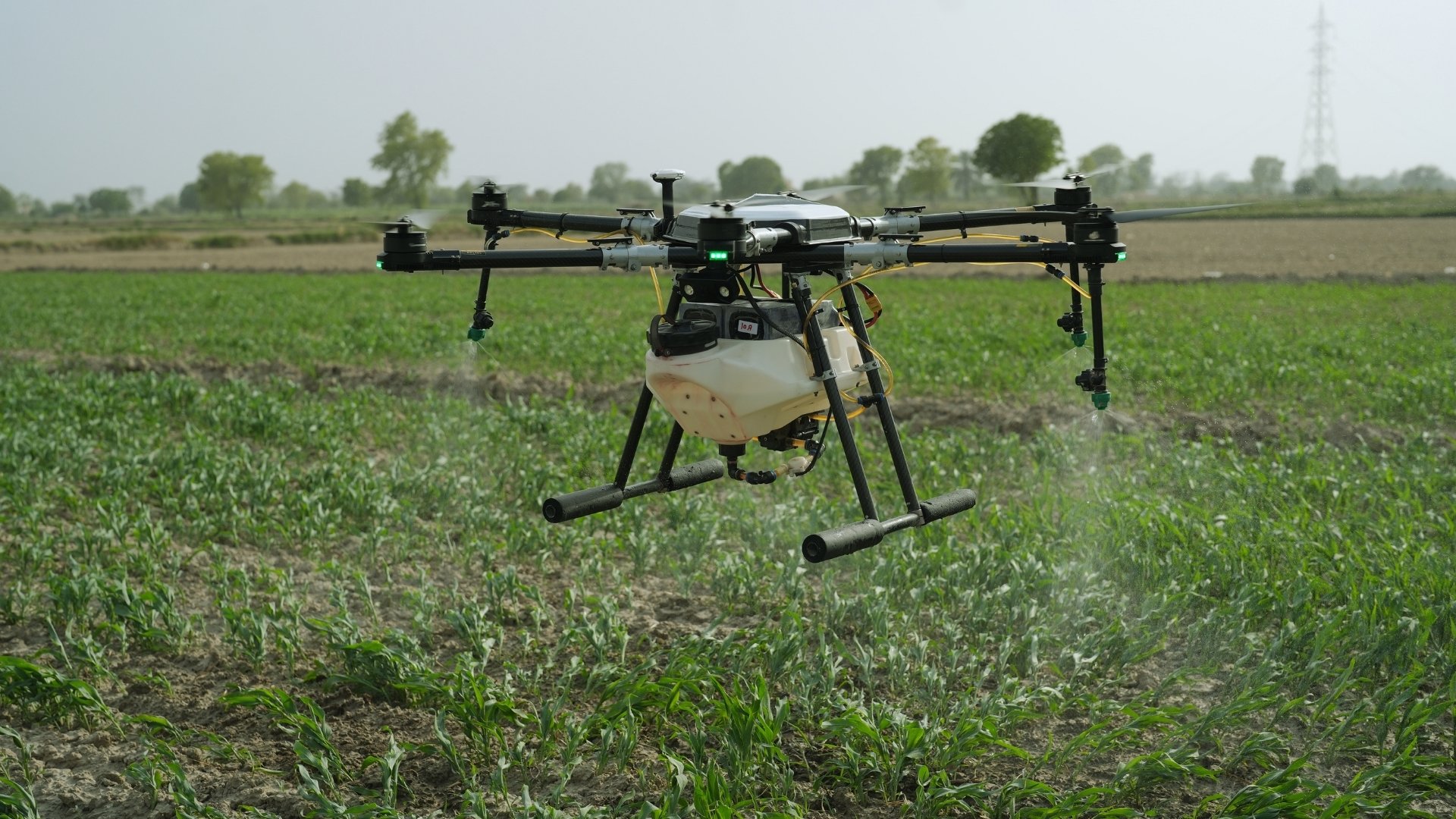
Organic disease management depends on early intervention, uniform application, and minimal disturbance to crops and soil.
Drone spraying aligns well with these needs because it improves precision and response time while reducing dependency on manual labour and heavy machinery.
1. Faster Response During High-Risk Periods
Disease outbreaks in organic farms often follow short windows of high humidity, overnight leaf wetness, or unseasonal rainfall. These conditions allow fungal spores to germinate and spread rapidly.
Drone spraying systems can be deployed quickly, allowing treatments to be applied within hours rather than days. This short response time is important in organic farming, where preventive action is more effective than corrective treatment once infection has spread.
2. Consistent Coverage Across the Crop Canopy
Many plant diseases begin on the underside of leaves or within shaded inner canopy zones. Manual spraying struggles to reach these areas due to limited spray angles, inconsistent pressure, and operator fatigue.
Drone spraying delivers a controlled droplet pattern from above, improving penetration through dense foliage and achieving more uniform coverage. This consistency increases contact between organic bio-fungicides and pathogen sites, reducing untreated pockets where disease can persist.
3. Reduced Physical Stress and Exposure
Organic disease control often involves multiple spray cycles within a season. Repeated manual spraying increases physical strain and prolonged exposure to spray mixtures.
Drones eliminate the need for farmers and workers to carry heavy spray equipment, walk through wet fields, or repeatedly refill. This improves safety and allows labour to be redirected to monitoring and field management tasks.
4. Suitability for Large and Irregular Fields
Organic farms with larger holdings or uneven terrain face challenges with tractor-mounted sprayers, especially during wet soil conditions. Drone spraying operates without soil contact, avoiding compaction and crop damage.
With the ability to cover large areas in a single day, drones support timely disease control across entire fields, ensuring treatments are applied uniformly during critical disease windows.
5. Farmers’ Experiences and India’s Policy Support
State governments in India are piloting the use of drones to support crop health. In Uttar Pradesh, drones now spray nano-fertiliser and pesticides across several districts. Drones treat up to 12 acres in an hour, reducing delays that often worsen disease outcomes.
Drone integration is increasingly recognised as one way to meet agriculture’s labour gaps and improve the timeliness of crop care.
Leher’s Role in Supporting Organic Disease Management
Leher is a platform that connects farmers with trained drone operators for precision agricultural spraying. The service makes advanced spraying accessible through an easy-to-use app booking system and delivers measurable improvements in water use, input application, and overall efficiency.
Here’s how Leher helps with organic disease management:
Proven Scale: 35,000+ acres sprayed across India with 2,200+ drone operators serving farmers, cooperatives, and estates.
Fast Spraying: Each drone covers up to 50 acres a day with a 10-litre tank, 22-minute flight time, and 45-minute recharge—spraying done in minutes, not hours.
Uniform Bio-Input Application: Accurate sensor-guided spraying reaches canopy zones that manual methods miss.
Rapid Deployment: Book via the app and schedule spraying to match disease risk periods.
Cost and Resource Savings: Drones can reduce water use by 90% and cut costs by up to 20–30% compared with traditional spray setups.
If disease outbreaks are delaying your farm progress, precision tools help deliver organic sprays effectively when timing matters most.
Ready to manage crop diseases more effectively? Download the Leher app today (Google Play, Apple Store) or join our Drone Partner programme to experience the difference.
FAQs
Q: Can organic disease management work effectively on large farms without increasing labour?
A: Yes, but only when farm operations are planned for scale. Large organic farms need tools and workflows that reduce manual dependency, such as precision spraying methods and scheduled monitoring routines. Without these, labour shortages often delay disease control and reduce effectiveness.
Q: How do organic farmers manage repeated disease outbreaks in the same field year after year?
A: Repeated outbreaks usually point to soil-borne pathogens or poor rotation planning. Long rotation cycles, cover crops, soil solarisation, and consistent sanitation help reduce pathogen carryover and break the recurrence pattern.
Q: Are organic bio-fungicides less effective than chemical fungicides?
A: Organic bio-fungicides work differently. They suppress pathogens and strengthen plant resistance rather than killing fungi instantly. Their effectiveness depends heavily on early application, correct dosage, and uniform coverage rather than reactive spraying.
Q: How does the irrigation method affect disease management in organic farming?
A: Overhead irrigation increases leaf wetness and creates favourable conditions for fungal diseases. Drip irrigation limits moisture on leaves and helps reduce disease pressure, especially in humid regions.
Q: What is the biggest mistake farmers make in organic disease control?
A: Waiting until visible damage spreads across the field. Organic disease management relies on acting at the first signs of infection and applying treatments evenly. Delayed response often leads to higher costs and lower yield recovery.
Let’s Grow Together!
Interested in drone spraying solutions? Connect with us today.