Viral Disease in Plants: Easy Strategies for Indian Farmers (2026)
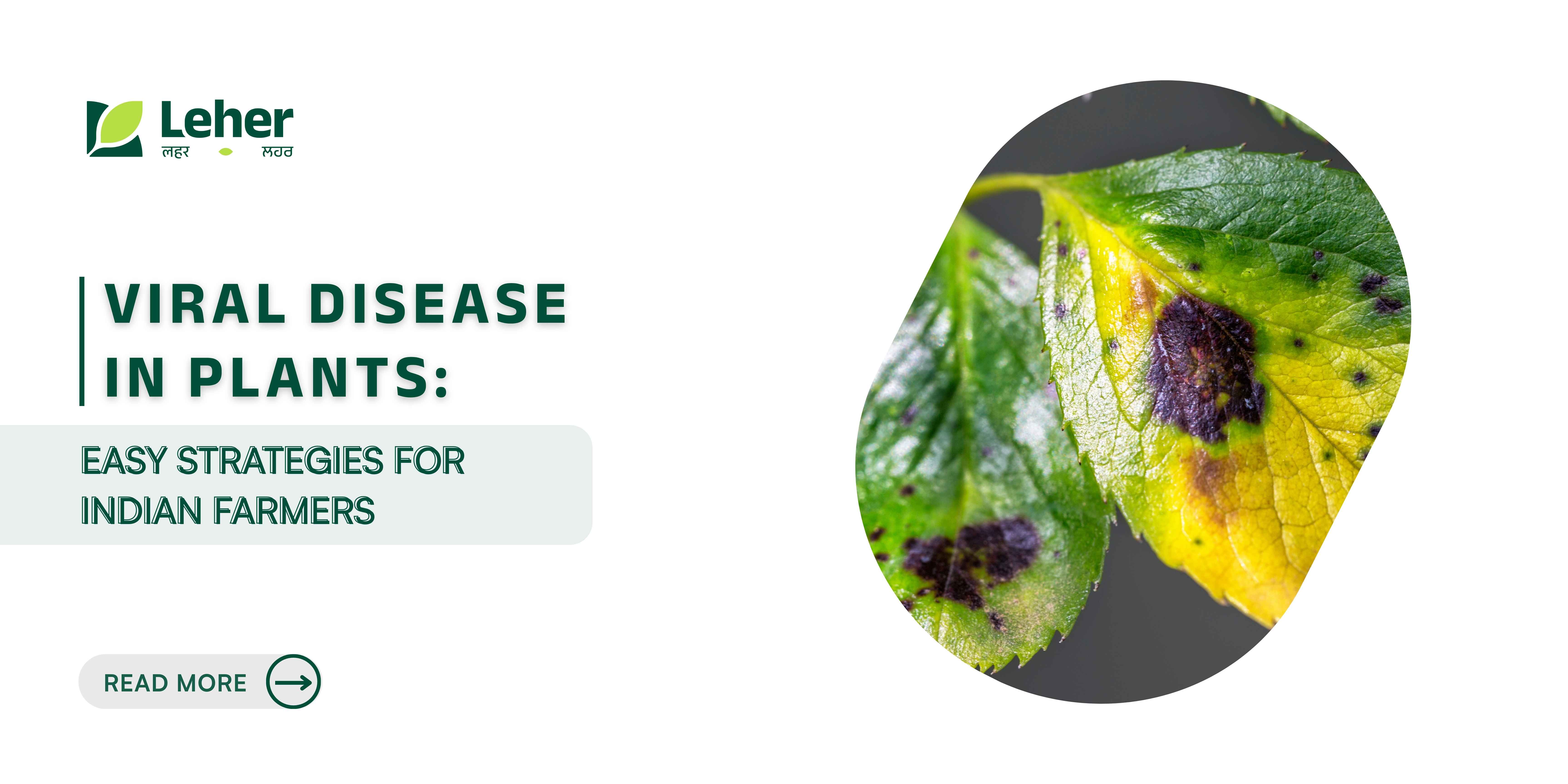
Viral diseases in plants are a growing but often overlooked threat in modern farming. Crops may begin to show yellowing, leaf curling, and stunted growth even when fertilisers, irrigation, and care are properly managed. Because these symptoms resemble nutrient deficiencies or environmental stress, the real cause often goes unnoticed until yields are already affected.
The challenge is that plant viral infections cannot be cured using conventional pesticides. Once a plant is infected, recovery is rare, and the disease can spread quickly through insect carriers like whiteflies, aphids, and leafhoppers. This silent spread across fields can lead to significant production losses, especially when early warning signs are missed.
Managing viral diseases, therefore, depends less on treatment and more on prevention, monitoring, and timely control of insect vectors. This blog explores how viral diseases spread, the key symptoms farmers should watch for, and the practical steps that can help reduce risk and protect crop productivity.
Key Takeaways
Viruses silently harm crops: Plant viral diseases disrupt cell functions, causing stunted growth, leaf curling, yellowing, and reduced yield.
Common threats: Tomato Yellow Leaf Curl Virus (TYLCV), Cucumber Mosaic Virus (CMV), Potato Virus Y (PVY), Rice Tungro Virus, and Tobacco Mosaic Virus (TMV) affect major Indian crops.
How they spread: Viruses travel via insect vectors (whiteflies, aphids, thrips), infected seeds, and contaminated tools.
Prevention is crucial: Use certified seeds, control pests early, remove infected plants, rotate crops, and maintain field hygiene.
Drones aid control: Precision spraying targets virus-carrying pests efficiently, covers large areas quickly, and reduces chemical exposure for farmers.
What Is a Viral Disease in Plants?
Plant viral diseases are infections caused by microscopic viruses that invade plant cells and interfere with their normal growth and functions. Unlike fungi or bacteria, viruses are not living organisms on their own. They survive and multiply only inside plant cells, using the plant’s internal system to spread from cell to cell.
Once inside, viruses disrupt important processes such as photosynthesis, nutrient movement, and hormone balance. This is why infected plants often show symptoms like yellowing, leaf distortion, and poor growth even when soil nutrients and water supply are adequate.
A key difference between viral diseases and other plant infections is that viruses cannot be controlled using standard fungicides or bactericides. There is currently no direct chemical cure for most plant viruses in the field. This makes prevention, early identification, and control of virus-carrying insects the most effective ways to reduce damage.
Understanding how plant viral diseases work is the first step toward recognising symptoms early and taking timely action to protect crop health.
Common Viral Diseases That Affect Crops
Plant viruses affect a wide range of crops, and some have become major causes of yield loss in Indian agriculture. Knowing the most common viral diseases helps farmers recognise risks early and take preventive action.
1. Tomato Yellow Leaf Curl Virus
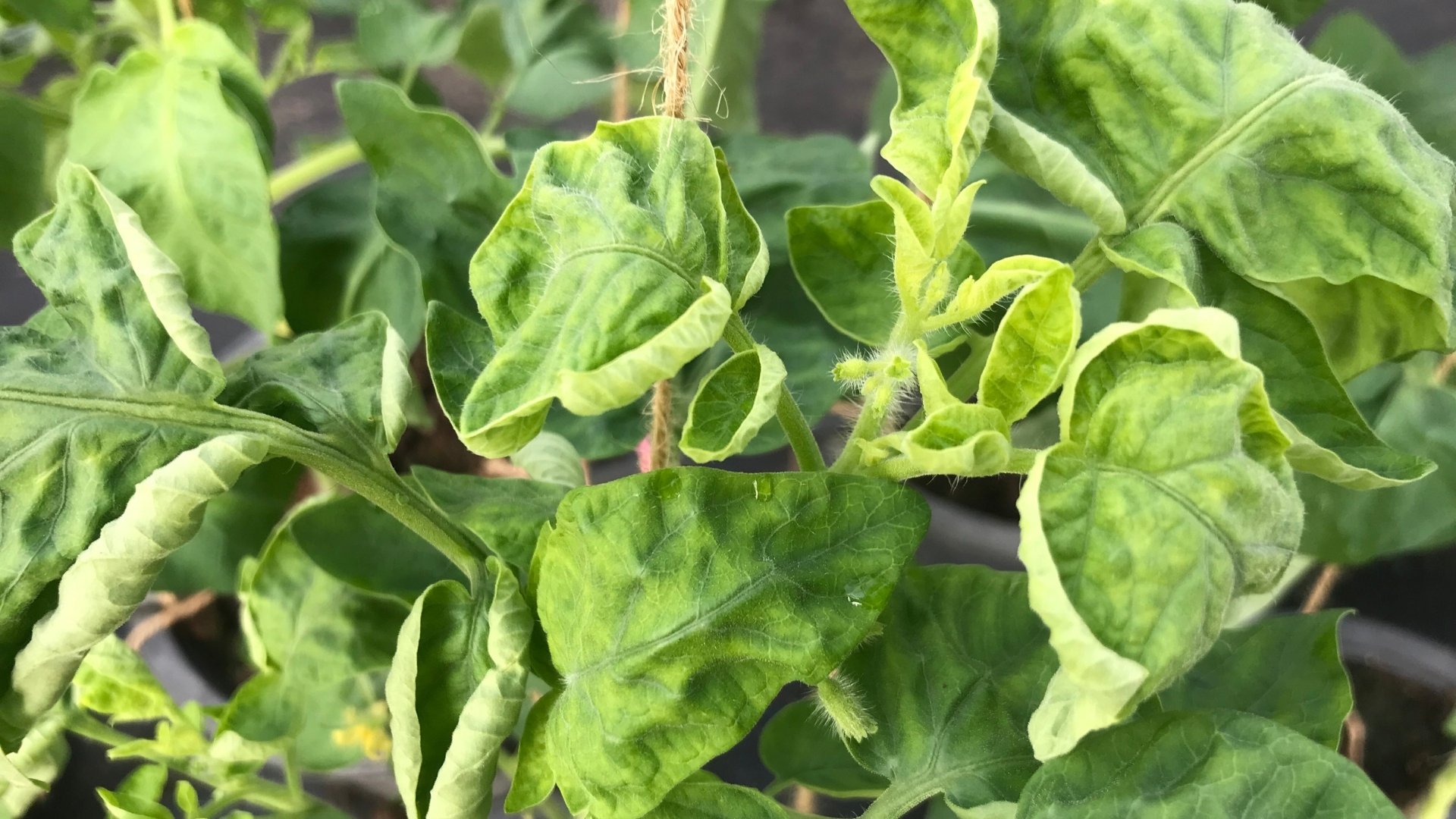
Tomato Yellow Leaf Curl Virus is one of the most damaging viral diseases in tomato cultivation. It is primarily spread by whiteflies and can severely reduce fruit yield and quality.
How it appears in the field:
Leaves curl upward and become smaller than normal
Yellowing begins from the leaf edges and spreads inward.
Plants remain stunted and produce fewer flowers and fruit.s
When risk is higher:
During warm weather that supports whitefly population growth
In fields with poor insect control
When infected seedlings are used for transplanting
2. Cucumber Mosaic Virus
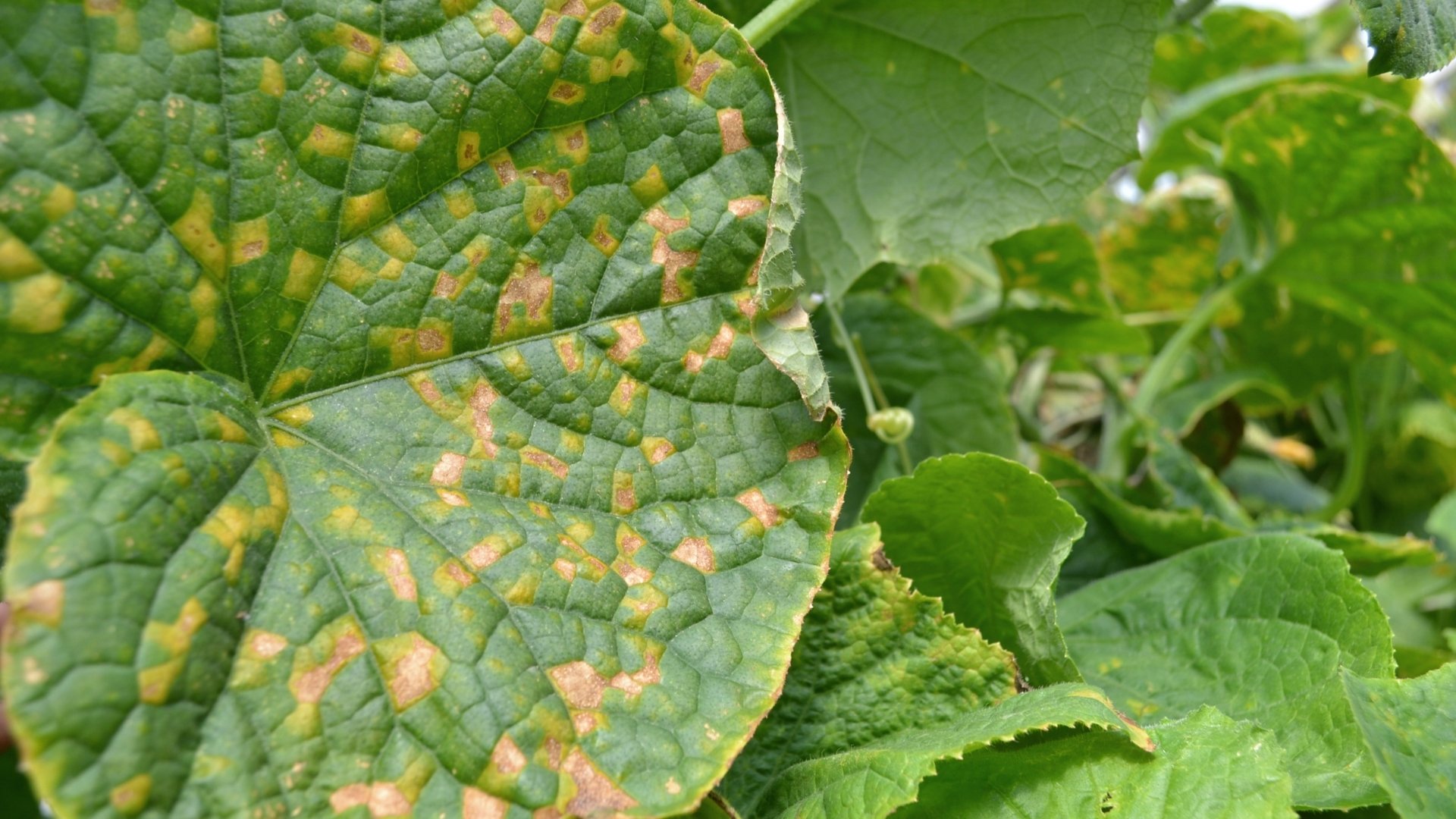
Cucumber Mosaic Virus affects a wide range of crops, including cucumbers, tomatoes, chillies, pulses, and fruit crops. It spreads mainly through aphids and infected plant material.
How it appears in the field:
Light and dark green mosaic patterns on leaves
Leaf distortion and narrowing
Poor fruit formation and uneven crop growth
When risk is higher:
When aphid populations are not controlled early
In mixed-crop areas where multiple host plants are present
During mild temperatures that favour aphid activity
3. Potato Virus Y
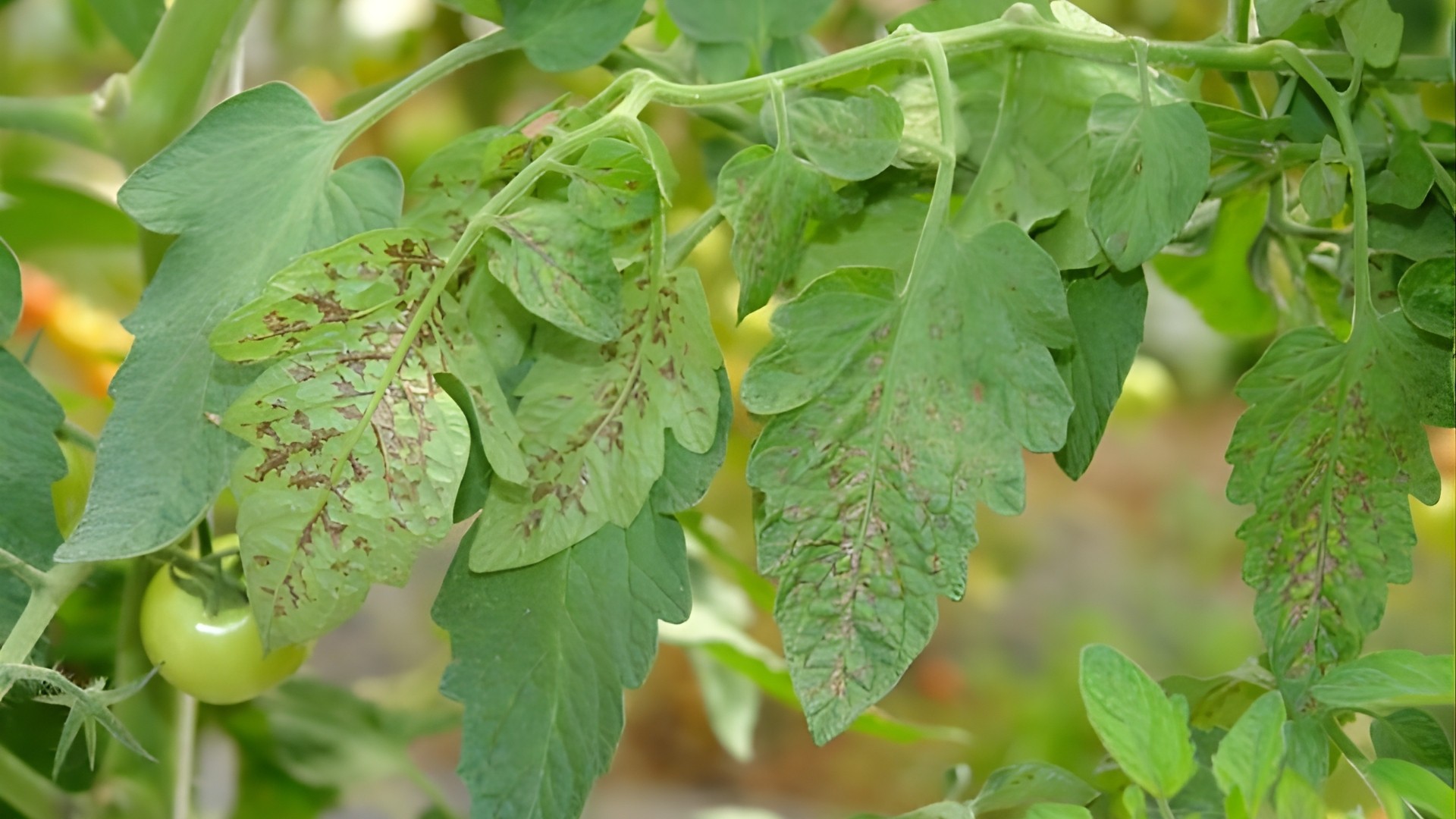
Potato Virus Y is a major viral disease in potato-growing regions. It spreads through aphids and infected seed tubers, affecting both yield and tuber quality.
How it appears in the field:
Mottled or patchy leaves
Reduced plavigourgor and uneven growth
Smaller tubers with lower market value
When risk is higher:
When seed potatoes are not certified disease-free
In regions with high aphid pressure
When infected plants are not removed promptly
4. Rice Tungro Virus
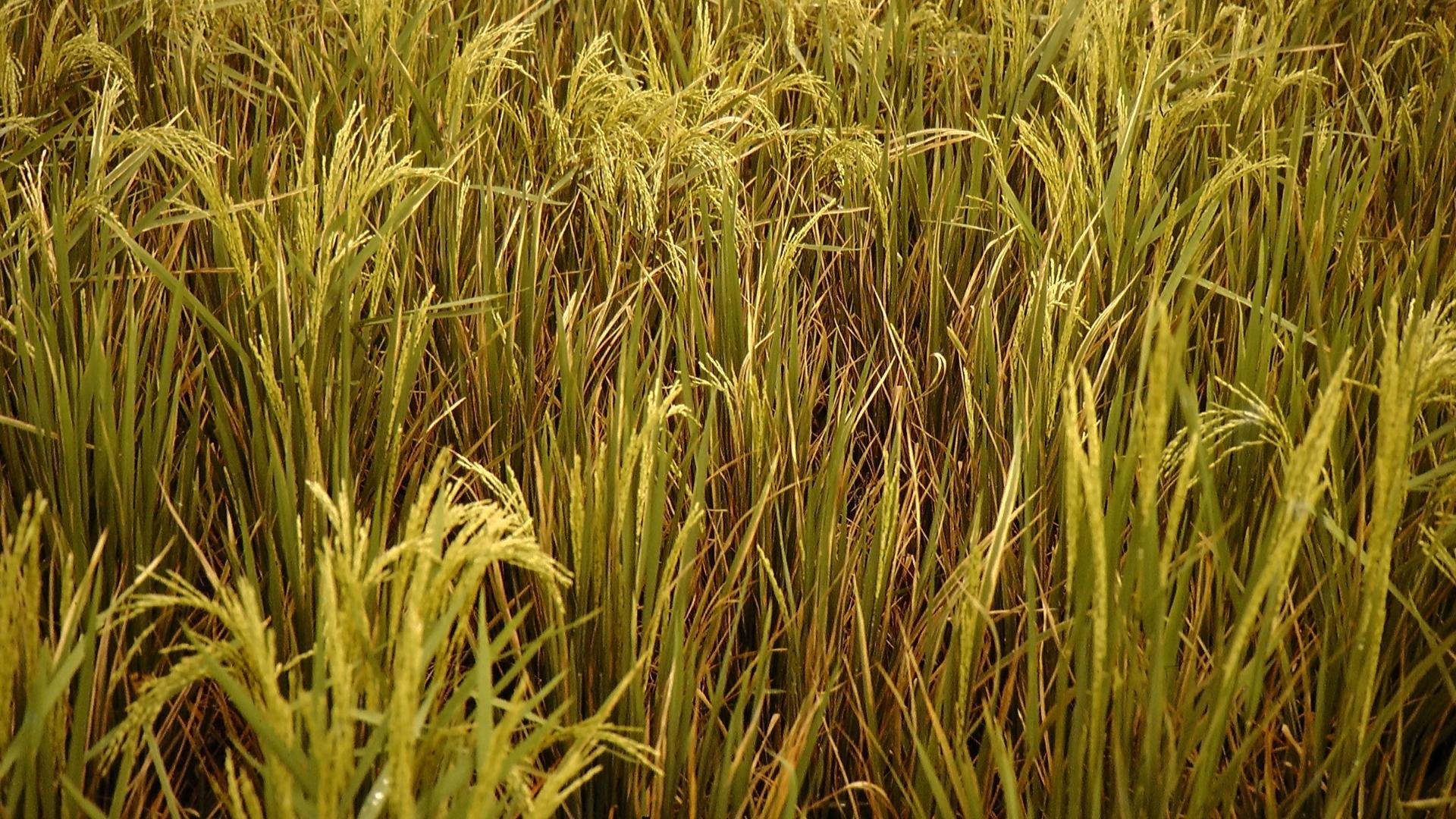
Rice Tungro is an important viral disease in paddy cultivation. It is transmitted by leafhoppers and can cause serious yield losses if not managed early.
How it appears in the field:
Yellow to orange discolouration of leaves
Stunted plant growth
Poor grain filling and reduced panicle size
When risk is higher:
During seasons with high leafhopper populations
In densely planted fields that favor insect movement
When early pest control measures are delayed
5. Tobacco Mosaic Virus
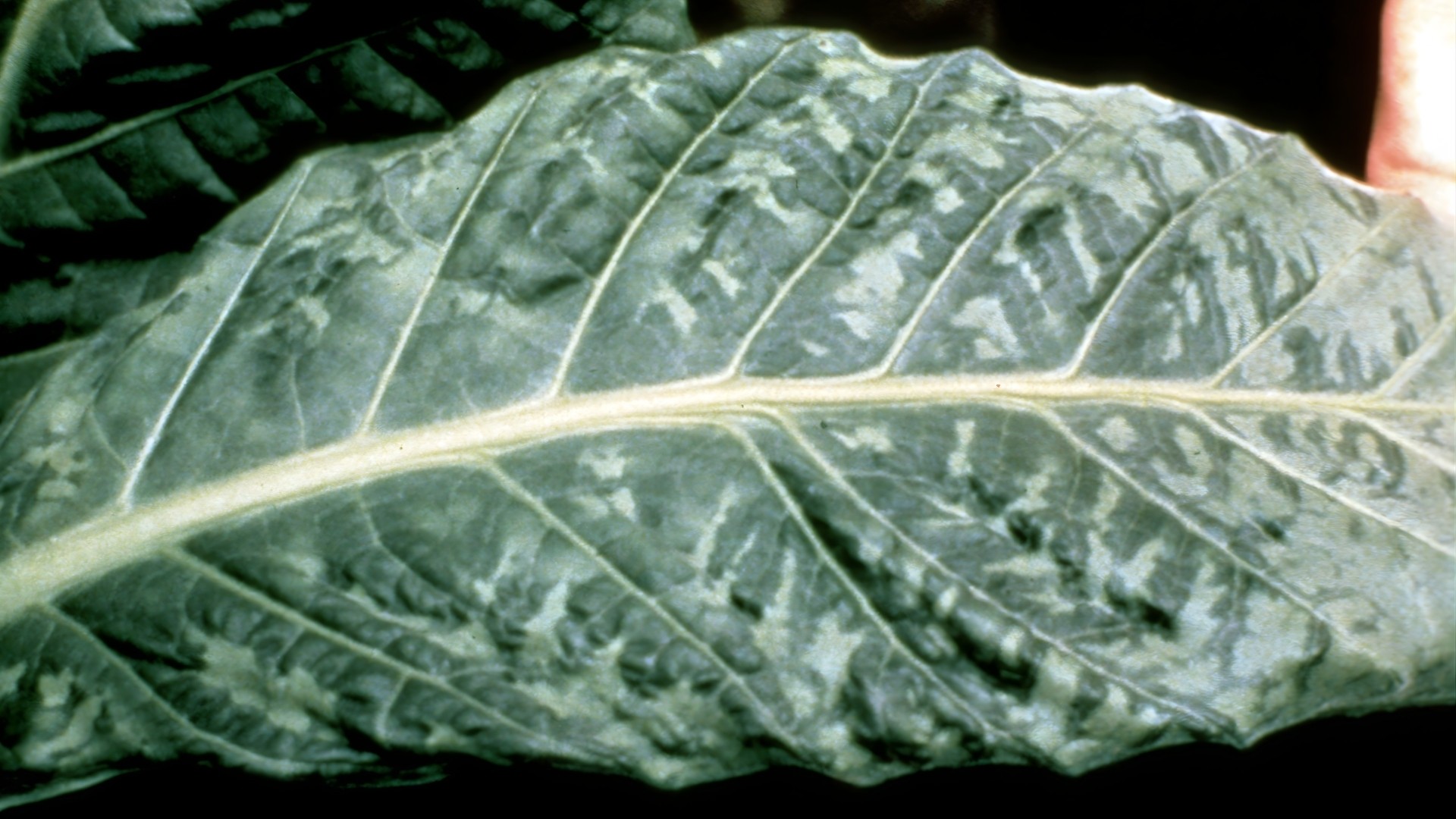
Tobacco Mosaic Virus affects tobacco and several vegetable crops. It can spread through plant-to-plant contact, contaminated tools, and human handling.
How it appears in the field:
Mosaic or mottled light and dark green patches on leaves
Leaf distortion and reduced plant growth
Lower overall crovigouror
When risk is higher:
When tools are not cleaned between field operations
During frequent handling of plants
In fields with a history of the disease
6. Cauliflower Mosaic Virus
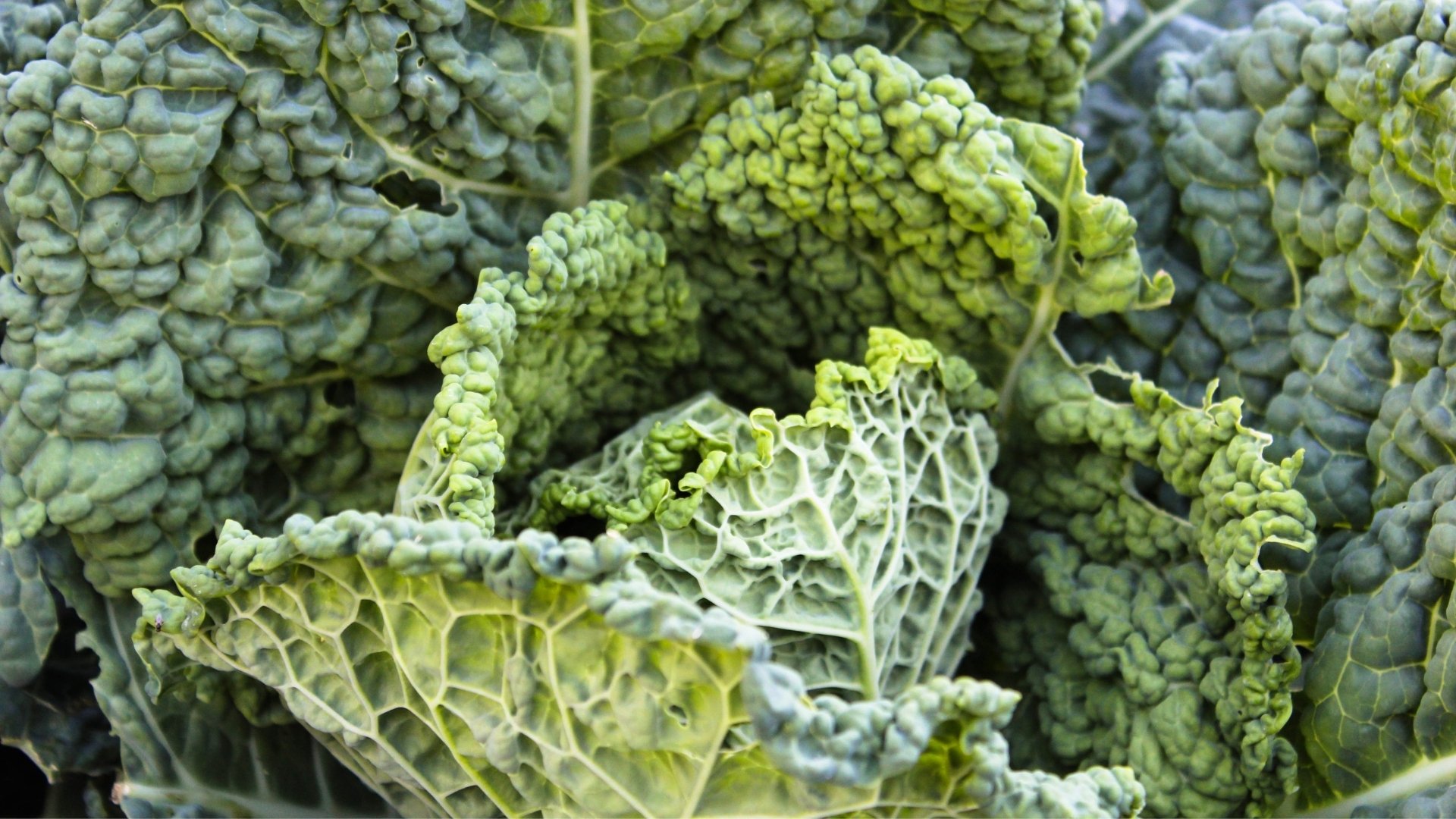
Cauliflower Mosaic Virus affects cruciferous crops such as cauliflower, cabbage, mustard, and other leafy vegetables. It spreads mainly through aphids and infected plant material.
How it appears in the field:
Yellow mosaic or vein clearing on leaves
Stunted plant growth
Poor head or leaf development in cabbage and cauliflower
When risk is higher:
When aphid populations increase during cool, dry weather
In fields where cruciferous crops are grown repeatedly
When infected crop residues are not properly removed
7. African Cassava Mosaic Virus

African Cassava Mosaic Virus is a major viral disease of cassava, a key food crop in many tropical regions. It is transmitted by whiteflies and through infected stem cuttings used for planting.
How it appears in the field:
Mosaic patterns and distortion on cassava leaves
Twisted and reduced leaf size
Poor root development and reduced tuber yield
When risk is higher:
When infected cuttings are used for propagation
In regions with high whitefly populations
When diseased plants are not removed early
8. Plum Pox Virus
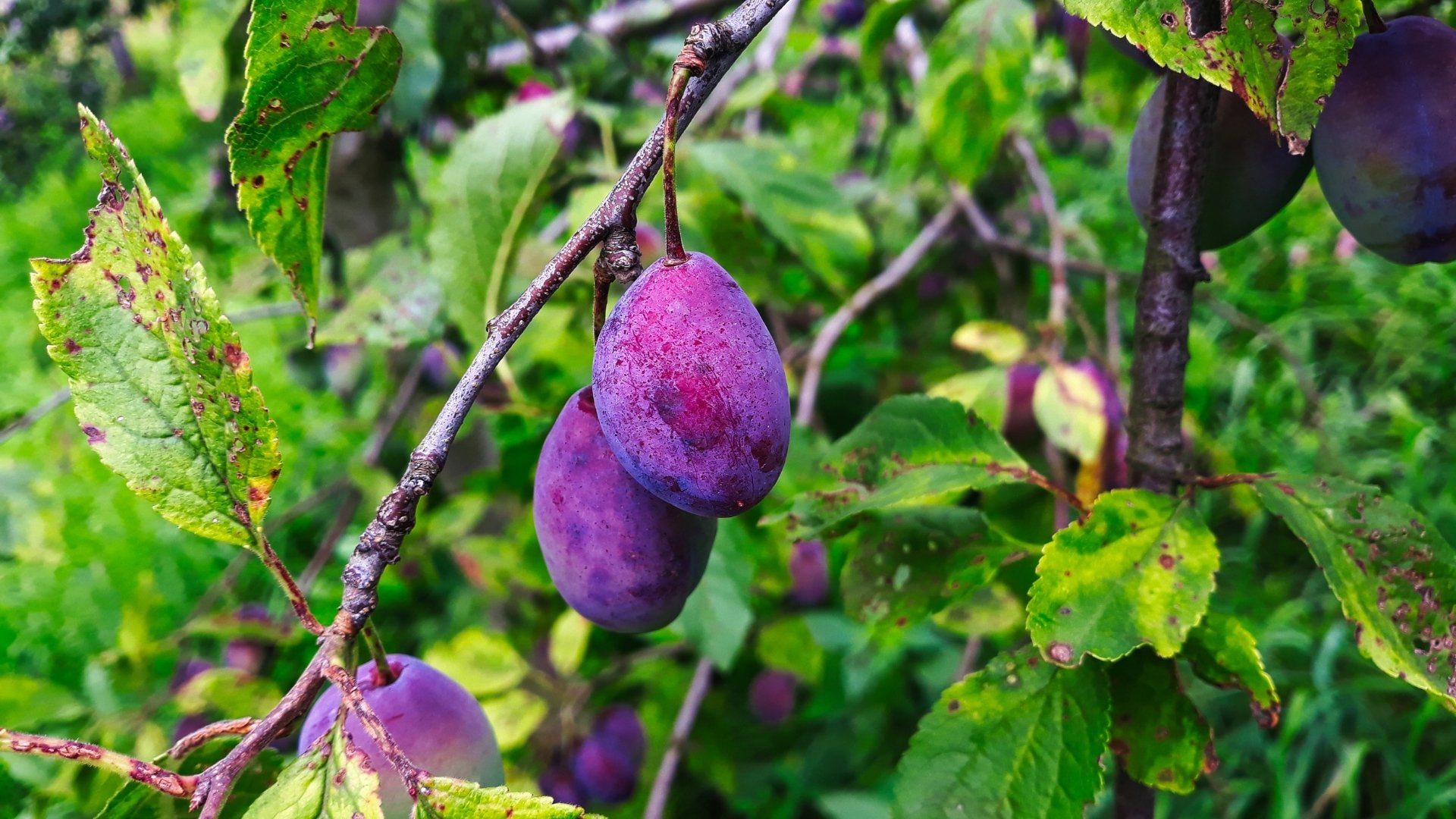
Plum Pox Virus, also known as Sharka disease, affects stone fruit crops such as plum, peach, apricot, and cherry. It spreads through aphids and infected planting material.
How it appears in the field:
Ring spots or line patterns on leaves
Deformed and discoloured fruits
Premature fruit drop and poor fruit quality
When risk is higher:
When infected saplings are introduced into orchards
In areas with unmanaged aphid populations
When pruning tools are not properly sanitised
How Do Viral Diseases Spread in Fields?
Plant viral outbreaks are closely linked to insect movement, crop management practices, and surrounding vegetation. Unlike fungal spores that spread through air or water, plant viruses rely on carriers and field conditions that allow transmission from one plant to another.
Insect Vectors and Rapid Field Transmission
Insect activity is the single biggest driver of viral disease spread in crops. Sap-sucking insects feed on infected plants, acquire the virus, and then transmit it to healthy plants during later feeding.
Key technical factors that increase virus spread include:
Vector population growth: Warm temperatures and dry conditions favour rapid multiplication of whiteflies, aphids, thrips, and leafhoppers.
Frequent feeding behaviour: These insects feed on multiple plants in a short period, increasing transmission rates.
Short-distance flight movement: Even limited insect movement within a field can spread viruses across large crop areas within days.
Under high insect pressure, viral infections can move from a few plants to entire sections of a field before symptoms are widely noticed.
Infected Planting Material and Early Establishment
Viruses often enter fields at the planting stage through infected seeds, seedlings, tubers, or stem cuttings. This allows the disease to establish before the crop is fully developed.
Key technical factors that increase risk include:
Use of uncertified planting material: Informal seed or sapling sources may carry hidden infections.
Vegetative propagation: Crops grown from cuttings or tubers can directly pass viruses from one generation to the next.
Early-stage vulnerability: Young plants infected early show more severe stunting and yield loss.
When primary infection starts at planting, insect vectors can then spread the virus throughout the field.
Farm Operations and Mechanical Transmission
Routine farming activities can unintentionally spread certain plant viruses, especially those that move through plant sap.
Key technical factors that increase spread include:
Contaminated tools: Pruning knives, blades, and harvesting tools can transfer infected sap.
Frequent plant handling: Transplanting, staking, or tying plants increases contact-based transmission.
Plant injury during operations: Wounds created during cultivation make it easier for viruses to enter.
Viruses such as Tobacco Mosaic Virus are well known for spreading through mechanical contact in fields.
Weeds and Alternate Host Reservoirs
Many weeds can host plant viruses without showing clear symptoms. These plants serve as reservoirs that allow viruses to survive between cropping cycles.
Key technical factors that increase risk include:
Unmanaged field borders: Weeds near fields can harbour both viruses and insect vectors.
Continuous cropping systems: Lack of fallow periods allows viruses to persist year-round.
Mixed cropping landscapes: Nearby host crops support overlapping virus cycles.
Insects feeding on infected weeds can introduce viruses into healthy crops even when planting material is clean.
Also Read: How to Spray Pesticides Safely on Crops
Common Symptoms of Viral Disease in Plants
Viral diseases often appear as warning signals in crops. These symptoms are not just visual changes; they indicate that the plant’s internal systems are being disrupted. Early identification helps prevent the spread to healthy plants.
Symptom | What It Means | Why It Matters |
Yellow or mosaic leaf patterns | The virus interferes with chlorophyll production | Reduces photosynthesis, weakening plant growth and yield |
Leaf curling or distortion | A virus disrupts normal cell development | Limits the leaf surface area needed for healthy crop growth |
Stunted or slow growth | Plant energy is diverted to fighting infection | Leads to smaller plants and reduced productivity |
Fewer flowers or fruits | The virus affects reproductive development | Directly lowers yield and marketable produce |
Uneven or patchy crop growth | Infection spreads through vectors like insects | Signals active field-level transmission that may worsen |
Narrow, thick, or brittle leaves | Structural changes caused by viral replication | Makes plants weaker and more vulnerable to stress |
Field Tip: If these symptoms appear along with insect pests like whiteflies, aphids, or leafhoppers, the risk of a viral disease is higher, since many viruses spread through these vectors.
Why are Viral Plant Diseases Difficult to Control?
Plant viral diseases are especially challenging because their behaviour inside the plant and in the field makes them hard to stop once they begin spreading. Unlike many other crop problems, management focuses on prevention and containment rather than cure.
Risk: No Direct Cure Once Infection Occurs
Why it’s serious: Plant viruses live and multiply inside plant cells, using the plant’s own biological machinery. Chemical sprays cannot reach or eliminate viruses once they are established inside tissues.
Mitigation: Prevent infection by using certified disease-free planting material and focusing on strong insect vector control.
Also Read: How to Effectively Monitor Crop Health
Risk: Permanent Internal Damage to Plant Systems
Why it’s serious: Viral infections disrupt photosynthesis, nutrient transport, and hormone balance. Even mildly infected plants often remain weak, produce fewer flowers or grains, and deliver lower yields throughout the season.
Mitigation: Remove infected plants early to reduce virus sources and protect nearby healthy crops.
Risk: Rapid Outbreaks Through Insect Transmission
Why it’s serious: Insects such as whiteflies, aphids, thrips, and leafhoppers can acquire viruses from infected plants and transmit them to healthy ones within minutes of feeding. This allows infections to spread quickly across large field areas.
Mitigation: Apply timely and uniform pest control measures across the entire field to reduce virus-carrying insect populations.
Risk: Hidden Incubation Period Before Symptoms Appear
Why it’s serious: Many viral infections remain invisible during the early stages. By the time visible symptoms appear, the virus may have already spread to multiple plants, making containment more difficult.
Mitigation: Conduct regular crop scouting and monitor insect activity closely, especially during peak vector seasons.
Risk: Survival in Alternate Host Plants and Weeds
Why it’s serious: Some viruses persist in weeds or nearby host plants between cropping cycles. These act as hidden reservoirs that reintroduce infection when the next crop is planted.
Mitigation: Maintain strict field hygiene, remove weeds around cultivation areas, and follow crop rotation practices to break the disease cycle.
For farmers struggling with labour shortages or inconsistent spraying, Leher’s precision drone solutions deliver insecticides uniformly across the crop, protecting plants without damaging them.
With aerial precision spraying, farmers achieve reliable pest control, enhance the impact of virus prevention, and safeguard their yields. Reach out today to learn how it can work for your farm.
Practical Prevention & Management Practices for Viral Diseases
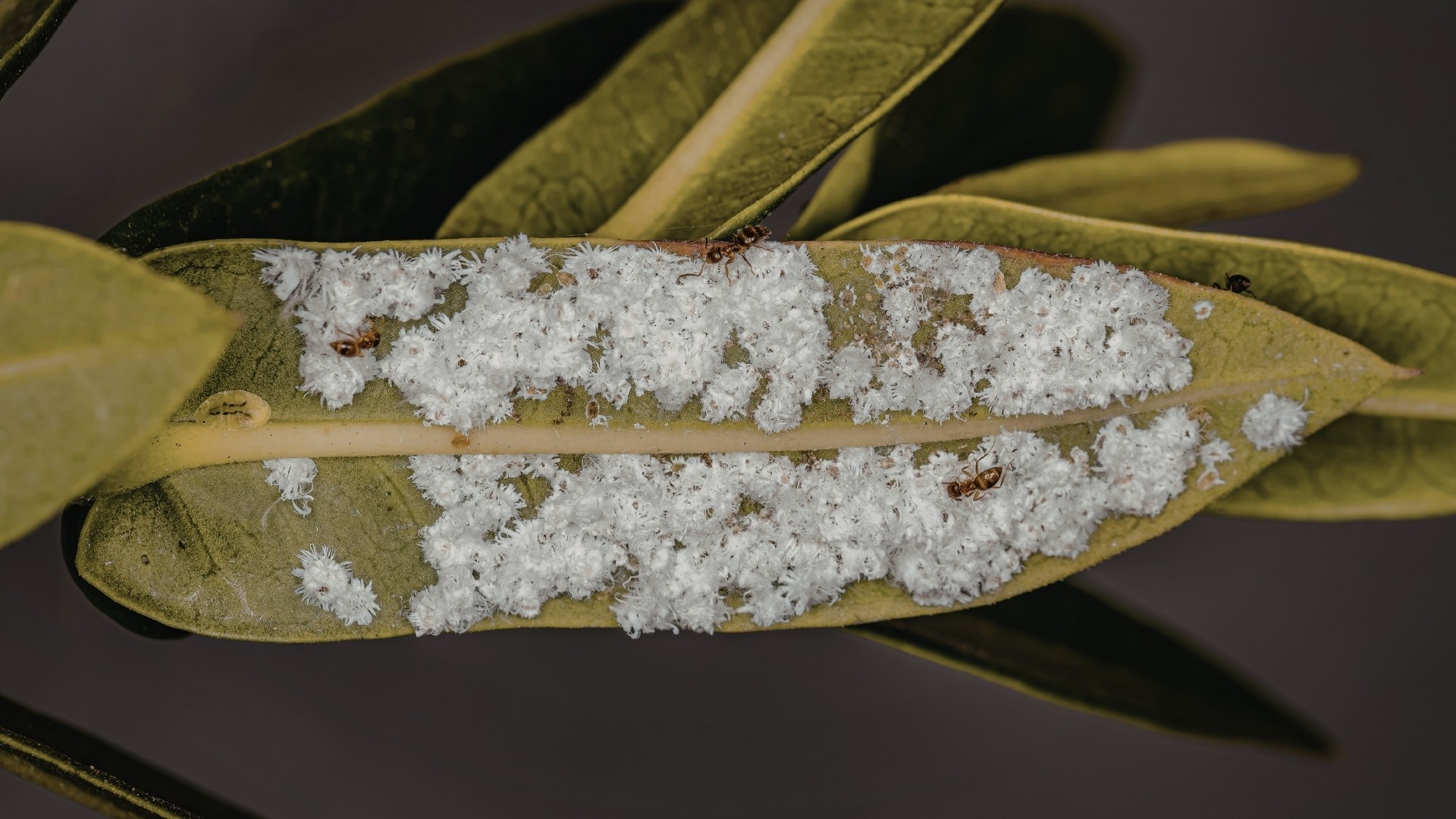
While plant viral diseases cannot be cured after infection, farmers can significantly reduce risk and spread by following the right preventive steps throughout the growing season.
Use Certified Disease-Free Planting Material
Viruses can enter a field through infected seeds or seedlings before crops even start growing. Using certified, healthy planting material lowers the chance of introducing disease at the earliest stage.
What this means for farmers:
Crops start with a stronger, disease-free foundation
Reduced early-season infection risk
Lower long-term yield losses from hidden viral infections
Monitor Fields Regularly for Early Warning Signs
Frequent crop scouting helps identify unusual yellowing, curling, or stunted growth before infections spread widely. Early observation is one of the most effective defences.
What this means for farmers:
Faster response before the disease spreads across the field
Better decision-making on pest control timing
Reduced large-scale crop damage
Remove and Destroy Infected Plants Quickly
Once a plant shows viral symptoms, it becomes a source of infection for nearby crops through insect vectors. Removing affected plants limits further transmission.
What this means for farmers:
Slows down the spread of viruses in the field
Protects healthy plants from becoming infected
Preserves more of the crop’s yield potential
Control Insect Vectors at the Right Time
Many plant viruses rely on insects like whiteflies, aphids, and leafhoppers to spread. Managing these pests early reduces the chances of virus transmission.
What this means for farmers:
Lower risk of viral outbreaks during peak insect seasons
Healthier crops with fewer disease hotspots
More effective use of pest control inputs
Maintain Field Hygiene
Viruses can spread through contaminated tools, hands, and plant contact. Clean practices reduce mechanical transmission.
What this means for farmers:
Reduced accidental spread during pruning or field work
Cleaner crop environment with lower infection pressure
Better overall crop health management
Remove Weeds Around the Field
Weeds can host both viruses and insect vectors, acting as a bridge between seasons and crops.
What this means for farmers:
Fewer hidden virus sources near the crop
Lower pest populations migrating into fields.
Reduced disease carryover between seasons
Follow Crop Rotation Practices
Growing the same crop repeatedly allows viruses and vectors to build up over time. Rotating crops breaks this cycle.
What this means for farmers:
Lower disease pressure in future seasons
Improved soil and crop health
More sustainable long-term production
Leher’s Role in Managing Viral Disease Risks in Crops
Viral diseases in plants spread primarily through insect vectors such as aphids, whiteflies, and thrips. Since infected plants cannot be cured, prevention and vector control are the most effective strategies. Leher supports farmers in taking timely action through drone-based precision spraying.
Here’s how Leher contributes to viral disease risk management:
Operational scale across farms: Leher has supported spraying across more than 35,000 acres in India through a network of over 2,200 trained drone operators, serving individual farmers, FPOs, and large estates.
Faster response during vector outbreaks: Drones can cover up to 50 acres per day, allowing quicker field coverage when insect populations increase, and virus transmission risk is high.
Improved spray reach within the crop canopy: Sensor-assisted spraying helps droplets penetrate dense foliage and reach leaf undersides where virus-carrying insects often feed and reproduce.
Flexible scheduling aligned with risk periods: Farmers can book services through the app and plan spraying around known vector activity windows, supporting more timely preventive action.
Efficient use of water and inputs: Drone spraying significantly reduces water usage and limits crop disturbance from ground equipment, helping maintain plant health while managing pest pressure.
If you’re looking to reduce viral disease risks in your crops through timely vector control, download the Leher app today (Google Play, Apple Store). Join our Drone Partner programme to explore available spraying services or understand how the drone partner model supports field operations.
FAQs
Q1: What is a viral disease in plants?
A: A viral disease in plants is caused by tiny viruses that invade plant cells, disrupt growth, and reduce crop yield. Unlike bacterial or fungal infections, viral infections cannot be cured with chemicals, making prevention and early action very important.
Q2: How do viral diseases spread in crops?
A: Viral diseases spread in several ways. Insects such as whiteflies, aphids, and leafhoppers carry viruses from infected plants to healthy ones. Infected seeds or saplings can introduce viruses into a field, and tools, hands, or equipment that touch infected plants can also spread the disease.
Q3: Can infected plants recover?
A: Usually, infected plants do not recover. Once a virus infects a plant, it remains in the system. This is why removing infected plants promptly and controlling insect vectors is critical to protecting the rest of the crop.
Q4: How can I identify if my crops have a viral infection?
A: Symptoms of viral infection include yellowing or mosaic patterns on leaves, leaf curling or distortion, stunted growth, and uneven patches of unhealthy plants across the field. These symptoms can sometimes resemble nutrient deficiencies, so careful observation is necessary.
Q5: Are there sprays that can cure viral diseases?
A: No, there are no chemical sprays that directly cure viral infections. Sprays are primarily used to control the insects that carry viruses, which helps prevent the disease from spreading further.
Let’s Grow Together!
Interested in drone spraying solutions? Connect with us today.