Pest Control Plants: 16 Effective Species for Indian Farms in 2026
Did You Know: In India, many farmers experience an average crop loss of 10-35% each year due to weeds, pests, and diseases. This makes pest management one of the most critical challenges for growers across the country.
Pest control plants provide a natural, cost-effective solution. They repel harmful insects, attract beneficial predators, and reduce reliance on chemical pesticides, helping you protect your crops sustainably. Integrating these plants can save time, lower costs, and improve overall yield.
In this blog, you'll discover which plants work best, how they function, and practical ways to use them on modern farms to increase efficiency and safeguard your harvest.
Key Takeaways
Natural Pest Defense: Pest control plants repel harmful insects and attract beneficial predators.
Complementary Approach: They work best alongside conventional methods or precision spraying for maximum effect.
Farm-Friendly Placement: Companion planting, border planting, and intercropping enhance pest suppression.
Eco & Cost Benefits: Reduce chemical use, save labour, and support biodiversity on your farm.
Integrated Agritech: Combining pest plants with Leher drones ensures precision application, faster pest control, and higher yields.
What are Pest Control Plants and Why Do They Matter
Pest control plants are species with natural compounds or traits that deter, repel, or suppress insect pests and other harmful organisms in cropping systems. These plants often emit strong scents, produce insecticidal compounds, or host beneficial insects that naturally keep pest populations in check.
In Indian agriculture, where pest diseases and infestations can sharply reduce yields, these plants offer a complementary approach to conventional pesticide use. They reduce reliance on synthetic chemicals, preserve beneficial insects, and support sustainable production practices across diverse farm sizes.
Now, let’s see how these plants actually work on your farm. Understanding their mechanisms helps you use them effectively and get the best results.
How Pest Control Plants Work in Crop Systems
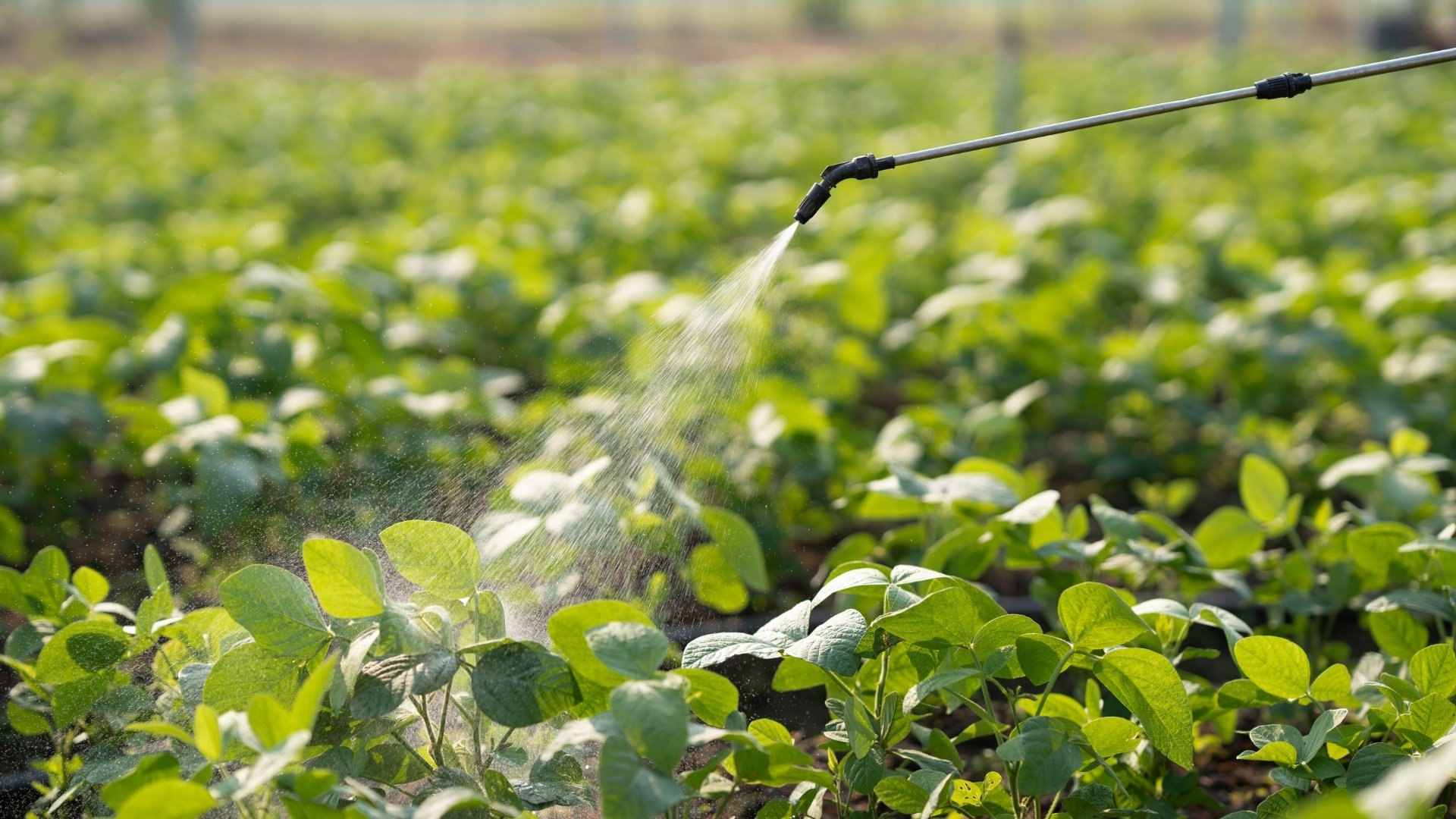
Pest control plants reduce pest damage naturally through several mechanisms. They don’t just protect your crops, they also enhance soil health and biodiversity, creating a farming ecosystem that is more resilient to future infestations.
Here’s how pest control plants work in practice to help reduce pest damage on your farm:
Scent‑based Repellence
Herbs and flowers like mint and lemongrass release strong aromas that pests dislike, keeping them away from your crops. Plant them along field borders or intercrop with main crops to create natural pest barriers.
Natural Insecticidal Compounds
Plants such as neem or pyrethrum chrysanthemums contain chemicals that disrupt insect feeding, growth, or reproduction. You can use extracts from these plants as botanical sprays, applying them precisely where pests are concentrated.
Attracting Beneficial Insects
Certain plants, such as marigolds or dill, attract predators like ladybirds and parasitic wasps, which feed on harmful pests. Position these plants near vulnerable crops to naturally boost predator populations and reduce pest pressure.
Habitat or Barrier Functions
Some grasses or herbs provide shelter for beneficial insects or act as living barriers, making it harder for pests to reach main crops. Creating small clusters or hedgerows can maximise this effect while also supporting pollinators.
When used strategically, these plants can cut down your pesticide costs and reduce labour, making pest management faster and more efficient.
Also Read: Drones in Agriculture: Effective Plant Disease Detection and Targeted Spraying
Now that you understand how these plants function, let’s explore specific species you can use.
16 Most Effective Pest Control Plants for Indian Farms
Integrating pest control plants into your farm helps create a healthier, more balanced ecosystem. Beyond repelling harmful insects, they attract pollinators and beneficial predators, improving crop resilience and supporting sustainable farming practices.
Below are some proven pest control plants that you can integrate into cropping systems for pest suppression:
1. Basil (Ocimum basilicum)
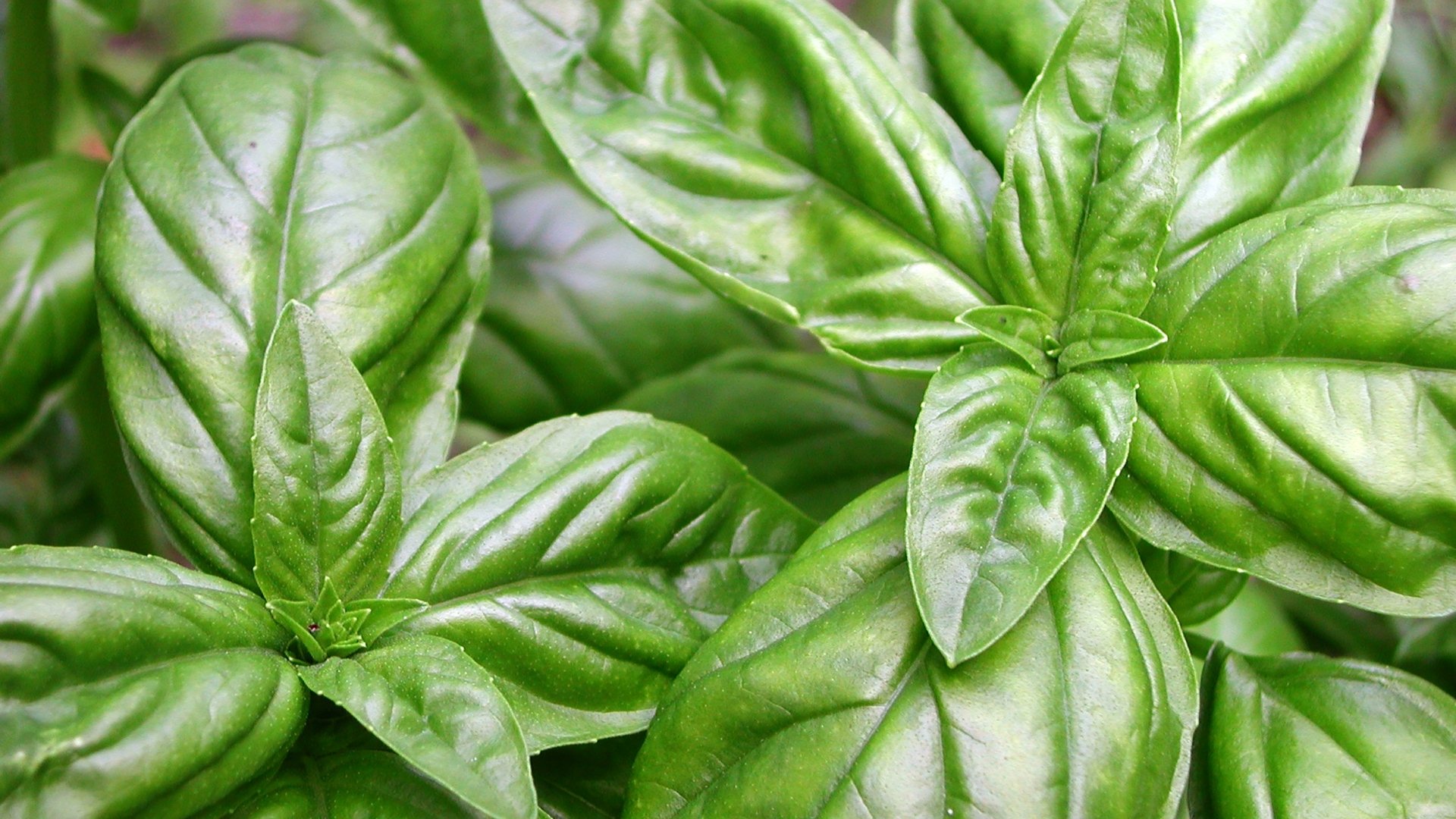
Basil is a fragrant herb that helps keep pests away while attracting pollinators, improving fruit set, and flowering. Its aroma masks crop scents, confusing many insect pests. Great for vegetable plots where pest pressure and pollination both matter.
Repels: Asparagus beetle, aphids, tomato hornworm, mosquitoes, fruit flies, thrips.
Attracts: Bees, butterflies, and other beneficial insects.
Sun: Full sun
Soil: Light, well‑drained soil.
Companions: Tomatoes, peppers, parsley, lettuce, beets, eggplant, marigolds, oregano.
2. Borage (Borago officinalis)
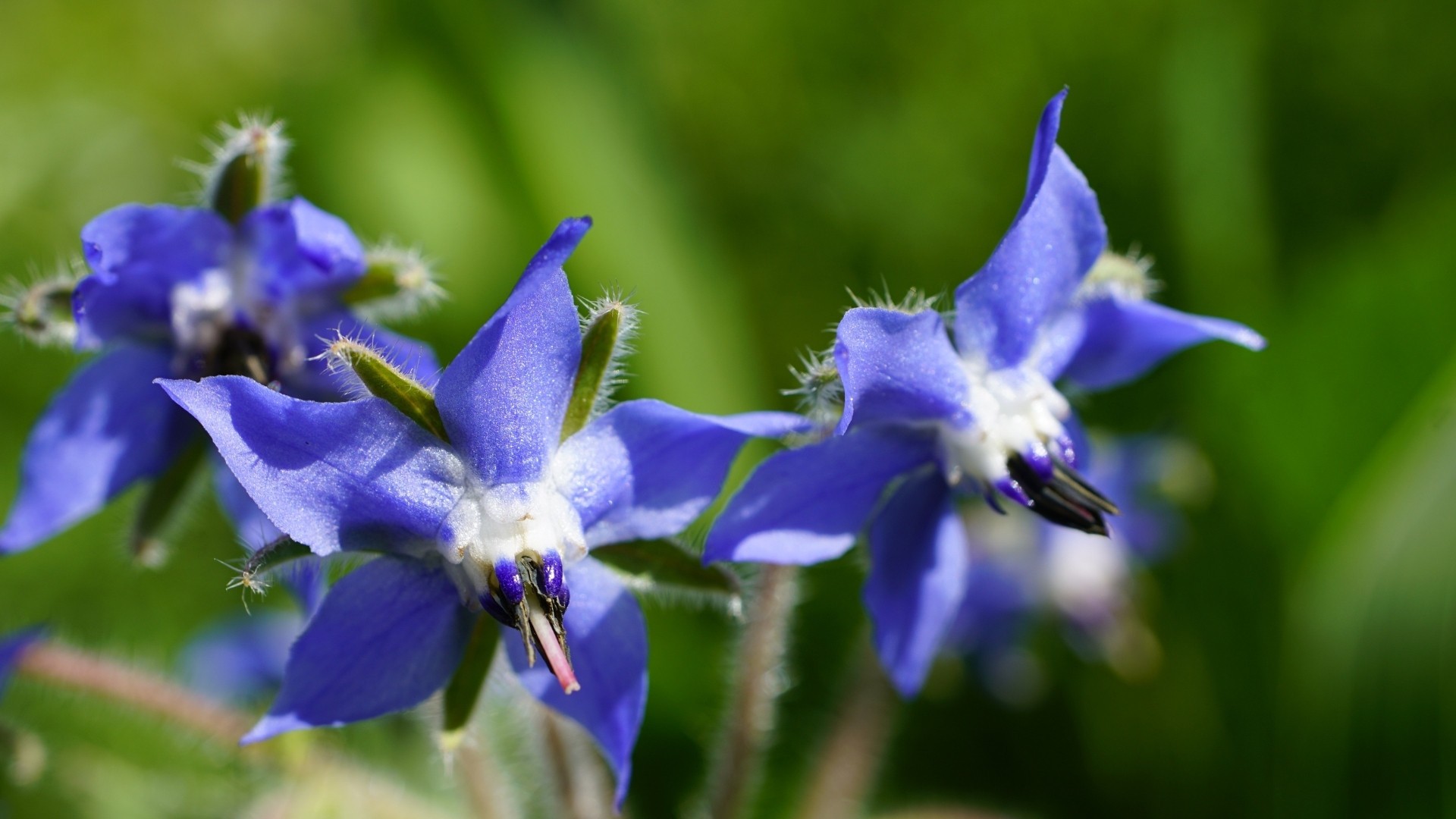
Borage is a Mediterranean annual with bright blue, star-shaped, edible flowers that bloom from early summer to the first frost. It spreads easily and improves soil health, making it ideal for vegetable farms.
Repels/Deters: Cabbageworm, tomato hornworm, slugs, and snails.
Attracts: Bees, honeybees, butterflies, parasitic wasps, hoverflies, lacewings.
Sun: Full sun or light shade
Soil: Tolerates fertile or nutrient-poor soil
Companions: Cabbage, tomatoes, summer or winter squash, strawberries; adds trace minerals to soil and boosts pest resistance.
3. Calendula (Calendula officinalis)
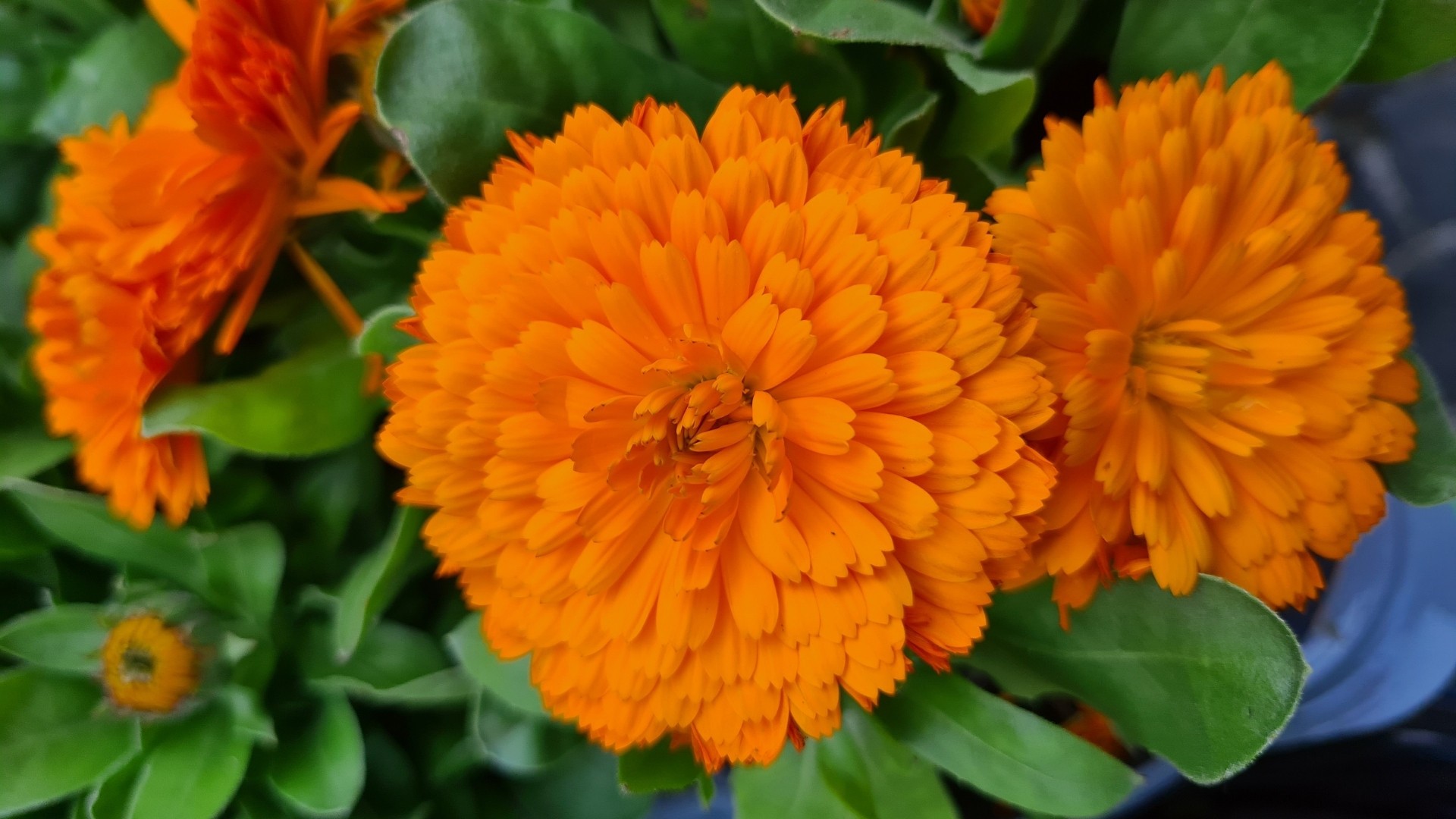
Calendula’s bright blooms repel pests and draw pollinators, making it useful around vegetable beds and crops prone to insect attack. It fits well where beetles and flying pests are a concern.
Repels: Asparagus beetle, tomato hornworm, and mosquitoes.
Attracts: Bees, butterflies, and other beneficial insects.
Sun: Full sun
Soil: Well‑drained soil
Companions: Cucumber, tomatoes, peas, carrots, asparagus, beans, potatoes, pumpkin, broccoli.
4. Chives (Allium schoenoprasum)
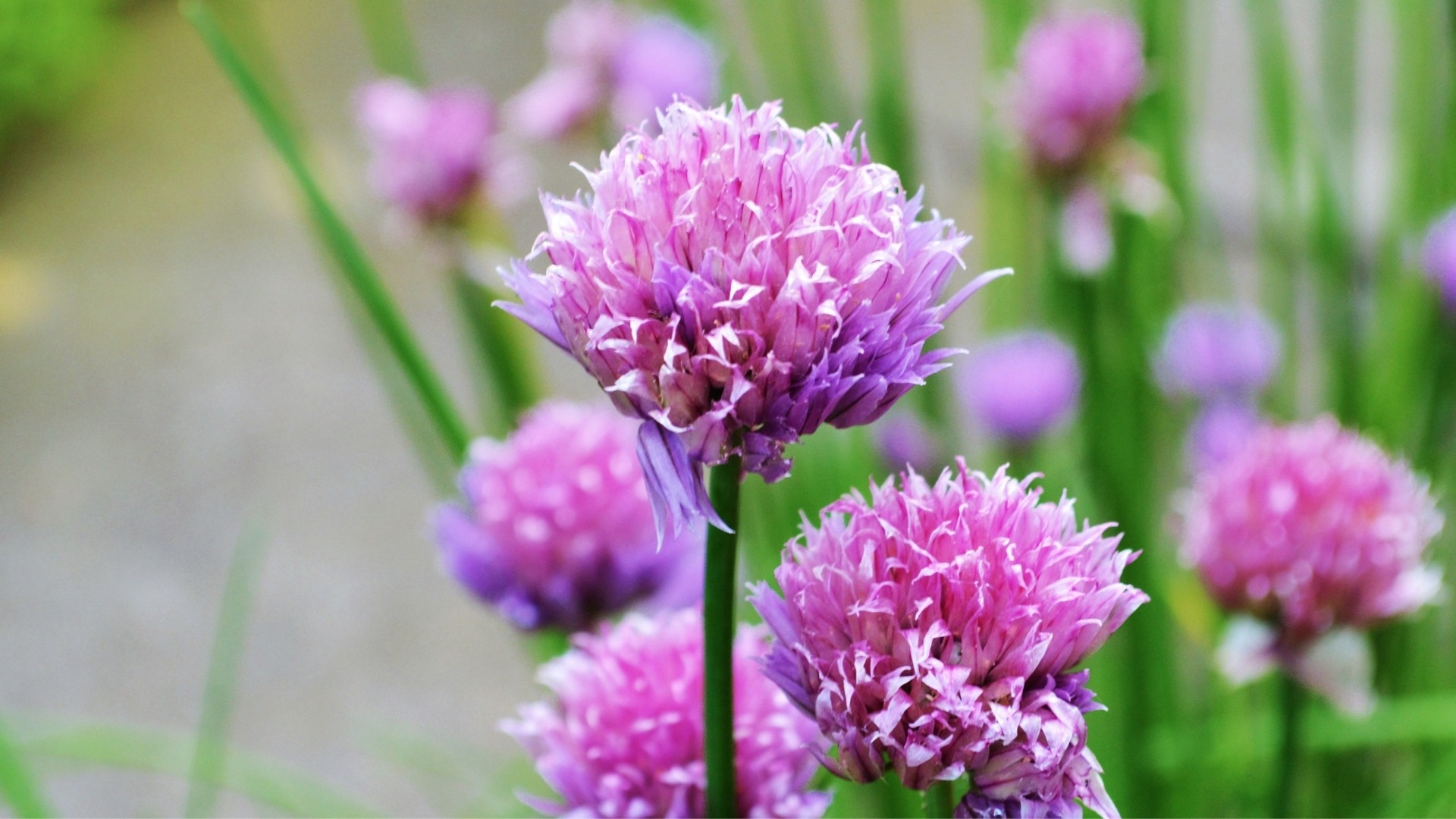
Chives deter pests with their onion scent and support pollination with attractive flowers. They easily fit into vegetable plantings and help guard against common leaf pests.
Repels: Carrot fly, Japanese beetle, aphids.
Attracts: Bees and other pollinators.
Sun: Full sun
Soil: Fertile, well‑drained soil
Companions: Tomatoes, carrots, broccoli, cabbage, squash, strawberries, sunflowers, dill, parsley, tarragon.
5. Dill (Anethum graveolens)
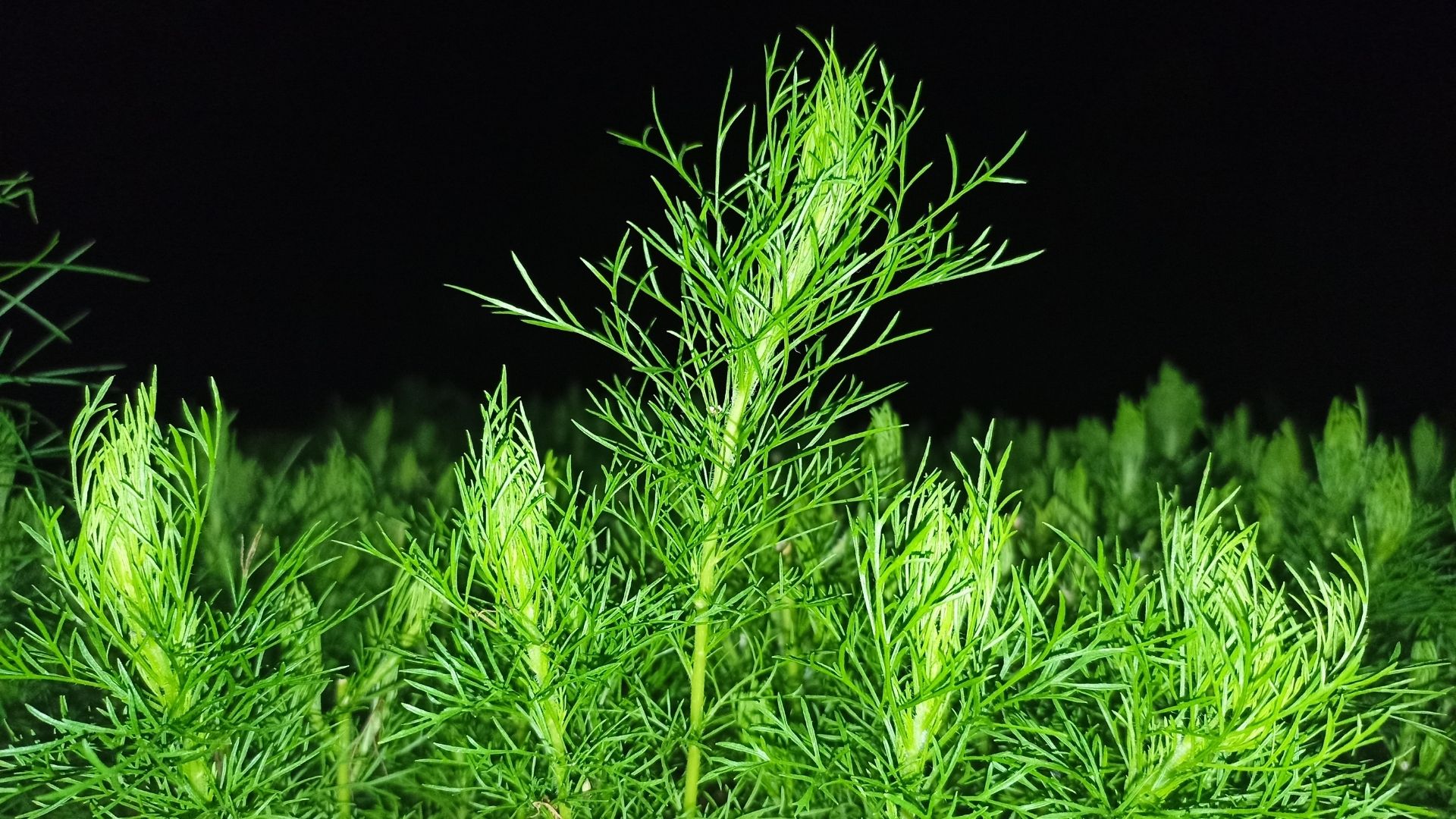
Dill’s feathery foliage repels common pests, and its flowers attract beneficial insects that prey on pests. It supports pollination and works well around brassicas and many vegetables.
Repels: Cabbage looper, cabbageworm, tomato hornworms.
Attracts: Ladybugs, lacewings, hoverflies, honeybees, bumblebees.
Sun: Full sun
Soil: Rich, light, well‑drained soil
Companions: Cabbage, broccoli, cauliflower, corn, cucumber, eggplant, lettuce, potatoes, and tomatoes.
6. Garlic (Allium sativum)
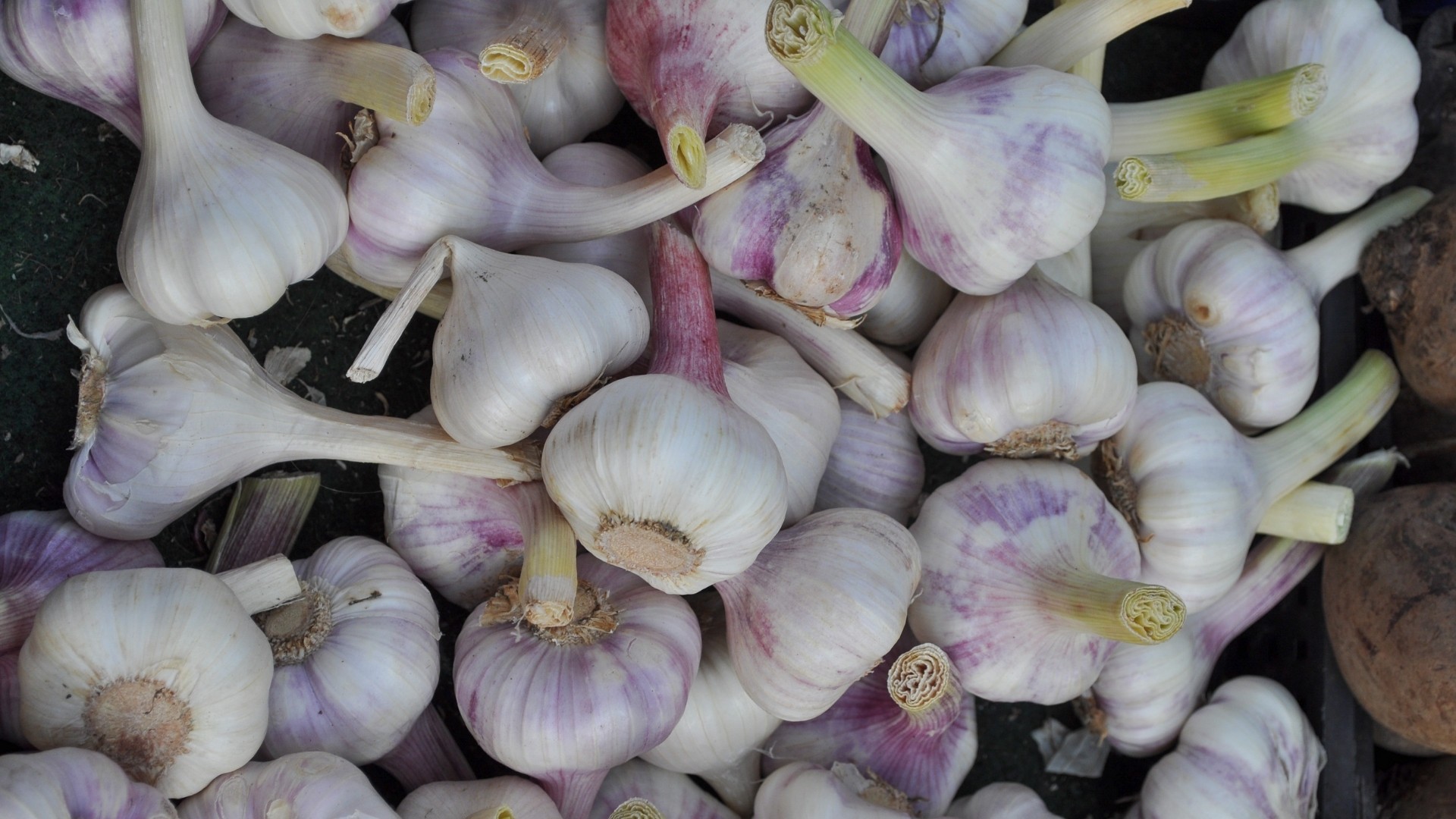
Garlic’s strong aroma deters many pests, helping protect roots and foliage across different crops. It fits well at field edges and between rows.
Repels: Aphids, cabbage looper, cabbage maggot, codling moth, cabbageworm, Japanese beetle, Mexican bean beetle, rabbits, slugs, snails.
Attracts: Beneficial insects when flowering.
Sun: Full sun
Soil: Fertile, well‑drained soil
Companions: Fava beans, beets, cabbage, celery, Chinese cabbage, lettuce, peppers, apples, cherries, pears, plums, strawberries.
7. Mint (Mentha spp.)
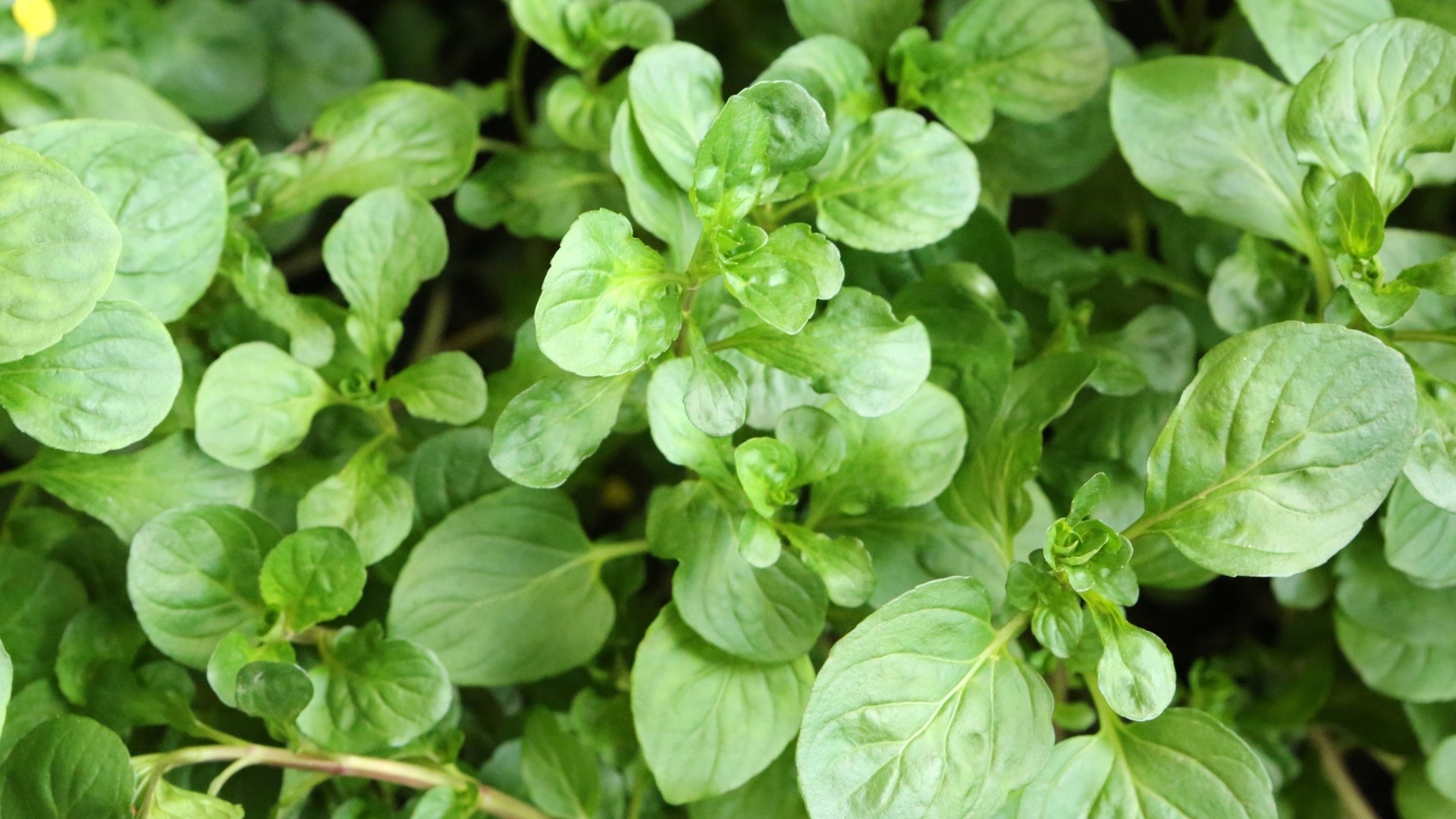
Mint repels a broad range of pests with its strong scent and attracts pollinators. Use it in mixed plantings or field edges, but manage its spread carefully.
Repels: Aphids, black flies, cabbage looper, cabbage moths, cabbageworm, cabbage maggot, flea beetle, squash bug, whiteflies, and ants.
Attracts: Bees, butterflies, hoverflies, predatory wasps.
Sun: Part shade or full sun
Soil: Light and moist soil
Companions: Beans, beets, broccoli, cabbage, carrots, cauliflower, corn, eggplant, lettuce, marigolds, onions, peas, radishes, roses, and tomatoes.
8. Nasturtium (Tropaeolum majus)
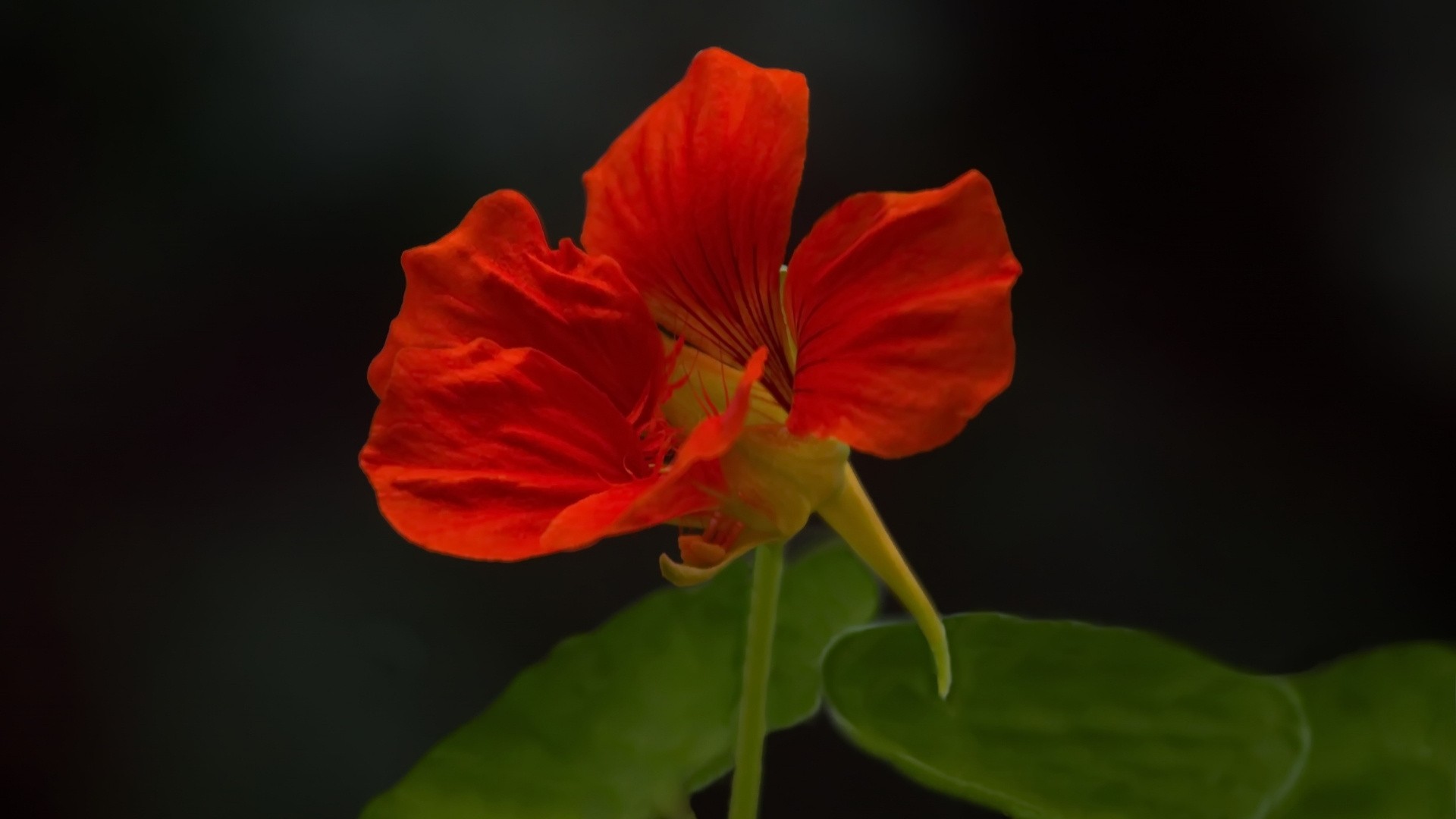
Nasturtium’s colourful flowers repel a wide range of insects and act as a trap crop, drawing pests away from main vegetables.
Repels/Traps: Aphids, asparagus beetle, cabbage worm, carrot fly, Colorado potato beetle, cucumber beetle, flea beetle, Japanese beetle, Mexican bean beetle, squash bug, whiteflies.
Attracts: Bees, butterflies, hummingbirds.
Sun: Full sun
Soil: Well‑drained soil
Companions: Beans, broccoli, cabbage, cucumber, pumpkin, radishes.
9. Onion (Allium cepa)
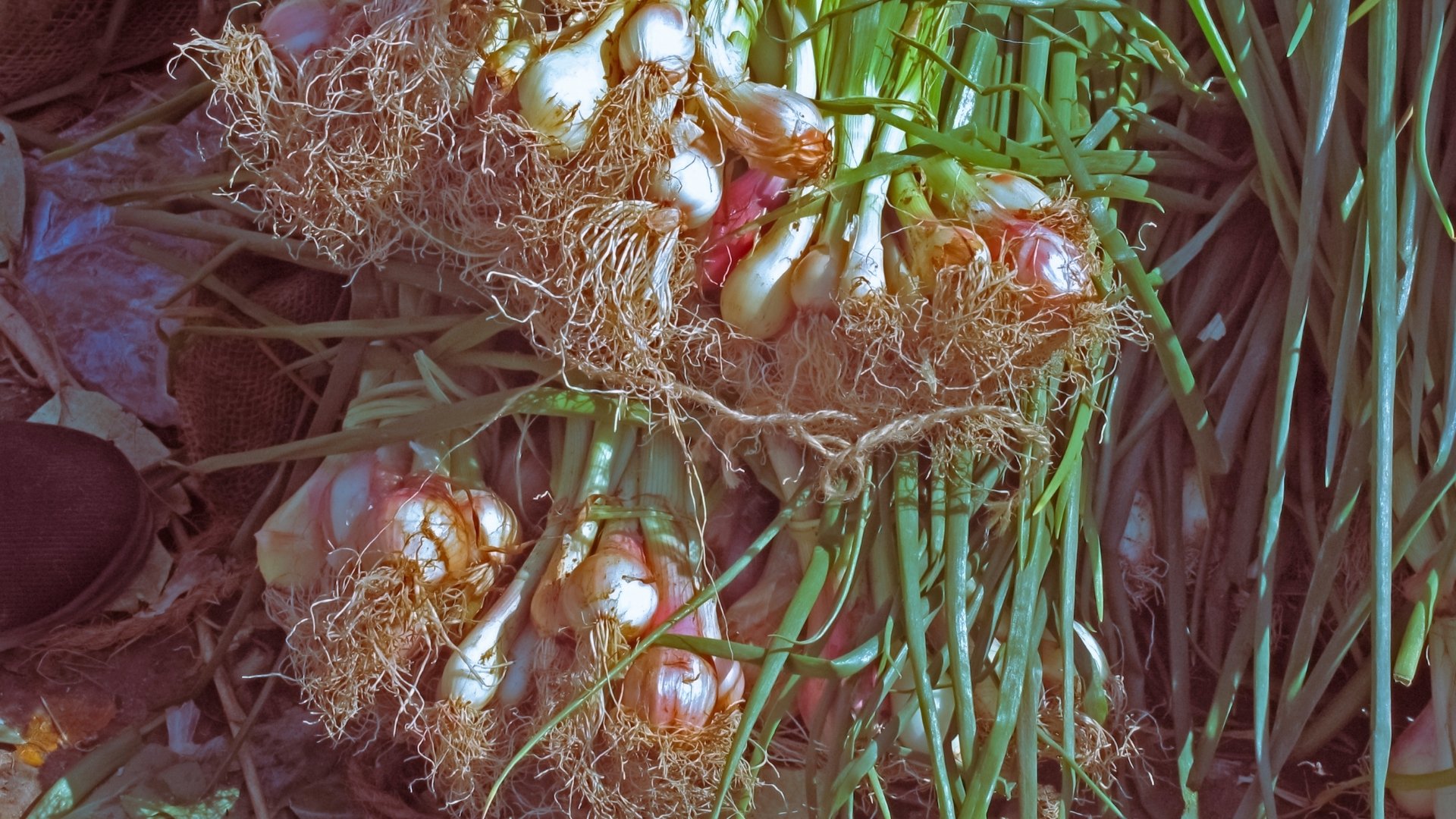
Onions provide natural pest protection in mixed crops, thanks to their strong scent, which many pests avoid. They are easy to grow in most vegetable systems.
Repels: Aphids, cabbage looper, cabbageworm, carrot fly, Colorado potato beetle, rabbits.
Attracts: Beneficial insects in flowering stages.
Sun: Full sun
Soil: Fertile and moist soil
Companions: Beets, broccoli, cabbage, carrots, cauliflower, chamomile, dill, lettuce, summer savory, strawberries, and tomatoes.
10. Oregano (Origanum vulgare)
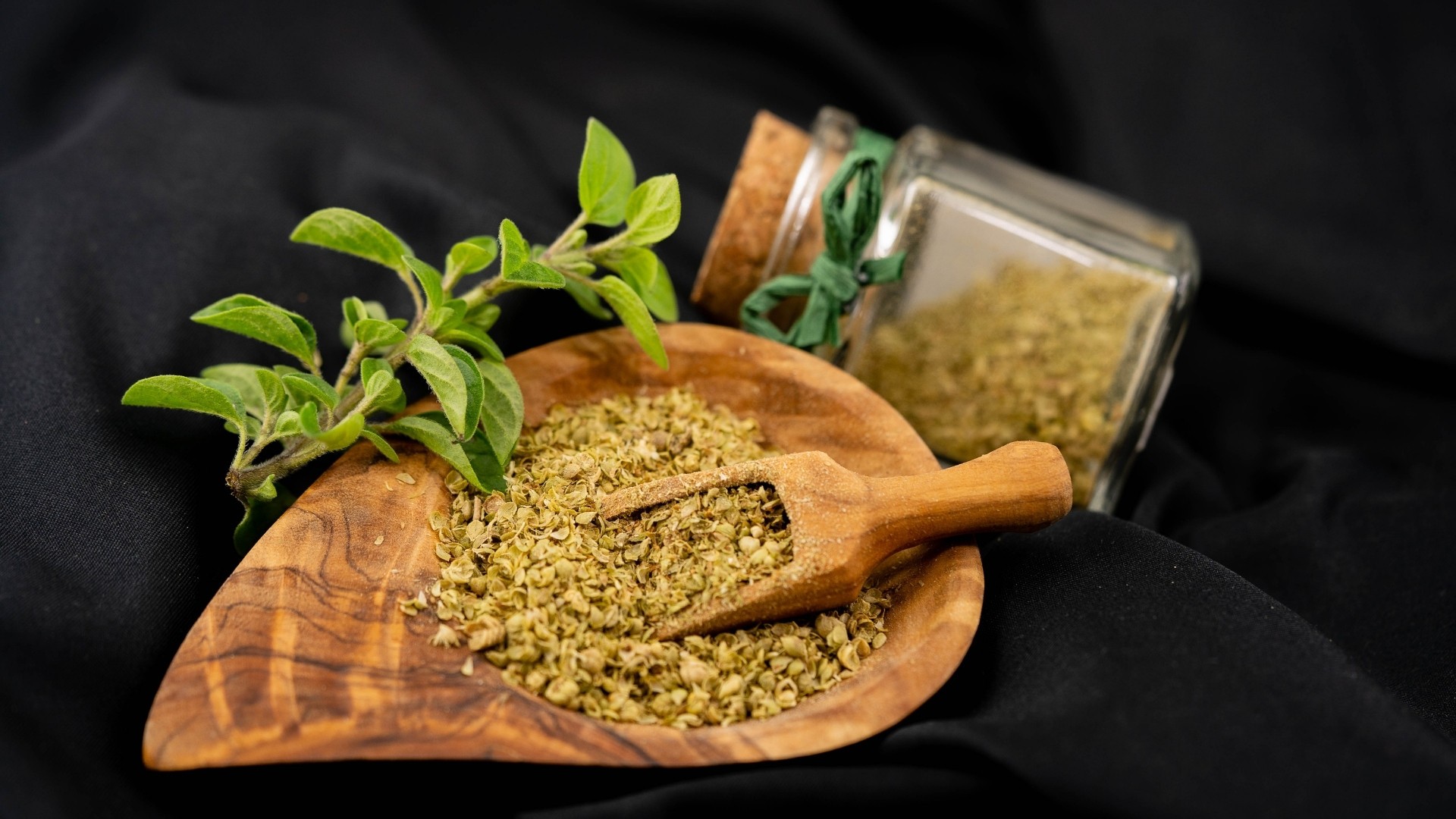
Oregano’s aromatic oils help deter certain pests, and its flowers draw beneficial insects, making it valuable in vegetable plantings.
Repels: Cabbage butterfly, cucumber beetle.
Attracts: Bees and beneficial insects.
Sun: Full sun
Soil: Well‑drained soil
Companions: Cabbage, broccoli, cauliflower, cucumber, peppers, pumpkin, zucchini.
11. Parsley (Petroselinum crispum)
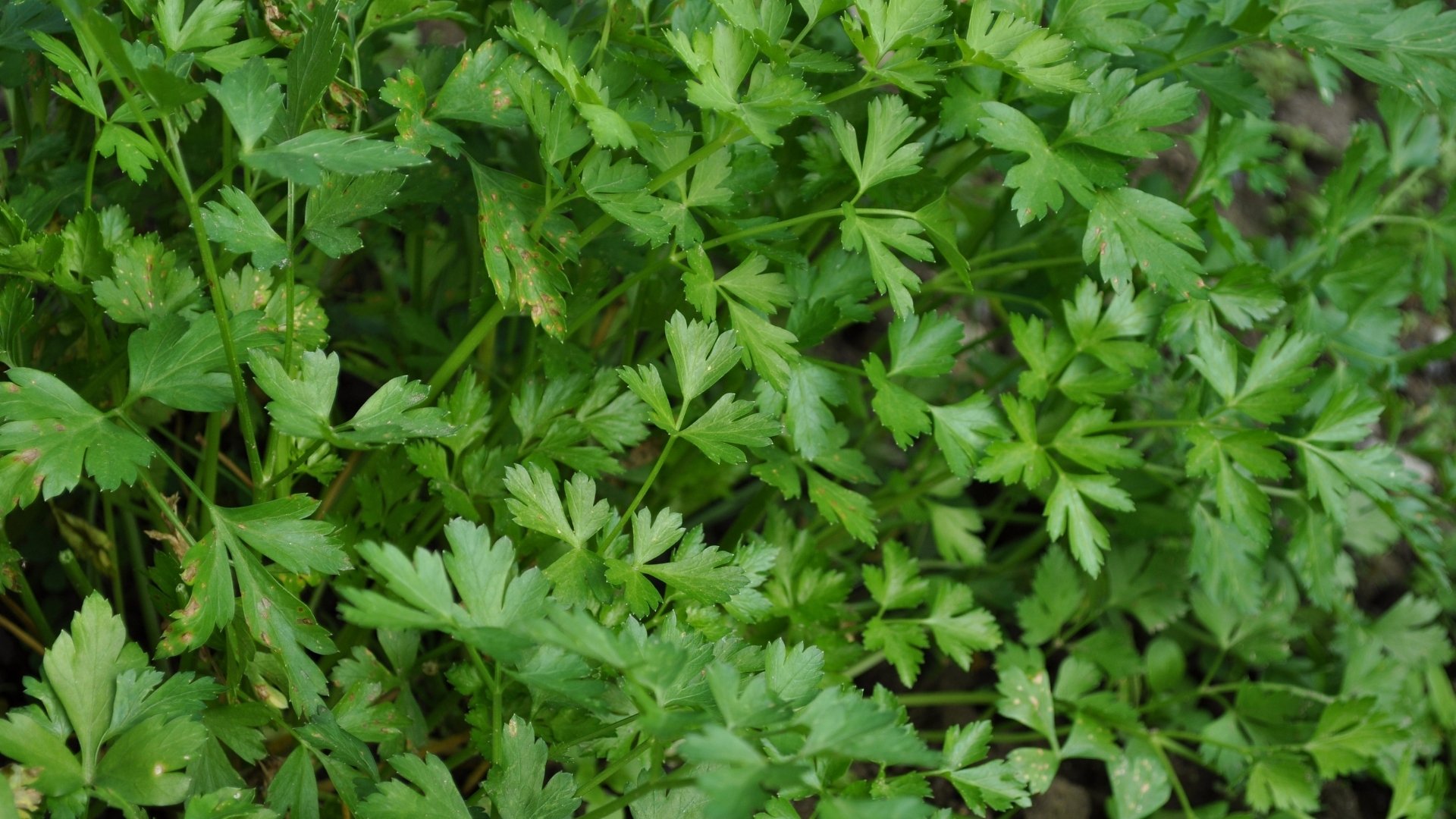
Parsley repels some beetle pests and attracts beneficial insects that help control aphids and other small pests.
Repels: Asparagus beetles.
Attracts: Hoverflies, parasitic wasps, ladybugs, and damselflies.
Sun: Full sun to part shade
Soil: Fertile soil
Companions: Asparagus, onions, roses, tomatoes, basil, chives, lavender, lemon balm, lovage, marjoram, oregano, rosemary, sage, summer savory, thyme.
12. Radish (Raphanus sativus)
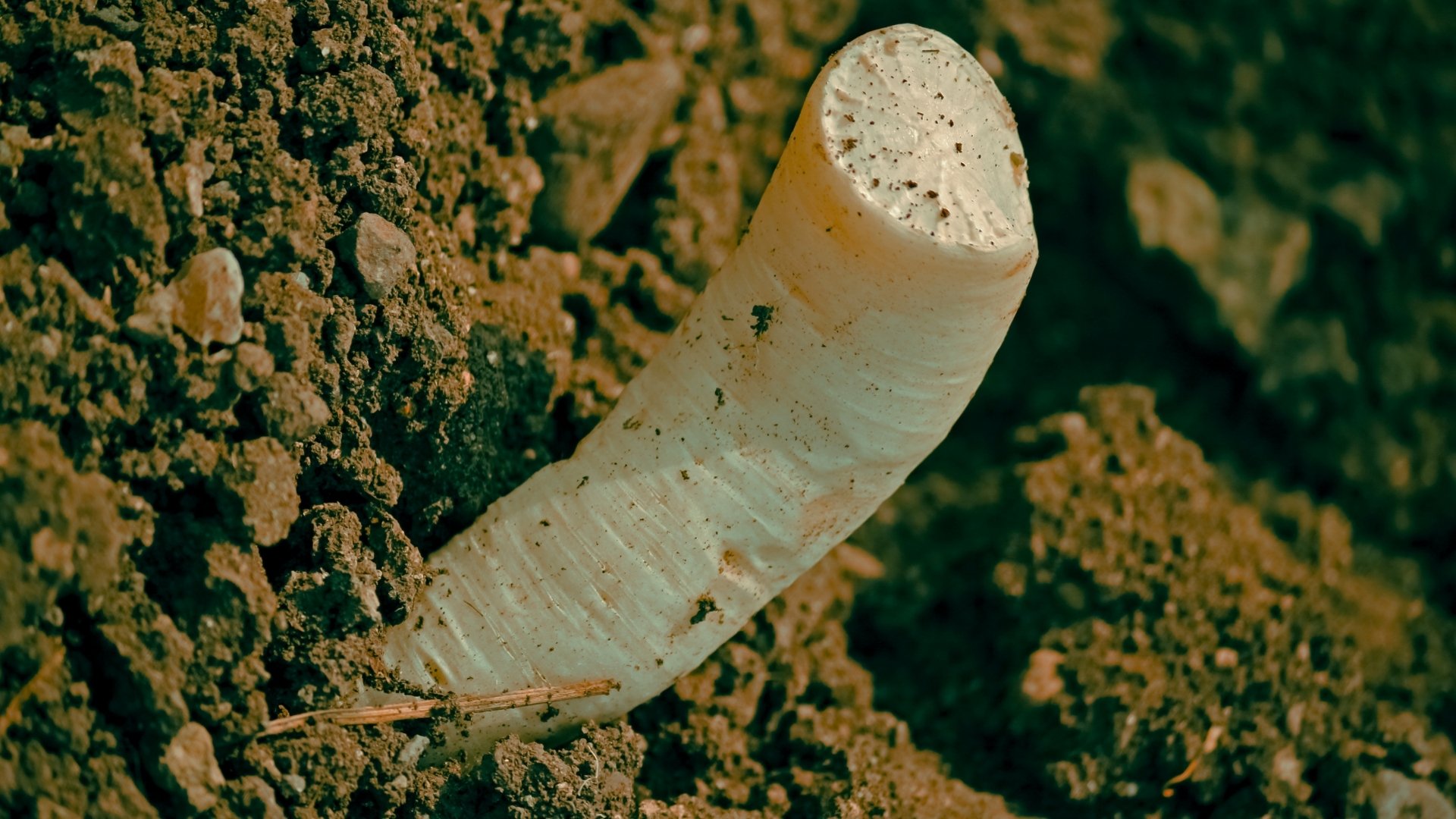
Radish serves as a trap crop for soil and leaf pests, protecting more sensitive vegetables in mixed beds.
Repels: Cabbage maggot, cucumber beetle, carrot rust fly, spider mite, squash bug, squash vine borer.
Attracts: Beneficial insects to mixed plantings.
Sun: Full sun or light shade
Soil: Moist, and well‑drained soil
Companions: Beets, beans, carrots, chervil, cucumber, lettuce, nasturtium, peas, squash family.
13. Rosemary (Salvia rosmarinus)
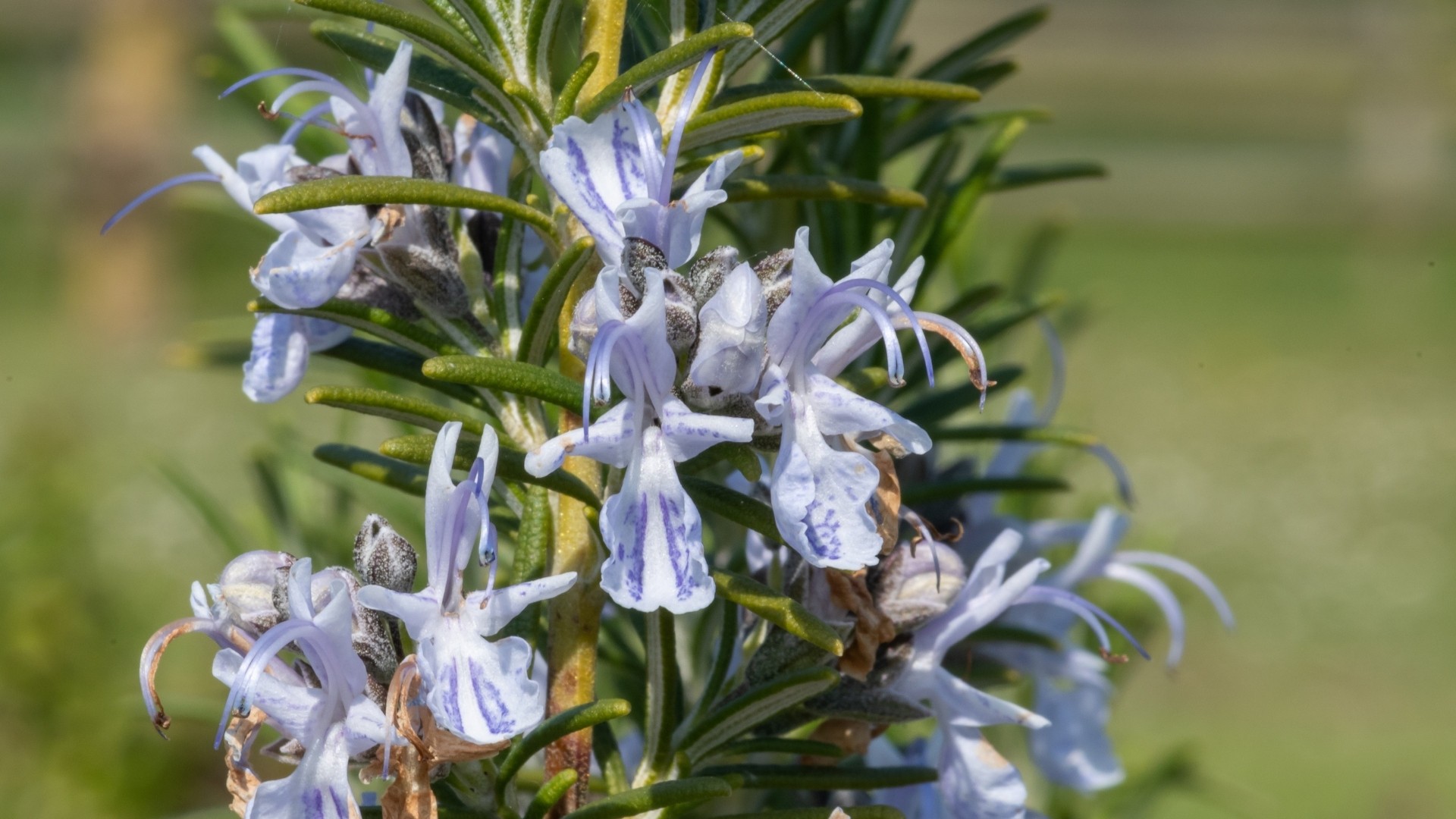
Rosemary’s strong scent deters a range of pests while attracting pollinators. It works well near brassicas and other vegetables.
Repels: Cabbage looper, cabbage moth, Mexican bean beetle, carrot fly, slugs, and snails.
Attracts: Bees, butterflies.
Sun: Full sun
Soil: Well‑drained soil
Companions: Broccoli, cabbage, carrots, cauliflower, beans, peppers, lavender, marjoram, oregano, sage, summer savory, tarragon, thyme.
14. Sage (Salvia officinalis)
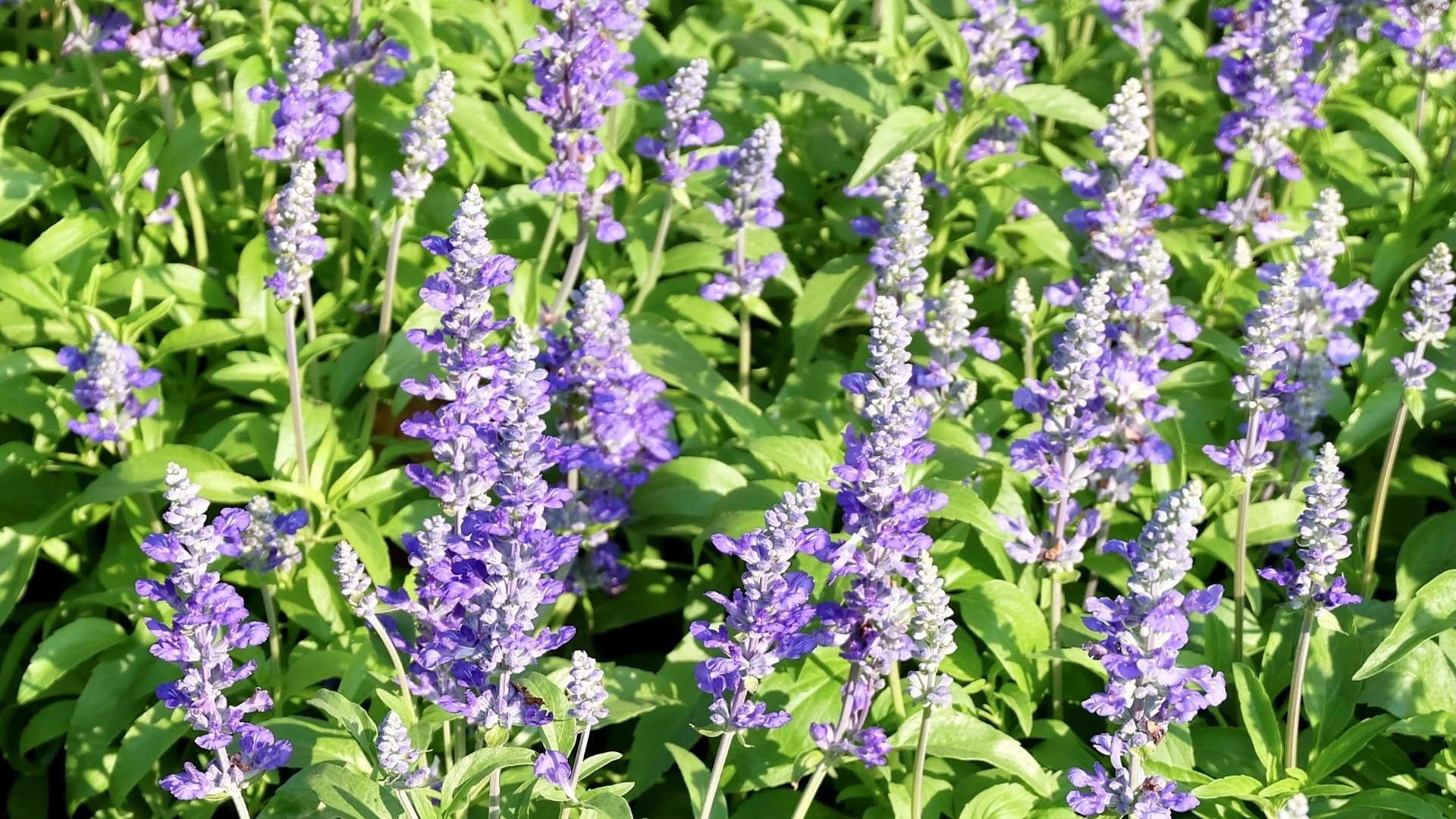
Sage deters key vegetable pests and supports pollinators when in flower, adding resilience to mixed beds.
Repels: Cabbage loopers, cabbage maggots, cabbageworm, beetles, black flea beetles, carrot rust flies.
Attracts: Bees, butterflies.
Sun: Full sun
Soil: Well‑drained soil
Companions: Beans, broccoli, cabbage, carrots, cauliflower, lettuce, fennel, lavender, lemon balm, lovage, oregano, parsley, rosemary, summer savory, tarragon, thyme.
15. Tansy (Tanacetum vulgare)
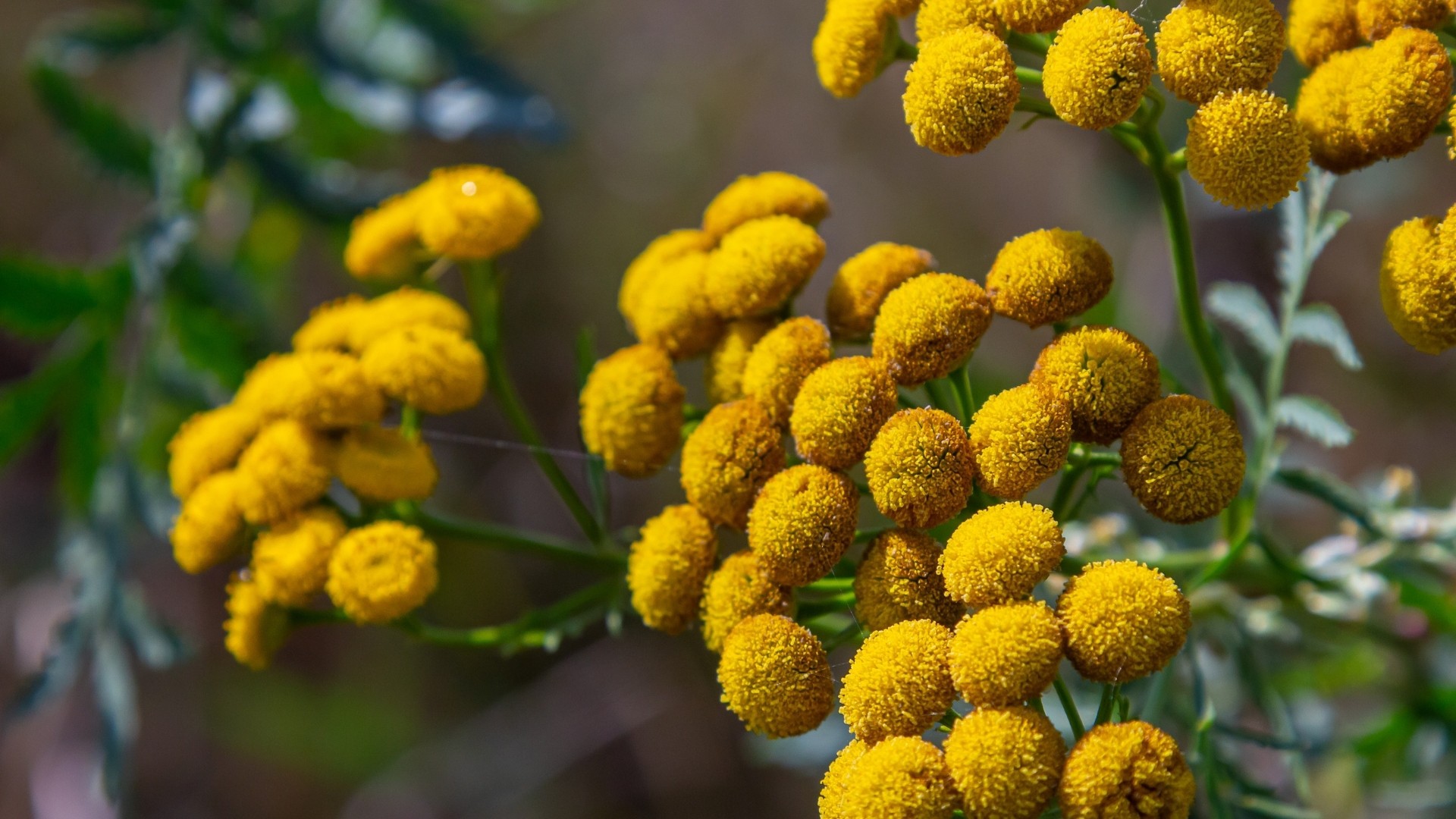
Tansy’s strong scent helps deter a wide spectrum of pests and supports mixed plantings near vegetables and fruit trees.
Repels: Ants, asparagus beetle, cabbage butterfly, cabbage maggot, carrot fly, Colorado potato beetle, cucumber beetle, cutworm, Japanese beetle, squash bug.
Attracts: Beneficial insects and pollinators.
Sun: Full sun to part shade
Soil: Well‑drained soil
Companions: Cabbage, cauliflower, celery, cucumber, potatoes, pumpkin, zucchini, apricots, peaches, cherries.
16. Thyme (Thymus vulgaris)
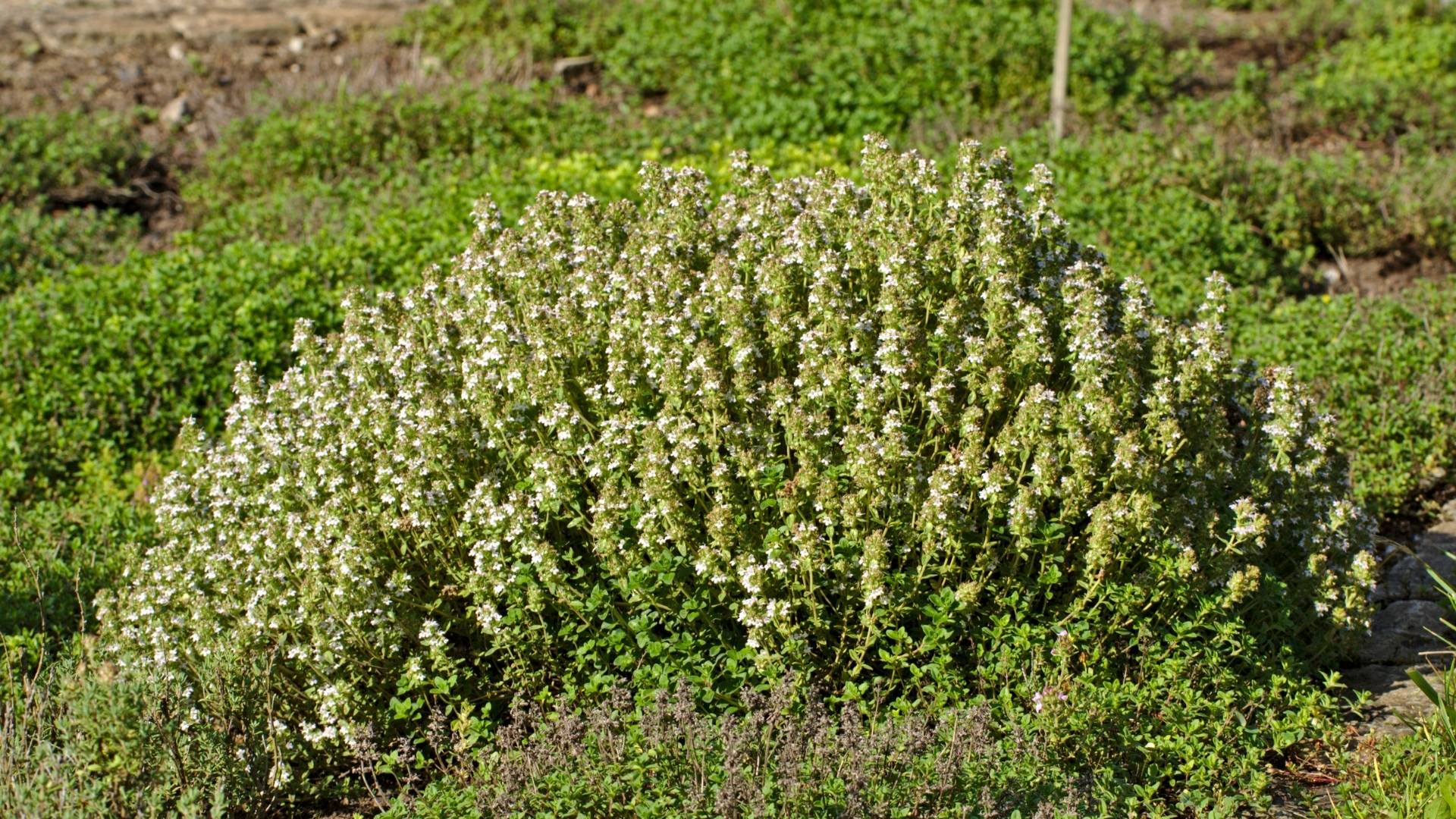
Thyme’s aromatic oils deter pests in vegetable crops while flowers support pollination and predator insects.
Repels: Cabbage looper, cabbage maggot, cabbageworm, corn earworm, tomato hornworm, whiteflies.
Attracts: Bees, butterflies.
Sun: Full sun
Soil: Well‑drained soil
Companions: Broccoli, cabbage, cauliflower, tomatoes, lavender, lovage, marjoram, oregano, parsley, rosemary, sage, summer savory.
These plants, when used thoughtfully, help create a multi‑layered pest management plan that reduces chemical dependence and supports healthier crops.
Looking to save time and improve efficiency in pest management? Leher offers drone-powered spraying services that precisely apply pesticides and nutrients, reducing waste and ensuring even coverage across your farm. Schedule your first drone spray service today!
Understanding plant roles prepares you to use them strategically. Next, we’ll look at how to apply them practically on farms.
4 Practical Ways to Use Pest Control Plants on Your Farm
Strategic placement, proper timing, and thoughtful combinations with your main crops are essential for maximising the benefits of pest control plants. Implementing them correctly ensures effective pest management without affecting overall crop yield.
Here are some practical methods to consider:
Companion Planting: Grow these pest control plants alongside your main crops to confuse pests and reduce their impact. For example, marigolds with tomatoes suppress nematodes, while basil with peppers or eggplants deters flies and caterpillars.
Border Planting: Plant herbs such as mint, lemongrass, or rosemary along field edges to create natural scent barriers.
Botanical Extract Sprays: Prepare sprays from neem, garlic, or chilli peppers. Boil or soak the plant material, strain, mix with mild soap, and spray in the late afternoon to protect pollinators.
Habitat for Beneficial Insects: Include flowering plants that attract predators such as ladybugs and lacewings. Place them near vulnerable crops to enhance natural pest regulation.
By understanding how these plants work and applying them strategically, farmers can create a holistic, eco-friendly pest management system that protects crops while supporting long-term farm health.
While pest control plants are effective on their own, combining them with modern agritech solutions, such as Leher’s precision drone spraying, can further enhance pest management. Book a certified pilot today to protect your crops efficiently and receive actionable field insights.
Also Read: How to Spray Pesticides Safely on Crops
Let’s take a closer look at how Leher helps farmers manage pests and improve crop health across large fields.
Enhancing Pest Management with Leher’s Drone-Assisted Solutions
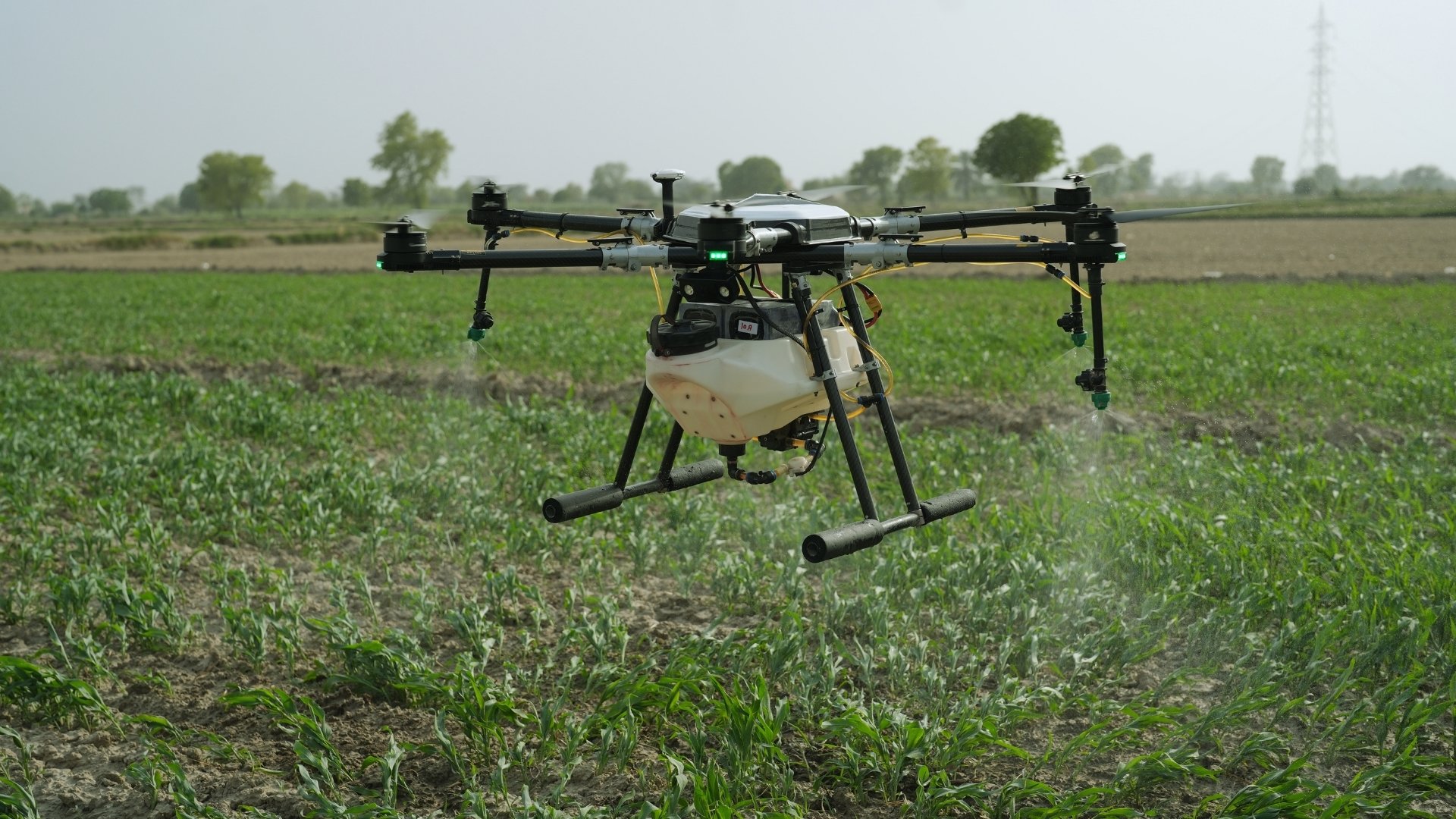
Pest control plants naturally protect crops, repel harmful insects, and attract beneficial predators, thereby supporting healthier, more resilient farms. Combining these natural methods with Leher’s drone spraying services lets you respond quickly with precise application of approved crop protection inputs across your fields.
By accurately targeting affected areas, these drones save time, reduce chemical use, and help maintain healthier, more productive crops. Here’s how Leher creates real impact:
Proven Scale and Reach: Leher has already sprayed over 35,000 acres across India, partnering with 2,200+ drone operators to serve smallholder farmers, cooperatives, and estates.
Fast and Efficient Spraying: Each drone can spray up to 50 acres a day, with a 10-litre tank, 22-minute flight time, and 45-minute recharge. Spraying takes minutes, not hours.
Lower Chemical Use, Better Results: Farmers using Leher’s drones report up to 75% less chemical residue and 30–50% yield improvements, especially in crops like tea, rubber, and horticulture.
Easy Access Through Mobile Booking: Farmers can book services through the Leher app, WhatsApp, or a centralised call system. Trained, DGCA-certified pilots handle the spraying, and payment is collected only after the job is complete.
Support for Drone Entrepreneurs: Leher empowers rural youth to become drone service providers. Its partner program includes training, financial assistance, and an app to manage daily operations, orders, and payments.
Data-Backed Decision-Making: Every spray is logged through Leher’s Spray Management System. Farmers receive GPS flight paths, chemical usage logs, and auto-generated reports to support subsidy applications and planning.
Book a drone spray with Leher today! Cover up to 50 acres with precise, automated spraying. Download the Leher app today on Google Play or the App Store, or join our Drone Partner Program to get started.
FAQs
1. Can pest control plants replace chemical pesticides entirely?
Pest control plants help reduce pest populations naturally. For high-density infestations, targeted pesticides may still be needed, but combining plants with natural sprays can significantly cut chemical use.
2. How do I choose pest control plants for my crops?
Select plants based on the main crop, common regional pests, and desired function: repellent, trap, or predator-attracting. For instance, marigolds deter nematodes for tomatoes, while dill attracts lacewings for brassicas.
3. Can these plants be effective in large-scale fields?
Yes. Using border planting, intercropping, or clusters across fields ensures consistent pest coverage. When paired with precision drone spraying, pest suppression can be efficiently extended over tens to hundreds of acres.
4. How do pest control plants support pollinators?
Many plants, like basil, borage, and calendula, produce nectar and pollen that attract bees, butterflies, and hoverflies. This enhances pollination of nearby crops, increasing fruit set, seed production, and overall farm productivity.
5. How does Leher integrate with pest control plants?
Leher drones map pest hotspots and apply inputs precisely where needed, while pest control plants provide ongoing natural pest suppression. Together, they reduce chemical use by up to 75% and improve yields by 30-50% in trials.
Let’s Grow Together!
Interested in drone spraying solutions? Connect with us today.