5 Major Classifications of Plant Disease for Effective Crop Management
Plant diseases often damage crops long before visible symptoms appear, resulting in significant yield and quality losses. In India, pests and diseases account for 15–25% of annual food production losses, making early and accurate management critical.
Classification of plant diseases provides a systematic framework for early identification and effective management of infections. Plant diseases are classified based on factors such as the host plant affected, mode of spread, prevalence and periodicity, plant parts involved, and parasitic nature. This classification supports accurate diagnosis, timely intervention, and selection of suitable control measures for crop protection.
In this blog, you will explore major plant disease classifications and understand how they connect to practical, technology-based strategies for monitoring, detection, and control.
Key Takeaways
Structured Disease Understanding: The classification of plant disease organises infections into clear groups, making diagnosis more accurate and repeatable across crops and regions.
Early Intervention Advantage: Knowing the disease type helps identify risks before visible symptoms spread, reducing the risk of delayed treatment.
Better Treatment Selection: Classification links disease characteristics to suitable control measures, avoiding incorrect or ineffective treatments.
Supports Scalable Monitoring: Clear disease categories facilitate integration of field observations with digital monitoring and reporting systems.
Foundation for Precision Farming: Disease classification forms the base for data-driven crop protection and field-level decision-making.
1. Classification Based on Host Plants Affected
Plant diseases can be classified based on the type of host plant they infect. This classification makes it easier to organise diseases by crop type and helps farmers and researchers identify and manage them more effectively. Based on host plants, plant diseases are commonly divided into six major groups.
i) Diseases of Cereal Crops
These diseases affect food grain crops such as rice, wheat, maize, millets, bajra, ragi, sorghum, and oats.
Examples: Blast of rice, wheat rust, smut of sorghum, downy mildew of bajra, brown spot of maize, root rot of ragi.
ii) Diseases of Horticultural Crops
Horticultural crops include vegetables, fruits, and ornamental plants. Diseases affecting these crops fall under this category.
Examples: Club root of cabbage, white rust of radish, tomato wilt, anthracnose of mango, citrus canker, guava wilt, papaya mosaic, and powdery mildew of rose.
iii) Diseases of Plantation Crops
Plantation crops such as coffee, tea, rubber, cocoa, cardamom, and mulberry are affected by several pathogens.
Examples: Coffee rust, blister blight of tea, stem rot of rubber, powdery mildew of mulberry, mosaic disease of cardamom.
iv) Diseases of Oilseed Crops
Oilseed crops are grown for oil extraction and are prone to specific diseases.
Examples: Tikka disease of groundnut, stem bleeding of coconut, and castor diseases.
v) Diseases of Pulse Crops
Pulse crops are grown mainly for protein-rich seeds used for human consumption.
Examples: Anthracnose of cowpea, wilt of gram, downy mildew of peas, leaf spot of soybean.
vi) Diseases of Cash Crops
Cash crops are cultivated for commercial purposes and are affected by economically significant diseases.
Examples: Red rot of sugarcane, root rot of cotton, root knot of tobacco, stem rot of jute.
2. Classification Based on Mode of Spread
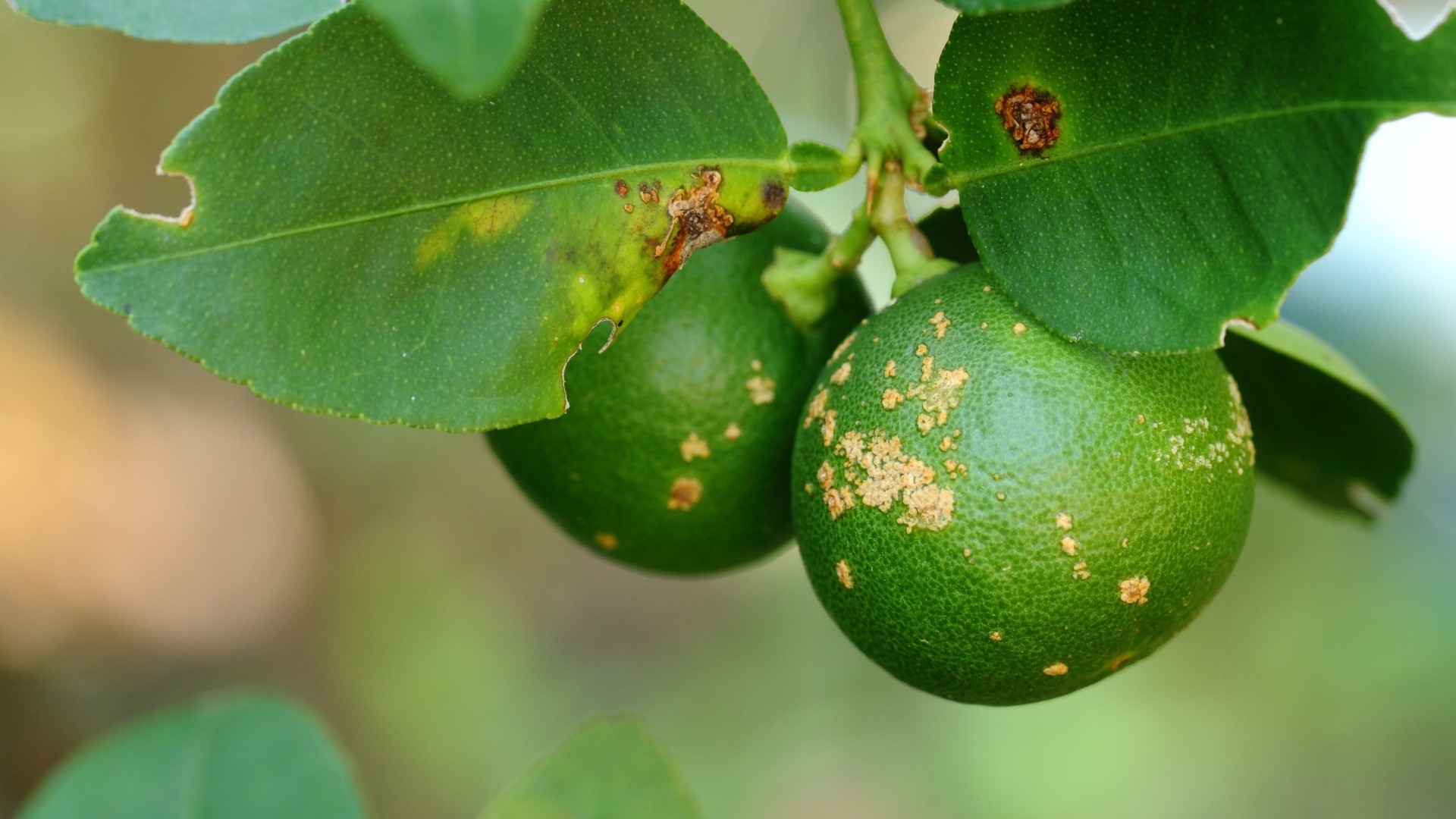
Plant diseases can also be grouped according to how they spread from one plant to another. Knowing the mode of spread helps farmers predict how quickly a disease may travel through a field and choose the right prevention methods. Based on how pathogens spread, plant diseases are generally divided into three main categories.
i) Seed-borne Diseases
Seed-borne diseases are those that are transmitted through infected seeds. These diseases often spread at sowing and can affect crops from early growth stages.
Examples: Leaf spot of rice, ergot disease of bajra.
ii) Soil-borne Diseases
Soil-borne diseases spread through contaminated soil and infect plants through roots or basal plant parts. These diseases may persist in the soil for long periods.
Examples: Root knot, root rot, collar rot, and cutting rot of mulberry.
iii) Air-borne Diseases
Air-borne diseases spread through the air, mainly by wind-carried spores or pathogens. These diseases usually infect aerial plant parts such as leaves and stems.
Examples: Leaf spot, powdery mildew, and leaf rust of mulberry.
3. Classification Based on Prevalence and Periodicity
Plant diseases can also be grouped based on how often they occur and how widely they spread across regions. This type of classification helps in understanding disease patterns over time and location, which is useful for monitoring crops, predicting outbreaks, and planning timely control measures.
Based on prevalence and periodicity, plant diseases are commonly divided into four categories.
i) Epidemic Diseases
Epidemic diseases occur periodically over large areas, spread rapidly from one region to another, and cause severe crop damage.
Examples: Leaf rust and root rot of mulberry.
ii) Endemic Diseases
Endemic diseases are constantly present in a specific locality and appear year after year.
Examples: Leaf spot and root knot of mulberry.
iii) Sporadic Diseases
Sporadic diseases occur at irregular intervals and are limited to smaller areas.
Examples: Leaf blight and black leaf spot of mulberry.
iv) Pandemic Diseases
Pandemic diseases occur worldwide and cause extensive crop damage.
Examples: Root knot disease of mulberry.
4. Classification Based on Plant Parts Affected
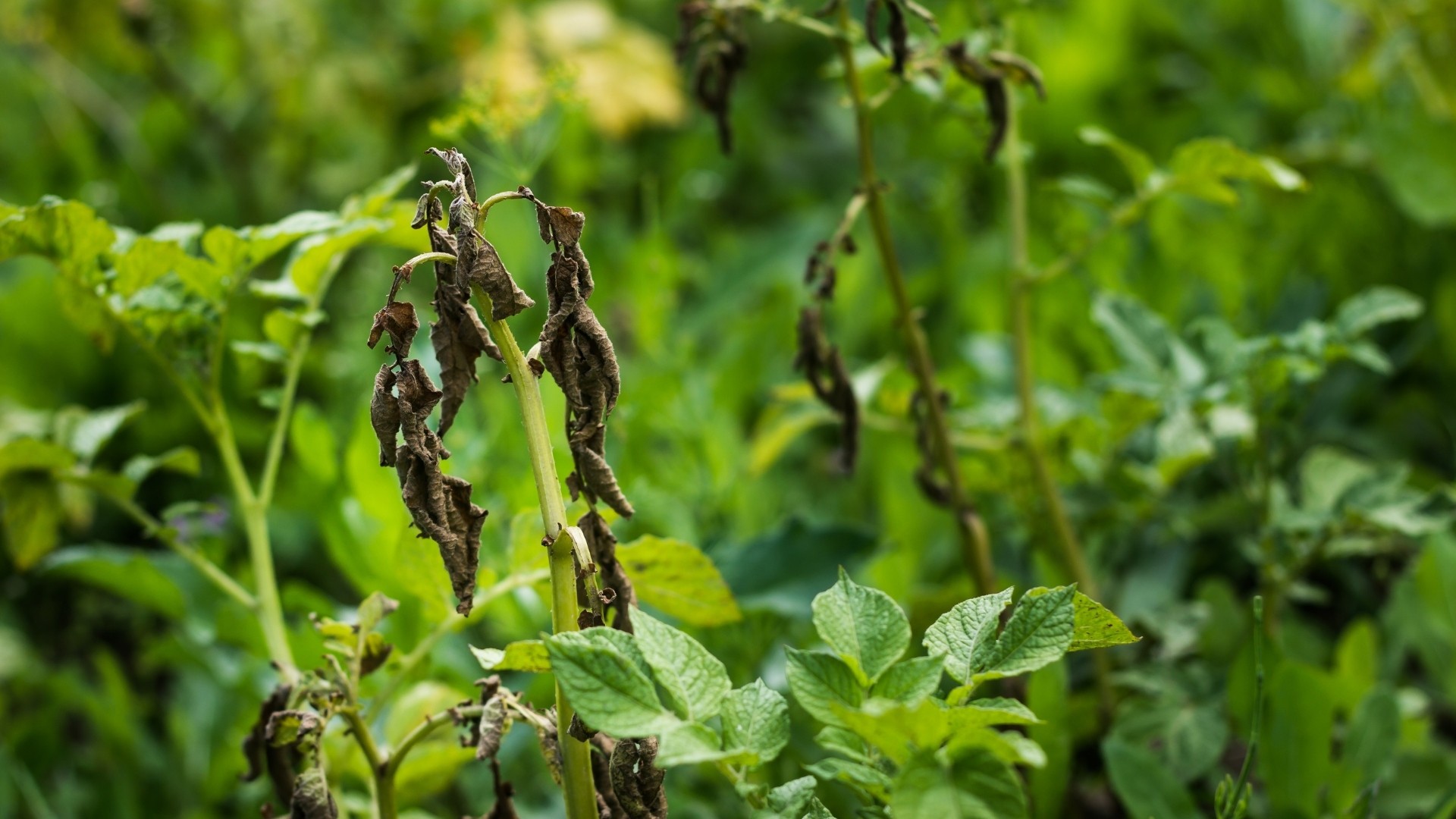
Plant diseases can also be classified according to the specific plant parts they infect. This approach helps relate disease symptoms to the site of infection and understand how damage to different plant parts affects overall growth and productivity. Based on the affected plant part, diseases are grouped into four main categories.
i) Foliar Diseases
Foliar diseases affect the above-ground parts of plants, mainly the leaves and foliage.
Examples: Leaf spot and leaf rust of mulberry.
ii) Root Diseases
Root diseases involve the root system and interfere with water and nutrient uptake.
Examples: Root knot and root rot of mulberry.
iii) Vascular Diseases
Vascular diseases occur when pathogens invade the vascular tissues, namely xylem and phloem, disrupting transport within the plant.
Examples: Bacterial wilt (Pseudomonas solanacearum) and root rot of mulberry.
iv) Systemic Diseases
Systemic diseases are caused by pathogens that spread throughout the plant system at the cellular level.
Examples: Dwarf and mosaic diseases of mulberry.
Also Read: Drones in Agriculture: Effective Plant Disease Detection and Targeted Spraying
5. Classification Based on Parasitic Nature
Based on causal factors, plant diseases are broadly classified into parasitic and non-parasitic diseases. This classification distinguishes diseases caused by living pathogens from those resulting from nutritional, environmental, or physical factors, aiding in accurate diagnosis and appropriate management.
i) Parasitic Diseases
Parasitic diseases are caused by pathogenic organisms such as fungi, moulds, bacteria, viruses, mycoplasma-like organisms (MLOs), and nematodes. These pathogens infect host plants and produce distinct symptoms and signs that help in disease identification. Symptoms of parasitic diseases are classified into:
Primary symptoms: Appear immediately after pathogen establishment.
Secondary symptoms: Develop later in distant, uninfected plant parts.
Depending on their location, disease symptoms may appear on above-ground (shoot) or underground (root) parts of the plant.
ii) Non-parasitic Diseases
Non-parasitic diseases occur without the involvement of microorganisms. They are mainly caused by nutritional disorders, environmental stress, or physical and chemical injuries. These diseases are identified only through visible symptoms and are non-infectious, as they do not spread from diseased to healthy plants.
Major factors responsible for non-parasitic diseases include:
i) Soil Moisture Imbalance
Low soil moisture results in stunted growth and pale green to yellow leaves. Prolonged drought may cause defoliation, wilting, and plant death. Excess soil moisture reduces oxygen availability, restricts root growth, and increases plant susceptibility to pathogens.
ii) Nutritional Imbalance
Deficiency of nutrients leads to characteristic symptoms:
Major nutrients:
Nitrogen deficiency causes leaf yellowing and poor growth.
Phosphorus deficiency results in interveinal chlorosis and marginal necrosis on older leaves.
Potassium deficiency causes marginal scorching, especially in young plants.
Secondary nutrients:
Calcium deficiency leads to chlorosis, leaf tip death, and leaf rolling.
Magnesium deficiency causes chlorosis, reddening, and necrotic spots.
Sulphur deficiency results in yellowing and leaf abscission, mainly affecting younger leaves.
Micronutrients:
Zinc deficiency causes mottling and chlorosis near veins.
Iron deficiency leads to chlorosis with dark green veins and marginal scorching.
Copper deficiency results in yellowing and dieback of young leaves.
Molybdenum deficiency produces pale, narrow, distorted leaves.
Manganese deficiency causes interveinal yellowing in young leaves.
Chlorine deficiency results in marginal scorching of older leaves.
Boron deficiency causes stunted growth, distorted leaves, and death of growing points.
iii) Meteorological and Climatic Factors
High temperature causes leaf scorching and rolling, while low light intensity results in stunted growth and reduced leaf size. Wind and storms cause root injury and wounds, increasing the roots' susceptibility to pathogen attack.
iv) Incorrect Use of Pesticides and Chemical Fertilisers
Excessive or improper use of pesticides and chemical fertilisers leads to dark brown or black, burn-like necrotic symptoms on plant parts. These symptoms often resemble leaf blight but can be identified by the absence of pathogens under microscopic examination.
Using calibrated application methods, such as controlled drone spraying by Leher, helps ensure accurate dosage and uniform coverage, reducing the risk of chemical injury to crops.
v) Disorders Caused by Atmospheric Impurities
Air pollutants released from industries cause extensive plant damage. Coal gas and smoke lead to leaf browning, premature leaf fall, and plant death. Fluorides from the ceramic and fertiliser industries cause marginal necrosis, while ethylene released by burning natural gas causes leaf drooping and reduced growth.
Once affected areas are identified, timely and precise action is crucial to limit the spread of plant disease. Leher’s precision drone spraying enables accurate treatment across large fields, covering up to 50 acres per day within a 22-minute flight cycle. Schedule your first drone spray service to ensure timely and controlled plant disease management this season.
Now, let’s explore how Leher’s drones can give you a precise and efficient way to control plant diseases on your farm.
Leher’s Drone Technology for Effective Plant Disease Control
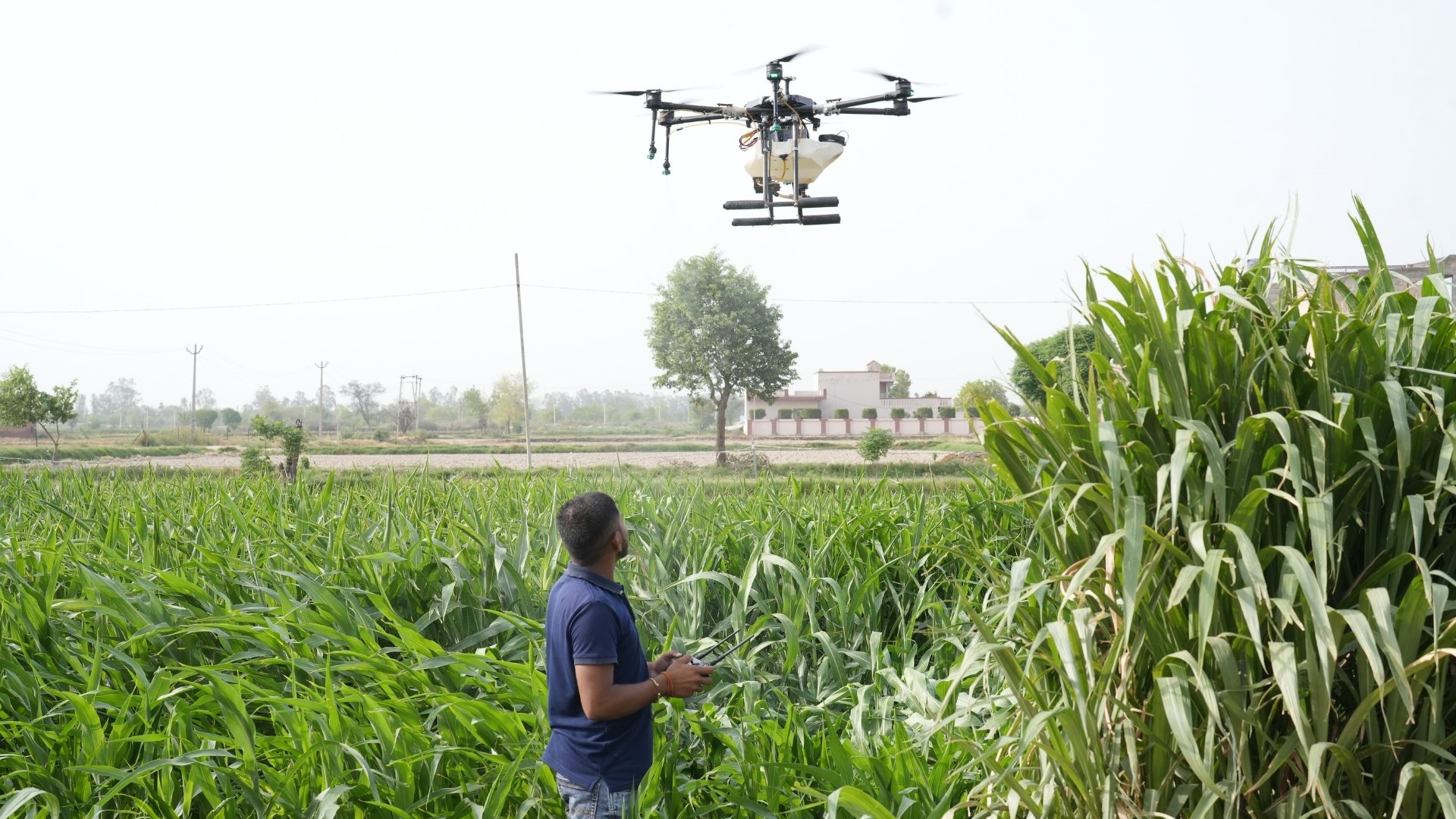
Understanding the classification of plant disease is effective only when it translates into timely field action. Since soil-borne, air-borne, systemic, and region-specific diseases require different control approaches, precision application becomes essential.
Leher’s drone-based spraying supports targeted treatment by applying inputs only where and when needed, reducing chemical misuse and ensuring responses match the disease type and spread pattern.
Here’s how Leher creates real impact:
Proven Scale and Reach: Leher has already sprayed over 35,000 acres across India, partnering with 2,200+ drone operators to serve smallholder farmers, cooperatives, and estates.
Fast and Efficient Spraying: Each drone can spray up to 50 acres a day, with a 10-litre tank, 22-minute flight time, and 45-minute recharge. Spraying takes minutes, not hours.
Lower Chemical Use, Better Results: Farmers using Leher’s drones report up to 75% less chemical residue and 30–50% yield improvements, especially in crops like tea, rubber, and horticulture.
Easy Access Through Mobile Booking: Farmers can book services through the Leher app, WhatsApp, or a centralised call system. Trained, DGCA-certified pilots handle the spraying, and payment is collected only after the job is complete.
Support for Drone Entrepreneurs: Leher empowers rural youth to become drone service providers. Its partner program includes training, financial assistance, and an app to manage daily operations, orders, and payments.
Data-Backed Decision-Making: Every spray is logged through Leher’s Spray Management System. Farmers receive GPS flight paths, chemical usage logs, and auto-generated reports to support subsidy applications and planning.
Want to tackle plant diseases while covering your fields evenly and quickly? Leher’s drones deliver precise spraying up to 40 m AGL and over an operating range of 500 m, reducing chemical use, saving labour, and protecting your crops.
Download the Leher app today on Google Play or the App Store, or join our Drone Partner Program to get started.
FAQs
1. Why is plant disease classification important for large-scale farms?
Plant disease classification helps large farms standardise disease identification across fields. It enables uniform monitoring, comparison across seasons, and quicker decision-making when similar symptoms appear in different crop blocks or locations.
2. Can one plant disease fall under multiple classification categories?
Yes. A single disease can be classified under multiple bases. For example, a fungal wilt may be soil-borne, vascular, endemic to a region, and parasitic, depending on the classification criterion used.
3. How does disease classification help in reducing crop loss timing?
Classification helps identify the likely infection source and early progression pattern. This allows interventions before symptoms intensify, reducing delay-related losses that occur when diseases are treated only after visible damage.
4. Are non-parasitic plant diseases reversible?
Many non-parasitic diseases can be prevented or treated if detected early, especially those caused by nutrient imbalance or moisture stress. Once structural damage occurs, recovery may be partial, and yield impact may persist.
5. How does classification support digital agriculture tools?
Disease classification provides structured data categories that digital tools rely on. It improves accuracy in tagging symptoms, training detection models, and aligning treatment actions with the type and behaviour of the disease.
Let’s Grow Together!
Interested in drone spraying solutions? Connect with us today.