Disease in Paddy Crop: Proven Ways to Protect Yield (2026)
Diseases in paddy crops are a serious but often underestimated threat to farmers. Fields that appear healthy and well-managed can suddenly show yellowing leaves, brown spots, or stunted growth, even when irrigation, fertilisers, and care are properly maintained. Because these symptoms often resemble nutrient deficiencies or environmental stress, the real cause may go unnoticed until a significant portion of the crop is affected.
The challenge is that many paddy diseases, whether fungal, bacterial, or viral, cannot be easily treated once infection sets in. Pathogens can spread rapidly through water, insects like leafhoppers and planthoppers, or contaminated tools, making early detection and timely intervention critical. Without proper preventive measures, infections can silently move across the field, reducing yield and threatening farmers’ livelihoods.
Managing diseases in paddy crops, therefore, depends more on prevention, careful monitoring, and controlling the conditions that promote disease spread. In this blog, we explore the common paddy crop diseases, how they spread, the key symptoms farmers should watch for, and practical steps to protect crop health and maximise yield.
TL;DR
Paddy crops face serious threats from diseases like blast, bacterial leaf blight, sheath blight, and tungro, all of which can reduce yield and grain quality if not controlled early.
Early detection is crucial, as symptoms such as leaf spots, yellowing, wilting, and stunted growth allow farmers to act before infections spread widely.
Weather and field conditions strongly influence outbreaks, with high humidity, standing water, dense planting, and excess nitrogen creating a favourable environment for disease development.
An integrated approach gives the best results, combining resistant varieties, proper spacing, balanced fertilisation, field hygiene, and timely biological or chemical treatments.
Uniform and timely preventive spraying strengthens crop protection by limiting disease build-up and safeguarding overall yield potential.
What Are Paddy Crop Diseases?
Paddy crop diseases are caused by fungi, bacteria, or viruses that interfere with normal growth and reduce yield. Each type of pathogen affects plants differently, and understanding how they work is essential for timely prevention.
Fungal diseases often thrive in warm, humid conditions and attack leaves, stems, and panicles. Common examples include:
Rice Blast: Causes lesions on leaves and nodes, reducing grain formation.
Sheath Blight: Starts on leaf sheaths and spreads upward, killing tissue.
Brown Spot: Forms brown patches on leaves, affecting photosynthesis.
Bacterial diseases spread quickly through water, tools, or human activity, often during the monsoon season. Key examples include:
Bacterial Leaf Blight: Water-soaked streaks along leaf margins that turn yellow and brown.
Bacterial Leaf Streak: Narrow yellow streaks that can merge and damage leaves.
Viral diseases, like rice tungro, are carried by insects such as leafhoppers. They stunt plant growth, cause leaf discolouration, and reduce grain quality.
Unlike fungi or bacteria, viral infections cannot be cured once a plant is infected. This makes prevention, early identification, and control of insect vectors critical for maintaining healthy paddy crops.
Top Paddy Crop Diseases Every Farmer Should Know
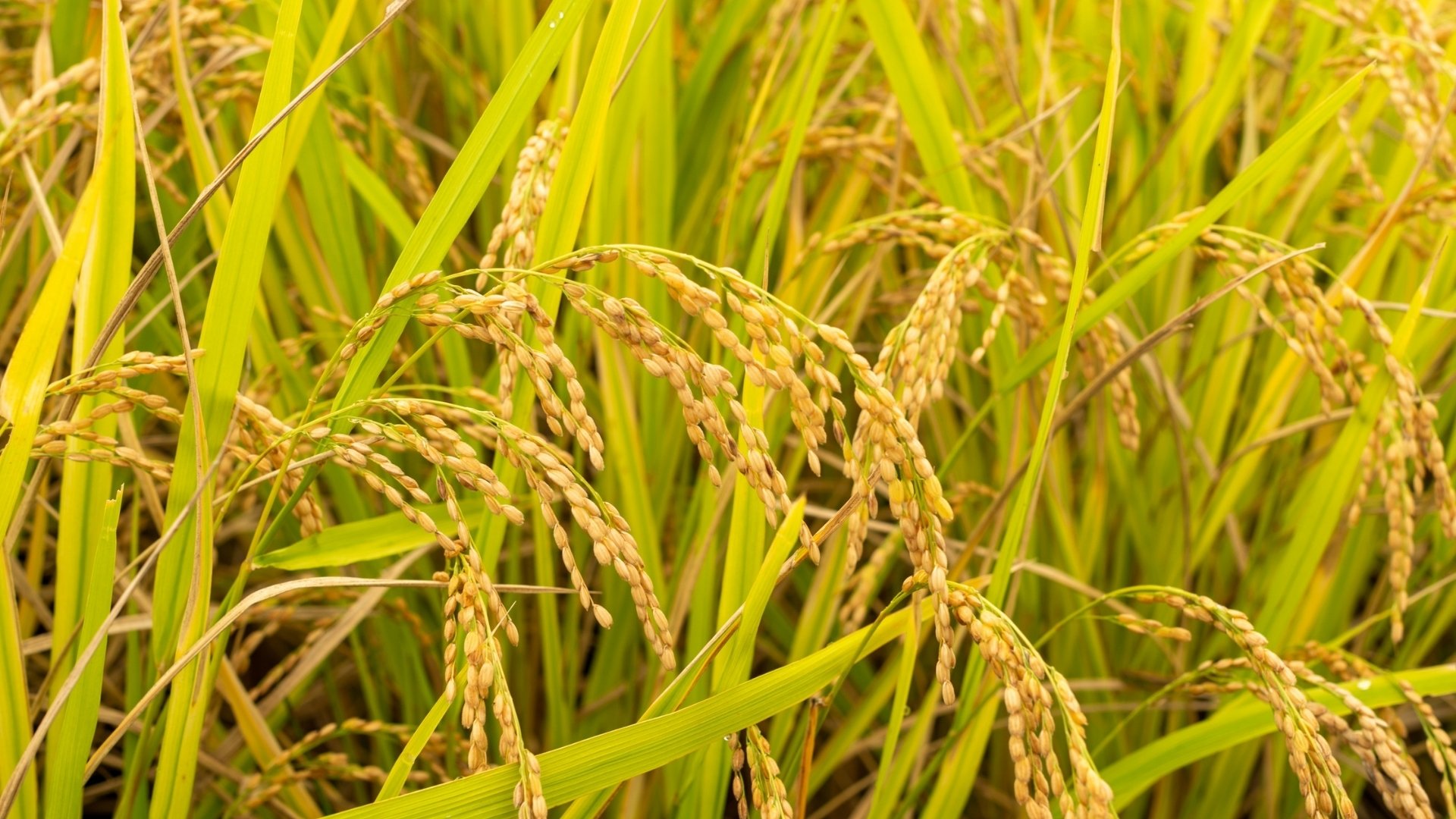
Paddy crops are vulnerable to several major diseases that can significantly reduce yield if not managed properly. Farmers should be able to recognise key infections early and act quickly.
1. Rice Blast
Rice Blast is one of the most destructive fungal diseases in paddy cultivation. It affects leaves, nodes, and panicles and can drastically reduce grain yield if not controlled early.
How it appears in the field:
Grey-centred lesions with brown or reddish edges on leaves
Collapsing nodes and weakened tillers
Panicles may fail to develop grains if infection reaches the reproductive stage
In severe cases, entire patches of the field can turn pale or die
When risk is higher:
Warm, humid weather with frequent rainfall
Dense planting or excessive nitrogen fertilizer
Poor drainage or standing water in fields
2. Sheath Blight
Sheath Blight is caused by Rhizoctonia solani and attacks the leaf sheaths and surrounding tissue. It can spread rapidly under humid conditions, affecting plant growth and yield.
How it appears in the field:
Water-soaked, elongated lesions on lower leaf sheaths
Lesions may merge and form large necrotic patches
Upper leaves eventually show blight, wilting, and yellowing
Infected stems may become soft and prone to lodging
When risk is higher:
High humidity and prolonged wet conditions
Dense planting or thick crop canopy
Overuse of nitrogen fertilisers
3. Brown Spot
Brown Spot is a fungal disease caused by Bipolaris oryzae. It reduces photosynthesis and overall plant vigour, especially during early growth stages, leading to lower yields.
How it appears in the field:
Small to medium brown spots on leaves, sometimes surrounded by yellow halos
Spots may coalesce, causing leaf drying
Severely affected plants may show stunted growth
Infected leaves may drop prematurely, reducing the overall canopy
When risk is higher:
Low nutrient soils, especially potassium deficiency
Cool, wet weather during vegetative growth
Continuous cultivation without crop rotation
4. Bakanae Disease
Bakanae Disease is a seedborne fungal infection caused by Gibberella fujikuroi. It is also known as “foolish seedling” disease because it causes excessive elongation of infected plants.
How it appears in the field:
Tall, spindly seedlings that are weak and prone to lodging
Panicles may not produce grains or may produce empty grains
Plants may appear pale green due to disrupted nutrient transport
Infection can affect clusters of seedlings in patches, spreading quickly
When risk is higher:
Use of infected seeds or untreated seedlings
Warm and humid weather conditions
Poor seed treatment or disinfection before sowing
5. Bacterial Leaf Blight
Bacterial Leaf Blight, caused by Xanthomonas oryzae, is one of the most damaging bacterial diseases in rice. It affects leaf margins and can reduce tillering, grain formation, and overall yield.
How it appears in the field:
Water-soaked streaks along leaf margins that turn yellow and then brown
Leaves may curl or dry from the tip downward
Severe infections cause stunted growth and poor panicle development
Entire fields can be affected during the monsoon if not managed
When risk is higher:
Heavy rainfall or flooding that spreads bacteria
Contaminated irrigation water or infected seedlings
Poor field sanitation and use of unclean tools
6. Bacterial Leaf Streak
Bacterial Leaf Streak is a bacterial disease that affects the leaf tissue and can reduce photosynthesis, ultimately lowering yield if not managed early.
How it appears in the field:
Narrow, yellow streaks running along the leaf veins
Streaks may merge to form larger necrotic areas
Leaves may curl or dry in severe infections
Affected plants often show reduced tillering and vigour
When risk is higher:
Warm, wet weather with high humidity
Use of contaminated seedlings or farm tools
Dense planting that prevents airflow and increases moisture
7. Rice Tungro Virus
Rice Tungro Virus is a viral disease transmitted by leafhoppers and is one of the most serious viral threats in paddy cultivation. It can stunt plant growth and reduce grain quality.
How it appears in the field:
Stunted plants with yellow-orange discolouration of leaves
Poor tillering and reduced panicle formation
Grains may remain underdeveloped or sterile
Symptoms can be patchy across the field, making early detection difficult
When risk is higher:
High leafhopper populations during warm weather
Fields located near previously infected crops
Use of infected seedlings for transplantation
How Diseases Spread in Paddy Fields?

Paddy diseases do not appear randomly. Most infections spread through predictable pathways linked to weather, water, insects, and farm practices. Understanding these routes helps farmers take preventive steps before damage becomes severe.
Through Infected Seeds and Seedlings
Some diseases begin right from the nursery stage. If infected seeds are sown, the disease can establish early and spread as the crop grows.
Common spread situations:
Use of untreated or uncertified seeds
Raising seedlings in infected nursery soil
Transplanting seedlings that already show weak or abnormal growth
Through Water Movement
Since paddy fields are flooded for long periods, water becomes a major carrier of pathogens, especially bacterial and fungal diseases.
Common spread situations:
Irrigation water flowing from infected fields
Poor drainage leading to standing water
Flooding during heavy rainfall spreads pathogens across plots
Through Insect Vectors
Several serious paddy diseases, especially viral infections, depend on insects to move from plant to plant.
Common spread situations:
High populations of leafhoppers and planthoppers
Lack of timely pest monitoring and control
Nearby fields are already affected by insect-borne diseases
Through Wind and Airborne Spores
Fungal diseases can spread when spores travel through the air, especially during humid and windy conditions.
Common spread situations:
Continuous cloudy and humid weather
Close spacing between plants that traps moisture
Fields surrounded by previously infected crop residues
Through Farm Tools and Human Activity
Pathogens can also spread through routine farming activities without farmers realising it.
Common spread situations:
Using contaminated tools in multiple fields
Workers moving from infected plots to healthy ones without cleaning equipment
Handling wet plants during disease outbreaks
Prevention and Management Strategies for Paddy Diseases
Paddy diseases become difficult to control once they are well established in the field. Effective management depends on interrupting the disease cycle early, reducing favourable conditions for pathogens, and ensuring crop protection measures actually reach vulnerable parts of the plant.
Step 1: Stop Diseases Before They Enter the Field
Many serious paddy diseases are introduced at the very beginning through infected seeds or nursery seedlings. Once transplanted, these infected plants act as primary sources that allow pathogens to spread across the field.
What to do:
Use certified, disease-free seeds from reliable suppliers
Treat seeds with recommended fungicides or biological seed treatments
Remove weak, discoloured, or abnormal seedlings before transplanting
Why this matters: Preventing early infection reduces the number of initial disease hotspots that later spread through water, wind, or insects.
Step 2: Reduce Field Conditions That Help Pathogens Multiply
Fungal and bacterial pathogens thrive in fields where humidity remains high, and plant canopies stay wet for long periods. Dense crop growth and excess nitrogen create soft, lush tissue that is more vulnerable to infection.
What to do:
Maintain proper plant spacing to improve airflow
Ensure good drainage to avoid prolonged water stagnation
Apply nitrogen in balanced doses rather than heavy single applications
Why this matters: Less humidity and balanced plant growth make it harder for pathogens to establish and spread rapidly.
Step 3: Break the Carryover of Pathogens Between Seasons
Many disease-causing organisms survive on crop residues, in soil, or on contaminated tools. If not managed, they re-infect the next crop even before new pathogens arrive.
What to do:
Remove or destroy infected crop residues after harvest
Avoid continuous rice cultivation in the same field without rotation, where possible
Clean tools and machinery before moving from infected to healthy fields
Why this matters: Reducing leftover sources of infection lowers the baseline disease pressure at the start of the season.
Step 4: Control Insect Vectors Before They Spread Infection
Insect pests such as leafhoppers and planthoppers are not just yield-reducing pests; they are also carriers of viral diseases like rice tungro. Once insects transmit viruses to plants, there is no direct cure.
What to do:
Monitor insect populations through regular field scouting
Apply recommended pest control measures when economic thresholds are reached
Remove weeds that act as alternate hosts for pests and viruses
Why this matters: Managing insect vectors early prevents viruses from spreading silently across the field.
Step 5: Break the Disease Cycle with Timely and Uniform Spray Coverage
Many paddy diseases begin in the lower canopy, where moisture stays trapped,d and sunlight penetration is low. If sprays only reach the top leaves, pathogens continue multiplying below and re-infect the crop within days.
What to do:
Apply preventive fungicides, bactericides, or biological inputs at recommended crop stages
Ensure droplets reach the inner and lower canopy zones, not just leaf surfaces at the top
Avoid delayed spraying after visible spread, when control becomes more difficult
Precision spraying systems improve droplet distribution across the full canopy, helping protect hidden infection points. This is especially important in dense paddy fields where manual spraying often leaves untreated pockets.
Why this matters: Uniform coverage slows disease multiplication, improves spray effectiveness, and reduces repeated infection cycles.
Early Warning Signs Farmers Should Never Ignore
Paddy diseases rarely damage the entire field overnight. In most cases, small visual changes appear first, but they are often overlooked or mistaken for nutrient deficiencies or minor stress. Identifying these early signals can help farmers intervene before infections spread widely.
Risk: Misidentifying Disease as Nutrient Deficiency
Why it’s serious: Early disease symptoms, such as yellowing or poor growth,h often look similar to nitrogen or micronutrient deficiencies. If farmers only adjust fertiliser instead of investigating the g infection, the disease continues spreading across the field.
Mitigation: Check whether symptoms appear in patches rather than uniformly. Inspect leaves closely for spots, streaks, or lesions, and monitor nearby plants for similar patterns.
Risk: Delayed Action After First Visible Symptoms
Why it’s serious: Many fungal and bacterial diseases multiply rapidly under humid field conditions. Waiting too long after early signs appear allows the pathogen population to build up, making control measures less effective.
Mitigation: Begin recommended crop protection measures at the first confirmed signs of disease, especially before continuous cloudy or wet weather that favours spread.
Risk: Ignoring Insect Population Build-Up
Why it’s serious: Leafhoppers and planthoppers are not just pests; they are carriers of viral diseases such as rice tungro. By the time viral symptoms appear, infection has often already spread to multiple plants.
Mitigation: Regularly scout for insect vectors and manage populations early using recommended integrated pest management practices.
Risk: Poor Spray Coverage in Dense Paddy Canopies
Why it’s serious: Many diseases begin in the lower canopy where humidity is high, and airflow is limited. If sprays only reach the top leaves, pathogens survive below and re-infect the crop.
Mitigation: Use properly calibrated spraying methods that ensure droplets penetrate inner and lower plant zones, not just the upper leaf surface.
Risk: Repeated Disease Outbreaks in the Same Field
Why it’s serious: Pathogens can survive in crop residues, soil, or irrigation water. Without proper field sanitation, new crops become infected early, creating a recurring cycle of disease pressure.
Mitigation: Remove infected residues after harvest, improve drainage, and follow crop rotation or field hygiene practices where feasible.
How Leher Supports Better Disease Management in Paddy Crops
Paddy fields create ideal conditions for disease spread due to standing water, dense foliage, and high humidity. Managing fungal, bacterial, and insect-borne diseases requires timely action and uniform spray coverage. Precision drone spraying helps farmers respond quickly and apply crop protection more effectively across the field.
Here is how Leher supports disease management in paddy cultivation:
Operational scale across farms: Leher has supported spraying across more than 35,000 acres in India through a network of over 2,200 trained drone operators, serving individual farmers, FPOs, and large estates.
Faster response during vector outbreaks: Drones can cover up to 50 acres per day, allowing quicker field coverage when insect populations increase, and virus transmission risk is high.
Improved spray reach within the crop canopy: Sensor-assisted spraying helps droplets penetrate dense foliage and reach leaf undersides where virus-carrying insects often feed and reproduce.
Flexible scheduling aligned with risk periods: Farmers can book services through the app and plan spraying around known vector activity windows, supporting more timely preventive action.
Efficient use of water and inputs: Drone spraying significantly reduces water usage and limits crop disturbance from ground equipment, helping maintain plant health while managing pest pressure.
If you want to understand how drone spraying supports disease management in your paddy fields, download the Leher app (Google Play, Apple Store) or join our Drone Partner program to learn how the drone partner model works in field operations.
FAQs
1. What is paddy, and how is it different from rice?
Paddy refers to rice grains that are still covered with their husk after harvesting. Once the husk is removed through milling, paddy becomes the rice we consume.
2. What type of climate is best for growing paddy?
Paddy grows best in a warm and humid climate with temperatures between 20°C and 35°C. It also requires abundant water, making regions with heavy rainfall or good irrigation ideal.
3. How much water does paddy cultivation require?
Paddy is a water-intensive crop and typically needs 1200–1500 mm of water throughout its growing season. Fields are often kept flooded during key growth stages to support proper plant development.
4. What are the main methods of paddy cultivation?
The two most common methods are:
Transplanting Method: Seedlings are grown in a nursery and then transplanted into flooded fields.
Direct Seeding Method: Seeds are sown directly into the field, reducing labour and water usage.
5. How long does it take for paddy to grow?
Depending on the variety, paddy crops usually take 90 to 150 days from sowing to harvest. Short-duration varieties mature faster, while traditional varieties take longer.
Let’s Grow Together!
Interested in drone spraying solutions? Connect with us today.