Pest Monitoring Guide for Indian Farms: Traditional to Smart
Every year, Indian farmers lose thousands of rupees to pest damage that could have been prevented. The problem isn't the pests themselves; it's detecting them too late. By the time you notice yellowing leaves or wilting plants, the damage is already severe. You end up spraying more pesticides, spending more money, and still watching your yields drop.
Pest monitoring changes this completely. It's your early warning system that spots pest problems before they destroy your crops. The best part? You don't need expensive equipment to start. From simple field inspections to advanced drone surveillance, there's a monitoring method that fits your farm size and budget.
This guide walks you through every pest monitoring technique available to Indian farmers today. You'll learn what works, what doesn't, and how to build a practical monitoring system that saves you money while protecting your crops.
Key Insights
Regular monitoring helps you spray only when needed, reducing input costs by up to 40% and preventing widespread crop damage.
Using visual scouting, trap systems, and modern technology together gives you complete pest intelligence across your entire field.
Drones can survey up to 50 acres per day, while AI apps instantly identify pests from photos, making monitoring faster and more accurate.
Integrated Pest Management uses monitoring data to apply precise treatments, cutting water usage by 90% and overall costs by 20%.
India's 36 Central Integrated Pest Management Centres offer free training, bio-control agents, and surveillance services to help farmers adopt better practises.
Why Pest Monitoring Matters for Your Farm
Indian agriculture loses billions annually to pest damage. Small farmers suffer the most because they lack timely information about pest populations. Without proper monitoring, you're flying blind, wasting money on unnecessary spraying or applying pesticides too late when damage is already done.
Here's what happens without pest monitoring:
You spray on fixed schedules, whether pests exist or not. This wastes money on chemicals, fuel, and labour. It kills beneficial insects that naturally control pests.
You discover problems too late. Visible damage means pest populations have already exploded. By then, you need multiple applications, yet you still face yield losses.
You harm your soil and future crops. Excessive pesticide use kills helpful soil organisms and creates resistant pest populations that become harder to control each season.
You risk health problems. Unnecessary chemical exposure affects farm workers and families. Proper monitoring reduces this by limiting spraying to when it's truly needed.
Pest monitoring solves these issues. It tells you exactly when pests reach the Economic Threshold Level (ETL), is the pest population point at which the cost of control is less than the expected loss from pest damage, guiding farmers to act only when economically justified. Below this threshold, doing nothing is the smart choice. Above it, you act immediately.
Understanding Pest Types and Their Damage
Before monitoring, you need to know what you're looking for. Indian farms face four main pest categories, each requiring different monitoring approaches.
Chewing pests like caterpillars, beetles, and grasshoppers eat plant tissue directly. Look for holes in leaves, missing plant parts, or visible larvae feeding on crops.
Sucking pests, including aphids, whiteflies, jassids, and thrips, pierce plants and extract sap. They cause leaf yellowing, curling, and stunted growth, and transmit viral diseases that devastate entire fields.
Boring pests such as shoot borers, fruit borers, and stem borers tunnel inside plant parts. Early detection is critical because internal damage isn't visible until it's severe.
Storage pests, such as weevils and grain moths, attack harvested crops. Post-harvest monitoring protects your income after months of hard work.
Each pest responds differently to monitoring tools. Borers need careful visual inspection, flying pests respond to light traps, and specific insects are caught by pheromone traps. Understanding your target pest makes monitoring effective.
Also read: How to Spray Pesticides Safely on Crops.
Traditional Pest Monitoring Methods
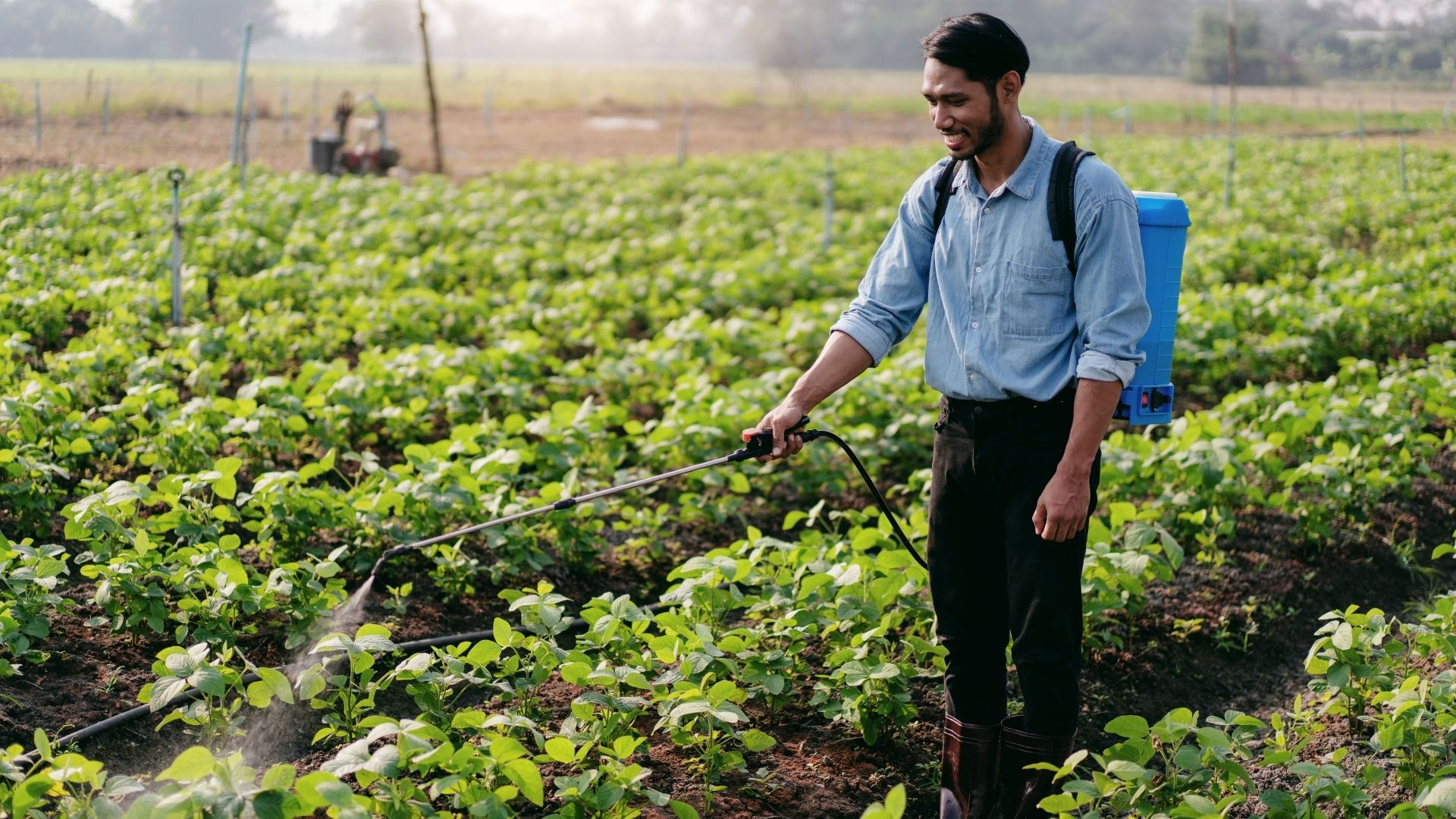
Traditional methods remain the backbone of effective pest surveillance. They're affordable, proven, and work for farms of any size. Master these basics before adding advanced technology.
Visual Scouting
Walk through your field in a 'W' or 'V' pattern, checking 10-20 plants at multiple locations. Examine all plant parts, leaves (both sides), stems, flowers, and fruits. Look for pests, eggs, damage signs, webbing, sticky honeydew, and insect droppings.
Scout at least twice weekly during critical growth stages. Early morning or late evening works best when pests are most active. Cost: Only labour time (₹300-500 per day for a worker).
Light Traps
UV or fluorescent lights attract nocturnal flying insects. Moths, beetles, and other night-active pests are drawn to the light and fall into a collection chamber. Count insects each morning to track population trends.
A spike in moth counts warns of upcoming caterpillar infestations; female moths lay eggs that hatch into crop-damaging larvae. Place 2-3 solar traps per 10 acres at 3-5 feet above ground. Cost: ₹3,000- ₹ 8,000 for solar models with no running expenses.
Sticky Traps
Coloured boards coated with non-drying glue attract specific pests. Yellow traps catch whiteflies, aphids, and leaf miners. Blue traps work for thrips. Hang at crop canopy height, spacing traps 15-20 metres apart.
Check every 2-3 days, count insects on both sides, and record numbers. Rising counts indicate growing populations. Clean and re-coat every 7-10 days. Cost: ₹40-80 per trap; initial investment of ₹500-1,000 per acre.
Pheromone Traps
Synthetic pheromones mimic female insects to attract males of specific pest species. Unlike general traps, these target a single pest, giving you accurate counts without confusion from other insects.
Available for major pests: cotton bollworms, fruit borers, shoot borers, pod borers, stem borers, and fruit flies. Hang at 1-1.5 metres height, change lures every 3-4 weeks, and count weekly. Many pests have specific thresholds, for example, 4-5 male moths per trap signals action time.
Ready to act on your monitoring data? Leher provides precision drone spraying services that target pest hotspots identified through your monitoring efforts. With pay-per-acre pricing from ₹300-700, you spray only where needed, saving up to 40% on input costs.
Modern Pest Monitoring Technologies
Technology makes pest monitoring faster, more accurate, and easier, especially on medium- and large-scale farms. These tools support, not replace, traditional methods.
AI Pest Identification Apps
AI apps analyze pest images using trained algorithms to identify species, estimate infestation severity based on pest density and damage signs, and recommend control measures accordingly. Some also send location-based outbreak alerts.
Example: Maharashtra’s MAHAVISTAAR app offers AI pest ID and control tips.
IoT Smart Traps
Smart traps use sensors and cameras to count pests automatically and send data to your phone. They cut labour and provide real-time threshold alerts.
Best for: 20+ acre farms or high-value crops
Cost: ₹8,000–25,000 per trap
Drone Surveillance
Drones scan large fields in minutes, spotting pest stress early using high-resolution or multispectral cameras. GPS maps highlight hotspots so you can target scouting and spraying precisely.
National Pest Surveillance Systems
India’s National Pest Surveillance System uses AI and geospatial data to give district-level forecasts and early warnings.
Central Integrated Pest Management Centres (CIPMC) across 28 states provide surveillance support, bio-control agents, and free/subsidised training through state agriculture departments.
Integrated Pest Management: Monitoring in Action
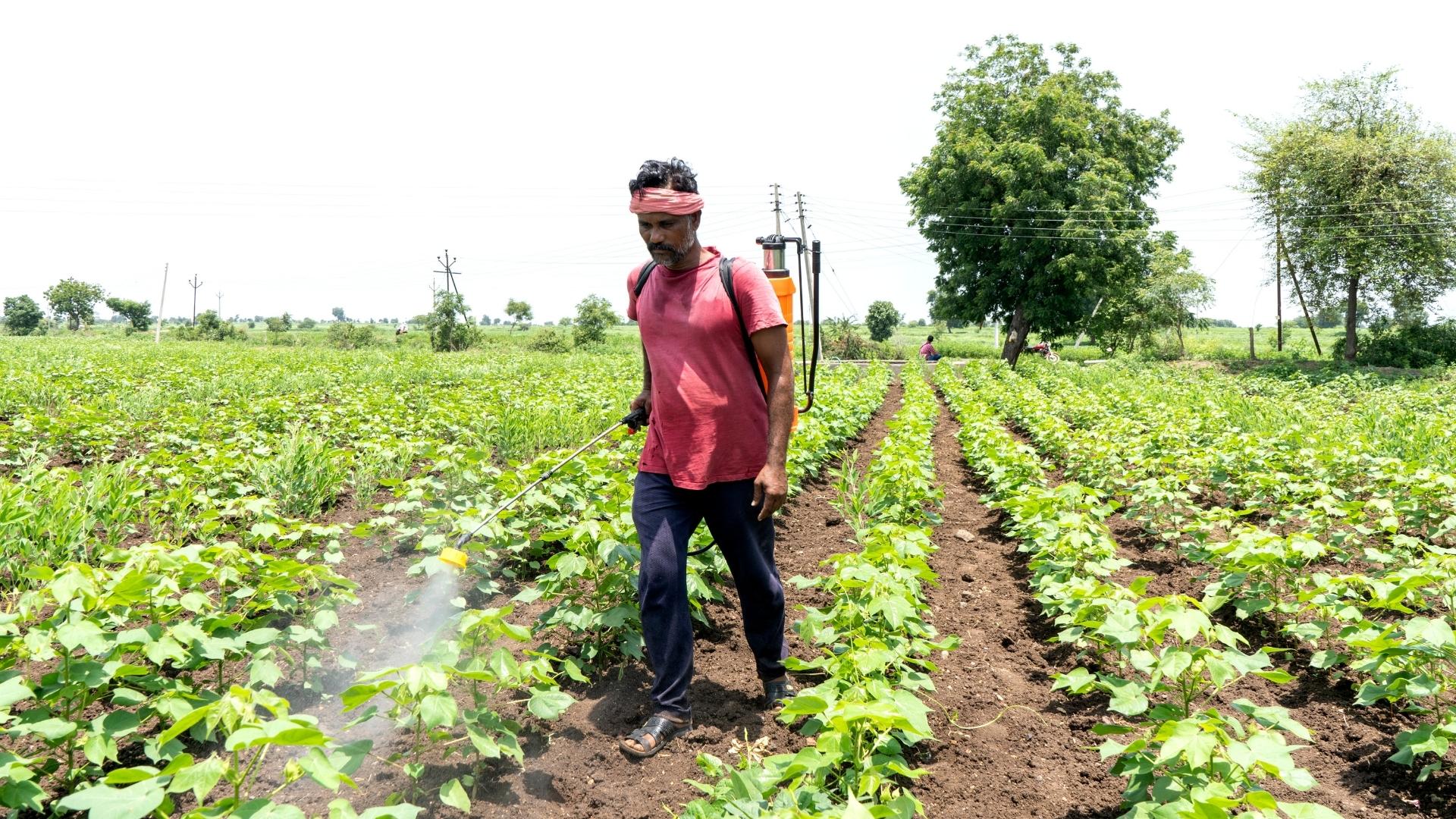
Integrated Pest Management (IPM) uses monitoring data to make informed decisions rather than automatically spraying pesticides. It combines prevention, regular monitoring, accurate identification, threshold-based action, and appropriate control methods.
Integrated Pest Management (IPM) is a systematic approach combining prevention, monitoring, accurate pest identification. The threshold-based interventions, and use of biological, cultural, and chemical controls to save costs and protect crops and the environment.
Prevention First
Start before pests appear. Choose pest-resistant crop varieties, practise crop rotation to break pest life cycles, and maintain field sanitation by removing crop residues where pests breed. Proper irrigation and nutrition make plants naturally more pest-resistant.
Monitor Regularly
Use scouting, traps, and technology to track pest numbers over time. Understand pest life cycles to identify critical monitoring periods. Consistent data collection is the foundation of IPM success.
Identify Accurately
Confirm pest identity before deciding control measures. Not all insects are pests; many beneficial predators eat harmful pests. Ladybugs, lacewings, and parasitic wasps are natural allies. Killing them makes pest problems worse.
Understand Thresholds
Every pest has an economic threshold level. Below this, doing nothing is the right decision because control costs exceed potential crop loss. Monitor data shows when you cross thresholds requiring action.
For example, cotton tolerates some aphids without yield loss. Action is needed only when populations exceed 10-15 aphids per leaf. Without monitoring, you might spray unnecessarily or wait too long.
Choose Appropriate Control
When action is necessary, IPM follows a ladder approach:
Cultural and mechanical control: Hand-picking large caterpillars, installing bird perches to attract natural predators, or using water sprays to dislodge aphids.
Biological control: Release beneficial insects, apply microbial pesticides like Bacillus thuringiensis (Bt), or use neem-based products with low environmental impact.
Chemical pesticides: Apply only if other methods fail. Use precise amounts based on monitoring data, target specific areas rather than entire fields, and time applications when pests are most vulnerable.
Precision Application with Leher
Leher's drone technology fits perfectly into IPM philosophy. Based on monitoring data, drones spray only affected areas, no wasting chemicals on pest-free zones. Advanced sensors ensure uniform application at correct rates and precise targeting.
Drone spraying saves up to 90% of water and provides 40% savings in input costs compared to traditional methods. Fewer chemicals mean less environmental impact while maintaining control effectiveness. No human exposure to pesticides during application, drones provide the safest spraying mechanism available.
Speed matters when monitoring indicates action is needed. Drones complete spraying in just 5 minutes per acre. Book through the Leher app when your monitoring shows intervention is necessary. The pay-per-acre model aligns perfectly with need-based IPM applications, pay only for what you need, when you need it.
Also read: IoT-Based Drones for Smart Agriculture and Crop Quality Improvement.
Building Your Pest Monitoring Plan
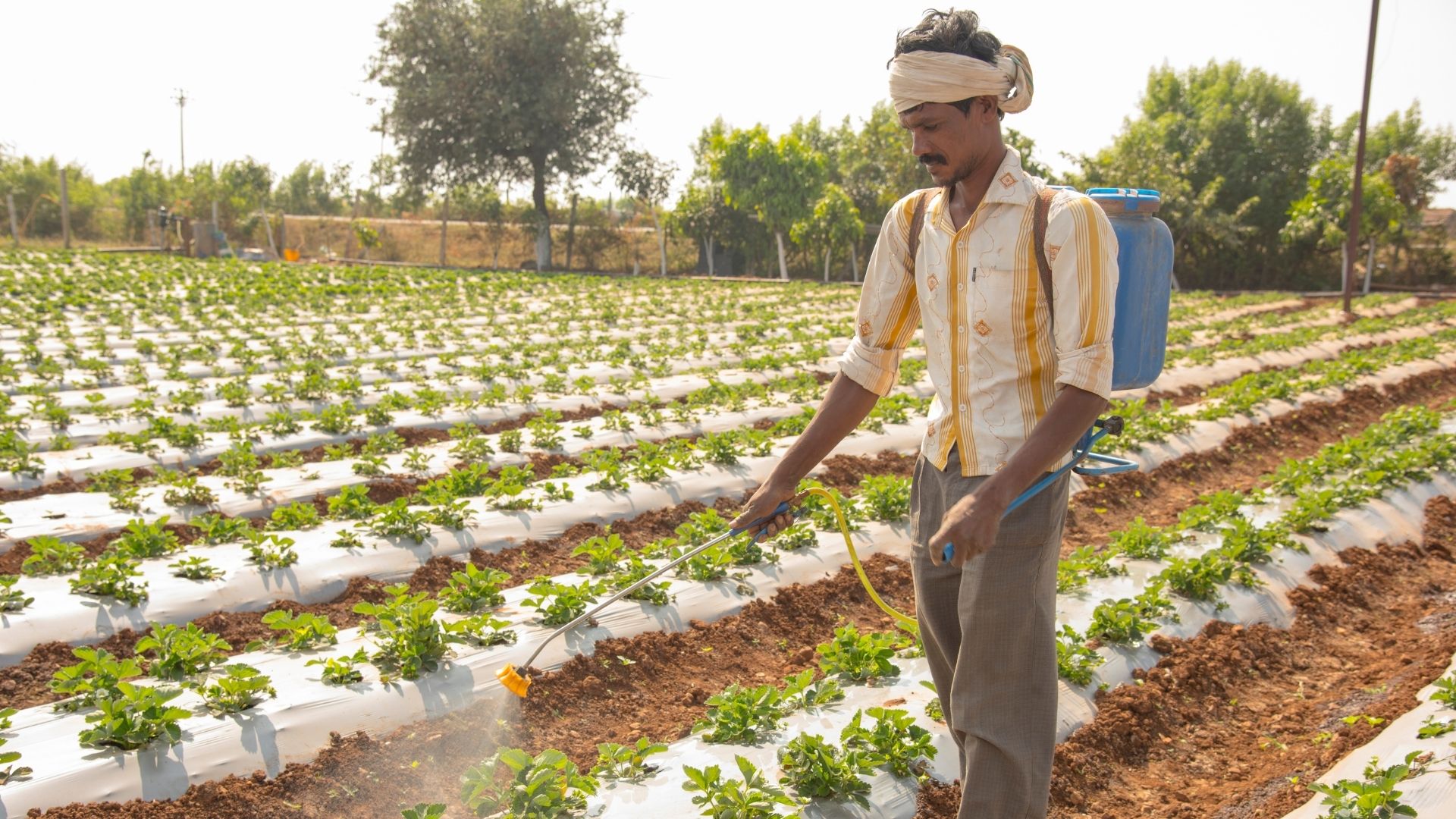
You don’t need complex tools to build a reliable pest monitoring system. Use these simple steps, tailored to your farm's size and budget.
1. Identify Key Pests
List the 3–4 pests that cause the most damage to your crops.
Cotton: bollworms, whiteflies, aphids
Vegetables: fruit borers, leaf miners
Ask neighbouring farmers, extension officers, or CIPMC for region-specific pest info.
2. Choose Methods Based on Farm Size
Small farms (<10 acres):
Visual scouting twice a week
6–8 sticky traps, 2–3 pheromone traps
Cost: ₹1,500–3,000
Medium farms (10–30 acres):
Scouting + 15–20 sticky traps, 5–8 pheromone traps
Add 2–3 light traps, consider hiring a scout.
Budget: ₹5,000–10,000
Large farms (>30 acres):
Scouting + traps + drone surveys
IoT traps for continuous monitoring
3. Install Traps Well
Place traps along field edges and inside the field. Mark locations on a map for consistency. Keep a notebook or mobile sheet to log dates, locations, and pest counts.
4. Set a Monitoring Routine
Daily: Quick plant checks
Twice weekly: Full scouting + trap checks
Weekly: Count pheromone trap catches, replace sticky traps
As needed: Drone surveys during critical stages
5. Learn Threshold Levels
Use Economic Threshold Levels (ETLs) to decide when to act. Examples:
Cotton aphids: 10–15 per leaf
Rice stem borers: 5–10% damaged tillers
Tomato fruit borers: 10% fruit damage or 5 larvae/plant
Cabbage DBM: 0.5 larvae/plant
Check local recommendations for exact ETLs.
6. Take Action
When pests approach thresholds, choose control methods, start with low-impact options. If using chemicals, plan timing and application carefully.
7. Check Results
Keep monitoring after treatment to confirm control. Repeat or adjust methods if pest levels stay high.
Monitoring shows it's time to spray, but unsure about the best method? Leher makes precision spraying effortless. Book through the app, a certified pilot arrives, and your crop receives the exact protection it needs. Simple workflow: book, spray, pay.
Also read: Pest Management Strategies for Sugarcane Crop.
Seasonal Pest Monitoring Guide
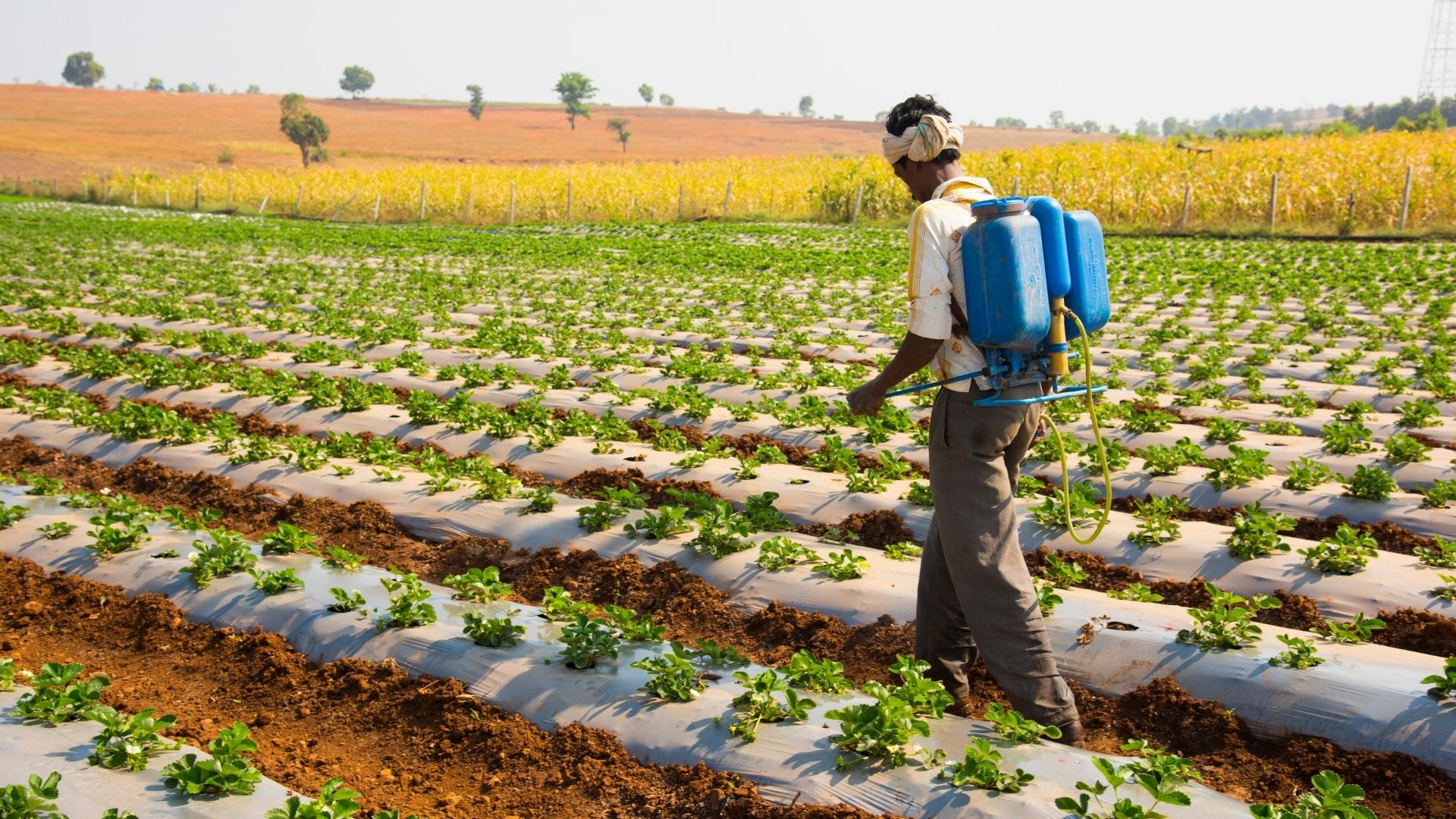
Pest pressure changes with seasons and crop stages. Adjust your monitoring intensity and focus based on these patterns.
Kharif Season (June-September)
Heavy monsoon encourages fungal diseases and sucking pests. Whiteflies, aphids, and jassids thrive in humid conditions. Monitor closely after rainfall. Watch for caterpillar buildup on cotton, pulses, and vegetables.
Focus on leaf-feeding pests during vegetative growth. As crops flower and fruit, shift attention to borers and fruit-damaging pests. This is when precision control matters most.
Rabi Season (October-February)
Cooler, drier conditions favour different pest complexes. Aphids become problematic on wheat, mustard, and chickpea from the late vegetative stage through flowering.
Pod borers attack chickpea, pigeon pea, and other pulses during pod formation, the most critical stage to protect.
Summer/Zaid Season (March-May)
High temperatures stress plants, making them vulnerable. Thrips and mites multiply rapidly in hot, dry weather. Increase monitoring frequency as conditions favour explosive pest growth.
Fruit flies and shoot borers target summer vegetables and cucurbits. Pheromone and sticky traps work well for early warning.
Pre-Planting Period
Monitor for soil pests like termites, root borers, and nematodes. Check previous crop residues for carryover pests. This is the best time for preventive measures such as field cleaning, soil treatment, and the selection of resistant varieties.
Conclusion
Pest monitoring protects your investment and maximises returns. From simple visual checks to advanced drone surveillance, there are multiple methods that fit different farm sizes and budgets. The goal remains the same: detect pests early, understand population levels, and make informed decisions.
This approach saves money on unnecessary spraying, protects beneficial insects, reduces environmental damage, and improves yields and profits. Start with basic methods, add sophistication as you gain experience, and watch your results improve season after season.
When monitoring indicates control is needed, modern precision technology makes application effortless. The combination of good monitoring data and precise spraying delivers maximum effectiveness with minimum input waste, exactly what Indian agriculture needs.
Your crops deserve protection. Your investment deserves returns. Smart pest monitoring combined with precision control delivers both. Download the app and book your first session with Leher today.
Need expert support implementing these technologies? Visit Leher's website to explore how certified drone operators can handle your monitoring and spraying needs, so you focus on farming while technology protects your crops.
Frequently Asked Questions (FAQs)
Q1: How often should I monitor my fields for pests?
A1: Monitor at least twice weekly during the growing season, especially during critical stages like flowering and fruiting. For high-value crops or during outbreak seasons, increase frequency to every 2-3 days. Quick daily checks during regular field visits help catch sudden changes.
Q2: Can I use multiple pest monitoring methods together?
A2: Yes, combining methods gives the best results. Use visual scouting for overall assessment, sticky traps for continuous monitoring of flying pests, pheromone traps for specific targets, and occasional drone surveillance for complete coverage. Each method has strengths; they provide comprehensive pest intelligence.
Q3: Are pheromone traps expensive to maintain?
A3: Pheromone traps are quite affordable. The initial trap cost is ₹150-300, and lure refills cost ₹100-200 per month. For 10 acres, expect ₹1,500-2,500, with monthly maintenance of ₹800-1,200. Considering the crop damage they help prevent, ROI is excellent.
Q4: How do I know when pest numbers require control action?
A4: Use Economic Threshold Levels (ETL) specific to each pest and crop. For example, cotton aphids need control at 10-15 per leaf, while rice stem borers require action at 5-10% damaged tillers. Contact your state agriculture department, local CIPMC, or agricultural university for specific ETLs.
Q5: Can small farmers afford drone-based monitoring and spraying?
A5: Yes, Leher's pay-per-acre model makes drone services affordable even for smaller farms. At ₹300-700 per acre, the cost is competitive with traditional spraying while delivering precision application, up to 90% water savings, a 40% reduction in input costs, and overall cost savings of around 20%.
Q6: What is Integrated Pest Management, and how does monitoring fit in?
A6: IPM combines multiple pest control methods to reduce pesticide use while protecting yields. Monitoring is its foundation; it provides the data needed to decide when and how to act. IPM uses cultural practises, biological control, resistant varieties, and targeted chemicals only when pest levels cross thresholds. This lowers costs, safeguards beneficial insects, and reduces environmental impact.
Let’s Grow Together!
Interested in drone spraying solutions? Connect with us today.