A Complete Guide To Agritech: Definition, Role, And Challenges
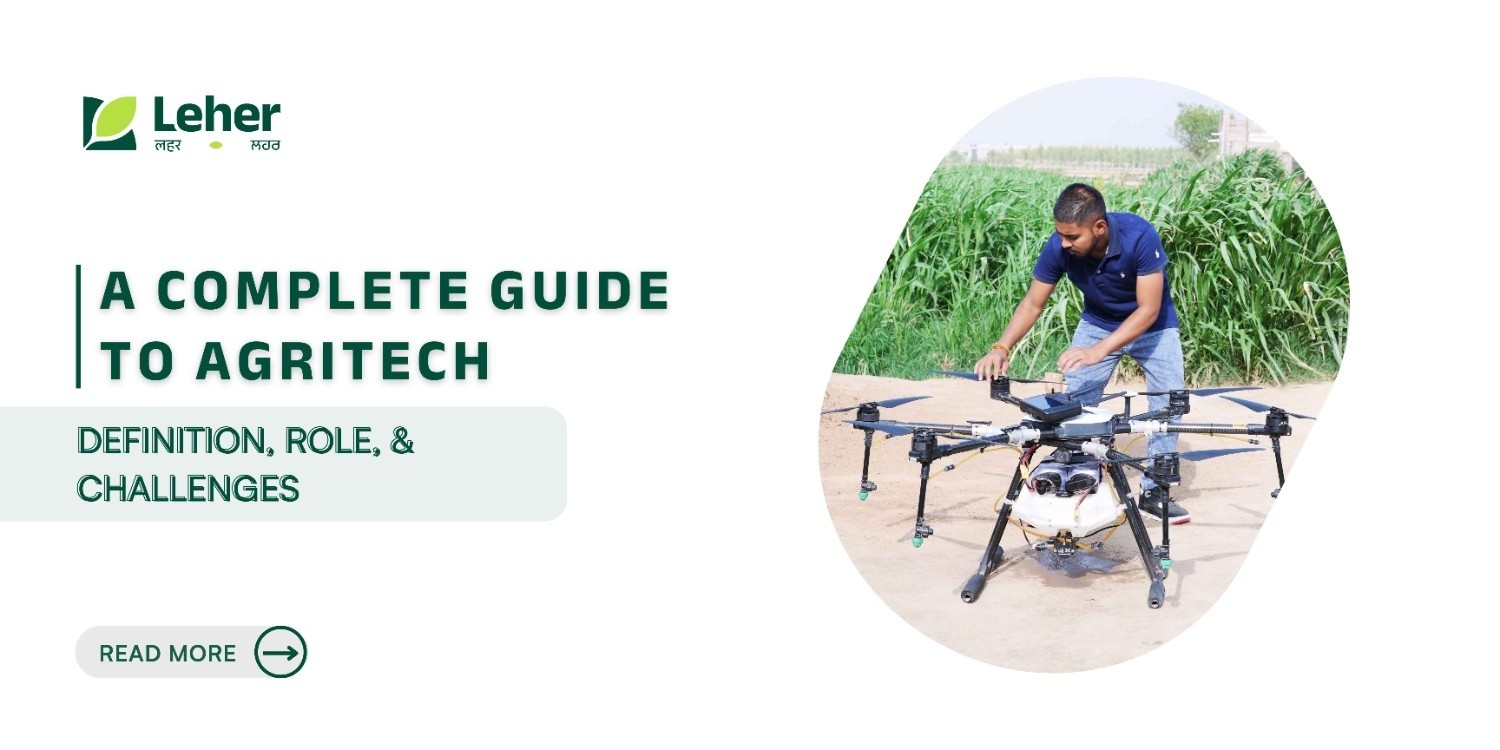
Managing a farm today feels like an uphill battle. You face labour shortages that delay crucial tasks like spraying. The rising cost of pesticides and water squeezes your profits, while unpredictable weather makes planning difficult. These struggles impact your final yield and your peace of mind.
Agritech offers practical solutions to these deep-rooted problems. This growing sector in India now comprises over 4.12K companies, demonstrating a major shift towards technological farming. From drones for precision spraying to software for crop management, agritech provides the tools you need to farm smarter.
This guide explains what agritech means for Indian farmers, its core definition, its direct role in making farming more efficient, and the key benefits it offers. You will also learn about the specific challenges in its adoption and the initiatives the Indian government is taking to support this vital sector.
Key Takeaways
Agritech uses tools like drones and software to make farming more precise and sustainable. It directly tackles problems like labour shortages and high costs for farmers.
Its main role is enabling precision farming. This means using data to apply water and chemicals only where needed, while also automating slow manual tasks.
Farmers see clear financial benefits from agritech. It cuts input costs like pesticides and boosts crop yield through targeted care.
Agritech promotes sustainability by managing resources precisely. This conserves water, reduces pollution, and shrinks farming's carbon footprint.
In India, adoption faces real barriers. These include high startup costs, low digital literacy, and poor rural internet connectivity.
Government programs and services like Leher make agritech accessible. They offer pay-per-use drone spraying so farmers can benefit without a large upfront investment.
What Is Agritech
Agritech, short for agricultural technology, is the application of innovation and technology to improve the efficiency and output of agricultural processes. It represents the crucial link between farming and the digital world, covering the full spectrum of activities from planting to harvest and post-harvest management.
Agritech provides farmers with tools to make data-driven decisions about when and how to apply inputs like water and pesticides. This approach makes farming operations more precise, productive, and environmentally sustainable.
Here is a quick overview of the key Indian agritech market insights:
Aspect | Details |
Market Size | Valued $878.1 million |
Forecasted Market Size | Expected to reach ~$6.15 billion by 2033 |
Growth Rate (CAGR 2025-2033) | |
Key Technologies | IoT & Sensors, Drones & UAVs, AI & Machine Learning, Big Data Analytics, Biotechnology. |
Leading Application | Precision Farming, due to its role in optimizing resources and increasing yields |
Also Read: How to Obtain a Drone Flying License in India?
Now that you understand the basic definition, let us look at the practical roles agritech plays in the daily management of your farm.
What Is The Role Of Agritech In Agriculture
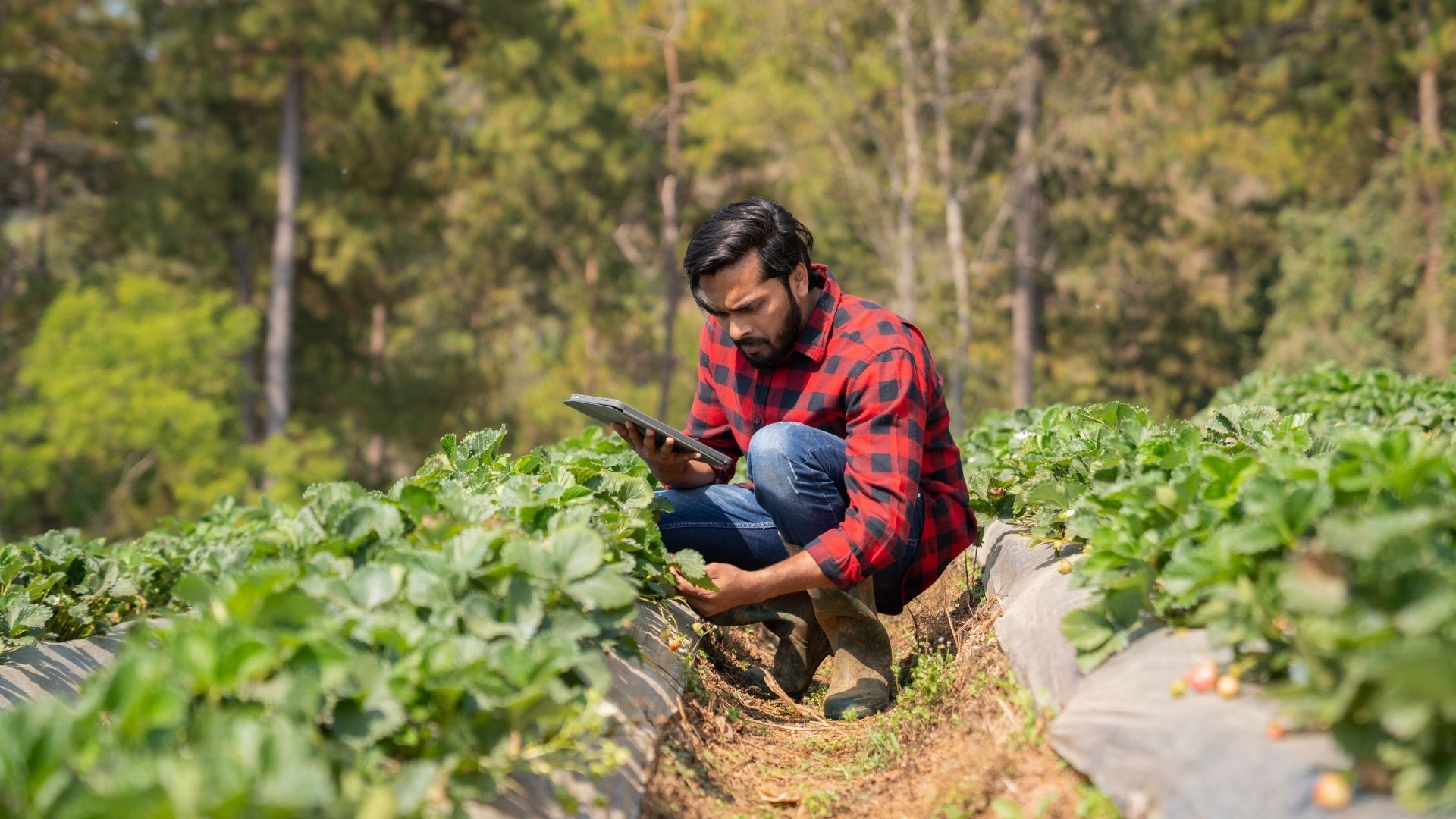
Agritech transforms traditional farming into a precise, data-driven operation. It moves beyond guesswork to provide clear insights and automated solutions for the entire crop cycle. This technology actively tackles the core inefficiencies you face every day.
The primary roles of agritech in modern agriculture include:
Enabling Precision Farming
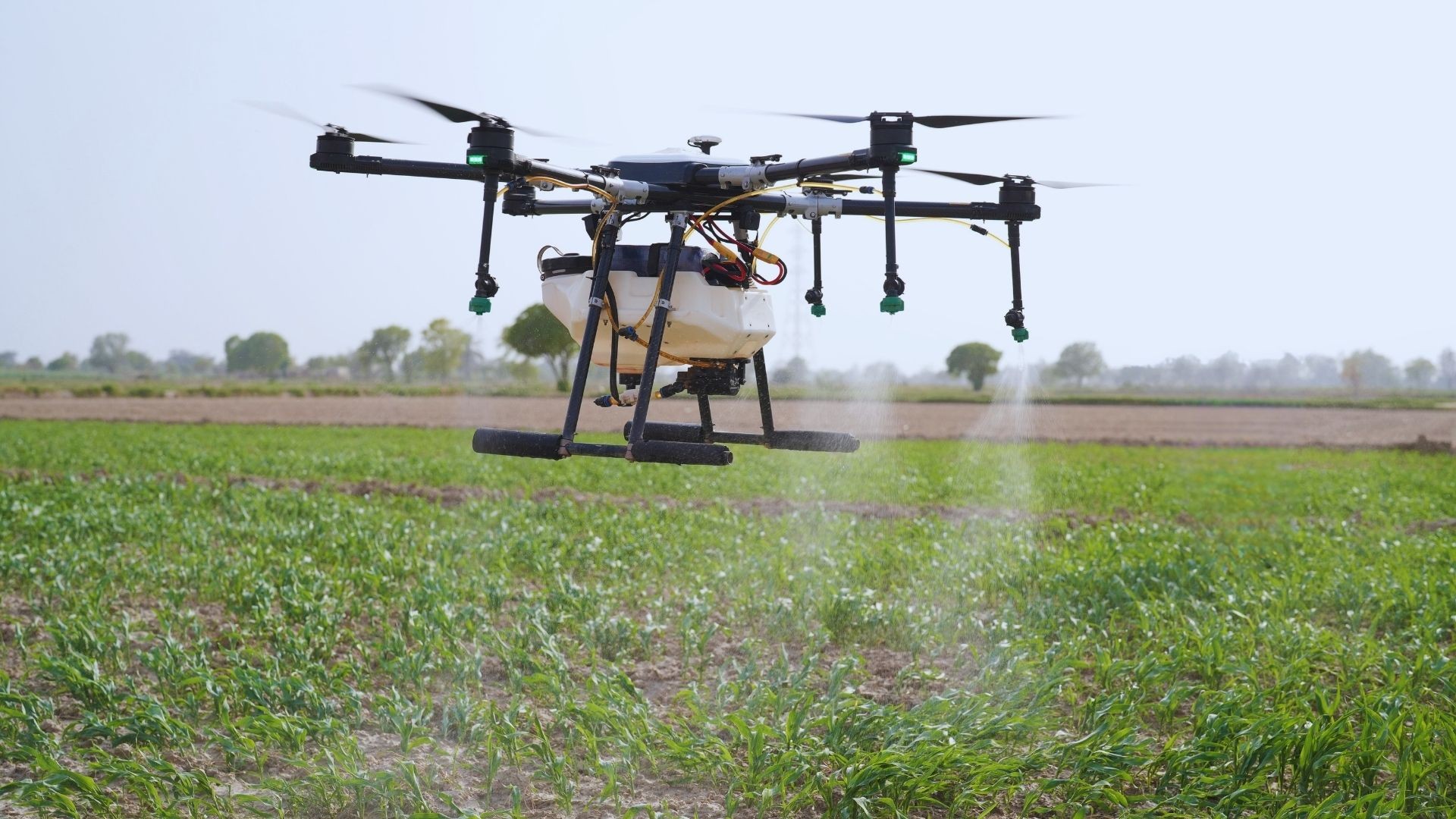
Agritech allows you to apply water, fertilisers, and pesticides only where needed. Drones with GPS maps ensure no area is missed or over-sprayed. This precision prevents waste and protects your soil health.
Facilitating Data-Driven Decisions
Sensors and monitoring tools collect real-time information on your soil and crops. You can then use this data to decide the best time to irrigate or treat a pest problem. This removes uncertainty from your farm management.
Automating Labour-Intensive Tasks
Technology takes over difficult and time-consuming jobs. Autonomous drones can spray a large field in minutes instead of hours. This solves your labour shortage issues and frees up your time.
Improving Supply Chain Transparency
Agritech connects farmers directly with markets through digital platforms. You can get better price information and track your produce from your field to the buyer. This reduces your dependence on middlemen.
For example, a wheat farmer used to rely on manual spraying, which took 5 days for his 15-acre field and often led to uneven coverage. By adopting drone technology, he now completes the same task in under 3 hours with perfect uniformity, saving thousands on chemicals and protecting his crop's health.
Also Read: Precision Agriculture Definition: Benefits, Techniques
Defining the roles is essential, but what's the direct payoff? These technological roles translate into tangible, measurable benefits that directly impact your farm's profitability.
3 Key Benefits Of Agritech Adoption
Adopting agritech solutions brings tangible, measurable benefits that directly impact a farmer’s profitability and sustainability. These technologies help farmers run their operations more like a business by providing reliable data and automation.
The outcome is not just more produce, but a healthier and more resilient farm ecosystem. Agritech provides specific, high-impact advantages to modern farming operations:
Substantial Reduction in Input Costs
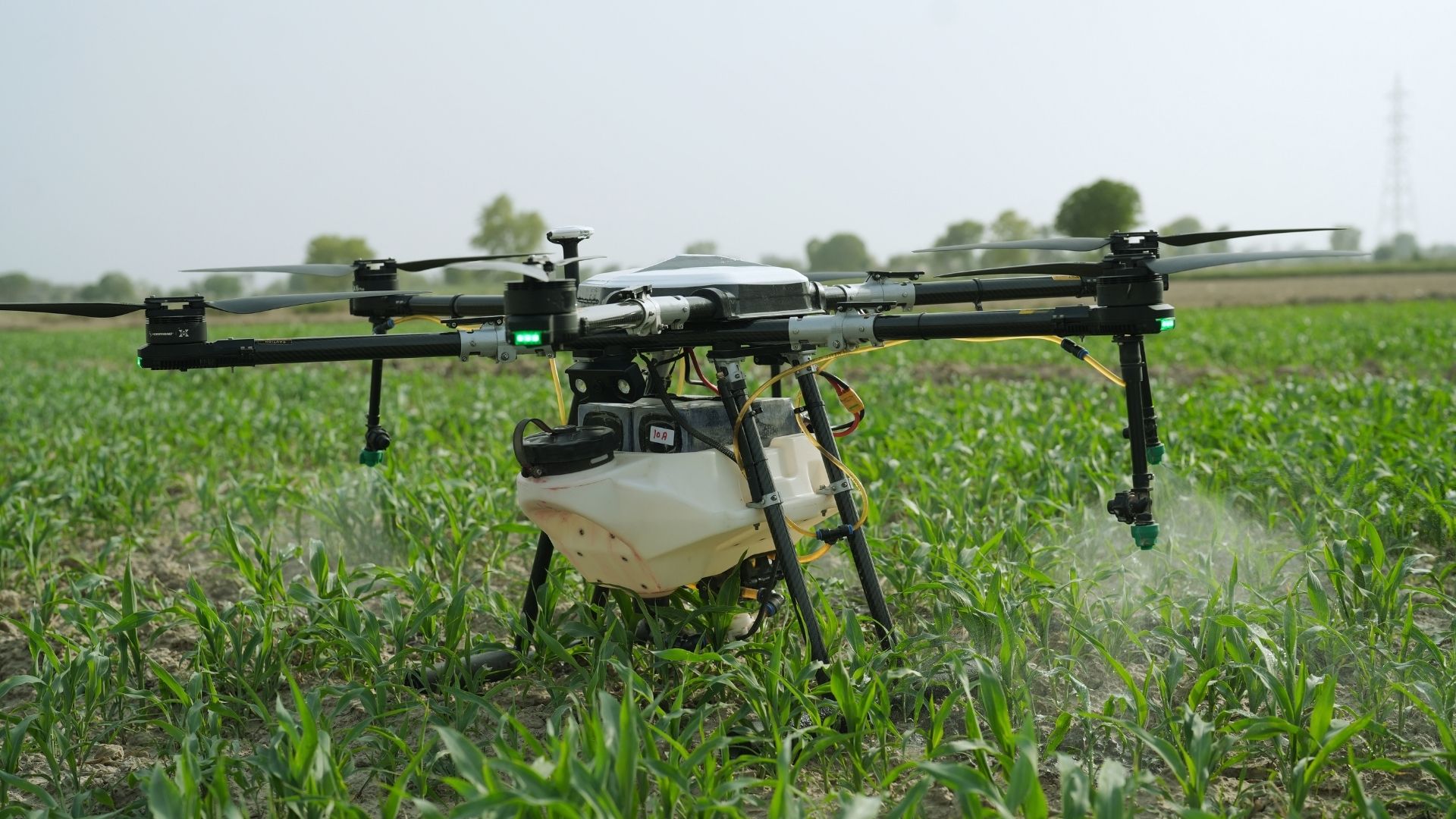
Technologies like variable rate application reduce the excessive use of expensive inputs such as pesticides and fertilisers. Precision spraying, for instance, cuts chemical consumption by ensuring that every drop reaches the target area, leading to significant savings on a farmer's budget.
Example: Indian studies have shown drone spraying can reduce pesticide use by up to 30%, resulting in substantial savings for farmers, along with lower chemical runoff and soil contamination.
This targeted application ensures pesticides are used only where needed, directly translating into cost reductions for Indian farmers, especially those in sustainability-focused regions.
Tired of high chemical costs? Find out how Leher can save you up to 30% on pesticides by contacting us today.
Increased Crop Yield and Quality
By accurately diagnosing issues like pest attacks, nutrient deficiencies, or irrigation needs, agritech helps farmers intervene exactly when and where necessary. This targeted care minimises crop stress and promotes uniform growth, leading to higher overall harvest volumes and improved product quality.
Example: Drone monitoring enables early detection of pest outbreaks and nutrient deficiencies, so interventions occur only when and where they are required, minimizing crop stress and ensuring uniform growth. Leher’s has covered over 35,000 acres in India, serving more than 2,200 farmers with consistent results.
Time Savings and Labour Management
Automated machinery, remote monitoring tools, and service platforms greatly reduce the time required for manual tasks like field scouting and spraying. This is crucial in addressing India's chronic labour shortages, freeing up existing manpower for other critical, high-value farm activities.
Example: Leher’s technology reduces manual fieldwork by enabling a single drone team to cover up to 50 acres in a single day, work that would take days to complete by hand.
Indian farmers, especially in labour-shortage areas, benefit by reallocating their saved time to higher-value tasks, making farm operations more efficient and less dependent on scarce manual labour.
You now see the financial and efficiency gains, but adopting agritech also means becoming a better land steward by protecting the environment and your vital resources.
What Is Agritech's Impact On The Environment
Agritech helps farmers protect the environment by replacing wasteful practices with precise, data-driven methods. It uses tools like drones and sensors to apply water and chemicals only where needed.
This approach cuts pollution, conserves vital resources, and reduces the carbon footprint of farming. Key technologies driving this positive change include:
Precision Resource Management
Drones and sensors monitor field conditions in real time. This data ensures water and chemicals are applied only where necessary. This precision prevents waste and stops harmful runoff from polluting soil and water.
Reducing Greenhouse Gases
Agritech tools help lower farm emissions. Smart systems manage fertiliser use to reduce nitrous oxide release. They also support practices that help soil capture more carbon from the atmosphere.
Promoting Biodiversity
Technology enables targeted pest control instead of blanket spraying. Robots can remove weeds mechanically, cutting herbicide use. This protects pollinators and other beneficial insects, supporting a healthier farm ecosystem.
Also Read: The Role of Drones to Detect Pests for Agriculture in India
The path to cleaner, more efficient farming is clear, yet farmers must first handle some real challenges related to cost and technical knowledge.
What Are Some Challenges In Agritech Adoption
Despite the clear benefits, the widespread adoption of agritech in India faces several practical and economic hurdles. Overcoming these challenges is key to ensuring that the benefits of modern technology reach all segments of the farming population, especially smallholders who make up the majority.
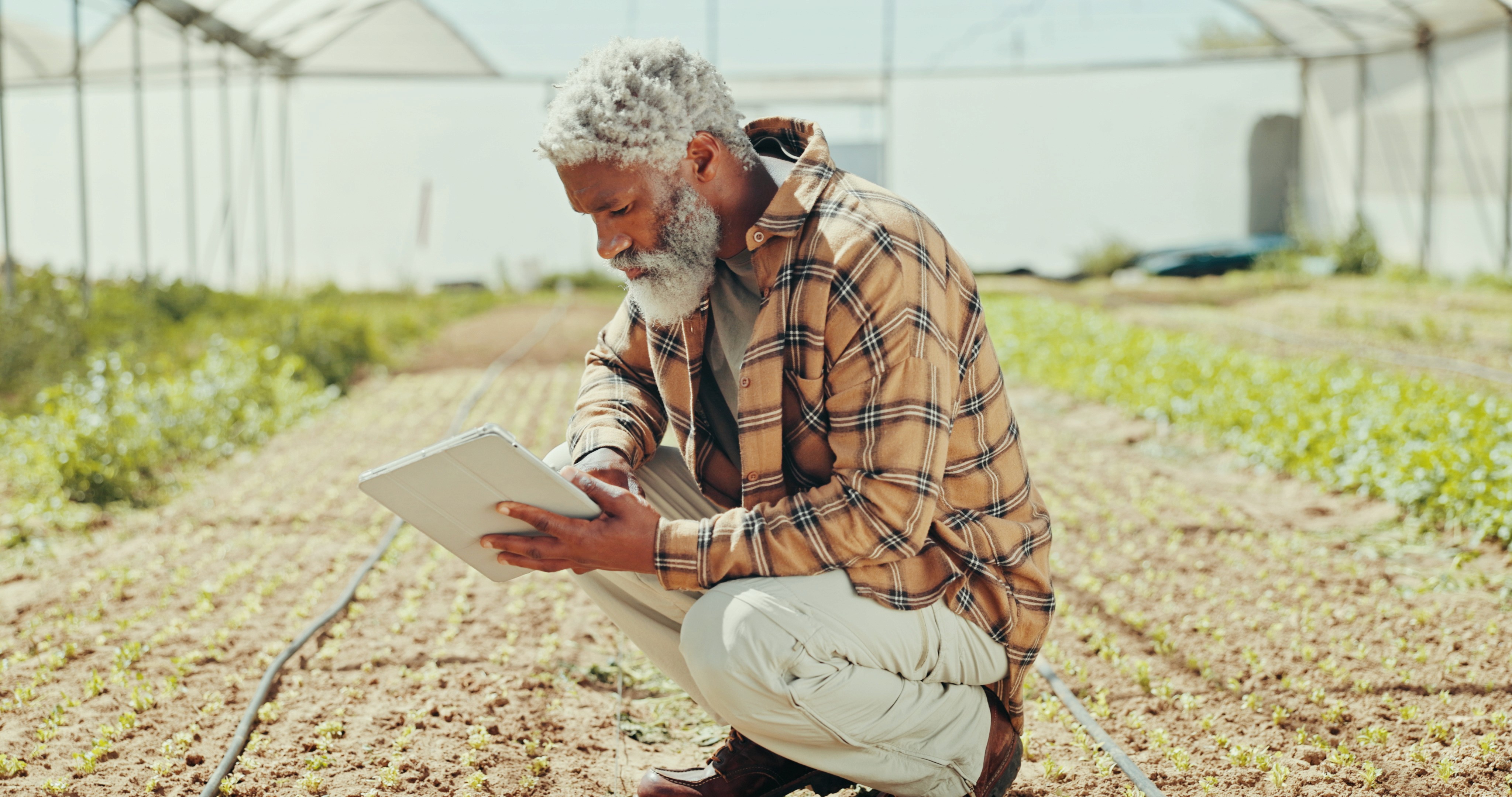
Farmers and entrepreneurs face distinct barriers when trying to adopt new farming technologies:
High Initial Investment and Cost Barrier
Advanced technologies like high-capacity drones require a significant upfront financial commitment that is unfeasible for many.
Solution: Service-based models are the key. Instead of buying equipment, you can use pay-per-use services like Leher's drone spraying. Government subsidies through schemes like SMAM also bring down the cost significantly.
Lack of Digital Literacy and Training
Many farmers lack the technical skills to operate complex software or analyse data, creating a knowledge gap.
Solution: Agritech companies now focus on user-friendly tools that require minimal training. Leher, for instance, provides certified pilots who handle all the technical work, so you get the benefits without needing to operate the technology yourself.
Interested in becoming a drone pilot? Learn about the financial support and training opportunities through Leher’s Drone Pilot Training Program. Enroll now.
Infrastructure and Connectivity Issues
Poor internet and power supply in rural areas limit the functionality of many real-time agritech tools.
Solution: Many modern agricultural drones are designed to work offline. They can map fields and execute pre-loaded flight paths without a live internet connection, ensuring work continues uninterrupted.
Since individual challenges are difficult to overcome, the good news is that the Indian government is actively launching initiatives to support farmers and lower the barriers to entry.
Agritech Initiatives Taken in India
The Indian government recognises the critical importance of agritech for the nation's food security and rural economy. Various programmes and projects have been launched to build a supporting framework, providing both the digital infrastructure and financial assistance needed to encourage broad technology adoption.
These government efforts aim to unify the agricultural sector and support farmers through technology:
Digital Agriculture Mission and AgriStack
The Digital Agriculture Mission focuses on creating a comprehensive farmer-centric digital ecosystem. A key component is AgriStack, which aims to build a national set of core registries, including a Farmers' Registry and a Geo-referenced Village Maps database. This provides a unified digital public infrastructure for all agricultural services.
Krishi Decision Support System (Krishi-DSS)
Krishi-DSS integrates geospatial and non-geospatial data, including satellite, weather, and soil information. This platform offers valuable insights like automated yield estimation models and drought monitoring systems. It helps the government and researchers make evidence-based policy decisions and supports innovative private agritech solutions.
Agriculture Accelerator Fund:
The government has created a ₹500 crore fund to support young entrepreneurs in starting agri-businesses in rural India. This fund, which will run for five years, aims to bring new ideas and technology to the countryside.
Also Read: A Complete Guide on Agriculture Drones
Government support is building the foundation, but to get precision results right now without the complexity, you need a specialised service provider like Leher.
Simplify Your Agritech Journey With Leher
Understanding agritech is one thing, but adopting it can feel overwhelming. The high costs and technical complexity often stop farmers from getting started. You might wonder where to begin and how to see a return on your investment.
Leher provides a simple and effective entry point into agritech. We specialise in drone-powered precision spraying, a service that delivers immediate benefits without a major upfront cost. You can access cutting-edge technology without buying equipment or getting certified.
Our service offers:
Resource Conservation: Precision application uses Ultra-Low Volume (ULV) technology, saving up to 90% of water and reducing pesticide consumption.
Guaranteed Uniformity: Autonomous flight paths and Variable Rate Technology ensure every part of your crop receives the exact, optimal treatment.
Certified Operations: All spraying is conducted by DGCA-certified drone pilots, guaranteeing safe, legal, and professional service every time.
Yield Improvement: Farmers using Leher's services report a significant increase in crop yield due to the superior distribution of agrochemicals.
Leher's approach makes advanced farming solutions simple and instantly accessible to every farmer, allowing you to focus completely on successful crop growth.
Conclusion
Agritech is no longer a concept for the future; it is a practical tool for today's Indian farmer. It empowers you to increase yields, reduce costs, and build a more resilient farming business. Embracing these technologies is key to overcoming the persistent challenges of labour and resource management.
Leher stands as your partner in this transition, making advanced agritech accessible and simple. Our drone spraying service brings the power of precision agriculture directly to your fields, managed by experts.
Download the Leher app today (Google Play, Apple Store) or join our Drone Partner Program to experience farming that is faster, more sustainable, and clearly more profitable.
FAQs
1. How much water does drone spraying actually save compared to traditional methods?
Drones use Ultra-Low Volume (ULV) spraying technology, which requires significantly less water than traditional backpack methods. This efficiency can save farmers up to 90% of the water typically used for agrochemical application, promoting greater water sustainability.
2. Is it legal for farmers to use autonomous agricultural drones in India?
Yes, autonomous agricultural drones are legal in India, but their commercial operation is strictly regulated by the Directorate General of Civil Aviation (DGCA). Commercial use requires both the drone to be registered and the pilot to possess a valid DGCA Remote Pilot Certificate.
3. How does agritech help small farmers with limited land holdings?
Agritech benefits small farmers primarily through service models and improved data access. Instead of buying expensive machinery, small farmers can use shared services, such as drone spraying or equipment renting, that provide precision on an affordable, pay-per-use basis.
4. What is the difference between agritech and agribusiness?
Agritech focuses on the technology and tools used in farming, like drones and software. Agribusiness covers the entire commercial side of agriculture, including production, processing, and marketing.
5. What is the main purpose of agritech?
The main purpose is to make farming more efficient, productive, and sustainable. It solves practical problems like labour shortages, high input costs, and unpredictable yields through technological solutions.
Let’s Grow Together!
Interested in drone spraying solutions? Connect with us today.